-
-
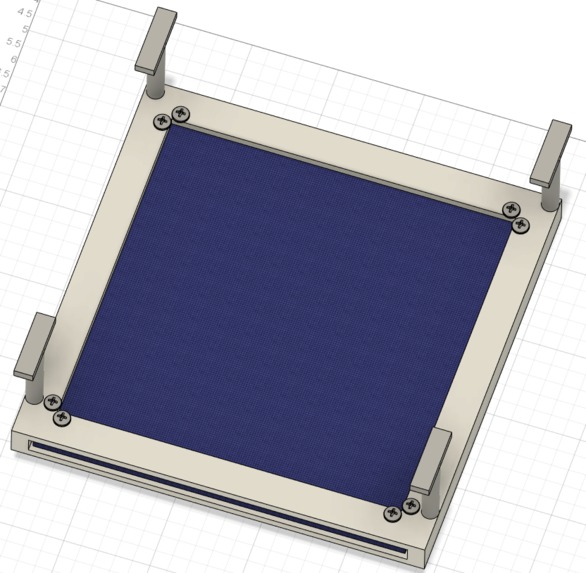
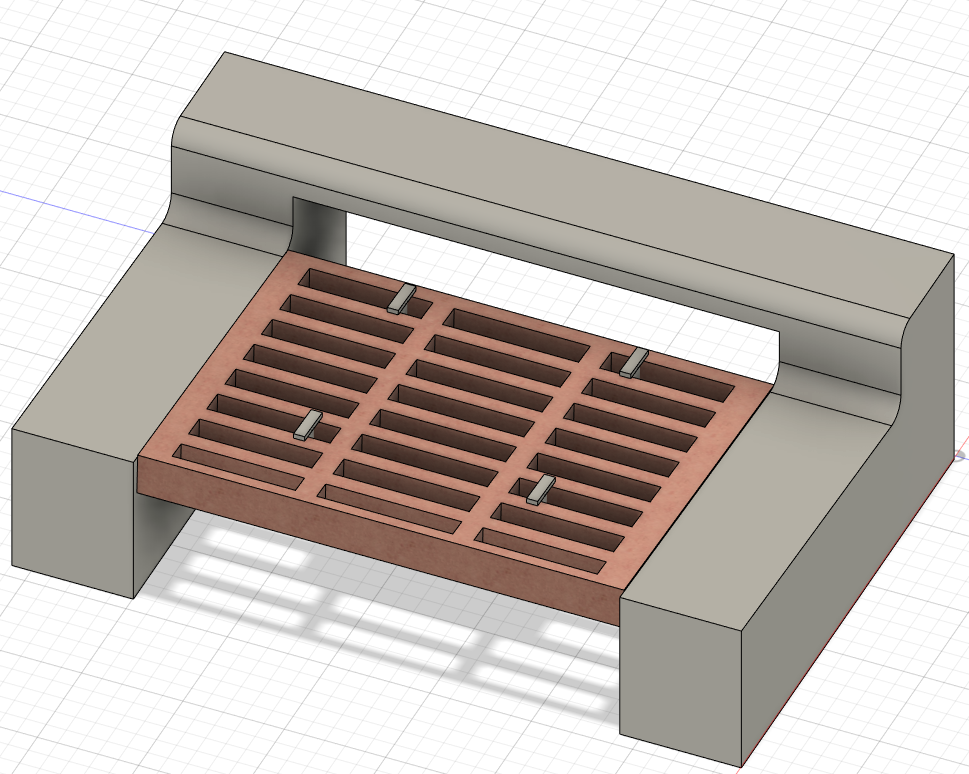
Standalone view of the Gutter Scrubber
-
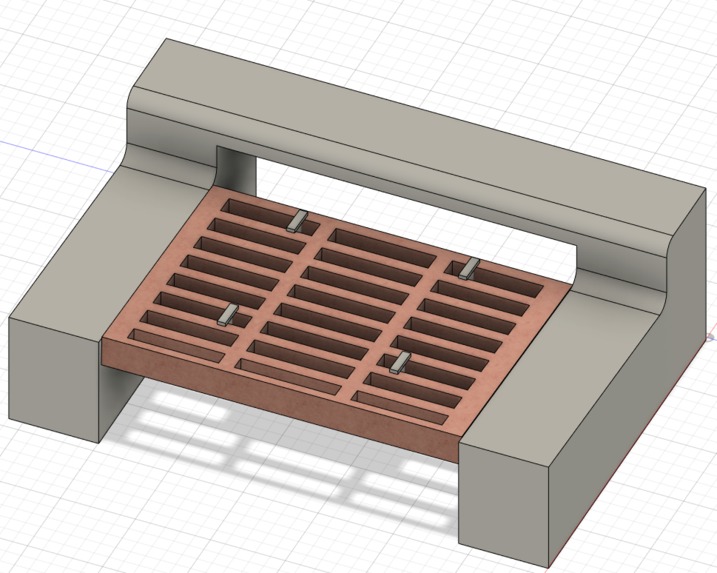
Gutter Scrubber is discretely embedded in existing stormwater drains.
-
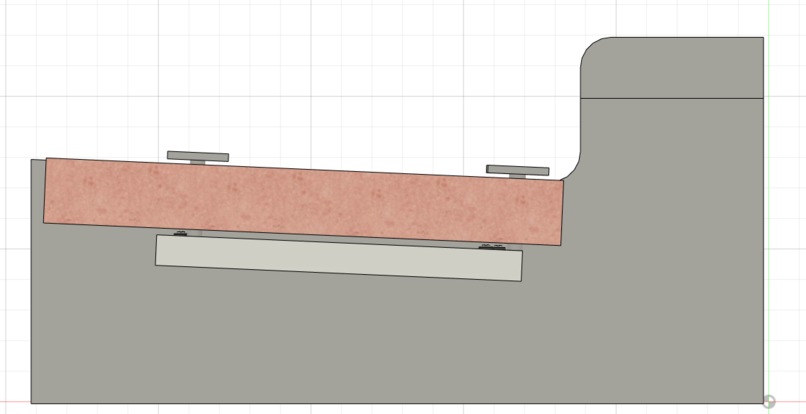
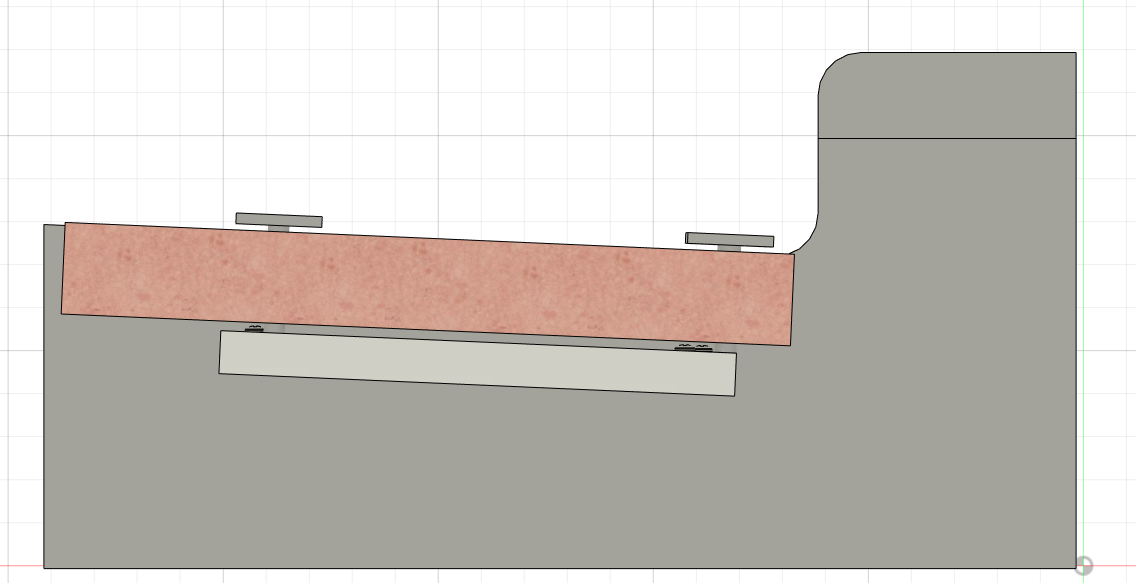
Side view of the filtration device
Inspiration
Have you ever heard of the warning, “be careful when driving after the first rain?” You might’ve known that accidents are much more deadly due to the oils and other pollutants that settle onto road surfaces (source), but have you ever thought about where those pollutants go when they’re washed away? According to the EPA, any particulates or contaminants on the ground may easily be washed into your local water systems, because unlike the water that goes down a sink or toilet in your home, stormwater runoff is sent directly into waterways such as streams, rivers, and eventually the oceans. While solutions exist to mitigate pollution at the source, a substantial amount of pollution still makes it down into city stormwater systems, posing dangers to terrestrial, marine, and human health. Our team focused on creating a blueprint that not only has a high benefit-to-cost ratio, but is also feasible in terms of distribution and financial support.
Problem Statement
Our team is focused on solving the issue of pollution in urban stormwater runoff. The impervious surfaces on urban roads facilitate the buildup of pollutants, which are then washed down through the water cycle, increasing the burden on public infrastructure across all levels. This problem is best solved through a decentralized filtration system working across an urban watershed.
What it does
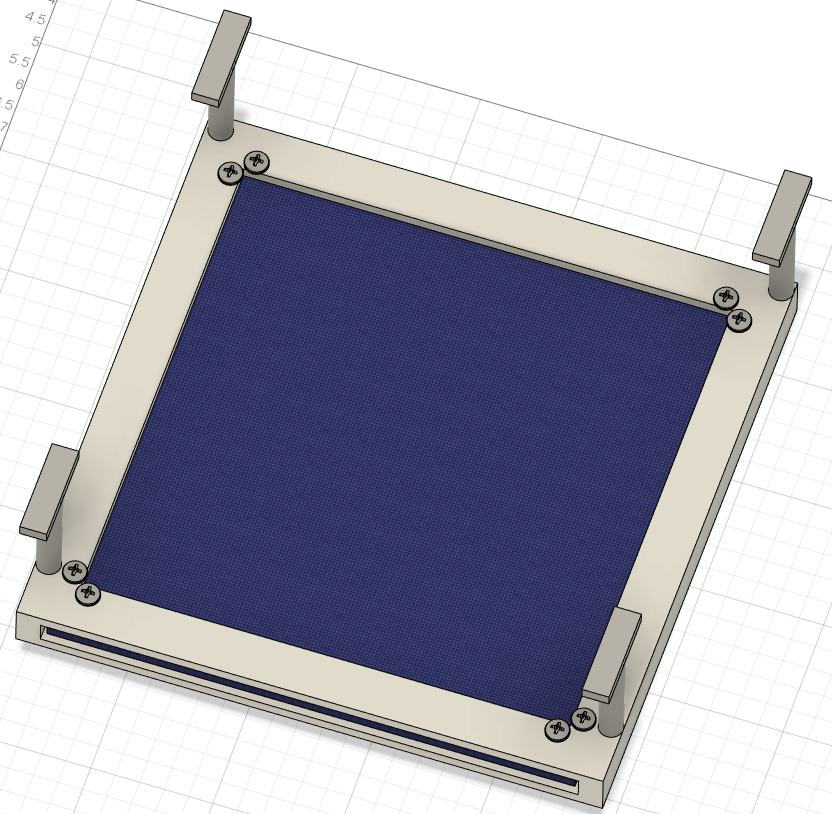
The Gutter Scrubber acts as the first layer of defense for our waterways against urban runoff. The adjustable grate hooks make for an easy installation, accessed through the mouth of the drain and eliminating the need to remove the heavy grate. The design consists of a cheap but durable plastic frame that holds a filter. Each filter contains a series of mechanical and chemical filters that work together to capture and neutralize pollutants entering the drain. The collection system will filter until it is depleted, at which point someone can easily slide it out of the frame and replace it with a new filter. The system filters out many of the common pollutants found in stormwater runoff such as oil, gas, and many of the organic compounds found in fertilizers. This is achieved with Granular Activated Carbon, a material with a high surface area used to absorb nitrate and most organic chemicals (purchase link, data sheet link). Another portion of filtration is achieved through the use of an oil filter mat pad (link) that absorbs oil and lets through aqueous water solutions.
If the volume of water entering the storm drain exceeds the filtering capacity of The Gutter Scrubber, it will recognize that there is an abnormal amount of weight above the filter and allow more water to pass through so that the drain will not overflow and cause flooding.
Our solution works out of sight and out of the way and would not create any obstruction to motorists, pedestrians, or bikers. Special hooks attach the filter onto the grate from below and keep it stable. Furthermore, if the filter were to become clogged or otherwise broken, the drain as a whole will still be functional, as not all the water is directed through the filter.
Implementation
The filtration systems will be packaged up into kits that can easily be installed by citizens in municipalities that give their permission. Implementing this on the local level would be the best, as it gives flexibility for each municipality to do
Citizens who are passionate about environmental preservation as well as various K-12 science classes from schools around the city can be incentivized to install these devices with a complete kit and easy-to-understand instructions. Participating in this project gives a sense of fulfillment and purpose.
Local or state governments are incentivized to fund these devices. A 2020 study done in Moscow on pothole reporting shows that when citizens have a hand in the health of their city, it correlates with positive political benefits for the government.
The solution is also highly sustainable; it doesn’t require constant upkeep, and when filters need replacing, it’s very simple to pull out a filtration “stick” and replace it with another. It can be implemented using recycled plastic.
We have a complete bill of materials and cost estimate for our product (HERE). The main body of the device is created out of ABS Plastic, a durable and cheap solution used for rapid production of materials. The other main cost comes from the granulated activated carbon, which is the primary filter medium.
Advantages
An advantage of using The Gutter Scrubber is making the entire water infrastructure cycle as a whole run smoother, leading to compounding benefits over time. Reducing the concentration of salt, oil, and acidic chemicals going through the pipes reduces the strain on the water infrastructure of a city in the long run and saves the city maintenance and repair money. One of the only similar solutions that we ran into are rather clunky sediment and oil collectors that are shaped like a long tubular sandbag that are placed around storm drains. Our solution is better because:
- Our solution is out of the way for commuters on a busy city street—imagine laying a sandbag-sized filter by a curb in NYC.
- Our solution is future-ready, as our filter can be hooked up with a sensor that can be monitored remotely to track pollutant concentrations and keep tabs on filter health.
- Our filter is much more powerful and addresses pollutants that can do much more damage than dust and debris. Our filtration system neutralizes and captures various chemicals/salts/fertilizers before they infiltrate the water cycle.
- Ours is integrated with an effective citizen-science method that increases public participation
How we built it
Our extensive research into the most severe types of pollution in a city led us to contaminated waterways and back to their sources—runoffs from after it rains in a city. Alternatives and suitable designs were researched for longevity (lasts a long time, reducing costs), maintainability (is very fast and easy to replace filters, doesn’t need a whole crew), simplicity (so citizens are able to easily install this product by themselves), and effectiveness (does it actually work in reducing pollution runoff). We also completed a broad literature review of how the Internet of Things can be implemented in stormwater management systems. An initial design was drawn out by hand before it was assessed by the above criterion. Improvements were made and a revised design was created in CAD with a model of a storm drain to show the process of installation. We then looked carefully at what materials we’d use to create our product to create a budget and list of materials.
Challenges we ran into
Considering the whole chain of water pollution from source (driving cars or putting out fertilizer on a lawn) to consequence (algae blooms and biological dead-zones) it was difficult at first to decide what step in the process to address with our solution. We had to look at what was the best way to minimize impacts but also restrain ourselves to what was feasible with the allocated resources. Of course, it would be the “most effective” to enact legislation on a total ban of household fertilizer use, but that would be politically infeasible. We decided that the most viable option would be to intercept the pollutants partway through their journey, before they can do more widespread damage to larger ecosystems.
Accomplishments that we're proud of
We’re proud of how well we worked together and used our different strengths in creating the final blueprint and product design, especially considering that we made this work over a busy weekend across different time zones. Furthermore, some of the research we examined indicates that a solution like ours would be very promising if implemented across a city with high levels of pollution. For instance, a recent highly-cited study on the future of urban water management says that:
It is apparent that many of the centralized water supply and treatment strategies developed in Europe and North America during the period of industrialization in the nineteenth and twentieth centuries will not be able to meet future challenges. ... New tools will be needed to quantify nonmonetary benefits and to create incentives for organizations to adopt approaches that lead to better overall outcomes. Participatory processes will need to be established in which citizens can be actively involved in making decisions that affect their lives, even to the point of leading the decision-making process.
We feel that our blueprint contributes to the idea base by effectively putting urban water management theory into practice.
What we learned
Over the course of thoroughly researching our problem space, we learned a great deal about how urban water systems work. One of the more surprising facts we learned is that leaky distribution pipes lead to lots of loss across the water system. Furthermore, threats to the environment may exist right underneath our feet in places we don’t really notice. And while turning off a bedroom light when you’re out of the room is a step in the right direction, we must remember that the largest dangers to our earth are probably much larger in scope and require a larger effort. We also learned a lot about how much further current advances in science are starting to take these big issues head on. It’s very exciting to imagine playing a part in protecting the environment.
Built With
- arduino
- cad


Log in or sign up for Devpost to join the conversation.