-
-
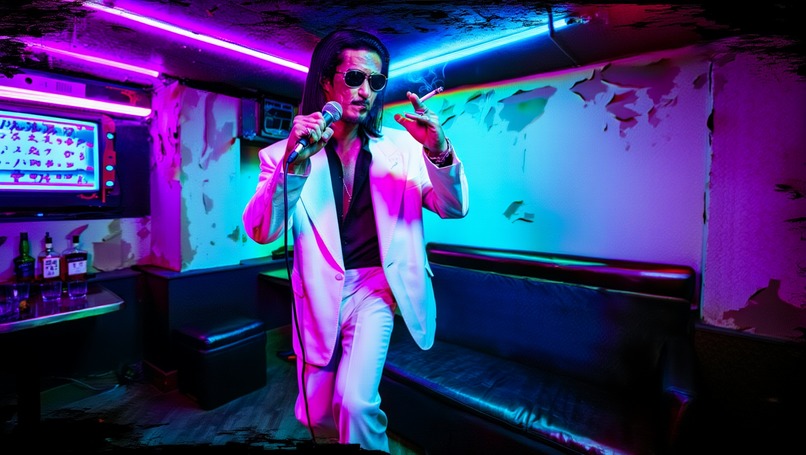
Karaoke
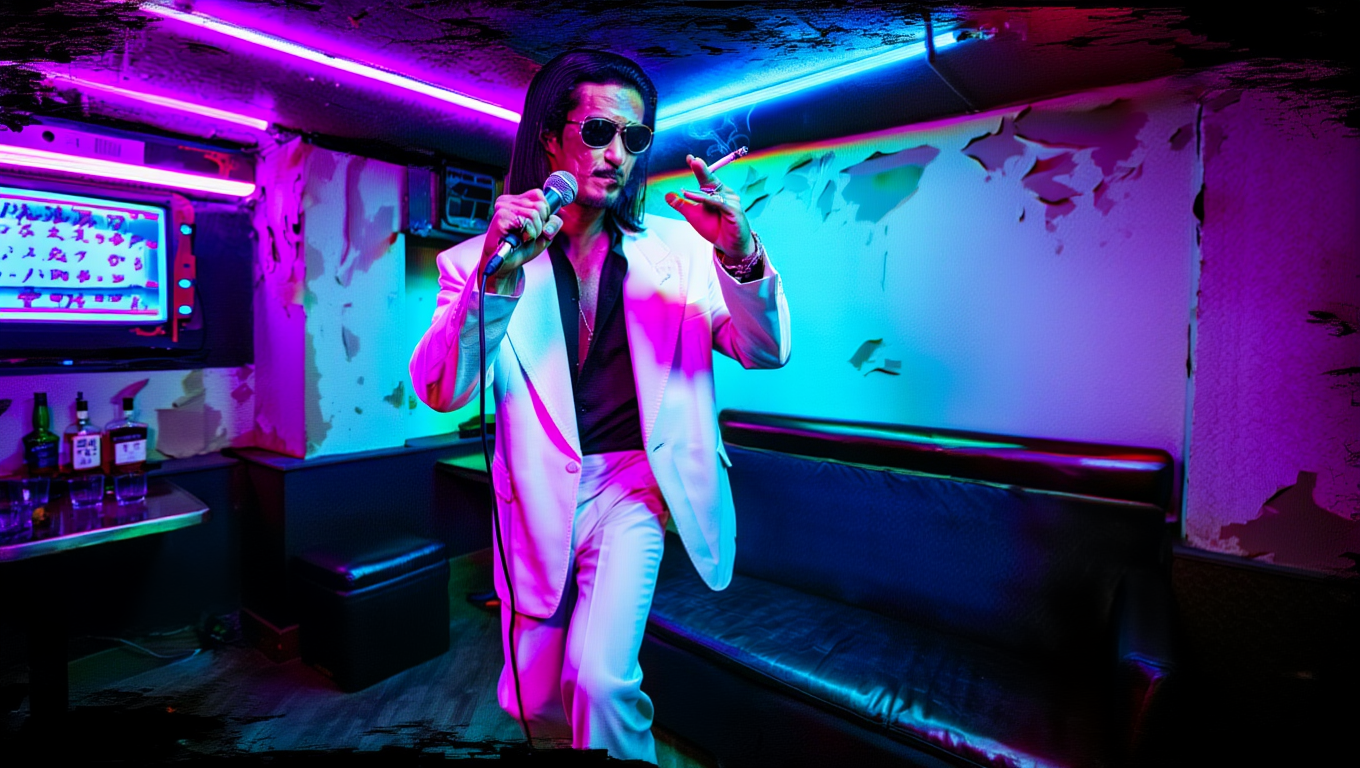
Inspiration
THE BRIEFCASE was born from an obsession with neo-noir aesthetics and the question: what if our reality is just a rendered simulation? I wanted to explore this concept through extreme visual corruption—chromatic aberration as a symptom of reality breaking down.
The film draws from Japanese street photography of the 60s-70s (Daido Moriyama's gritty urban chaos, Nobuyoshi Araki's raw emotional intensity) and Seijun Suzuki's absurdist yakuza cinema. The visual language combines high-contrast black crushing, heavy grain, and neon-saturated color separation to create a world that feels simultaneously hyper-real and completely artificial.
What it does
THE BRIEFCASE is a 5-minute neo-noir short film that follows a jazz musician's descent into technological surrealism after a mysterious woman steals his trumpet in neon-lit Tokyo.
The film questions the nature of existence itself through extreme chromatic aberration and digital glitch aesthetics. When the femme fatale whispers "you know we don't exist... right?" the boundaries between dream, simulation, and reality dissolve completely. The protagonist's search leads him through impossible architecture, violent confrontations with yakuza, and ultimately to a surrealist transformation where he literally enters the briefcase—becoming one with the object of his obsession.
It's a visual experiment in using AI-generated imagery to tell a story about simulated reality, where the medium itself (AI corruption) reinforces the message.
How we built it
Workflow:
- Pre-production: Developed the story structure across 5 acts, created a shot list of 65 frames, and established strict visual aesthetic guidelines (chromatic aberration 6-10/10, grain 45-70%, split-tone magenta/cyan/orange lighting)
- Frame generation: Used Qwen-Image via ComfyUI for static frame generation with precise control over glitch intensity and character consistency
- Video synthesis: Wan 2.2 i2v (image-to-video) converted all 65 static frames into video clips with controlled motion
- Post-production: Traditional film editing, color grading, sound design, and music integration in DaVinci Resolve
Technical approach: Each frame required 3-5 generation attempts to achieve the right balance of visual corruption while maintaining narrative clarity. I used reference images to maintain character consistency and developed a custom prompt structure that emphasized Moriyama-style photography aesthetics combined with digital glitch corruption.
Tools: Qwen-Image, Wan 2.2, ComfyUI, DaVinci Resolve
Challenges we ran into
Character consistency was the biggest technical challenge—maintaining the protagonist's appearance (messy black hair, dark eye makeup, black tank top) across 65 frames required careful reference image management and multiple generation attempts per shot.
Balancing glitch intensity: Too much chromatic aberration made shots visually incomprehensible; too little lost the "reality breaking" concept. Finding the sweet spot (aberration 6-10/10, grain 45-70%) required extensive experimentation and learning when to dial back the corruption for narrative clarity.
AI video limitations: Wan 2.2 i2v struggles with specific movements like "entering a briefcase impossibly." I had to work within the tool's constraints, accepting what was achievable and embracing happy accidents that sometimes enhanced the surrealist atmosphere.
Narrative clarity vs. ambiguity: The biggest creative challenge was deciding what to explain versus what to leave mysterious. The final cut intentionally leans into ambiguity—the film never confirms if the "rendered world" is real or the femme fatale's manipulation. Less explanation proved more powerful.
Accomplishments that we're proud of
Visual consistency: Despite using AI generation for every shot, the film maintains a cohesive aesthetic language throughout all 5 minutes. The chromatic aberration, split-tone lighting, and grain levels feel intentional rather than random.
Narrative coherence: We successfully told a complete 5-act story (seduction → kafkaesque search → violence → chase → surrealist transformation) using only AI-generated imagery. The film has emotional beats, character arc, and thematic depth—it's not just a visual experiment.
Pushing AI tools creatively: Rather than fighting against AI limitations, we embraced them as features. The glitchy, unstable nature of the imagery reinforces the "simulated reality" theme. The medium became the message.
The ending sequence: The surrealist final act where the protagonist enters the briefcase and the femme fatale walks away with him trapped inside—this worked beyond expectations. It's genuinely unsettling and ambiguous in the best David Lynch tradition.
What we learned
AI is a cinematography tool, not autopilot: Every frame required creative direction, curation, and often multiple attempts. The AI doesn't "make the film"—it executes a vision that must be clearly articulated through prompt engineering and reference images.
Constraints breed creativity: Working within AI video limitations forced us to find creative solutions. We couldn't show everything we imagined, but the resulting film is stronger for it. The Buster Keaton-style fall through the window worked better than a realistic fight scene ever would have.
Less is more in experimental cinema: The film's ambiguous ending is more powerful than explaining everything. The audience questioning what's real is exactly the experience we wanted to create.
Traditional post-production is essential: No matter how good the AI generation, the film only came together in DaVinci Resolve. Color grading, sound design, pacing, music—these traditional filmmaking skills were just as important as the AI tools.
What's next for THE BRIEFCASE
Festival circuit: Beyond Chroma Awards, we're planning to submit to experimental film festivals and AI film competitions to see how the work resonates with different audiences.
Expanding the universe: The "rendered world" concept and neo-noir Tokyo setting could support more stories. Potentially exploring the femme fatale's perspective or other characters trapped in the simulation.
Technical refinement: As AI video tools improve (especially with longer, more controlled motion), we'd love to revisit certain sequences or create an expanded director's cut with additional scenes that were too technically challenging this time around.
Built with
ComfyUI, Qwen-Image, Wan 2.2, DaVinci Resolve
Built With
- comfyui

Log in or sign up for Devpost to join the conversation.