Inspiration
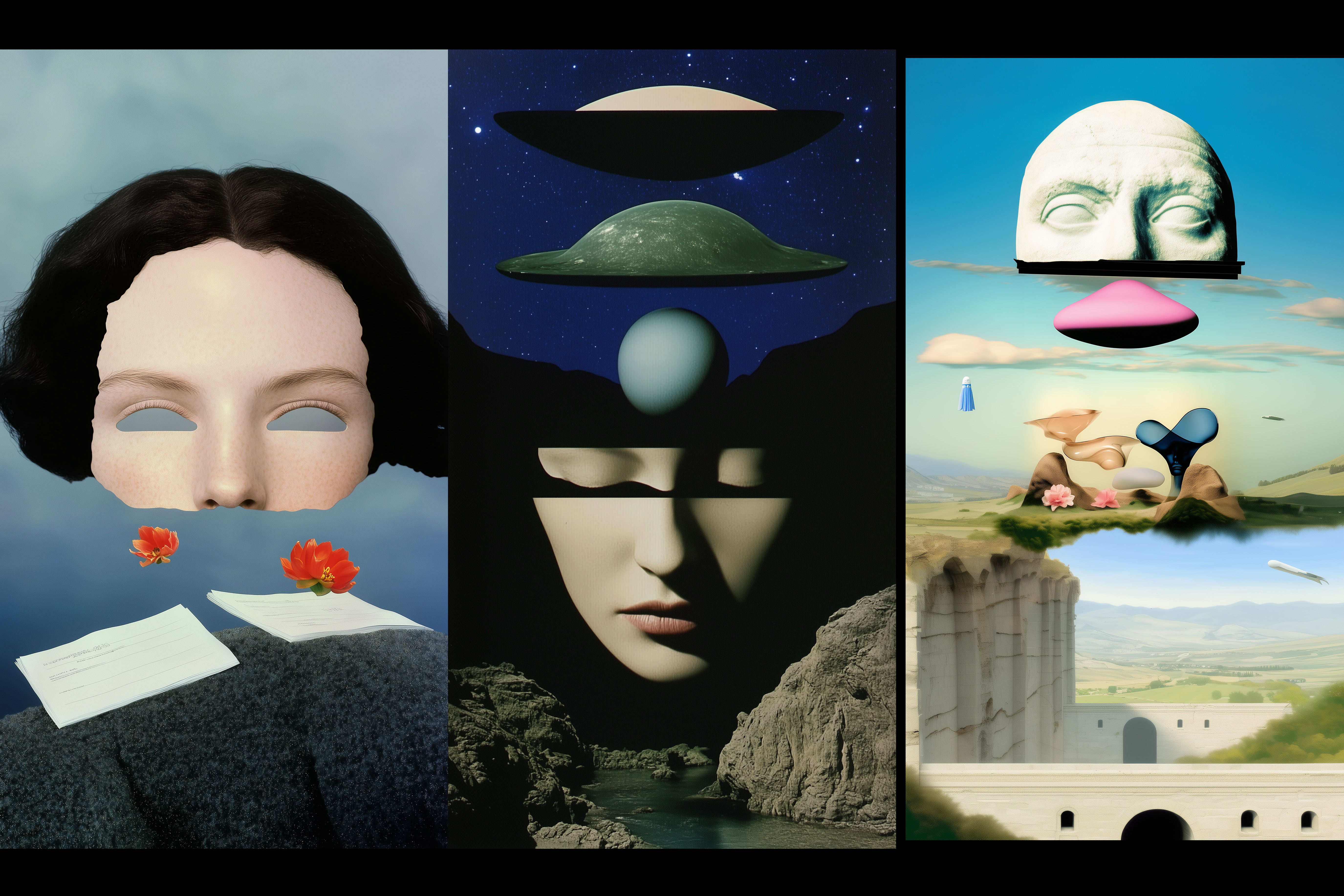
"The Bliss" was born from a reflection on the crushing pressure of modern existence and a personal rebellion against the alienating forces of capital. It traces a psychological arc from the brink of collapse to self-redemption and, finally, tranquility.
I was deeply influenced by Aldous Huxley's The Doors of Perception, particularly the idea of a "sacrificial fantasy" where one glimpses the entire universe in a single instant. The film explores the moment when exhaustion cracks the thin shell of rationality, plunging us into a hallucinatory otherworld. It is a visual meditation on the Buddhist concept: "All conditioned phenomena are like a dream, an illusion, a bubble, a shadow."
What it does
"The Bliss" is an experimental AI short film that visualizes the internal struggle with anxiety. It depicts the process of "taming the beast" of stress until a fissure opens, dragging the protagonist into a surreal void.
- Social Commentary: It addresses the inescapable pressures of contemporary life, urging viewers to acknowledge their deep-seated desire for inner exploration and salvation.
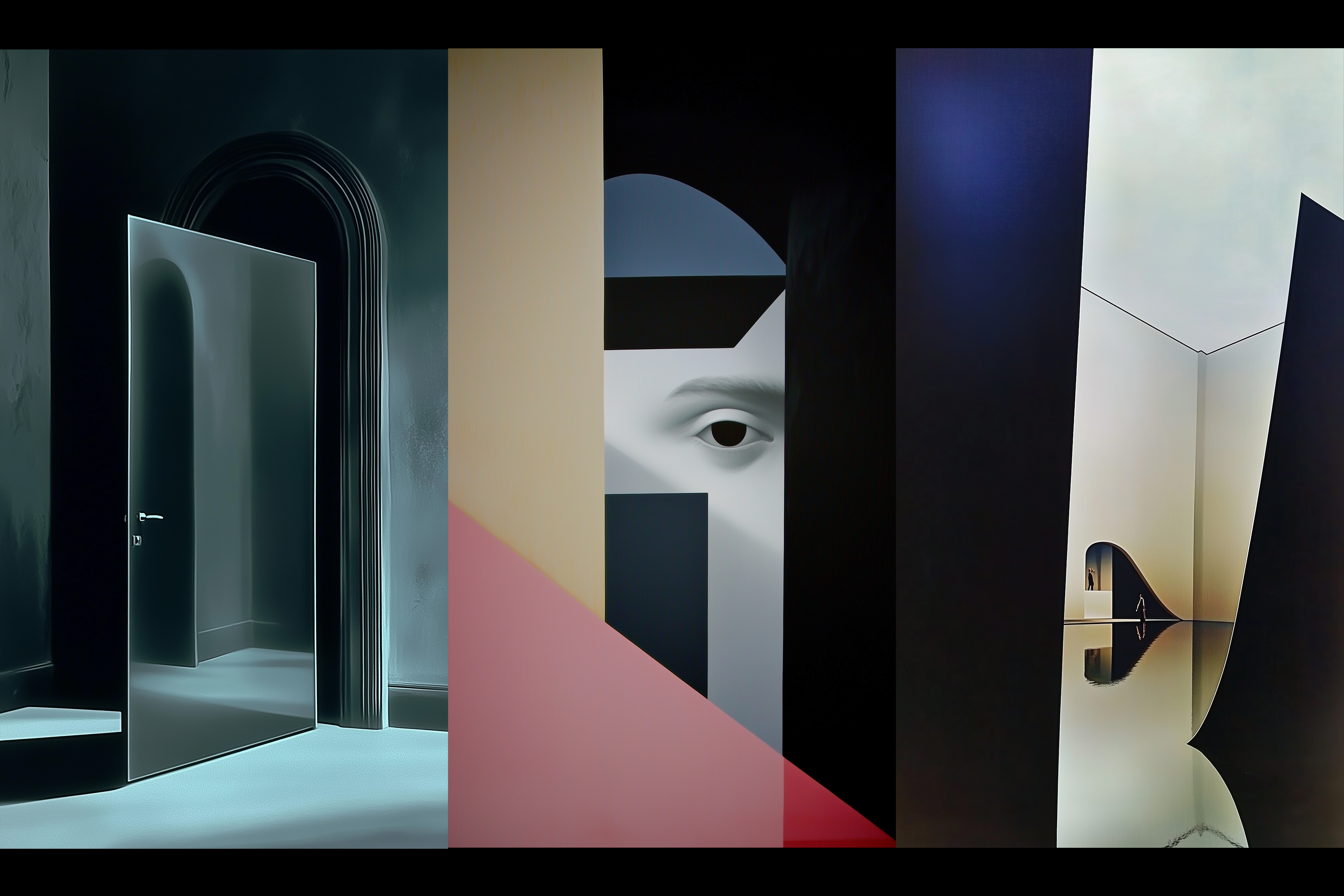
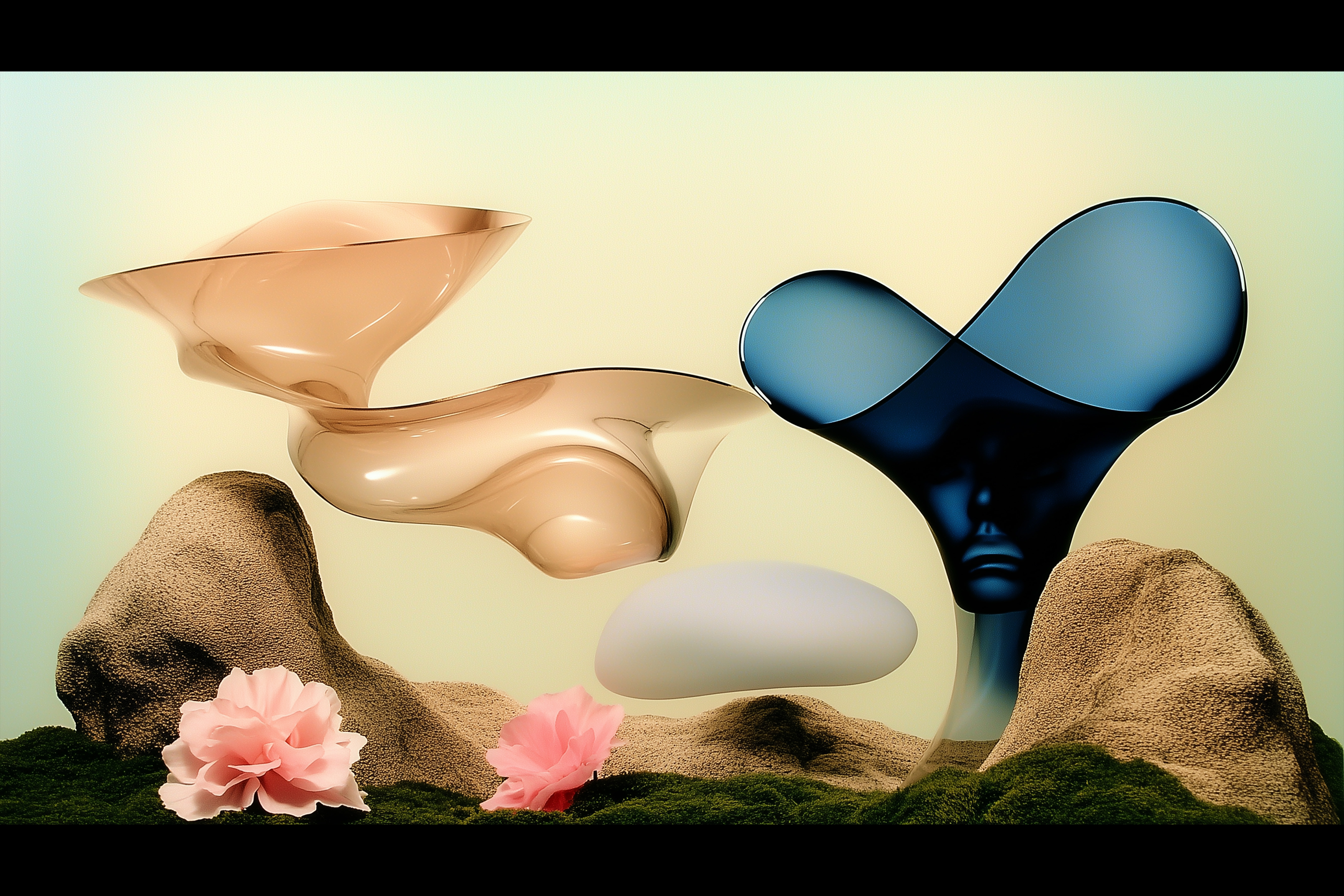
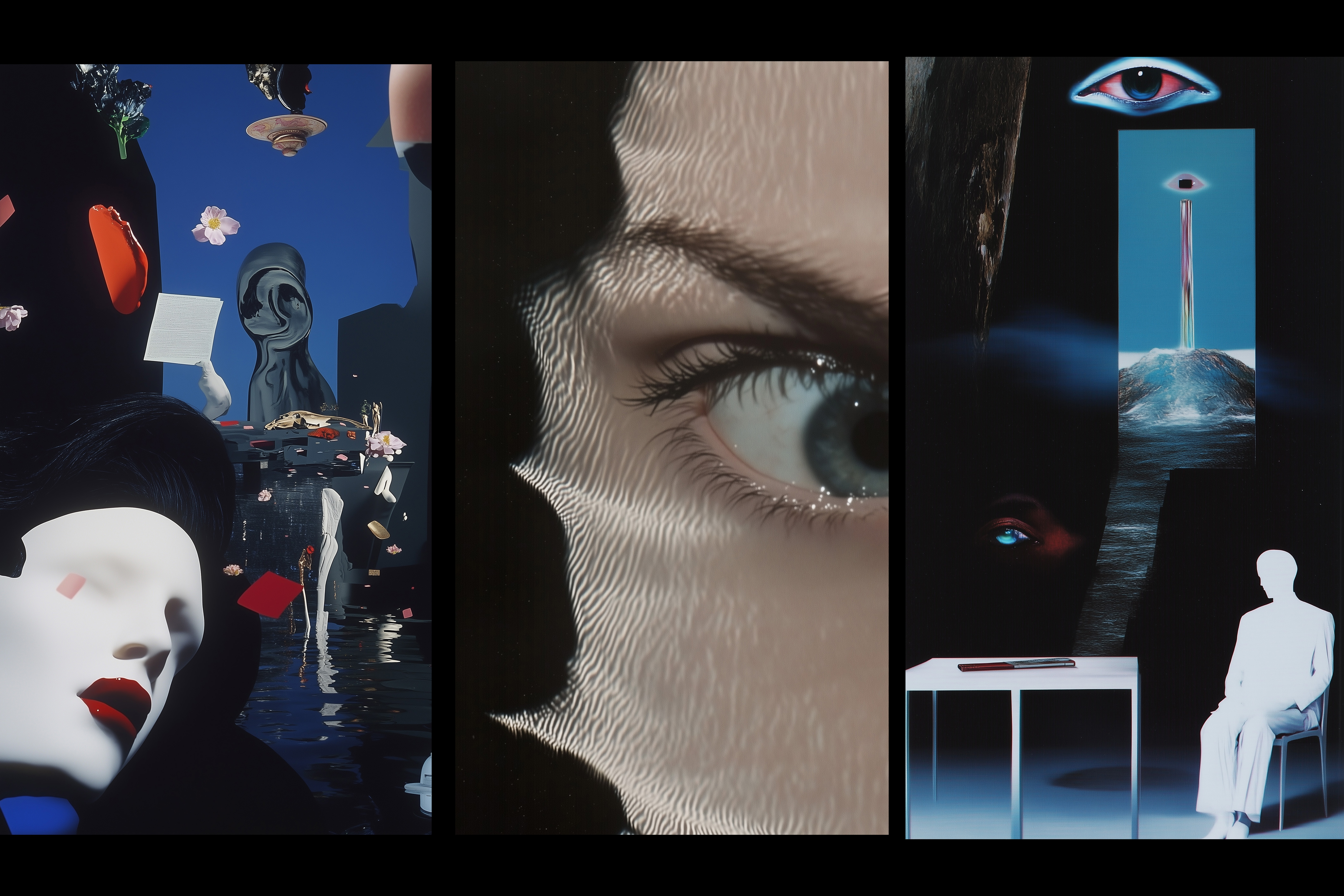
- Visual Philosophy: The film uses stark, abstract imagery—doors opening into voids, faces fragmenting, papers flying like storms—to represent the disintegration of the self and the subsequent realization that we all share the same fleeting dream.
How we built it
This project is a hybrid of generative AI and advanced post-production techniques.
- Visual Generation: We used Midjourney and Runway to create the surreal environments and character bases.
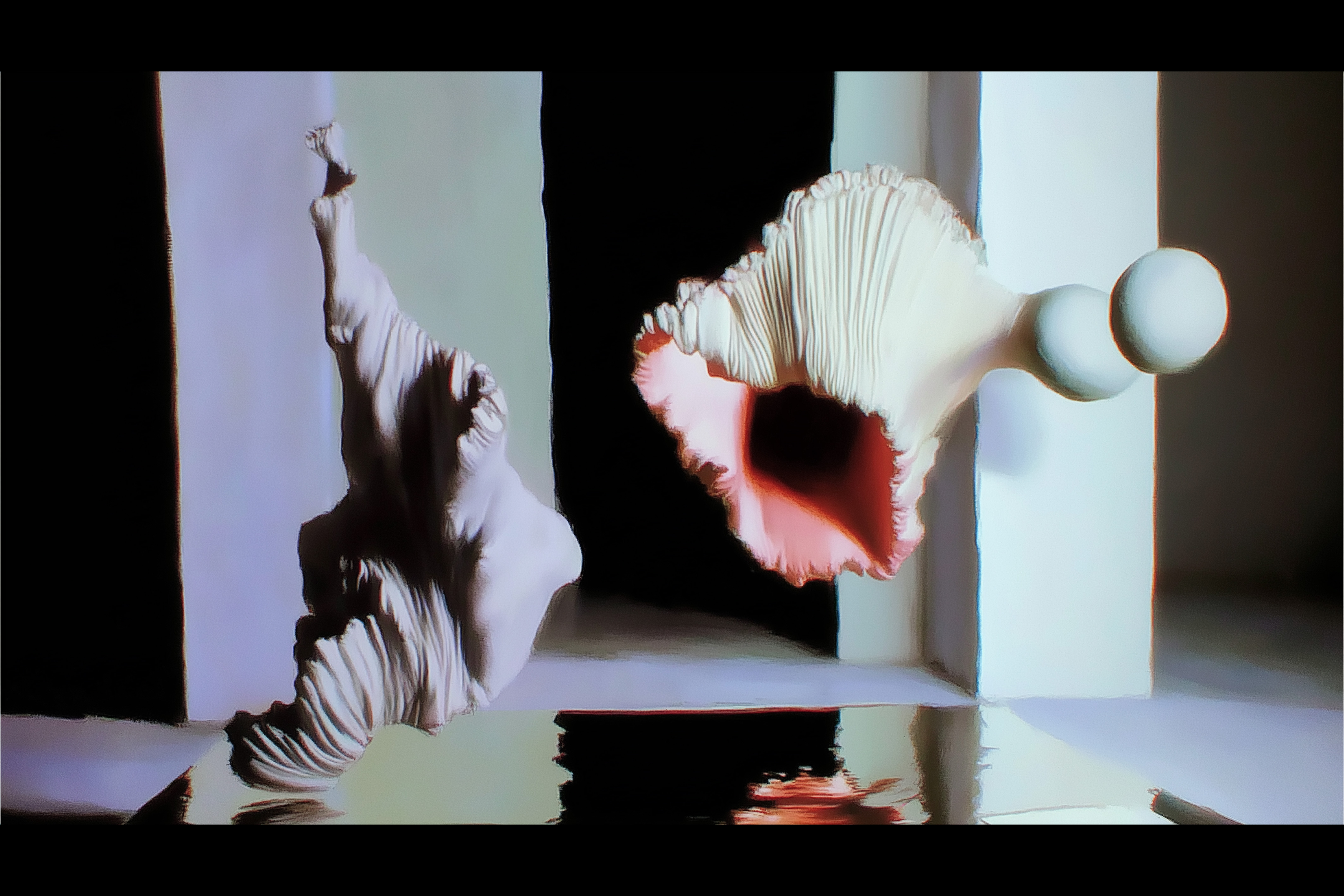
- The "Deform" Technique: To visualize the high-speed disintegration of the mind upon entering the "otherworld," we heavily utilized Deform plugins (in tools like After Effects/Stable Diffusion). This allowed us to stretch, melt, and warp the imagery to match the intensity of a psychological break.
- Sound Design: The audio is a critical narrative layer. We used AI voice synthesis to create a detached, philosophical narration that contrasts with the chaotic visuals, creating an atmosphere of "auditory hallucination."
Challenges we ran into
- Abstract Storytelling: The biggest creative hurdle was translating abstract philosophical concepts (like "capitalist oppression" or "inner peace") into concrete visual sequences. Hours were spent in the editing room, rearranging clips to find a rhythm that felt like a cohesive emotional journey rather than just random images.
- Technical Friction: Mastering the Deform plugins was difficult. Getting the "glitch" effects to look artistic rather than just broken required constant trial and error.
- AI Voice Acting: Achieving the right emotional tone for the AI voiceover—one that felt solemn yet detached—took many iterations of prompt tuning and parameter adjustment.
Accomplishments that we're proud of
We are proud of the unique visual language we established. The film successfully blends a distinct, high-contrast aesthetic with deep philosophical inquiry. The sequence where the protagonist "falls" through the layers of reality stands out as a technical and artistic high point, perfectly capturing the feeling of "insight through exhaustion."
What we learned
- Anxiety as Art: We learned to channel personal stress into the creative process, turning "dark" emotions into a source of visual power.
- The Rhythm of Abstraction: We discovered that in experimental film, the pacing of the edit is more important than the clarity of the plot. The audience feels the meaning before they understand it.
What's next for The Bliss
We plan to expand this concept into a multi-sensory exhibition. By projecting these visuals onto multiple screens in a physical space, combined with spatial audio, we want to create a "meditation chamber" where viewers can physically step into this "otherworld" and confront their own anxieties in a safe, artistic environment.
Built With
- duration:3:20
- english
- media
- video

Log in or sign up for Devpost to join the conversation.