-
-
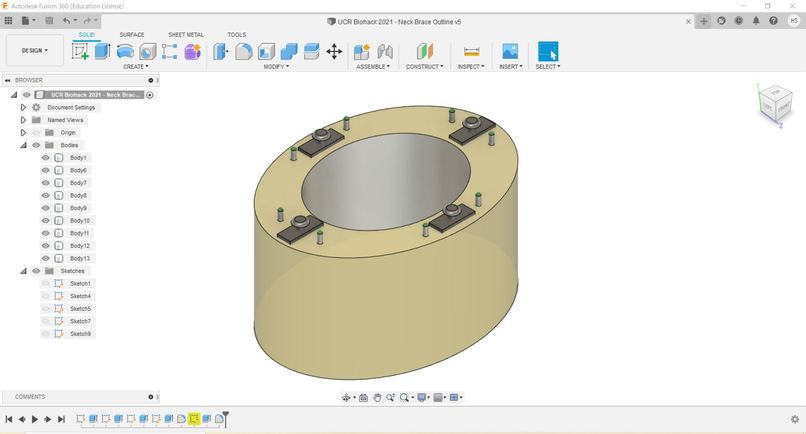
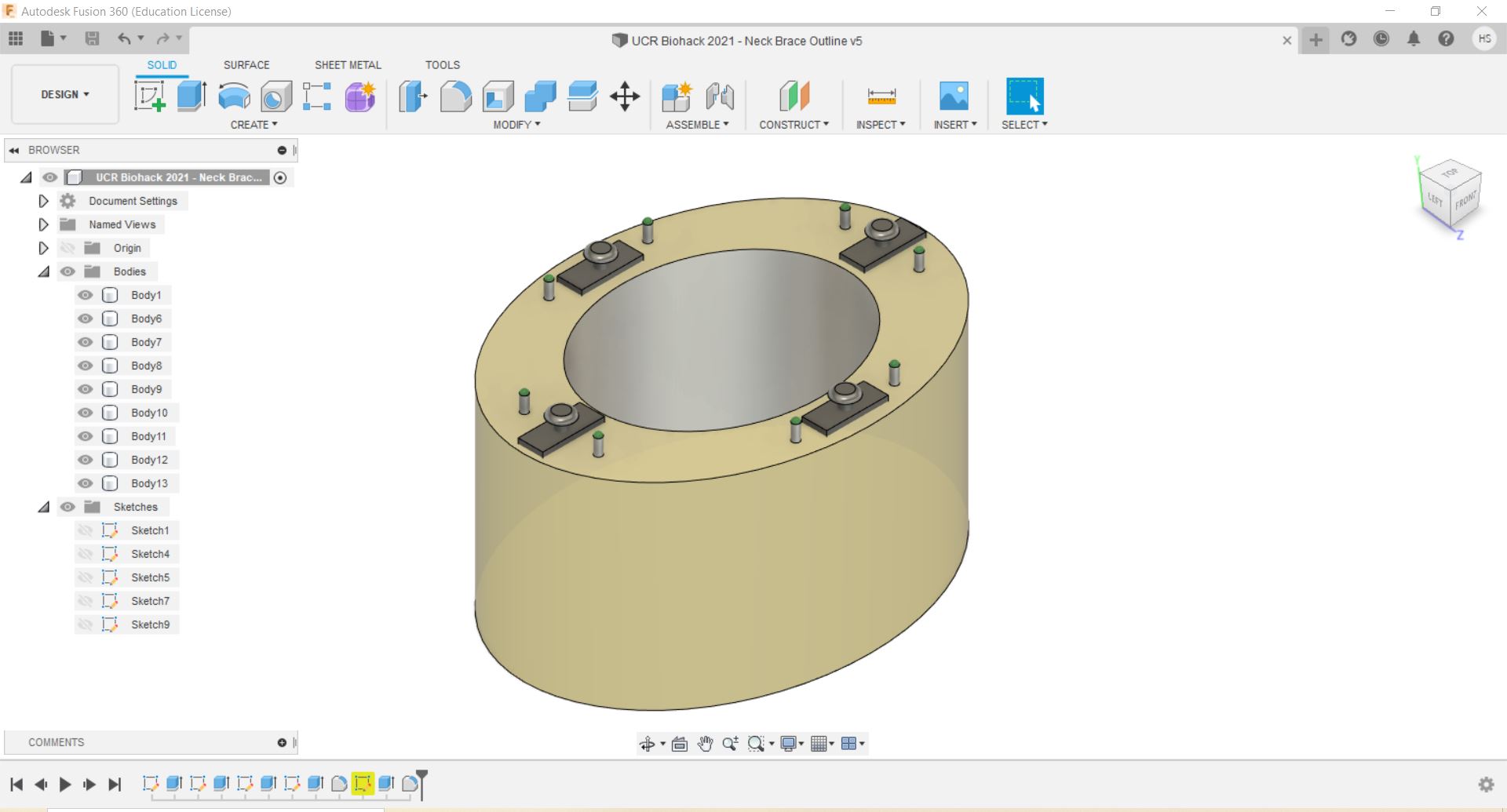
Fully Formulated CAD Drawing
-
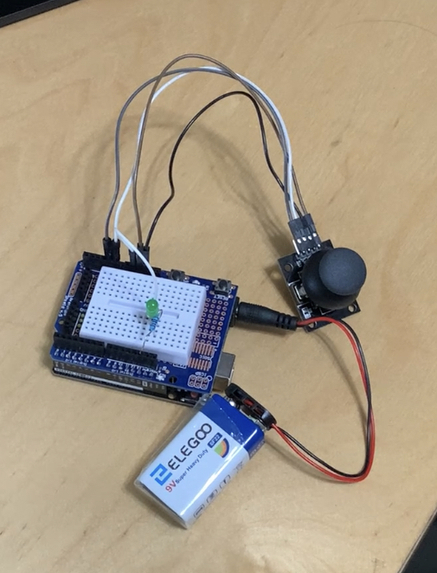
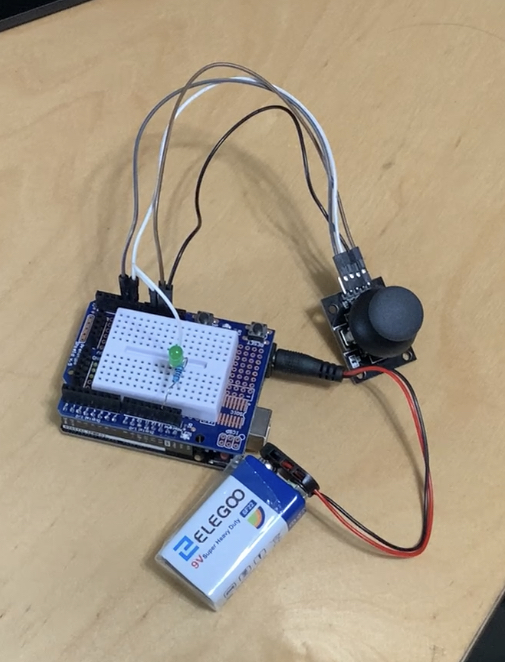
Arduino Sensor Component
-
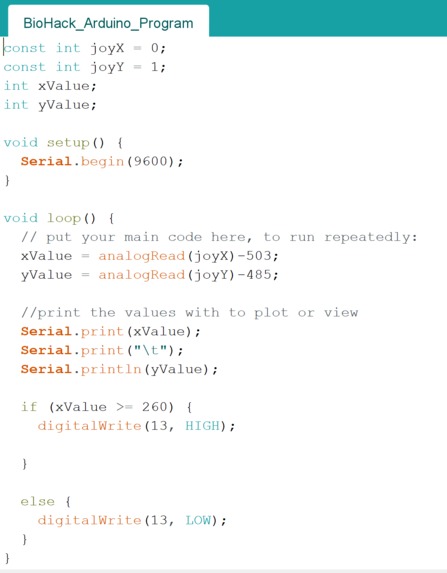
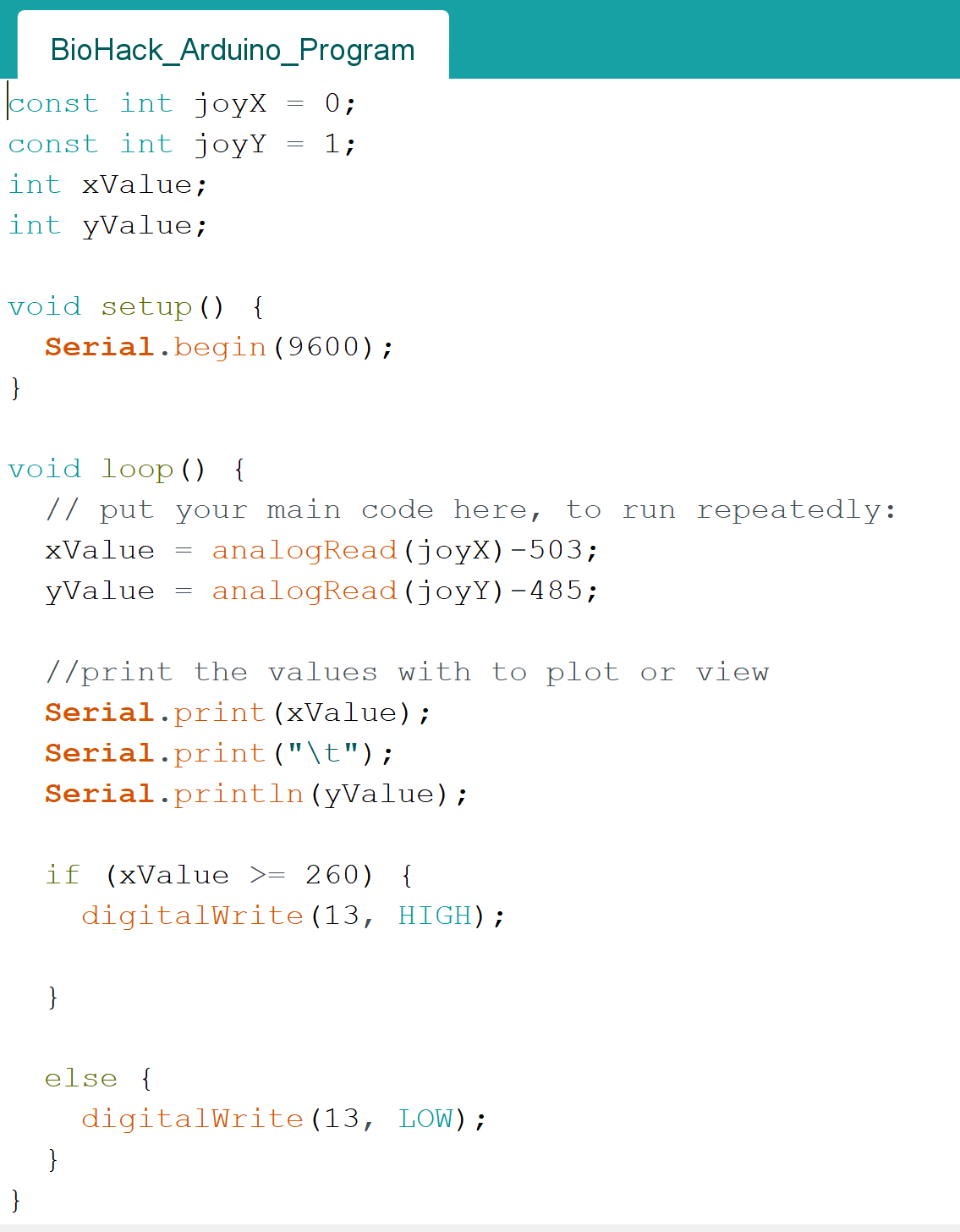
Sensor Program
-
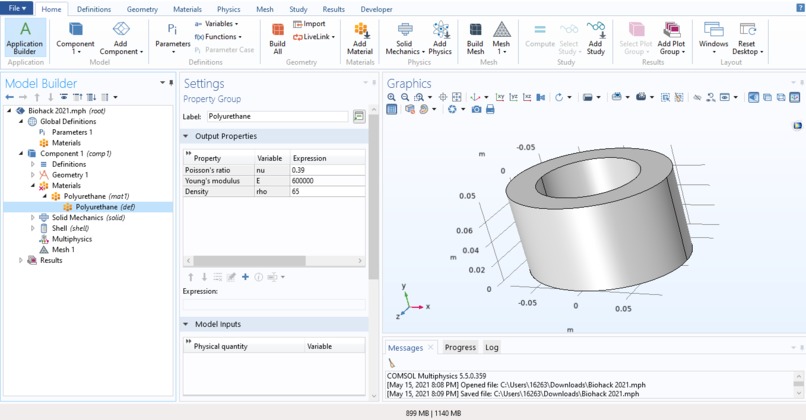
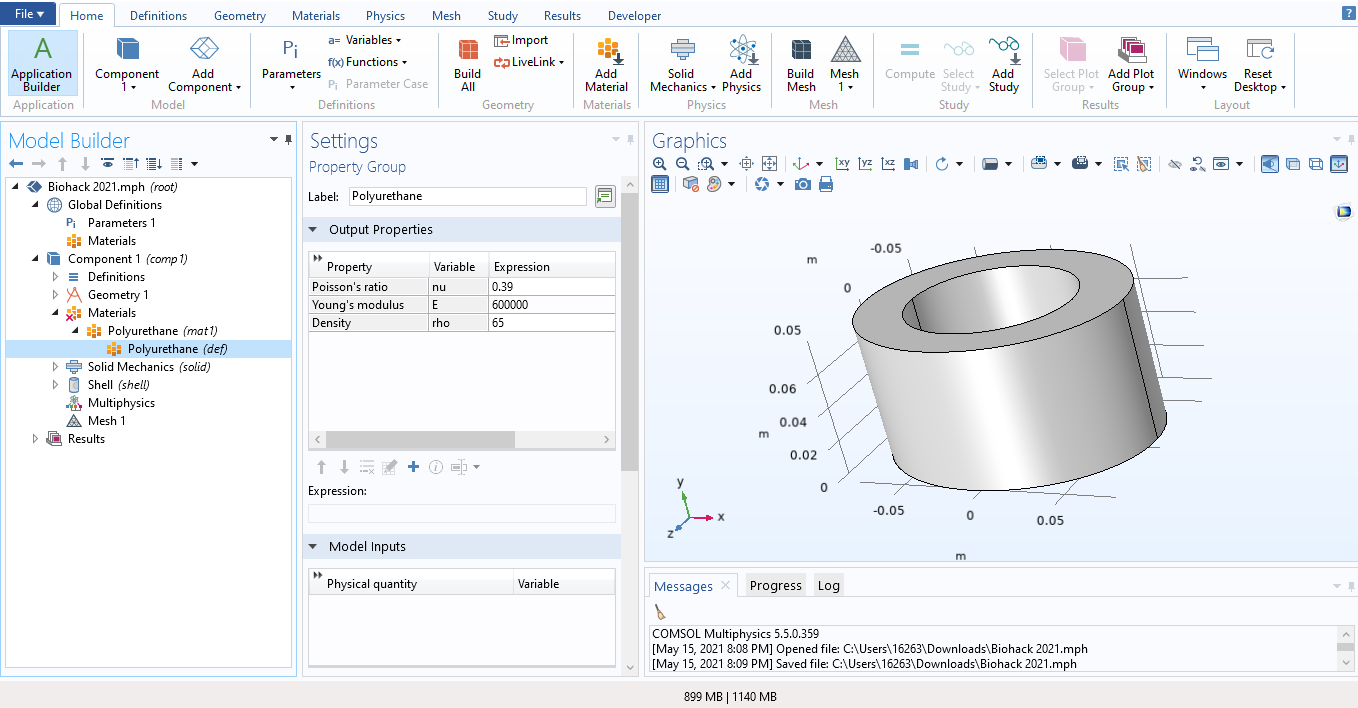
COMSOL Schematic
Inspiration
Every year, almost 500,000 people suffer traumatic injuries to the spinal cord. Unfortunately, the rigid cervical collars used by paramedics to stabilize the neck and head are too rigid, and in some cases this can cause an increase in intracranial pressure. The buildup of pressure can worsen the spinal injury and cause deterioration of neurological function. We wanted to design a softer cervical collar that could successfully stabilize and control the movement of the head and neck without increasing the patient's intracranial pressure.
What it does
The StressTech cervical collar is made out of a thick foam rubber covered in cotton, putting less stress on the neck and head. Four built-in sensors will track movement, lighting up a green light whenever the there is too much strain on the patient's neck. This will prevent jostling, which could potentially increase the damage to the patient's injuries due to less restraint with the softer neck brace.
How we built it
The soft neck brace was designed in AutoCAD, with 4 signals attached, in a 3-D setting. The sensor components we built using a starter Arduino kit. In the kit, we utilized the joystick module as our pressure sensor and a green LED light with a resistor for the signaling component. There are 4 sensors that will be placed around the neck brace and as the user’s head moves to one side, pushing against the joysticks, if the joysticks moved a certain distance, a light would flash, alerting an over-extension of the neck.
Challenges we ran into
A problem we encountered in this project was designing an accurate three-dimensional prototype of the soft brace with proportional dimensions to the real one, incorporating the sensor on it as well. We also faced a challenge in formulating a code that would effectively alert the user when reaching such a specific, unsafe range of motion regarding neck injuries. Lastly, due to this year’s BioHack being solely online, it was a struggle to make do with the resources and hardware that were available to us in our households and to be able to communicate with our teammates in forming a cohesive project.
Accomplishments that we're proud of
We are very happy that we were able to formulate a working model of the sensor with the Arduino kit. Also in the design process, with much trial and error, we were able to formulate quite an accurate representation of a soft cervical brace with four sensors attached around it, providing a realistic idea in the works.
What we learned
We learned how to use AutoCAD in order to design the neck brace in three dimensions. In our research on the background of neck braces, we came to truly see the problems and learn that the standard protocol of neck braces today still needs much improvement in providing a safe form of support for injured subjects.
What's next for StessTech
This innovation from StressTech is just simply the beginning! The utilization of sensors surrounding casts can be further developed to any supporting element that is needed throughout the entirety of the body. This concept could open new horizons to many more materials for casts that would provide less restraint or stress on the human physiology, while still containing the same certainty of safety from further injury or strain due to an unsafe range of motion.
Categories of Submission For Prizes
- Overall
- Beginner
- Hardware

Log in or sign up for Devpost to join the conversation.