Inspiration
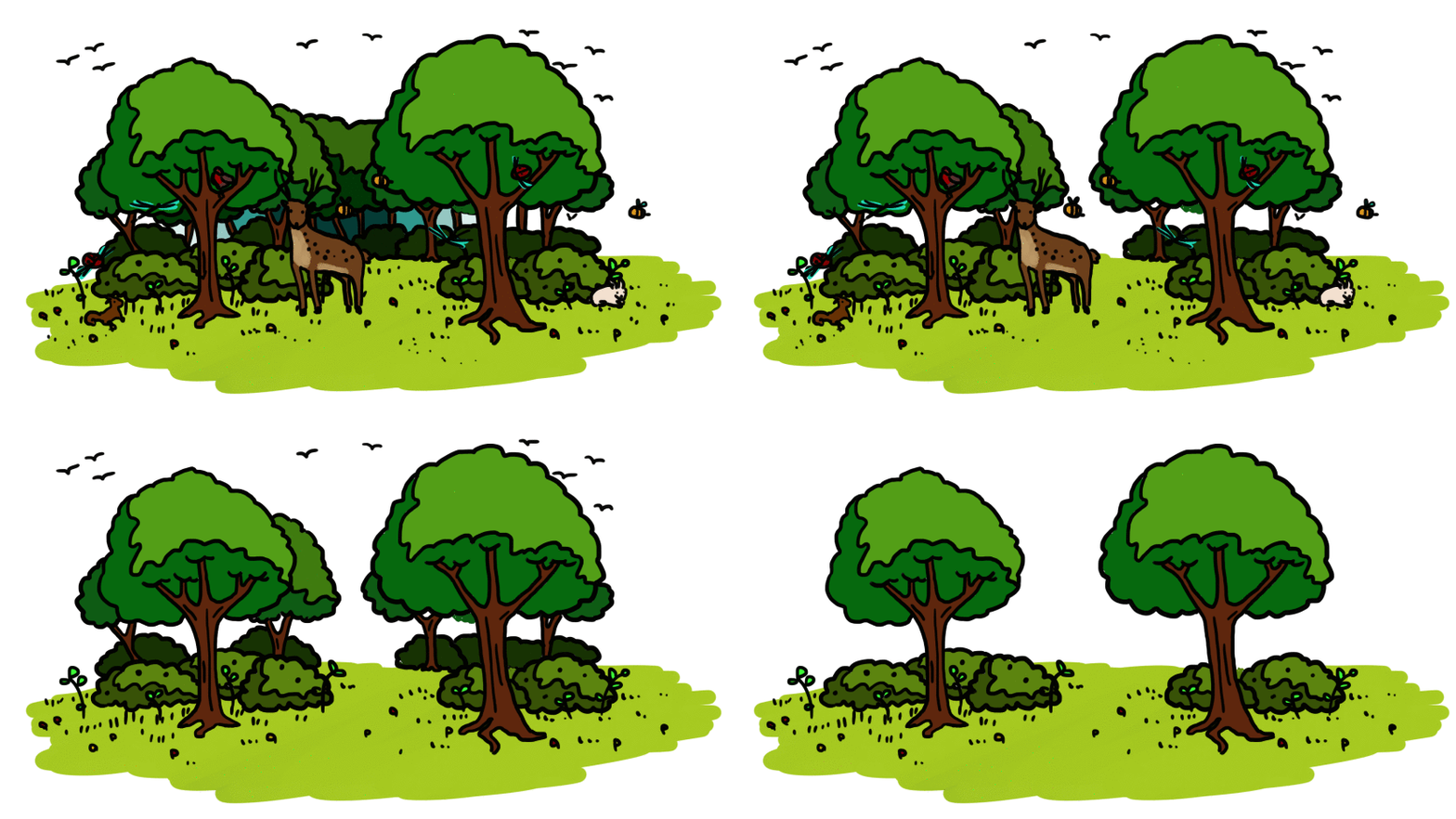
Biodiversity loss is a direct consequence of climate change, we want to offer a tool that will track its evolution to get a better understanding of how it works. (based on the Biodiversity AXA challenge)
What it does
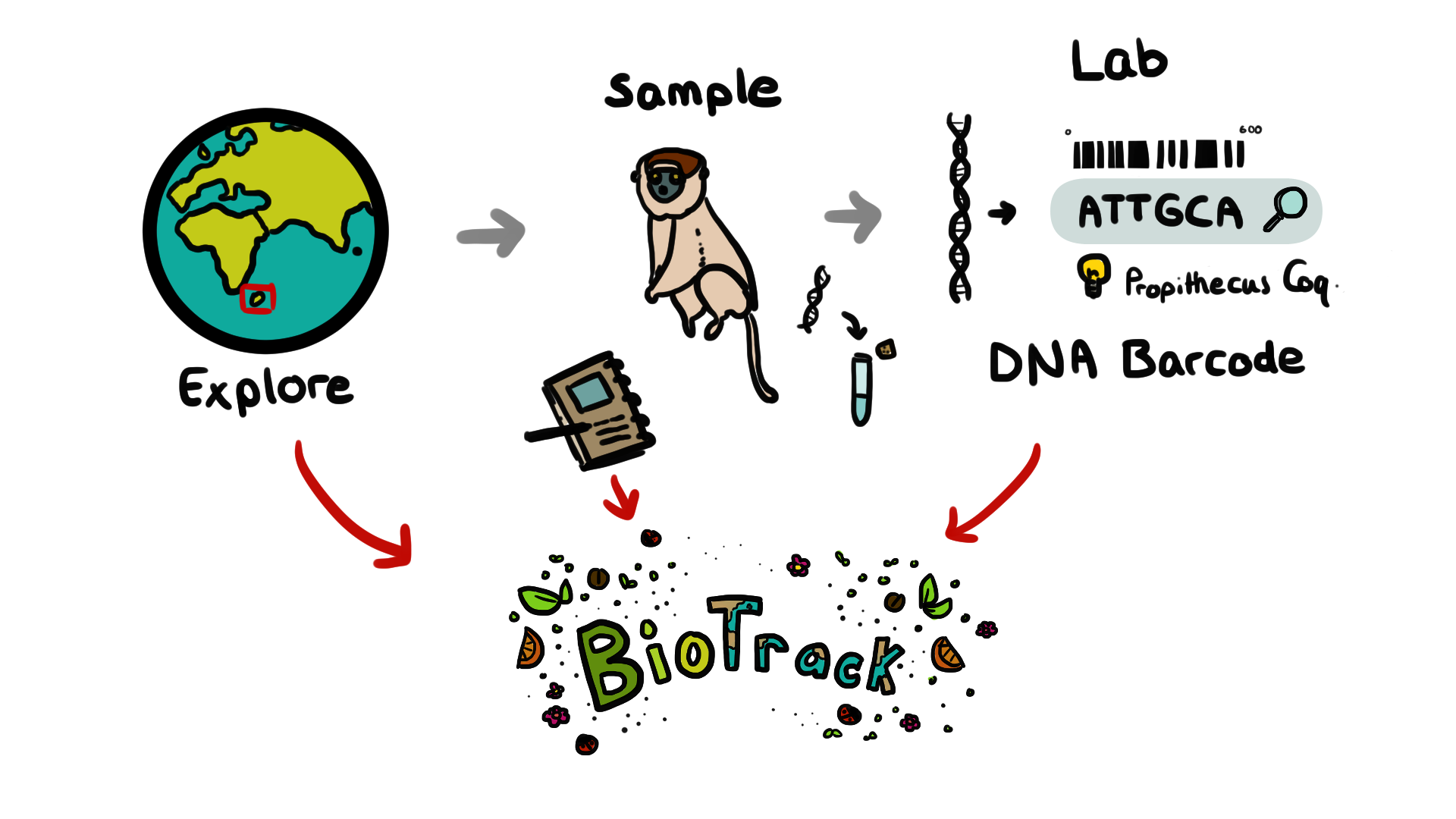
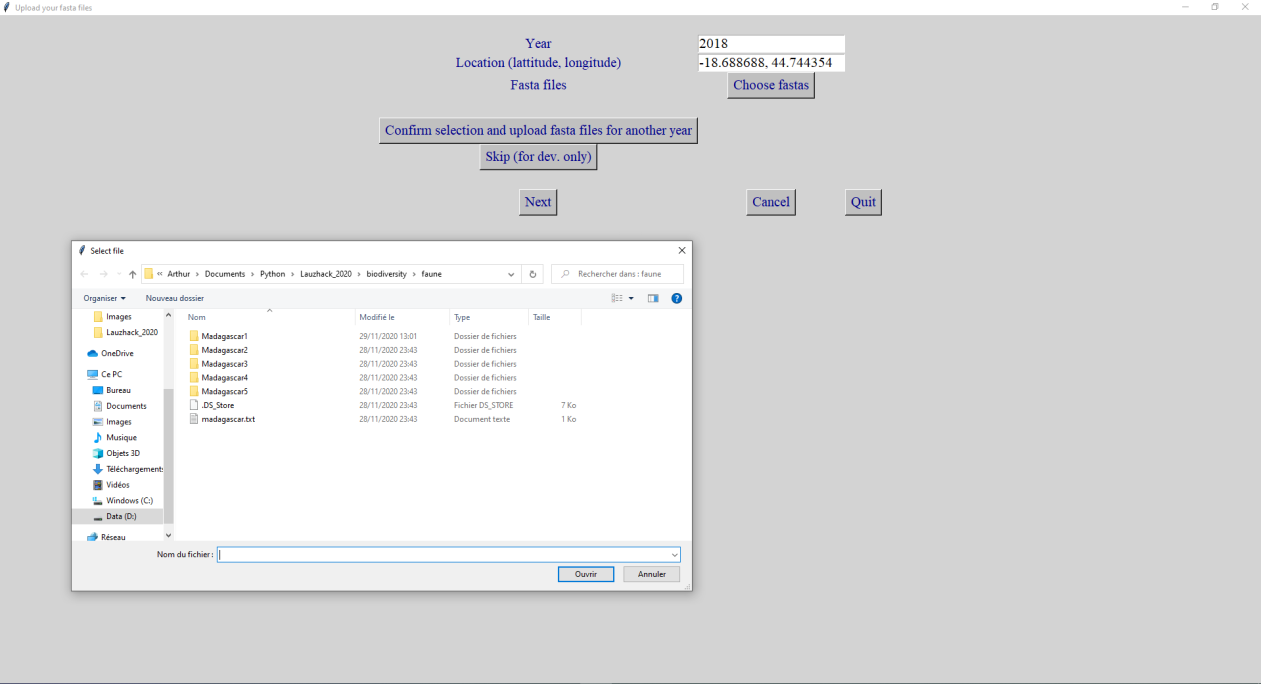
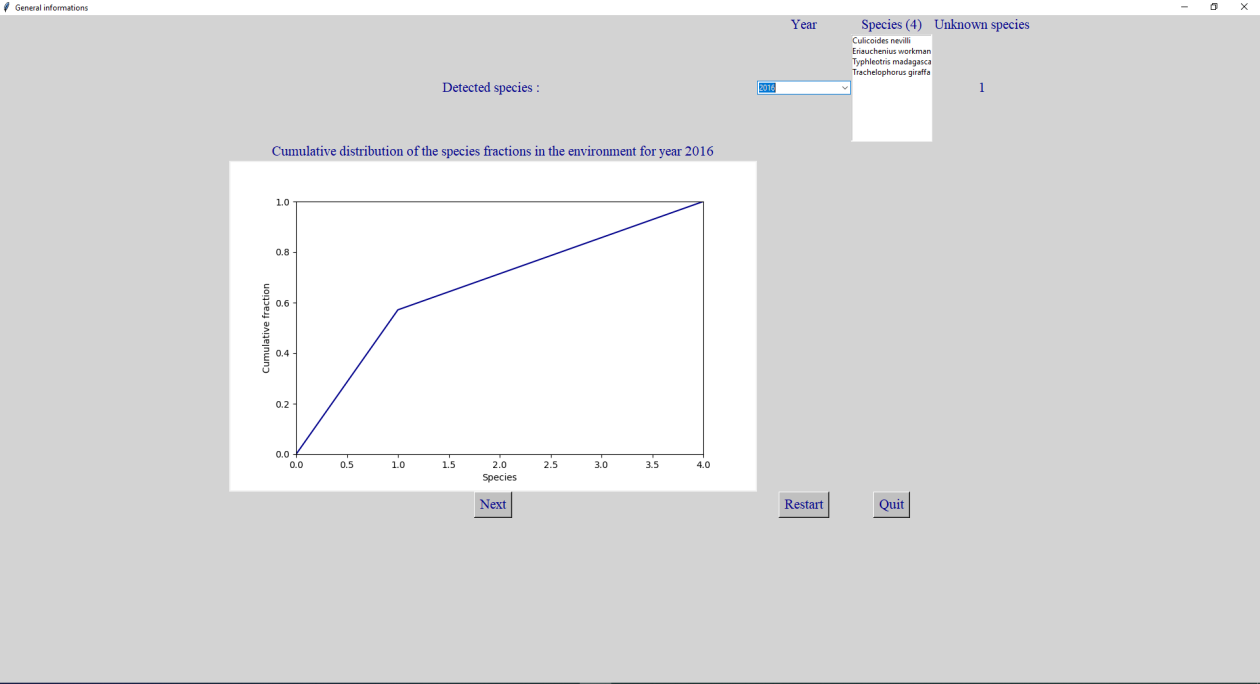
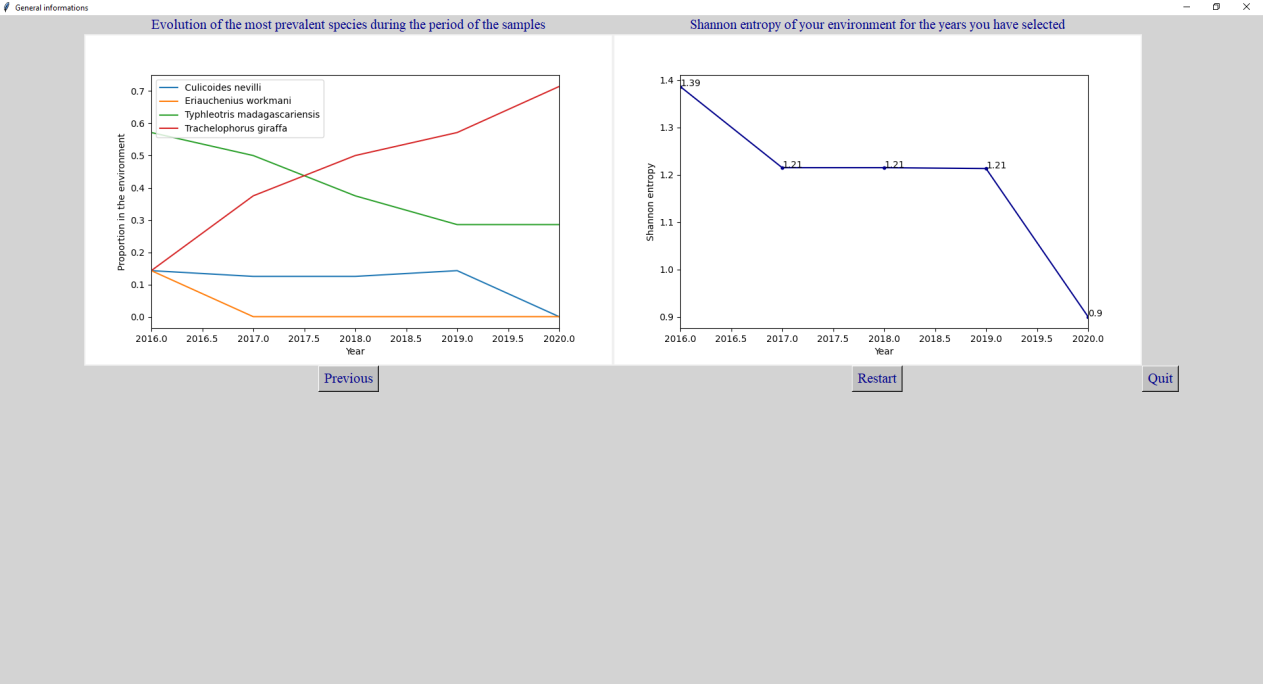
The first step is to collect data on the field. The person can collect the species names, or collect DNA that will be analyzed in a lab. The lab will provide with the DNA barcodes of the samples, which is a small part of the genome that is used to identify species. The next step is to enter this data into BioTrack, it will identify all the species thanks to the DNA barcodes, quantify the environment biodiversity and plot its evolution through the years.
How we built it
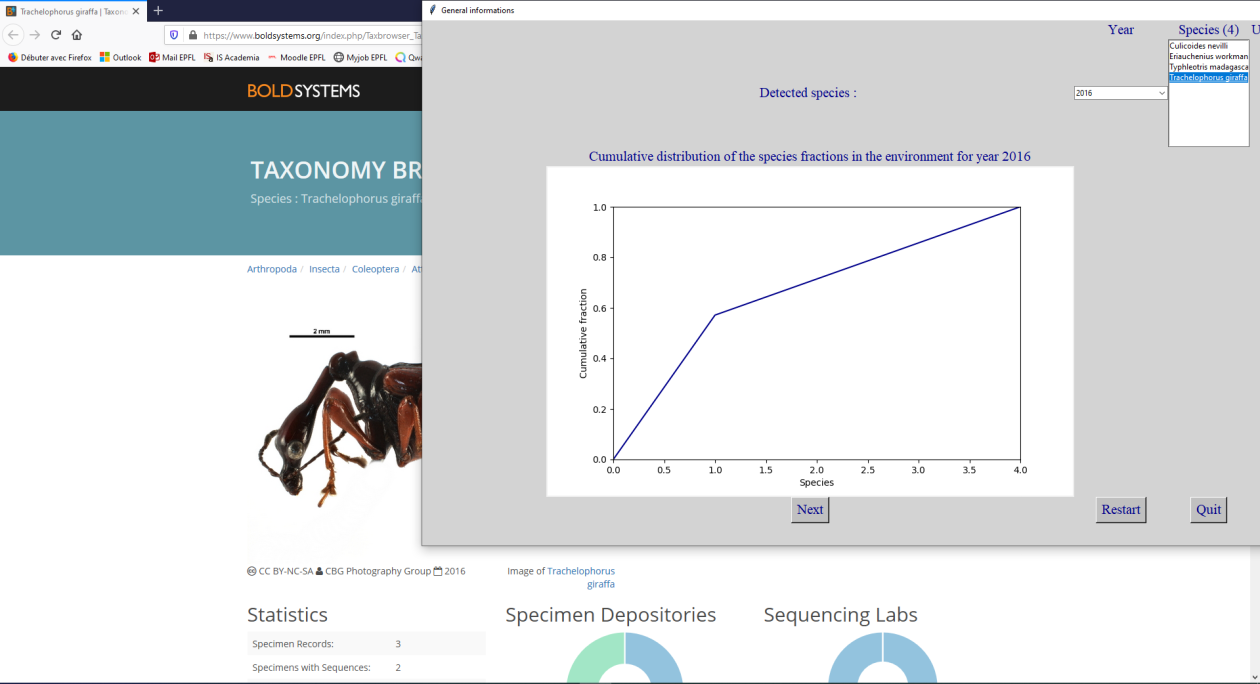
We used BOLDSYSTEMS, a database that contains the DNA barcodes of all identified species in the world. The DNA sequences from the field is introduced in this database in order to identify the species.
Challenges we ran into
The plant database is more complex than for animals. It is due to the barcodes that are more difficult to obtain.
Accomplishments that we're proud of
We managed to link an existing database commonly used by biologist to a tool that would benefit them. BioTrack is also accessible to non biologist as long as they are able to identify species. You could even track the biodiversity in your garden!
What we learned
We learned that DNAbarcoding is a tool used to create species taxonomy, it is well used for animals but some there are still some challenges in plants.
What's next for BioTrack
Collect biodiversity evolution around the world. BioTrack would also allow to discover new species! unknown DNA may be from an unknown species until now.


Log in or sign up for Devpost to join the conversation.