Our Story
As the effects of climate change worsen, global temperatures rise, leading to widespread impacts on communities and livelihoods. Wildfires can cause devastating effects on economies, agriculture, tourism, and local homes.
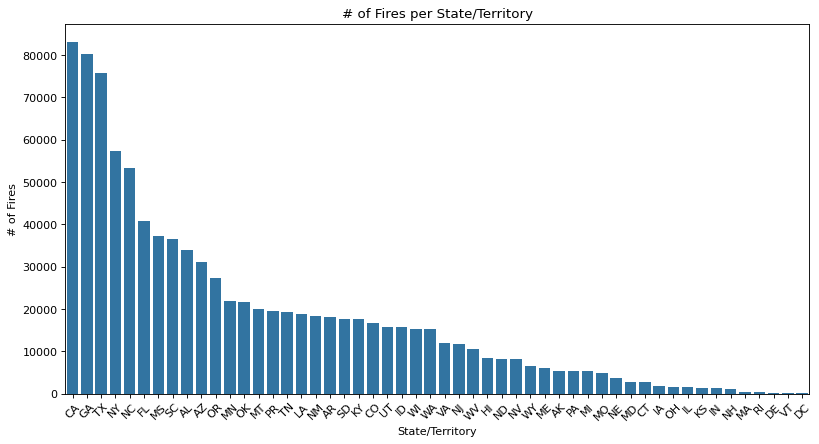
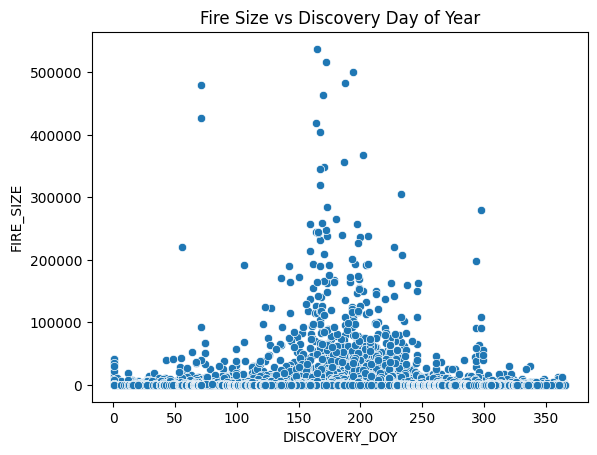
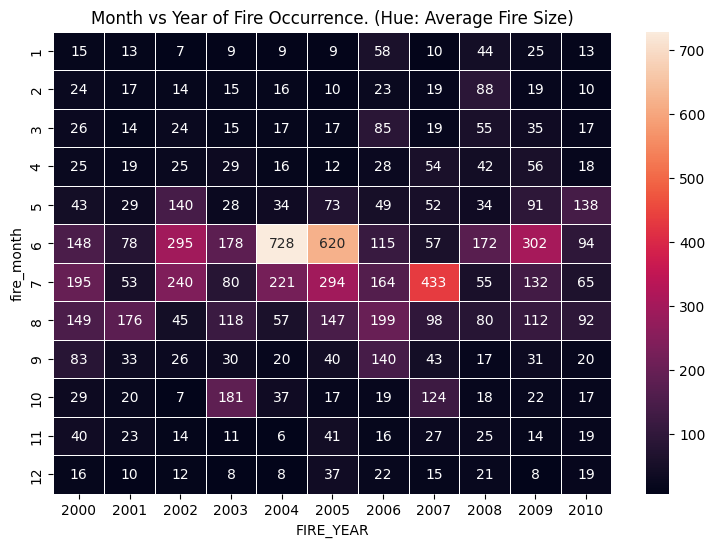
Given a dataset with a plethora of information we turned to machine learning to help mitigate the spread of wildfires. After visualizing some of the data in the dataset we started to see some correlation between some variables and the size of wildfires.
So we decided to use those variables to train a random forest model to predicate the size of a forest fire depending on the variables that was passed into it. Random forests or random decision forests is an ensemble learning method for classification, regression and other tasks that operates by constructing a multitude of decision trees at training time. It is an architecture known for its versatility so we decided to use it.
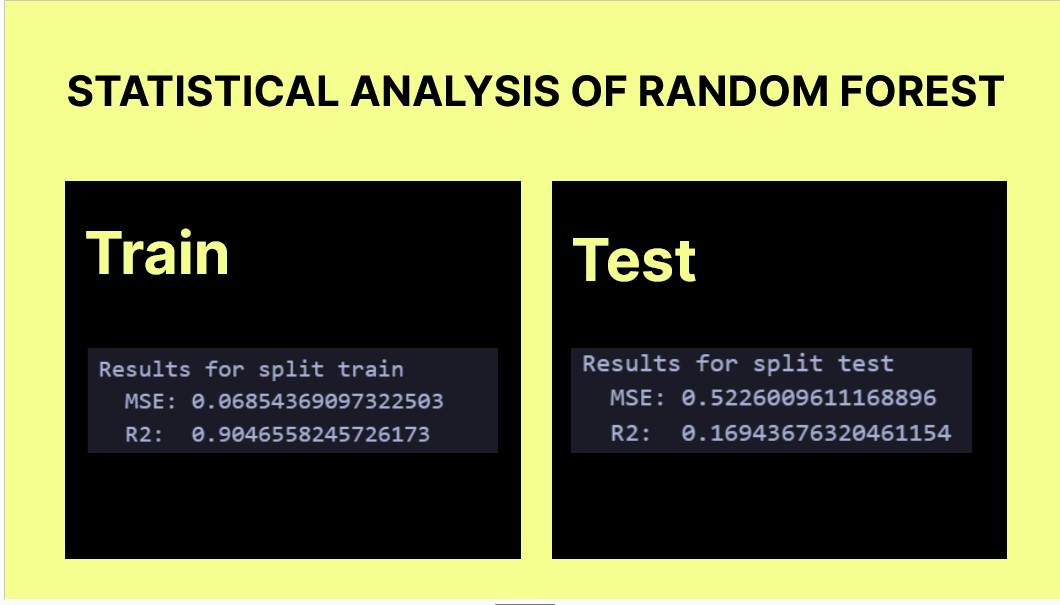
As with many projects, we ran into our fair share of complications. Complications ranged from simple syntax errors to coming up with creative ways to make the model not over fit.
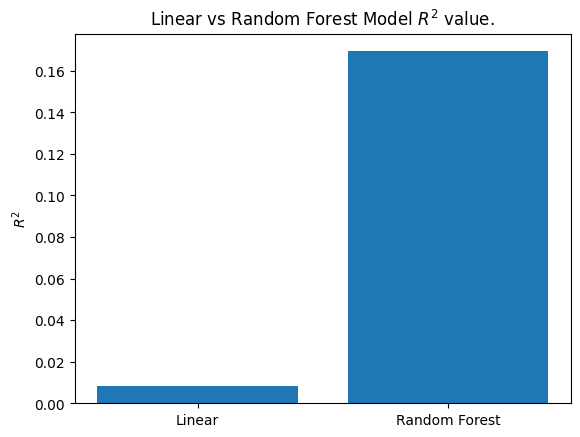
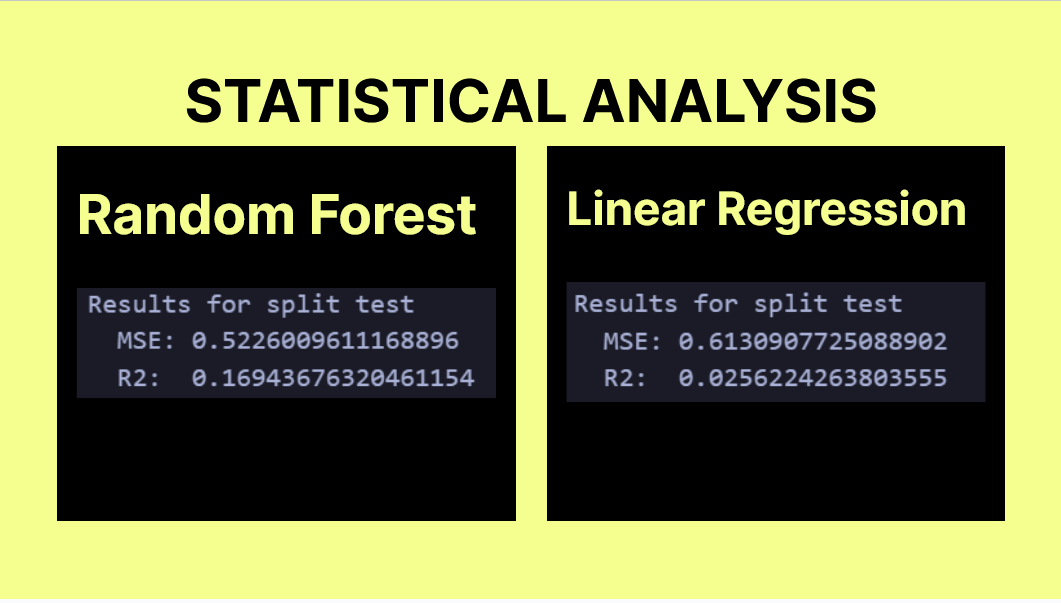
In the end we were able to implement a model that performs adequately towards the task. Comparing the model to a simple linear regression model we see that it performs 20 times as better.
As technology seeps into every field in the world and the fear of Artificial Intelligence worsens, we decided to brace the intersectionality and work along AI, not against it. We concluded that AI & Machine Learning can help mitigate the start & spread of forest fires by providing predictive information to those who fight them.
Future development of this project could be the further improvement of this model. Ranging from more training to improve accuracy or the introduction of more input variables to increase versatility. Still, as Smokey the Bear said, "Only you can stop forest fires".

Log in or sign up for Devpost to join the conversation.