-
-
Psyche - created for HackSC 2020
-
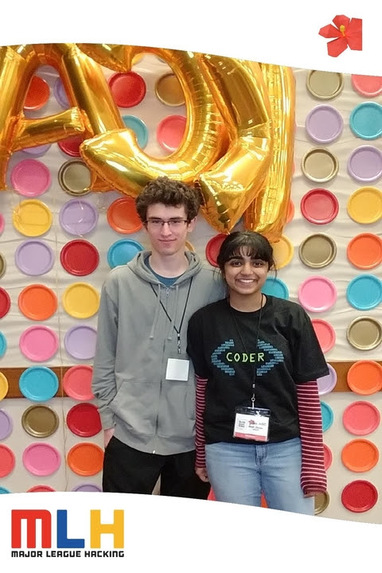
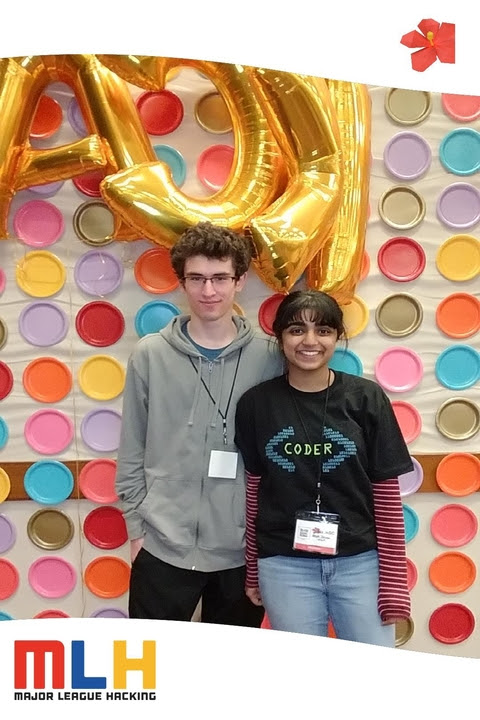
US! The creators :) having fun at HackSC
Inspiration
Most people want to help those around them whom they may notice are suffering, upset, or are unable to share their true feelings. Most people suffering from a mental illness or dealing with mental health issues want someone to support them and help them solve their issues. Currently, neither group can successfully, efficiently help each other understand what they mean because they are unable to COMMUNICATE properly. Unhealthy responses to situations we face in real life are what cause friction between people, and leave them feeling like they are not understood, whether they are trying to help or need help. This is a problem that needed to be hacked!
What it does
Psyche tackles mental health by placing the player into situations in which they will be confronted by their own or others’ mental health issues, and will learn through experience the healthy responses to daily challenges. Players will also learn how exchanges with others that they may take for granted can be difficult for others with different mental health issues to handle. The situations will reflect situations that could arise in real life, and the game will function as a space without real-life consequences, where the player can approach the situations and learn how to properly communicate their empathy, thoughts, feelings, and needs to others while moving through life's challenges.
How we built it
We used the Unity Game Engine and Visual Studio to develop Psyche, because we feel that video games can be an effective way to educate people about mental health, especially through simulation. To weave the story in each level, we used the YarnSpinner package to develop a dialogue between the player and the character. This dialogue is the core of Psyche. Through interacting with the characters as well as seeing the potential thought processes of people in the situations, we encourage the player to gain a deeper understanding of their fellow humans and their mental states.
Challenges we ran into
As we had limited experience with Unity, were first-time users of Yarn Spinner, and did not have a team member dedicated to graphics, we spent a lot of time figuring out the basics of the game and how to merge dialogue with visuals. This did not allow for extensive development of levels in the game, as well as polished graphics.
Accomplishments that we're proud of
We are proud of learning through the challenge, and gaining more experience with Unity and Yarn Spinner. Having a demo that reflects our initial vision for Psyche and the simulation aspect we were hoping to create is an important achievement for us. We are also proud of our clarity of vision through our first hackathon ever.
What we learned
While researching for and writing the dialogue, and seeing which responses we chose in the playthrough, we learned more about ourselves and our mental health.
What's next for Psyche
For Psyche to truly achieve its full potential as a simulation of real-life, the player must be able to share exactly what they feel with the characters in the simulation, whether through typing their own responses into a chatbox (potentially automated by UIPath, which we looked into at HackSC), or through more varied dialogue options that reflect a larger number of responses to the situations. We see AI in the future of Psyche, as personalized interaction in the scene based on the players' responses would add greatly to the realistic aspect of the game. Beyond ideas for integrating novel technologies, we first aim to expand the scope of Psyche's different scenarios, to address further mental health issues, such as giving/getting help to those who need it.
Streamable link:
Built With
- c#
- unity
- visual-studio
- yarnspinner


Log in or sign up for Devpost to join the conversation.