-
-
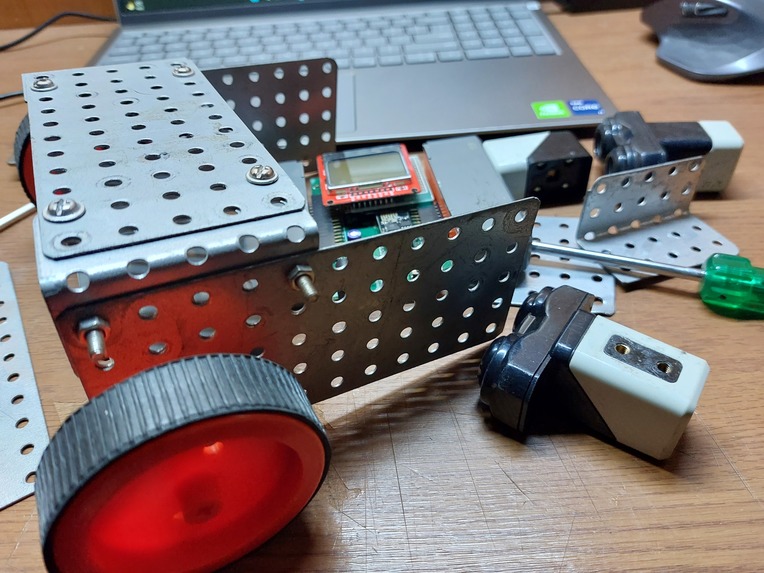
construction
-
-
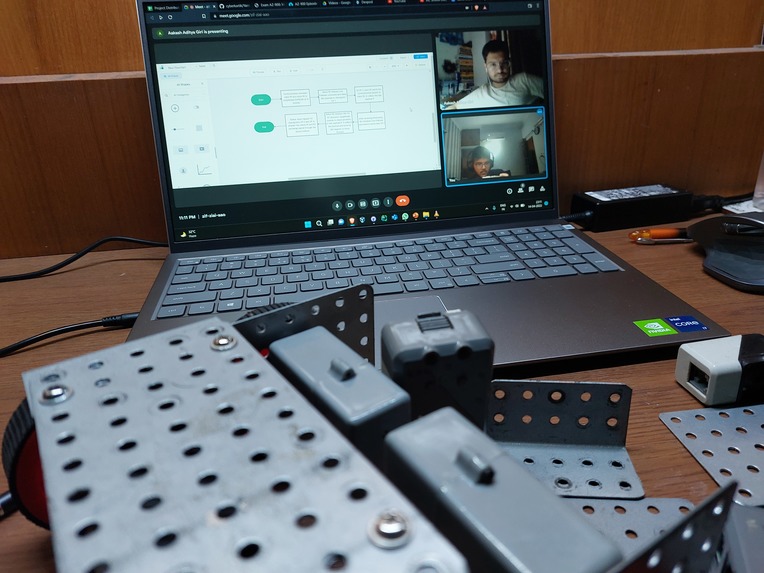
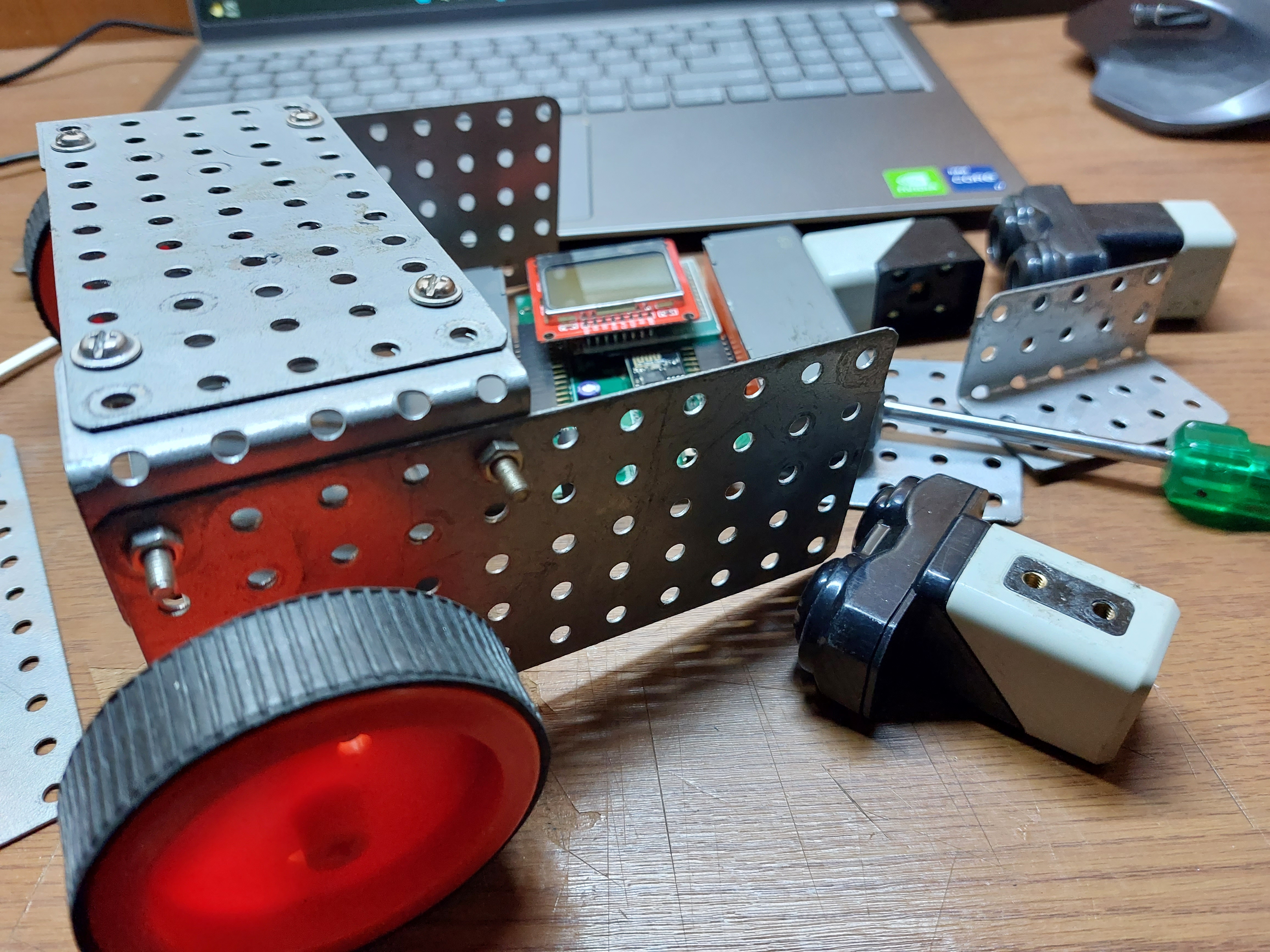
Project Yantra
About our Project
We made two robots which through communication would advance the supply chain management systems and reduce the time between the various logistical processes.
We are a team purely made of first years . We strive to make innovations in the field of Internet of Things (IoT).
Inspiration
The purpose of our study is to research and identify intrinsic and extrinsic motivations but also their impact on the behavioral intentions of using Internet of Things (IoT) solutions among company managers in India in the future. The research method used in the quantitative study was the sample survey.
What it does
We are developing a working model of 2 robots, Both of them can communicate with each other using WIFI, and can manage to transport logistics in a given time complexity,
How we built it
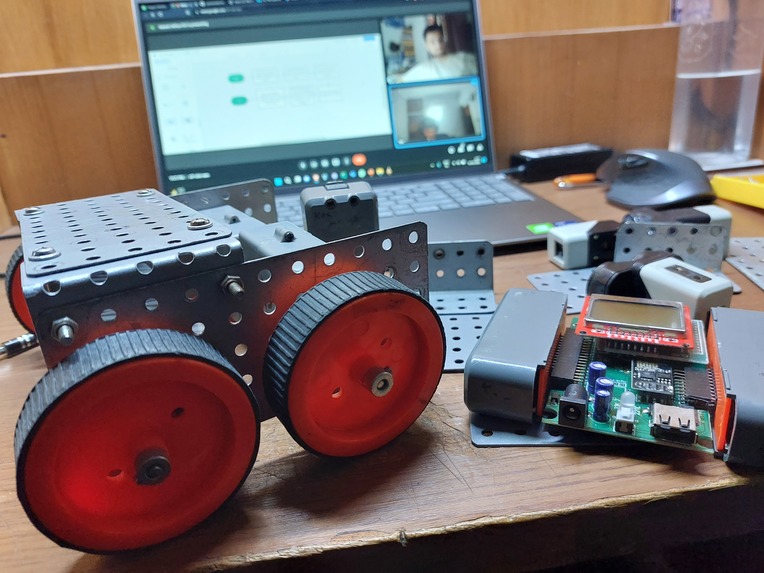
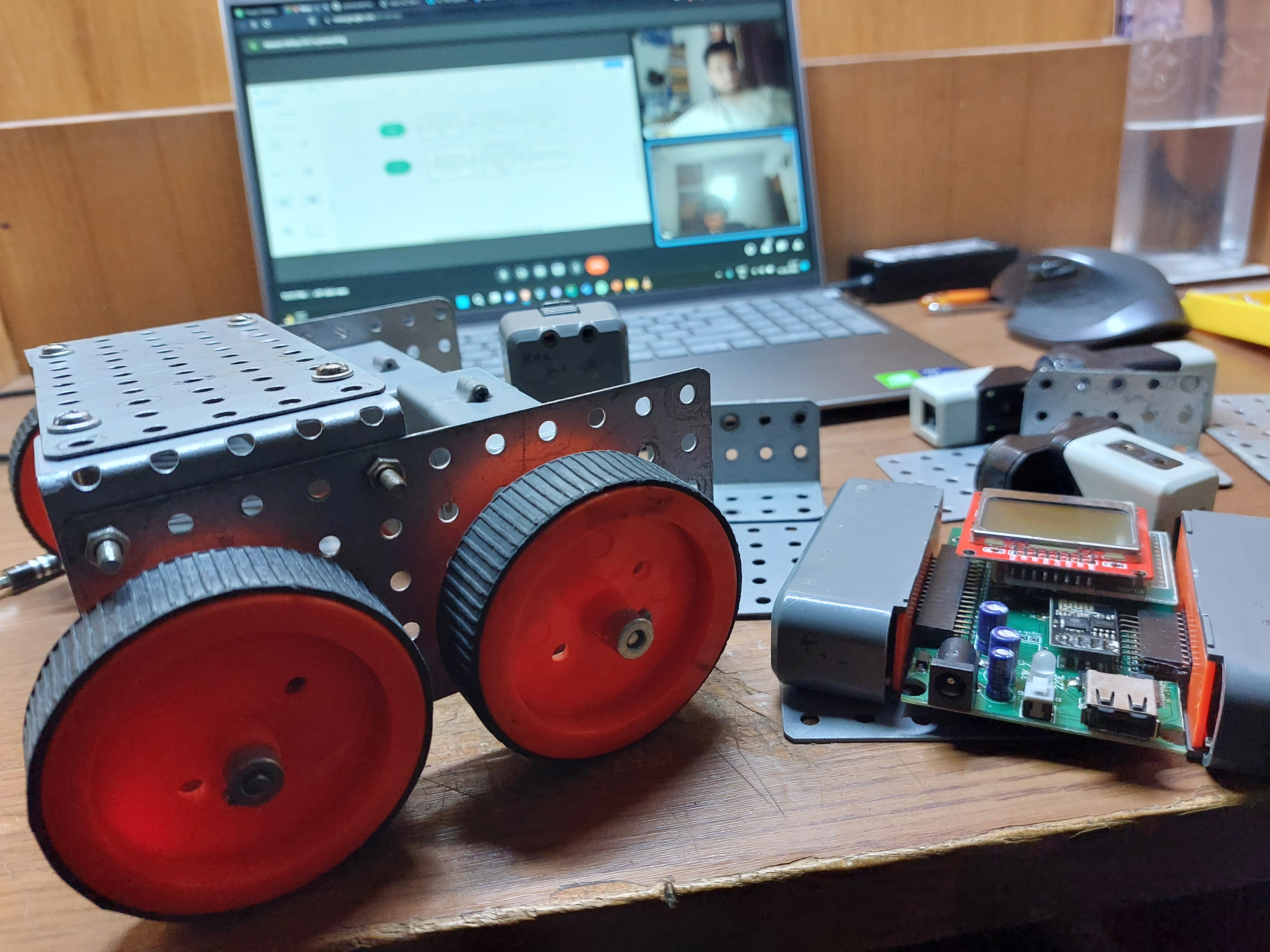
We have build our project using Arduino compatible self designed boards, Metal parts (for stability) and plethora of sensors for increasing the fault tolerance. Entire project is coded with Arduino IDE
Challenges we ran into
Main challenge was in designing the track on which our project would work, Next big issue was weight balancing for the bots as speed plays a vital role in the project.
Accomplishments that we're proud of
We are really delighted that we were able to bring our idea into action, This project has the potential to solve a real world problem and reduce time for logistics system.
What we learned
We got to know about numerous things like, Working with mechanics, Coding in C++ based Arduino IDE. The most important part, We got to learn about team building skills.!
What's next for Project Yantra
Next, We would try to optimize our bots and make them as better as possible.
How it works
-> Robot R1 moves the test payload P from the initial area to checkpoint CP-1.
-> Robot R2 picks up P, turns by 180 deg and moves linearly from the checkpoint CP-1 towards checkpoint CP-2.
-> It then delivers the payload at checkpoint CP-2 where Robot R1 has arrived from the curved blue track and communicates its with R2 for payload collection using the ESP8266 WiFi module.
-> Then after collection of payload, robot R1 travels linearly to checkpoint CP-3 while robot R2 makes its way to the same using the curved green track and awaits the delievery of payload P by robot R1.
-> Finally, robot R1 delivers the payload to robot R2 and ceases operation at the waiting area before CP-3.
-> Meanwhile, robot R2 collects the payload from robot R1 at CP-3 and turns by 180 deg to move linearly to the final area.
Impact
This will help us drastically reduce the time which is otherwise wasted in transportation and other logistical processes by shortening the time complexity of comunication between two automated transiting vehicles connected over an IoT system. It also provides an ambitious concept to further apply this system to a hive of such transportation robots which shall help in creating a seemless and quick logistical enviroment within the warehouses of a factory.
Materials Used
-> ESP8266 WiFi module used for establishing an IoT connection between robots R1 and R2.
-> A custom microcontroller based on Arduino Uno and programmed in Arduino language.
-> HC-05 ultrasonic range finder module.
-> TCS3200 color sensor module for perfectly sensing the colour specified pathway for travel done by the robots R1 and R2.
-> Generic metal parts for building the chasis of R1 and R2.
-> 7 cm barrel, 1000 rpm encoded DC motors with RJ45 connection and TC and TX ports.
-> Generic four dual-channel, double-gripped wheels with 2.5 cm radius wheels to provide more stability and traction on the rubber surface used in testing.
Specifications
-> Robots R1 and R2: weight = 1.6 kg
dimensions (l x b x h) = 15 cm x 15 cm x 10 cm
payload capacity range (min - max) = 0.4 kg - 0.6 kg
-> Test Payload P: weight = 0.4 kg
-> Arena dimensions: 6 ft x 12 ft
Chasis Construction
-> Square Plates x 3, dimensions = 5 cm x 5 cm
-> Rectangular Plates x 3, dimensions = 5 cm x 10 cm
-> Generic Small L-angles x 3, dimensions = 2.5 cm x 5 cm x 2.5 cm
-> Adequate amount of screws and bolts are required for joining the various components.
Power Supply
-> 9V DC rechargeable battery
-> Working duration (min - max) = 3 hrs - 4 hrs (depending on the mass of the test payload)
-> Recharging time of the battery = 45 mins - 1 hr
Achievements
-> Won the Devspace 2022 Best Freshers Team Award!


Log in or sign up for Devpost to join the conversation.