Inspiration
A few of our group members came together this year in hopes of a fresh start after we enjoyed the previous year's HackCWRU 5 competition, with one of us having taken a recent interest in retro Nintendo games and all of us in gaming and hacking. In addition, one member had attempted a strikingly similar project in their high school days to little success. The proposal seemed almost fated as a chance for redemption and a way to satisfy the hacker itches of a group of nerds.
What it does
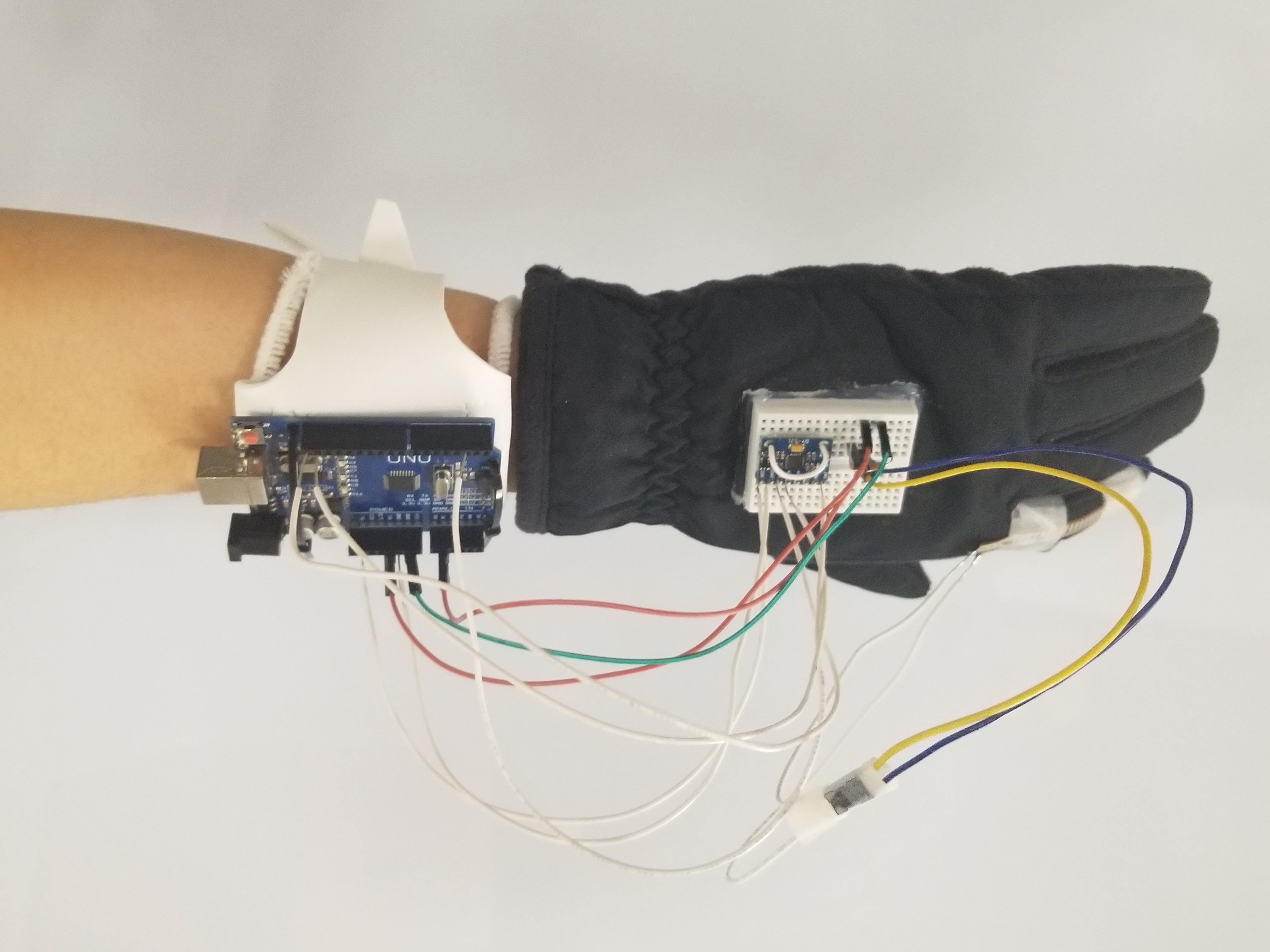
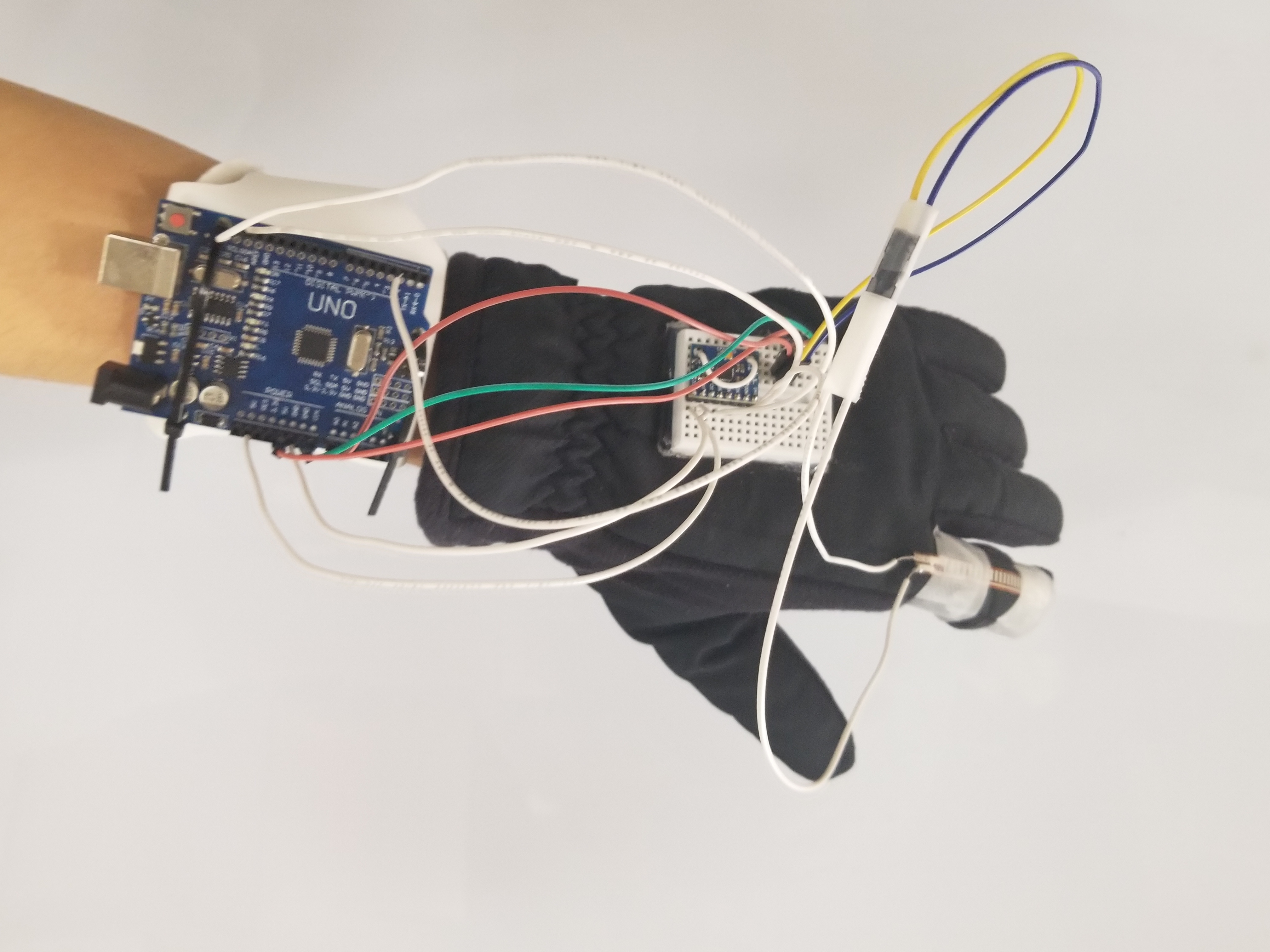
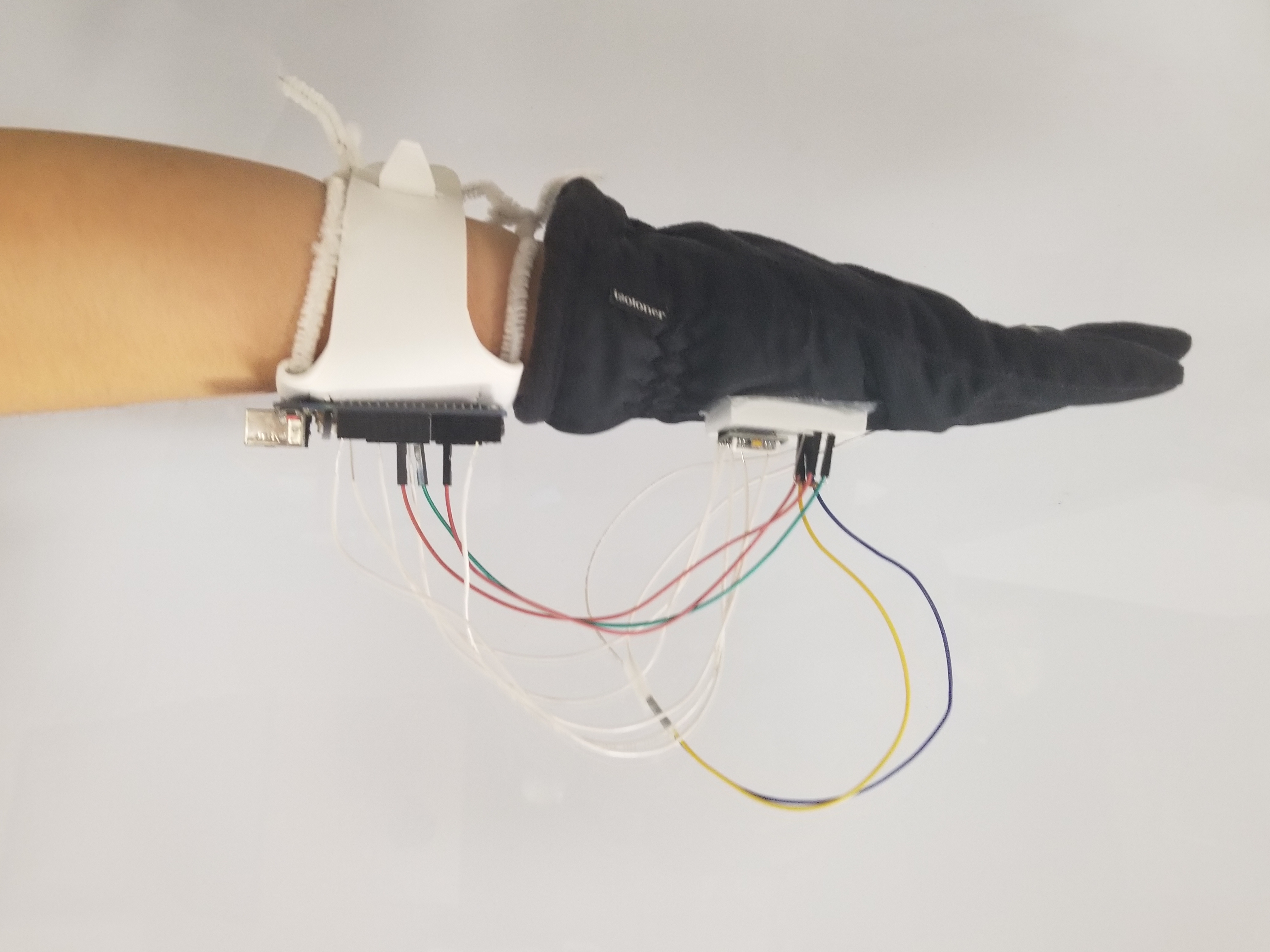
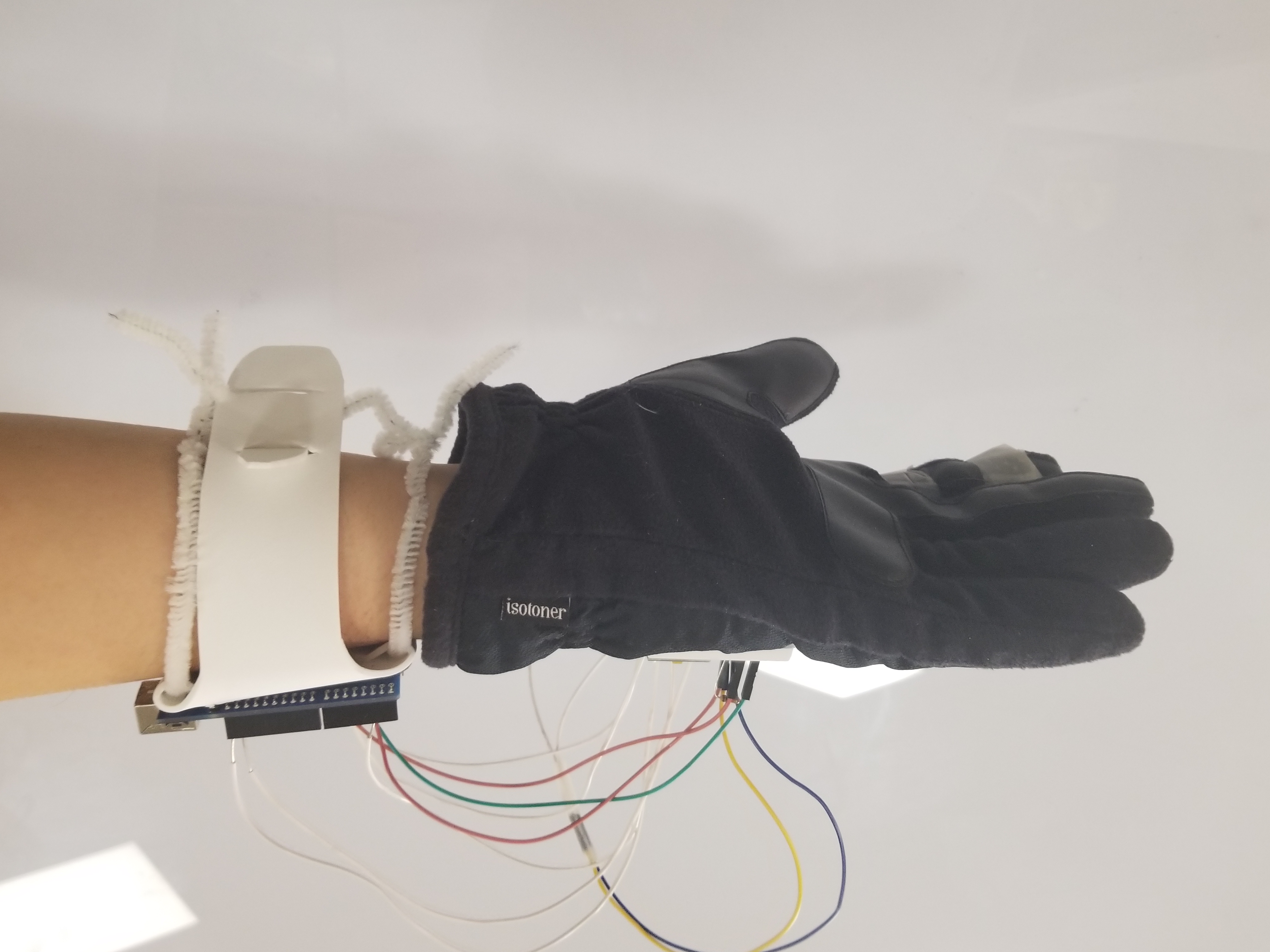
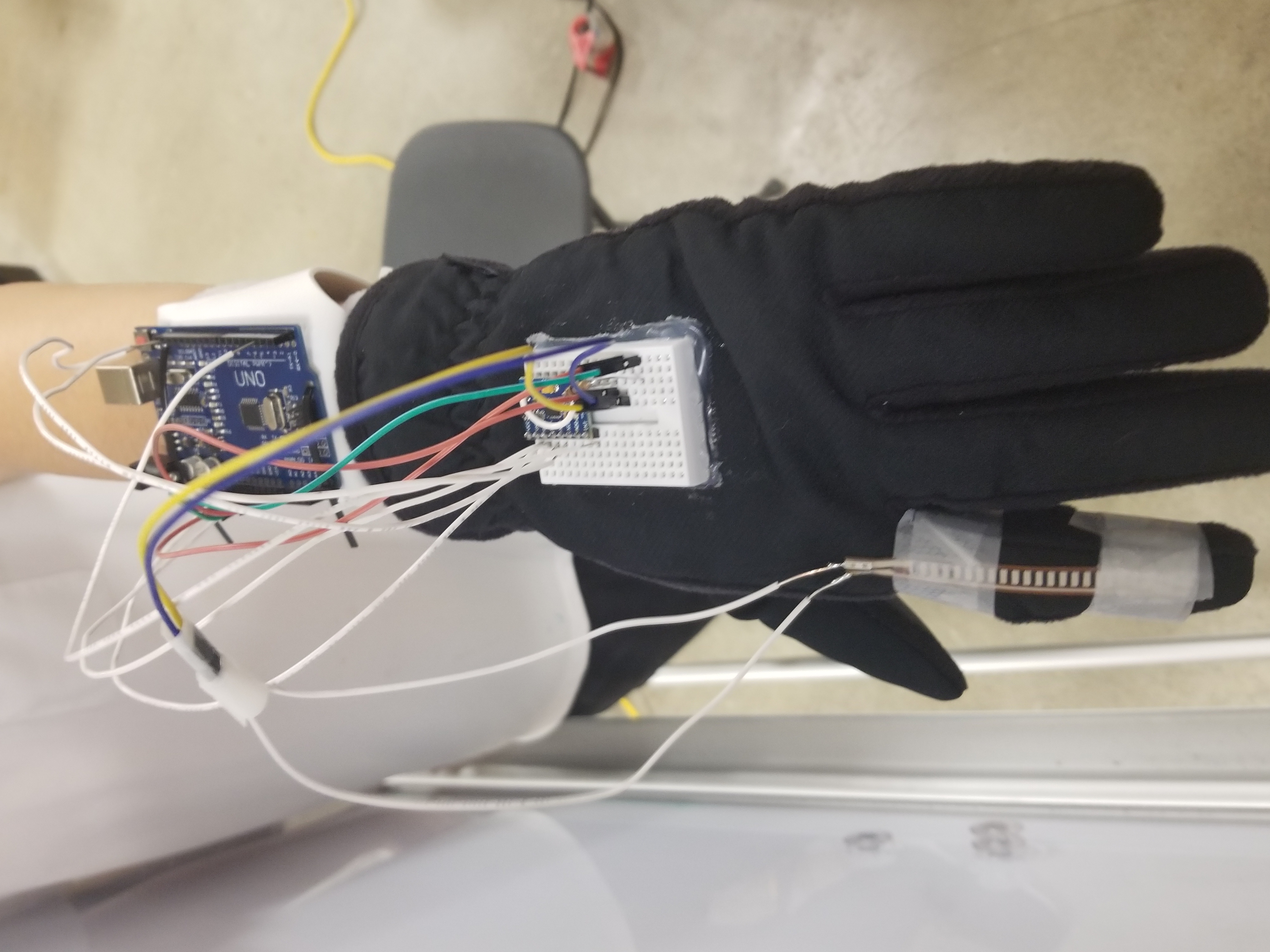
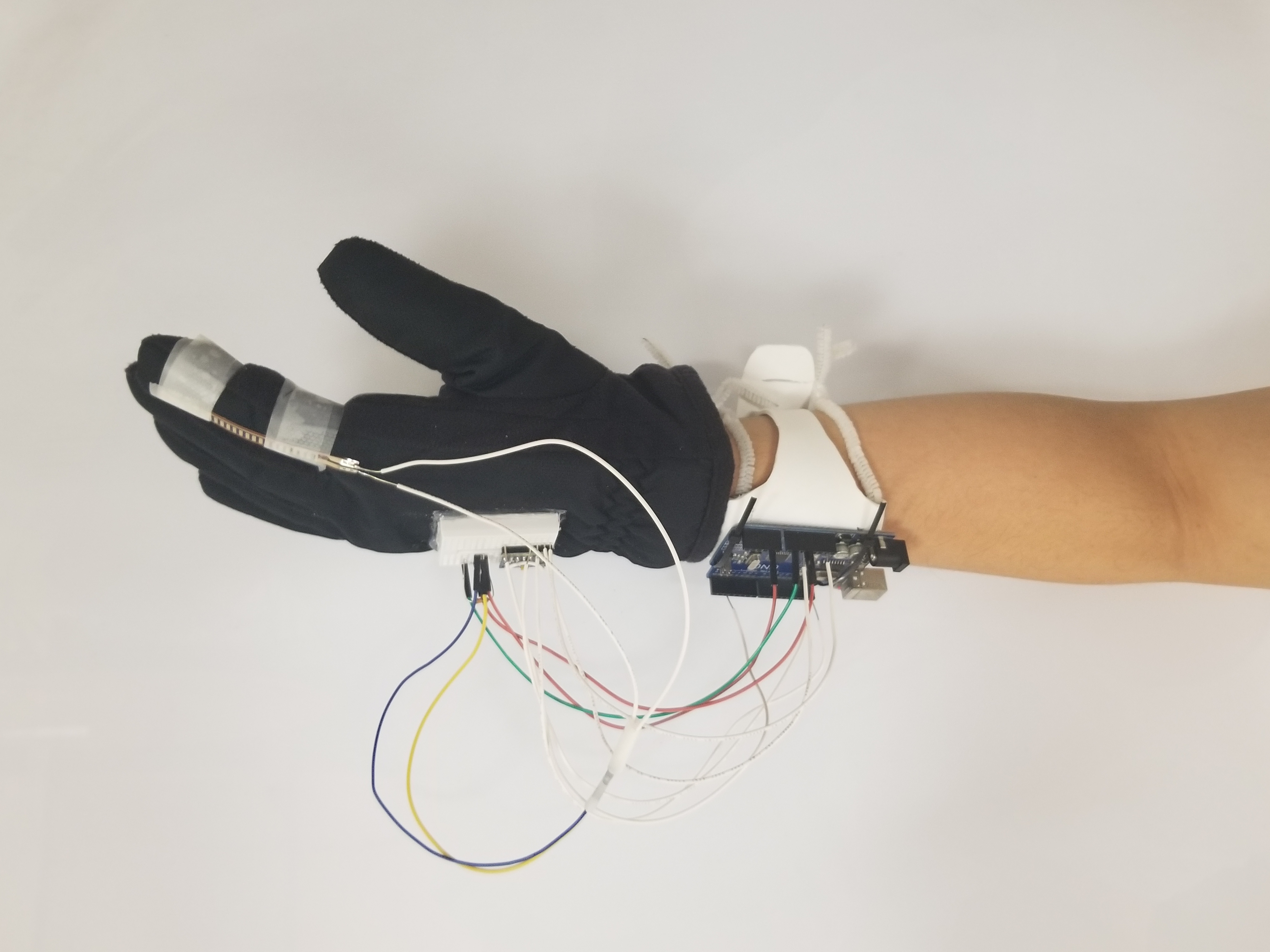
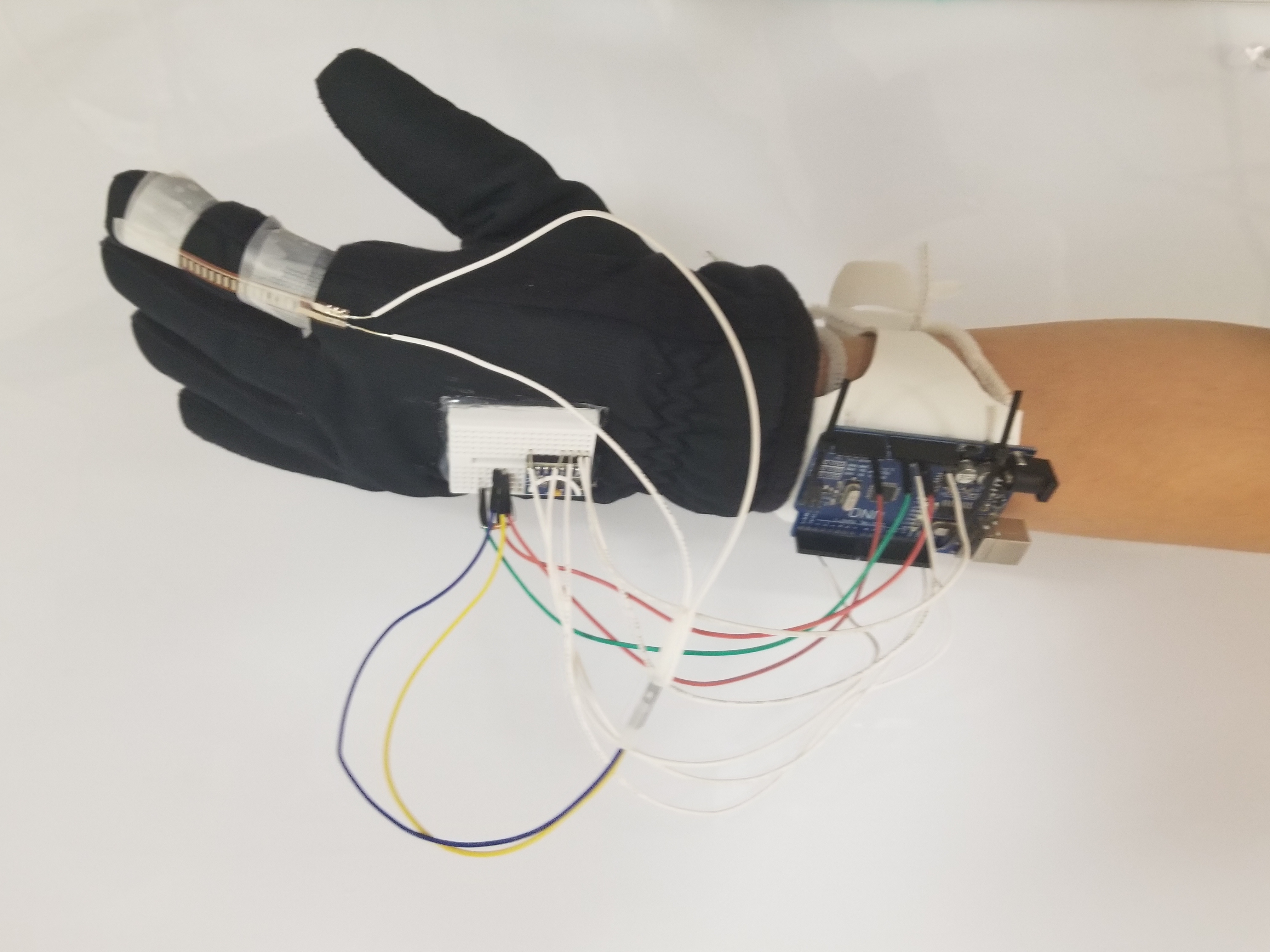
The Power Gauntlet uses various sensors and an Arduino to interface with a computer and overwrite its mouse and keyboard inputs with our choice of values. It is easily customizable, but the setup we've found most useful maps glove rotation to mouse position on the screen and the bend of a finger to a simple left click.
How we built it
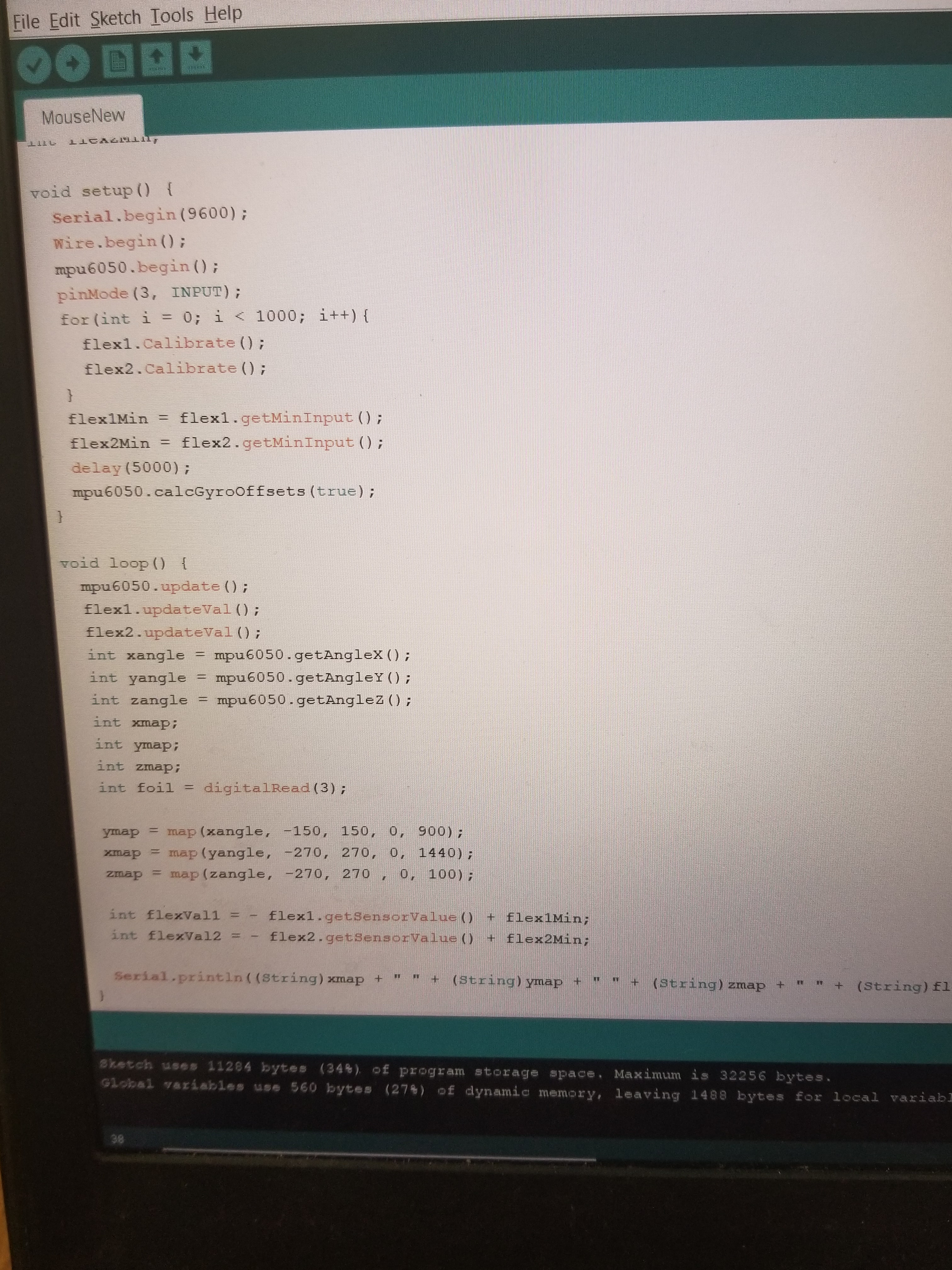
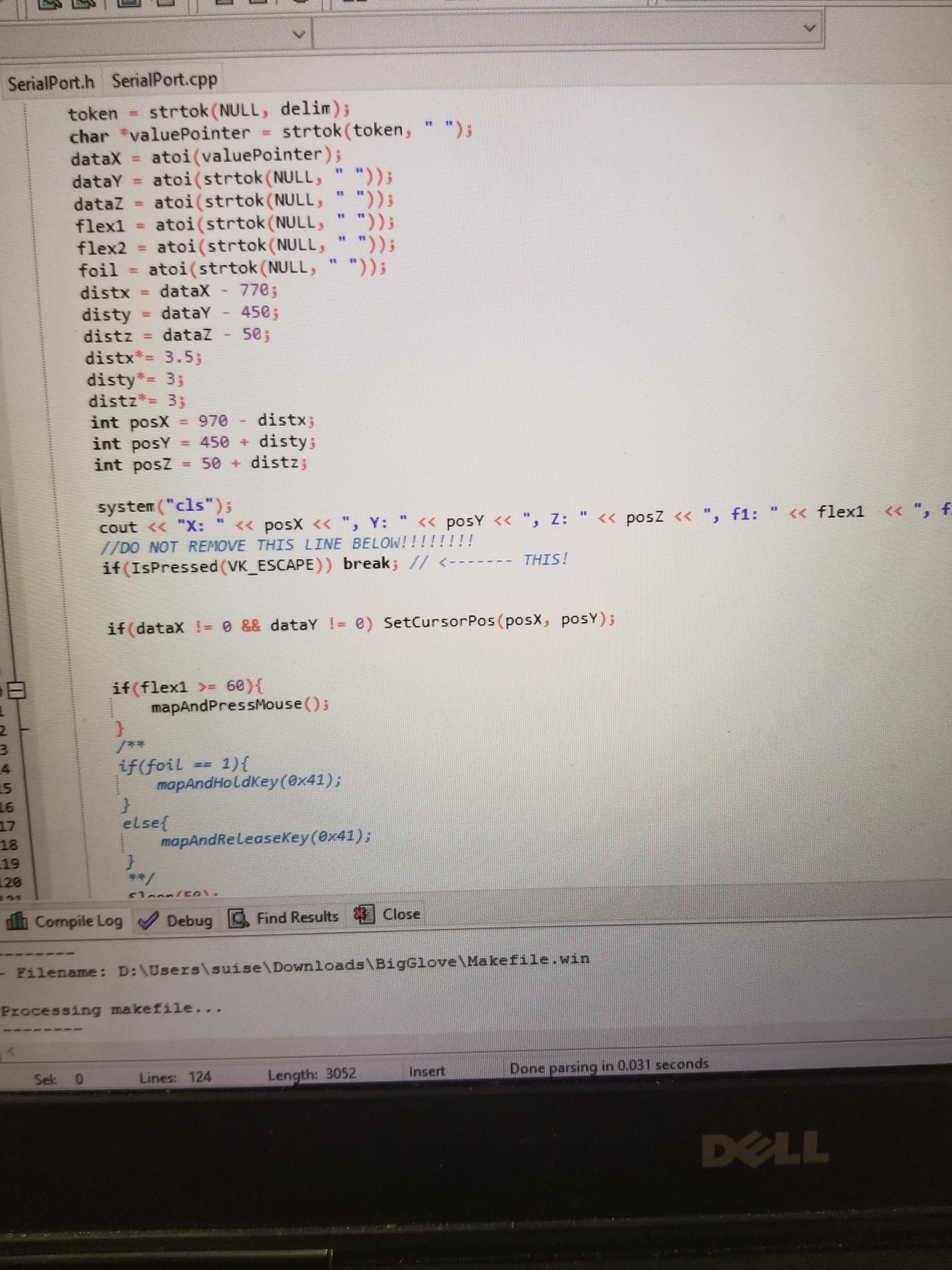
The stars of the project are the MPU-6050 Dual Accelerometer/Gyroscope chip and an Adafruit flex sensor, which detects the changing resistance of a metal strip in response to bending into an analog signal that can then be read and processed. They interface with an Arduino UNO and the standard Arduino IDE, which in turn interfaces with the Dev C++ basic C++ IDE. The latter environment is where the majority of the code controlling the computer lies and may be edited at leisure. The Arduino software's serial monitor is utilized to convert sensor values from numbers into a long string, where they are then exported to the C++ environment, parsed, and remade into numbers that a typical function can interpret.
Challenges we ran into
We quickly and unfortunately realized early on that the UNO board we had prepared for the project did not support the native Arduino mouse and keyboard libraries we had thought we'd be able to use to control the computer. This jumpstarted a massive change in the nature of our busywork and research that culminated in a clever, though tedious solution, thanks largely in part to the aid of HackCWRU staff. Though lesser in level of concern, we also had issues tweaking the MPU's angle calibration and developing a physical glove design that didn't immediately fall apart upon jostling it.
Accomplishments that we're proud of
It would have been easy to give up after learning the very foundation of our project had a critical conceptual flaw, but putting in about a half-dozen hours of research to circumvent the issue and persevere ended up paying off in the best way possible.
What we learned
Research is critical for any project, especially those involving detailed coding environments. Taking too lighthearted of an approach to deciding on a project may cause one to get in over their head without realizing what they're committing to. Nevertheless, it never hurts to give something an honest shot, even if it lies outside one's area of expertise.
What's next for Power Gauntlet
Had we progressed more quickly, we had originally intended to create several different sketches with various different control schemes, each specially tailored for a certain application, game, or control type. It may very well be worth the effort to create some control schemes post-competition for daily convenience. Further small tweaks that we discussed, but ran out of time to act on have the potential to make the glove responsive enough for genuine functional use in myriad situations and environments.
On the team end, we added some members and lost some members as compared to the previous year's Assemblers project, but the spirit of the group has always remained the same. We hope to get together again to face even greater heights during next year's Hackathon!


Log in or sign up for Devpost to join the conversation.