-
-
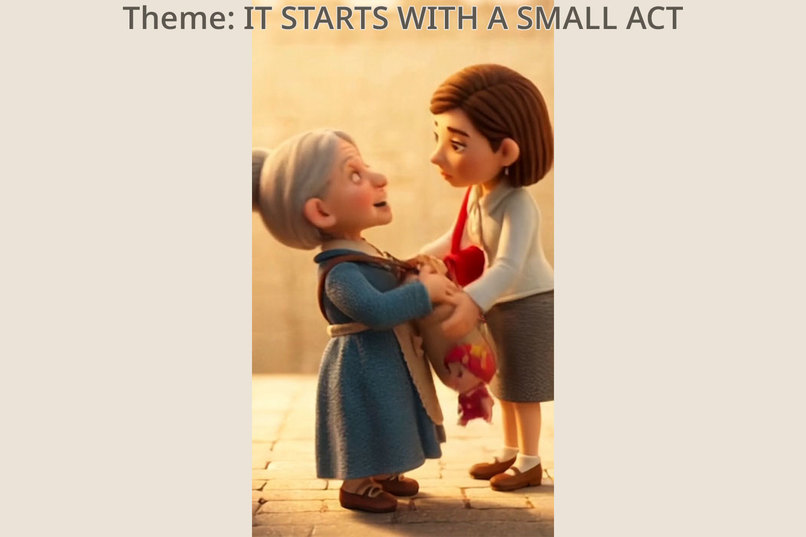
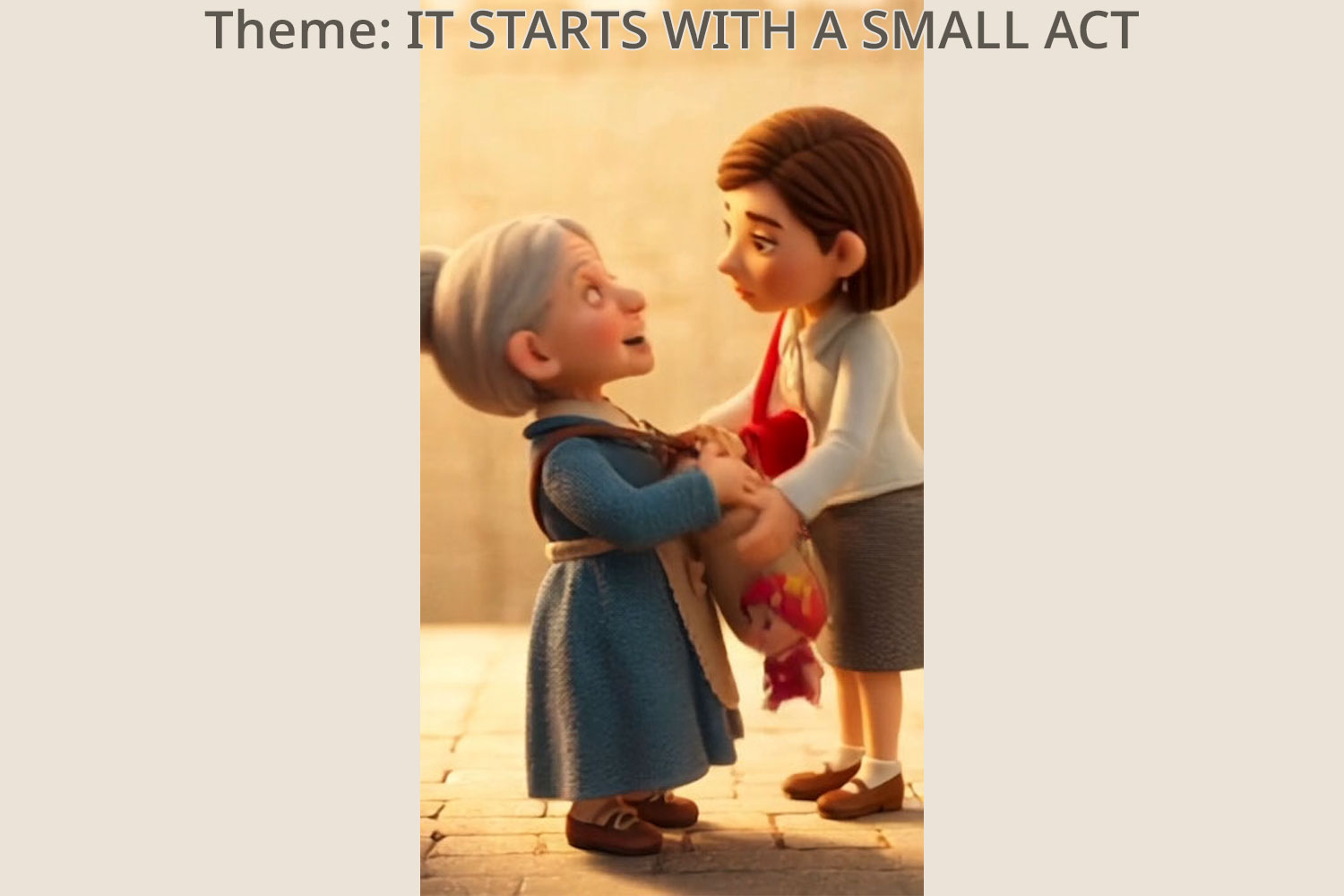
Theme: IT STARTS WITH A SMALL ACT
-
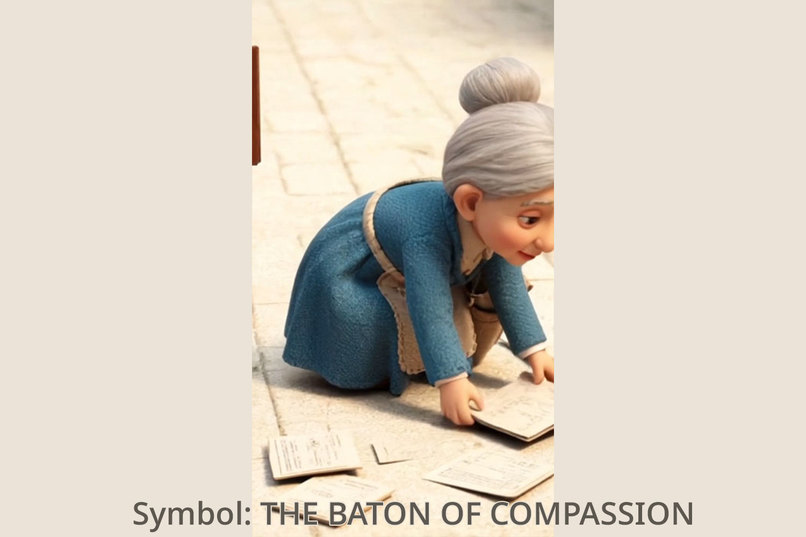
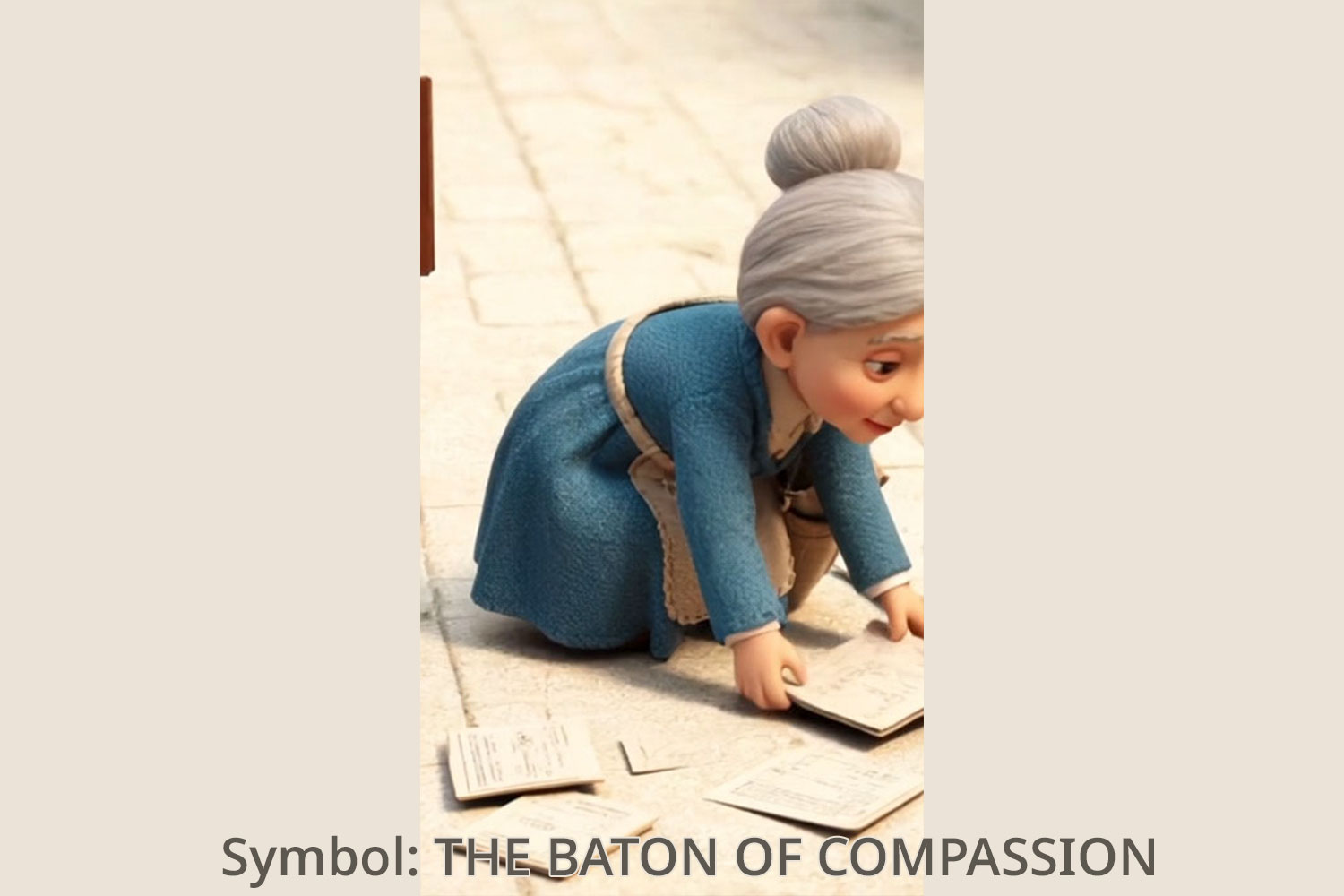
Symbol: THE BATON OF COMPASSION
-
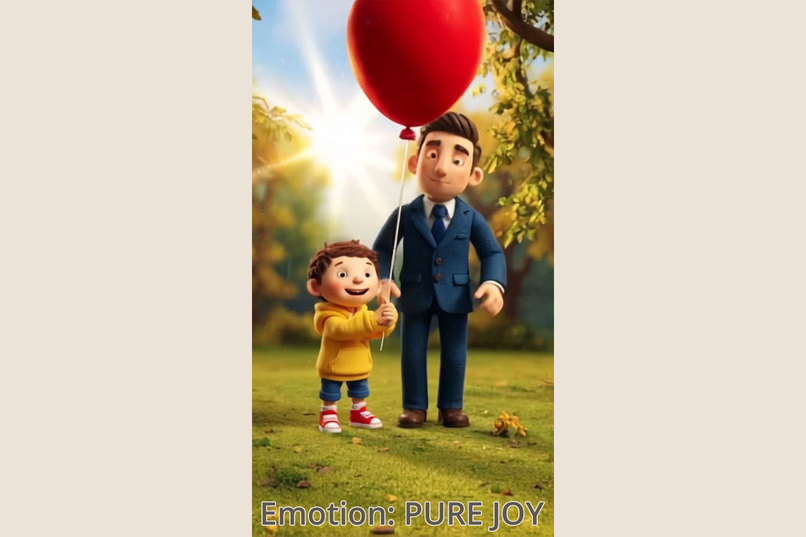
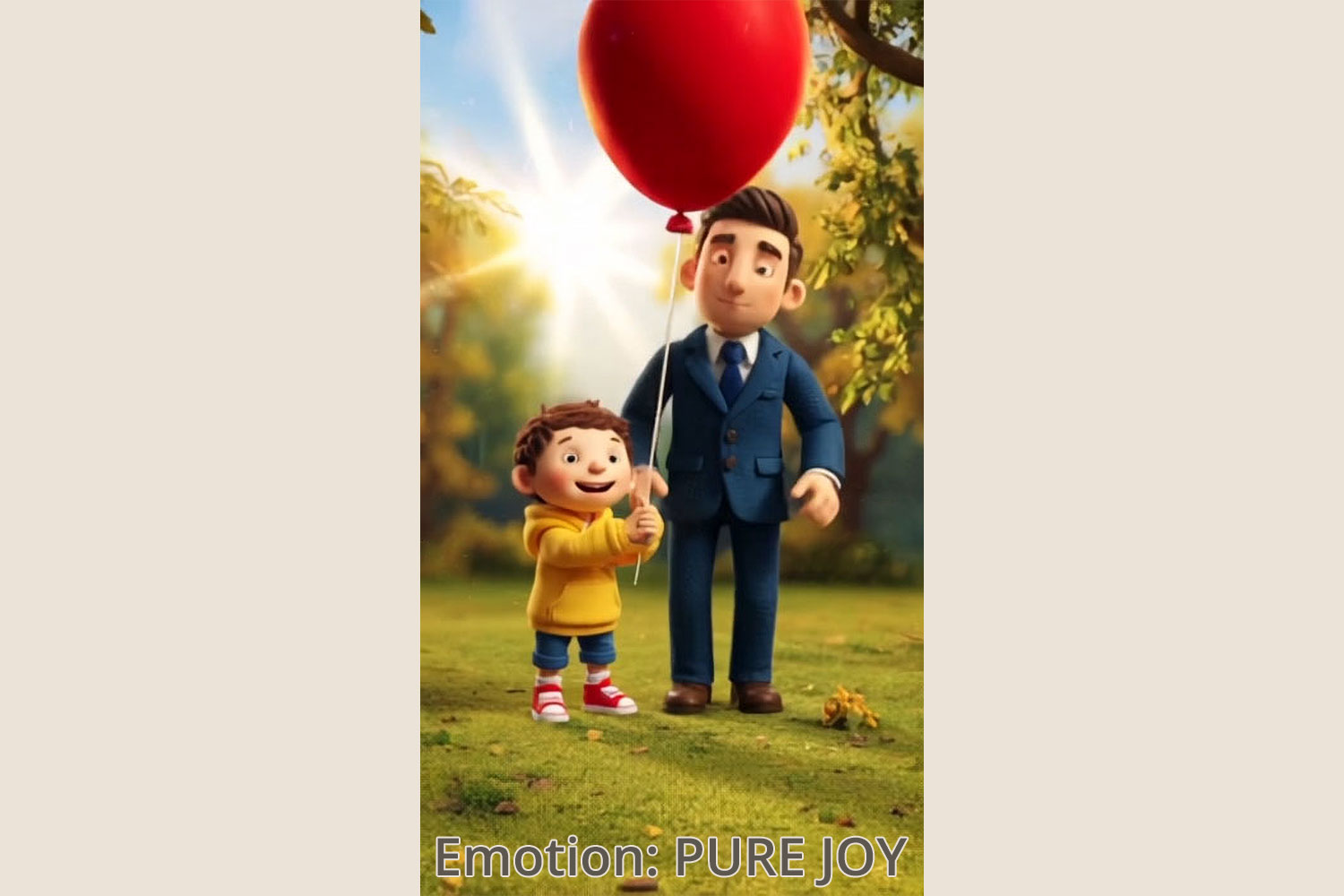
Emotion: PURE JOY
-
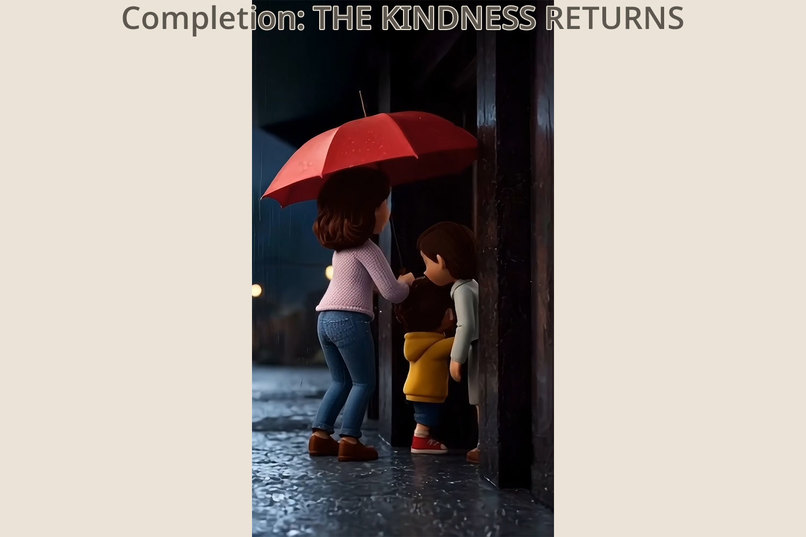
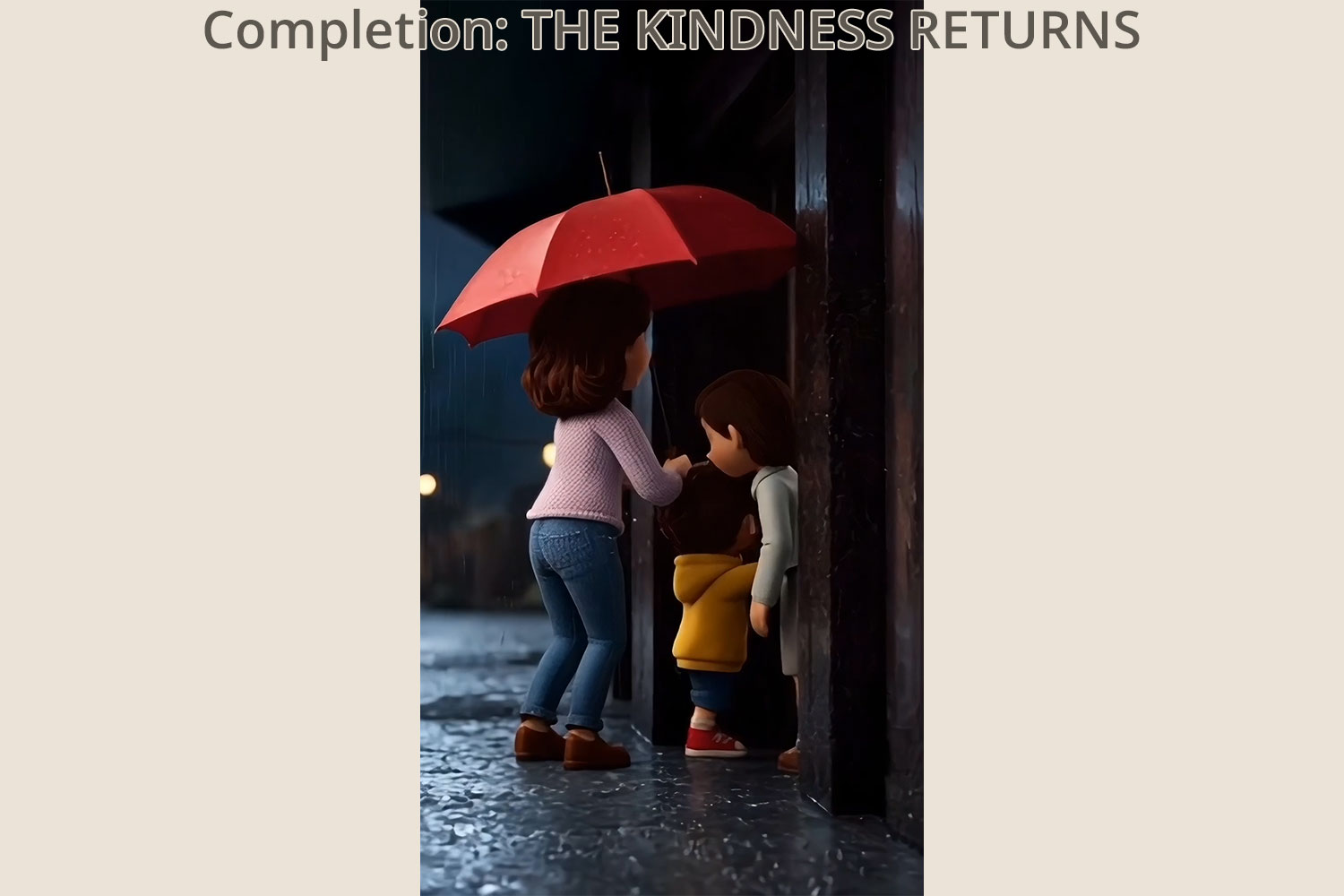
Completion: THE KINDNESS RETURNS
-
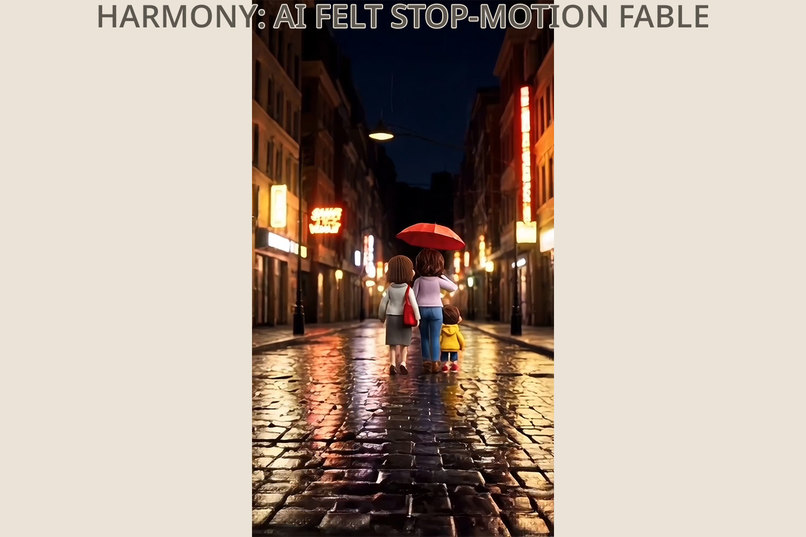
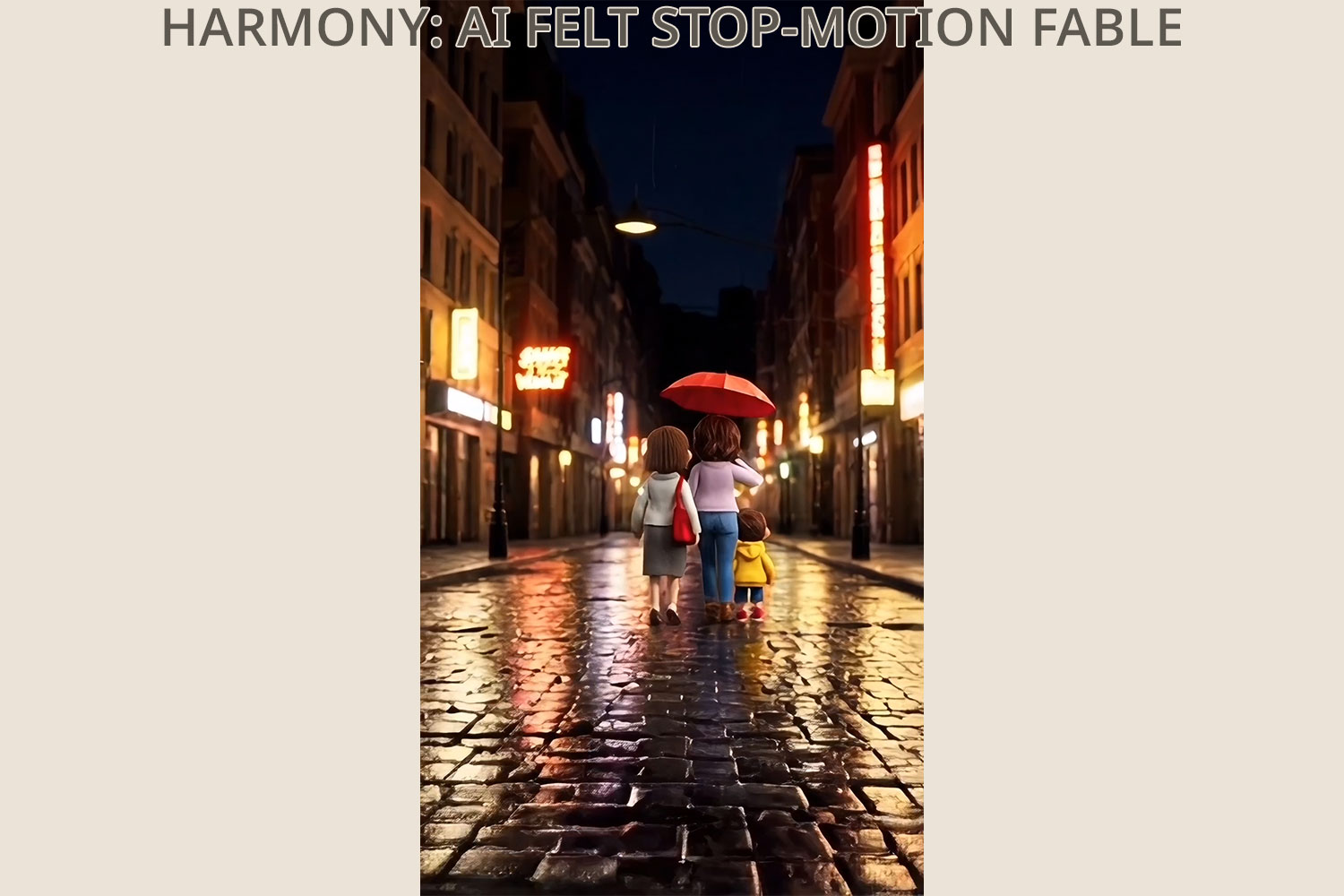
HARMONY: AI FELT STOP-MOTION FABLE
Inspiration: Passing the Torch of Compassion
My creative journey for "Passing the Torch of Compassion" began with a deep appreciation for the simple, yet profound, impact of human connection.
I was inspired by observing specific, everyday acts of kindness—such as helping an elderly person with heavy bags at a bus stop (Sarah → Mary), and picking up scattered documents (Mary → Daniel). I wanted to illustrate how these seemingly small gestures could ripple outward, creating a chain reaction of positive energy. The core motivation was to show that even in a fast-paced, isolating world, small acts of generosity matter and eventually return to the original giver in unexpected ways, such as sharing an umbrella in the rain (Jessica → Sarah).
The goal was to craft a heartwarming, empathetic narrative that highlights the beautiful, often unseen, interconnectedness of human lives.
How We Built It: AI Stop-Motion Fable
This film was created to push the boundaries of AI animation, specifically utilizing the unique aesthetic of stop-motion to convey warmth and tactility.
1. Conceptualization and Scripting
We meticulously designed a six-scene narrative structure focusing on the emotional transfer of kindness (the "baton pass"). This required careful visual planning to ensure that the core emotion was conveyed solely through the puppet-like characters' expressions and camera angles, as detailed in the scene prompts (e.g., Close-up shots, low angles to emphasize gratitude).
2. AI Tool Utilization (Generation of Puppet-like Characters and Diorama Set Style)
We used a cutting-edge AI image generation platform (PixVerse, etc.) to realize the distinct "handcrafted aesthetic, detailed puppet-like characters, and diorama set style." We focused on consistent styling across all five characters (Sarah, Mary, Daniel, Liam, Jessica) and all scene backdrops, ensuring the visual world felt unified, tactile, and magical.
3. Editing and Pacing
The editing focused on creating a slow-motion-like pacing, mimicking traditional stop-motion techniques, to draw the viewer's attention to subtle emotional shifts—the faint smile (Sarah), the determined reach (Daniel), and the warm relief (Sarah, in the final scene).
Challenges and Lessons Learned
Challenge: Maintaining Visual Consistency The primary difficulty was ensuring that the "puppet-like characters'" aesthetic remained consistent across dozens of generated frames and five different characters, all while shifting environments (dusk, afternoon, morning, rain). This required rigorous prompt engineering and selection processes to lock down a unified visual language and avoid visual glitches typical of AI generation.
Lesson Learned We learned that AI excels when constrained by a very specific, evocative style (like "detailed puppet-like characters, handcrafted aesthetic"). By treating the AI not as a magic box, but as a sophisticated tool for style application, we were able to create a unique and consistent cinematic look that amplified the story's emotional core. The use of AI here was essential for unlocking a narrative style that would be physically impossible or prohibitively expensive in traditional stop-motion, proving AI is an amplifier for unique human creativity.
Built With
- davinciresolve
- pixverse
- vidu

Log in or sign up for Devpost to join the conversation.