-
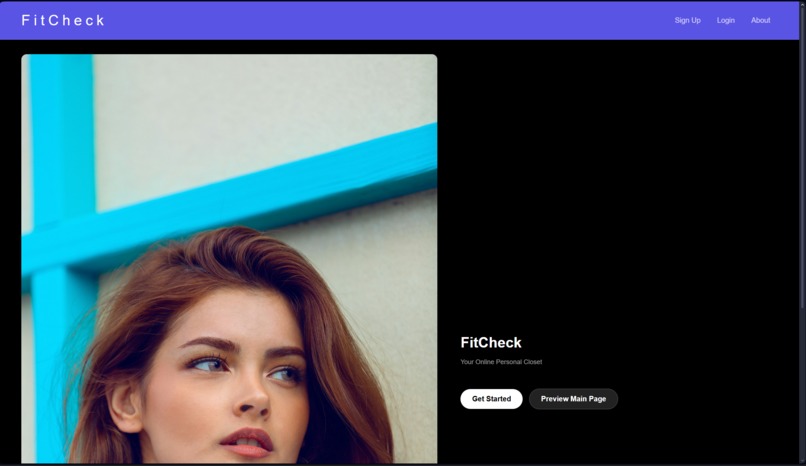
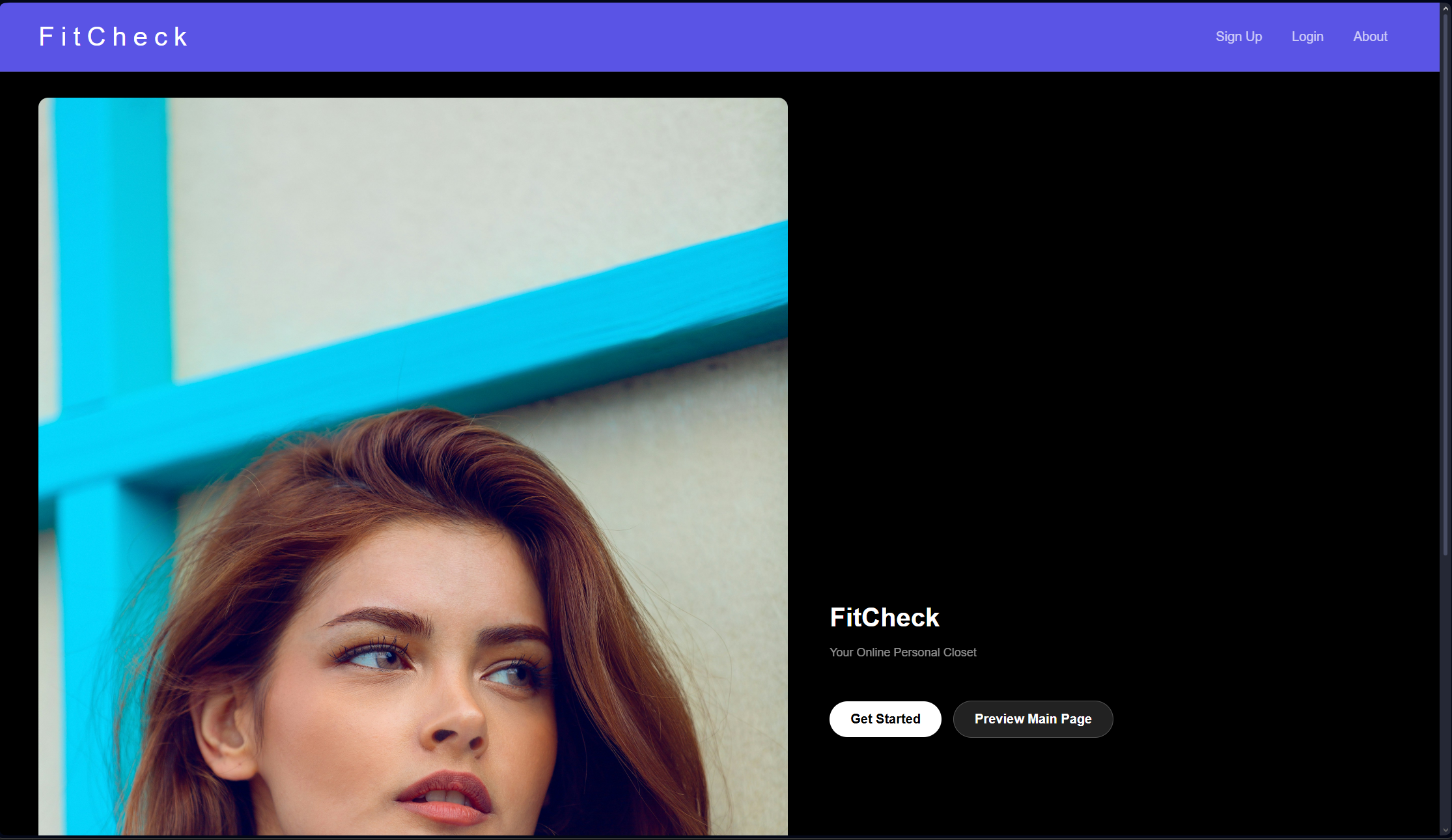
Landing page
-

Sign up Page
-
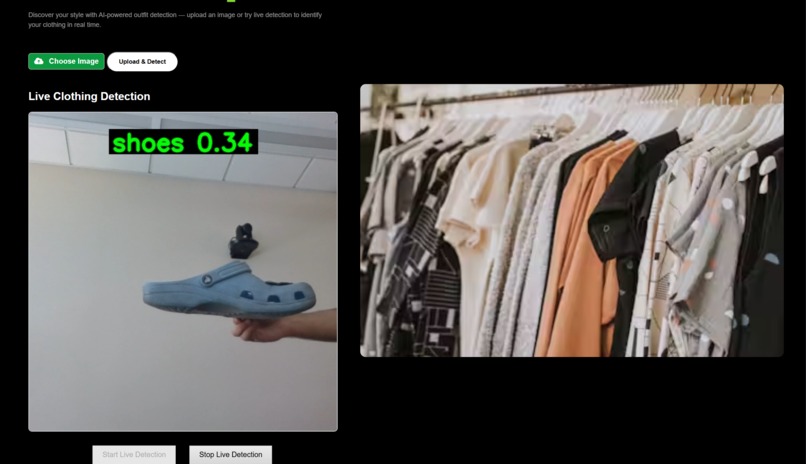
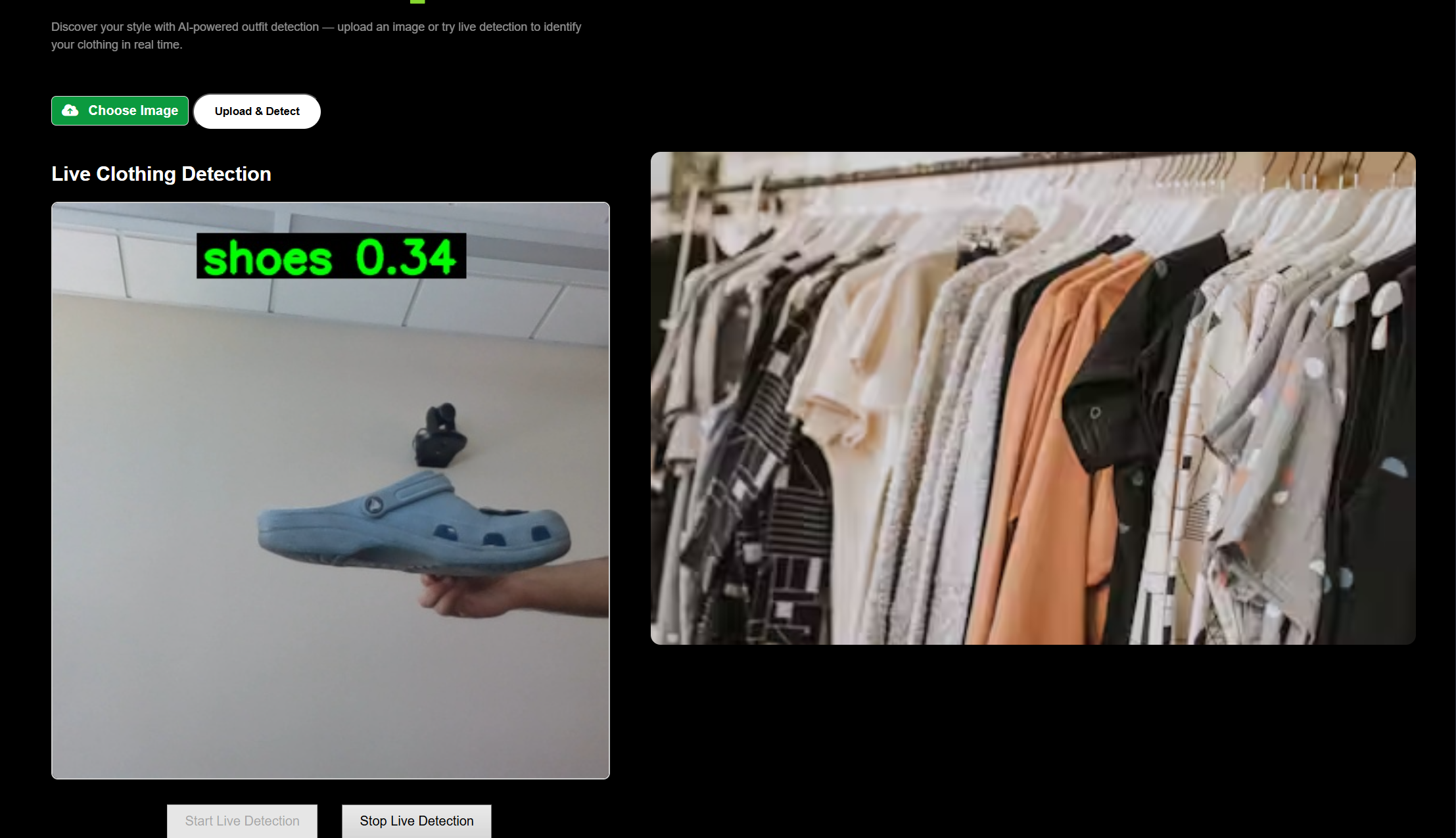
Clothing Detection on Clothes

Inspiration
Our generation loves fashion — it’s a form of self-expression that captures who we are, what we feel, and how we want to be seen. But let’s be honest: we’ve all had those moments where we’re standing in front of the mirror, saying “I have nothing to wear,” even though our rooms are covered in clothes.
From trying on countless outfits to coming home after a night out to a pile of rejected options — it’s chaos that every fashion lover knows too well. That inspired us to build Your Wardrobe, a project that uses AI and computer vision to make outfit planning smarter, cleaner, and more enjoyable.
This hackathon was also a personal milestone for both of us. I’ve attended hackathons before but never actually competed, so submitting a finished project feels like a huge personal accomplishment. For my partner Nebi Malik, this was his first-ever hackathon, making it an incredible shared learning experience. Together, we turned an idea born out of frustration into something we’re truly proud of.
What it does
our Wardrobe is an intelligent clothing detection system that identifies pieces of clothing through your camera in real time.
When the user enables camera access, the app recognizes and labels items such as:
🧢 Hats
👕 Tops
🧥 Jackets
👖 Pants / Skirts
👟 Shoes
Users can save their looks to an Outfits Page, view previous uploads, and click on an outfit to see a detailed breakdown from top to bottom. We also designed the interface with smooth horizontal scrolling animations and pop-up modals for a polished, fashion-forward experience.
But we don’t want to stop there — we’re planning to include a feature for visually impaired users. Our goal is to use text-to-speech technology so the app can describe what the user is wearing out loud and even suggest matching outfit combinations based on detected items. This would make fashion accessible to everyone, empowering users to feel confident about how they present themselves, even without relying on sight.
How we built it
We fine-tuned a deep learning object detection model to identify clothing categories using annotated datasets. 💻 Backend Logic
We integrated the trained model into a Python application using:
OpenCV — for real-time webcam access Torch — for running model inference Flask — to serve data and manage communication between the frontend and backend Each frame from the camera undergoes: Image capture and preprocessing Model inference Postprocessing and visualization of bounding boxes and labels 🌐 Frontend (Outfits Page) The frontend, built with HTML, CSS, and JavaScript, allows users to: Browse saved outfits in a horizontally scrollable gallery Click on an outfit to view all detected pieces (from hat to shoes)
Enjoy a responsive layout with animated transitions
Challenges we ran into
Real-time Efficiency: Getting detection to run smoothly on limited hardware Frontend Synchronization: Keeping the UI responsive while processing live inference Model Integration: Exporting and loading a Torch model that runs correctly across systems Hackathon Time Limits: Turning a complex AI idea into a working prototype within a weekend Accessibility Design: Conceptualizing how to make the system intuitive for visually impaired users
Accomplishments that we're proud of
One of our biggest accomplishments was successfully training our own TensorFlow deep learning model and implementing real-time image detection using OpenCV. Finding the right dataset was a challenge — the first dataset we used didn’t train our model correctly, which led us to search for a better one and retrain from scratch. After completing the training, we integrated the model seamlessly into our frontend, allowing users to upload photos or use live detection to identify their clothing instantly.
We’re also proud of the secure authentication system we built, which includes password hashing to protect user accounts and prevent unauthorized access
What we learned
How to connect AI models to interactive user interfaces The importance of accessibility and inclusion in product design How to balance speed and accuracy for real-time inference Better collaboration and time management during hackathons The power of learning by building — especially under time pressure
What's next for Outfit Of The Day (OOTD)
Integrate text-to-speech functionality to describe outfits to visually impaired users Add an AI outfit recommendation system to suggest combinations based on what you own Store outfits using cloud services (AWS or Firebase) for easy access across devices Implement user profiles and style analytics Explore pose estimation or virtual try-on for interactive outfit visualization
Built With
- css
- flask
- html5
- javascript
- machine-learning
- mongodb
- node.js
- o-auth2
- opencv
- python
- tensorflow


Log in or sign up for Devpost to join the conversation.