-
-
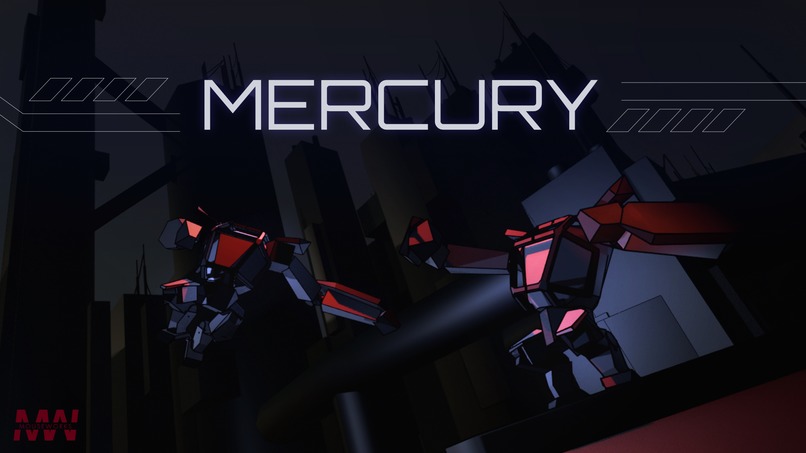
Key Visual
-
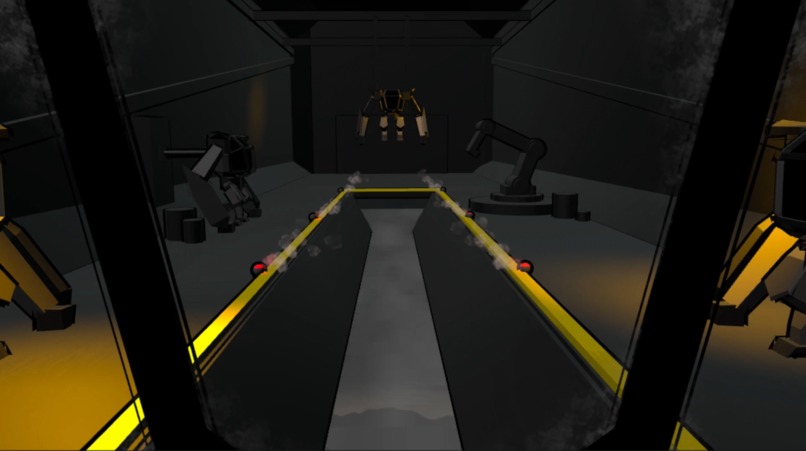
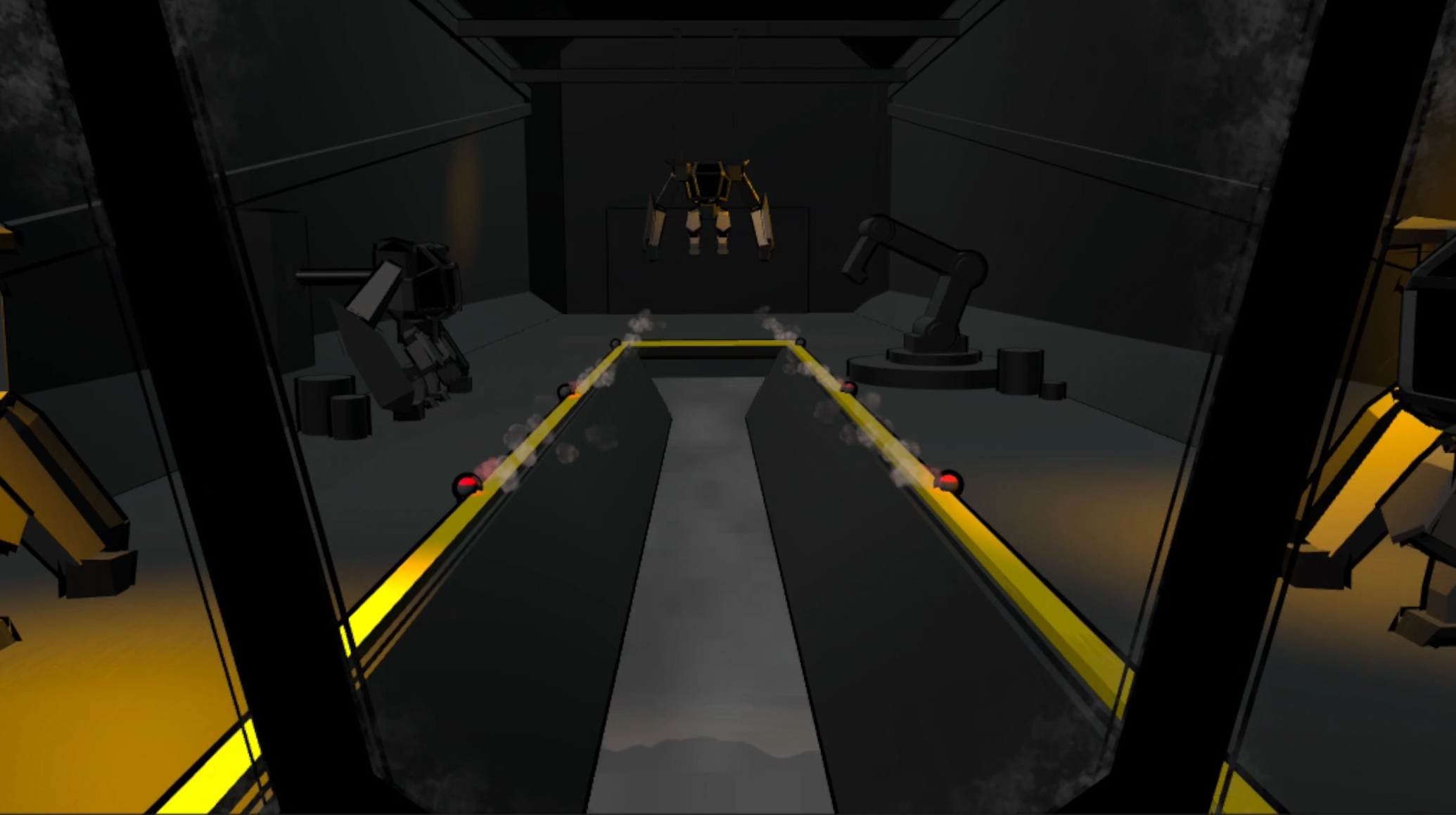
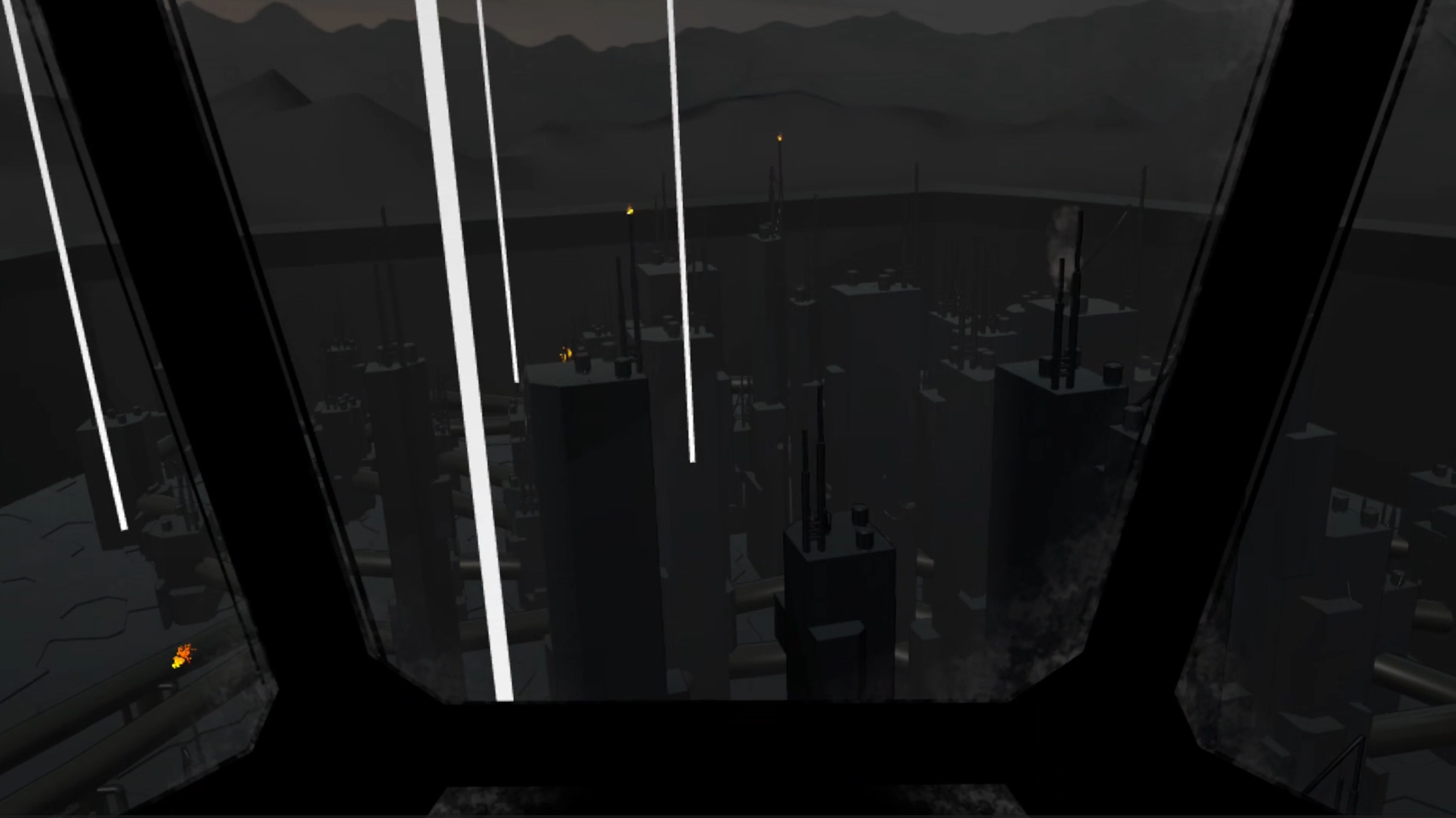
hangar before the drop
-
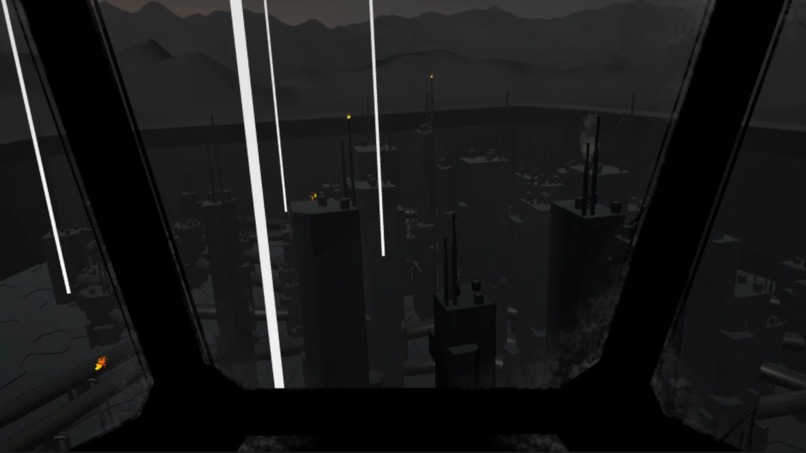
dropping into the city
-
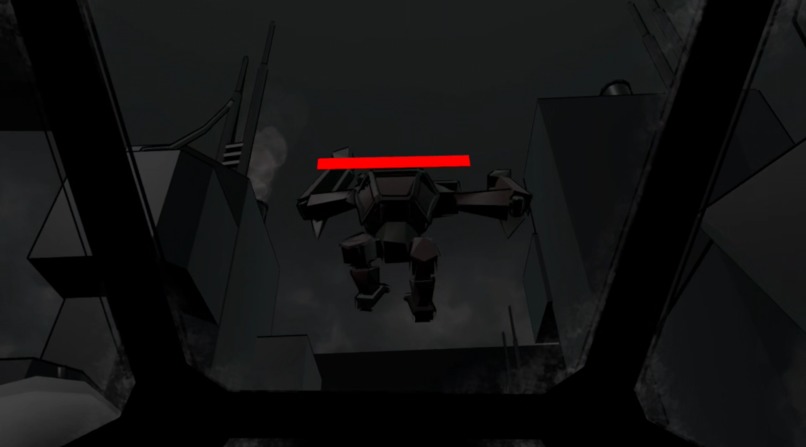
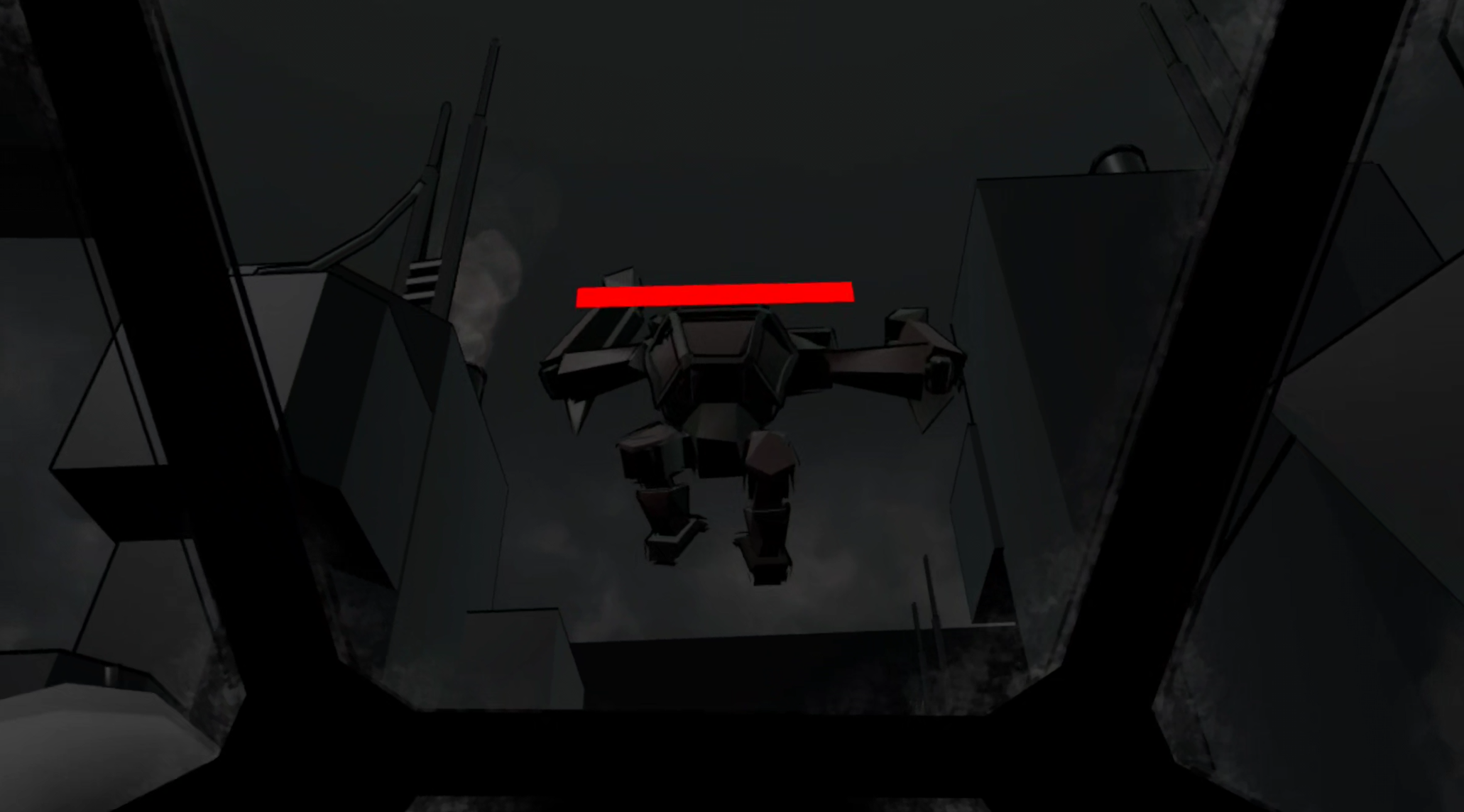
enemy mech during the jump attack
-
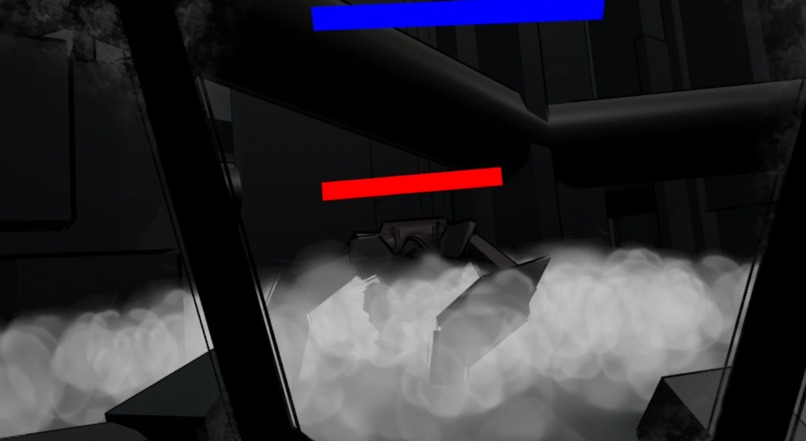
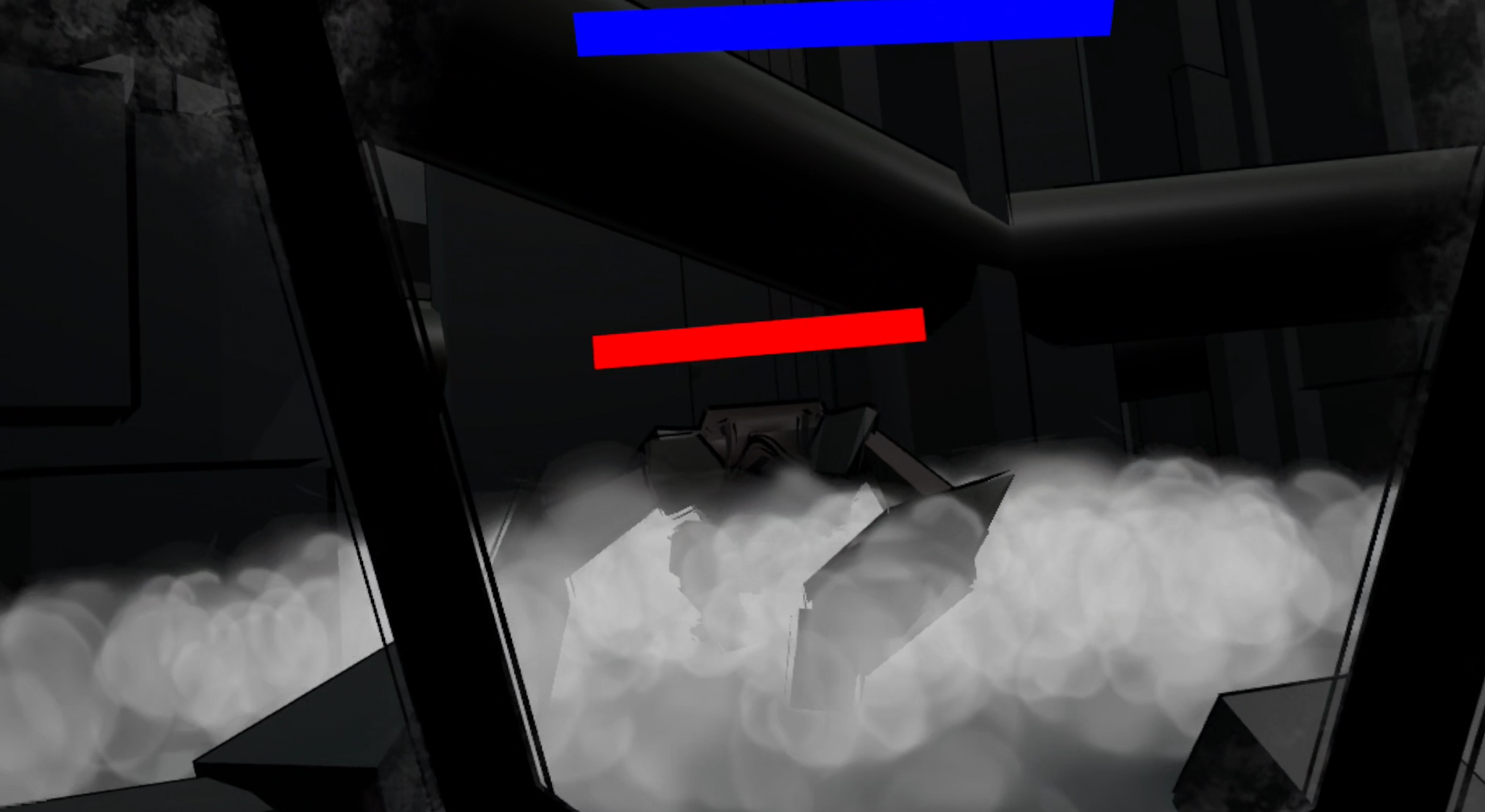
area damage
-
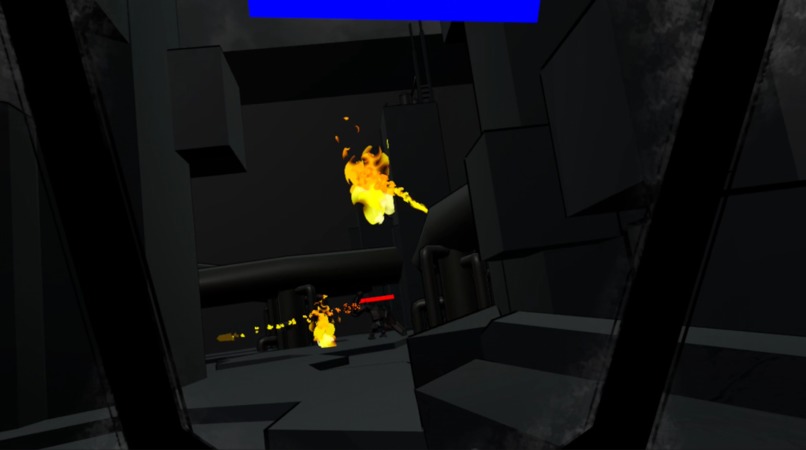
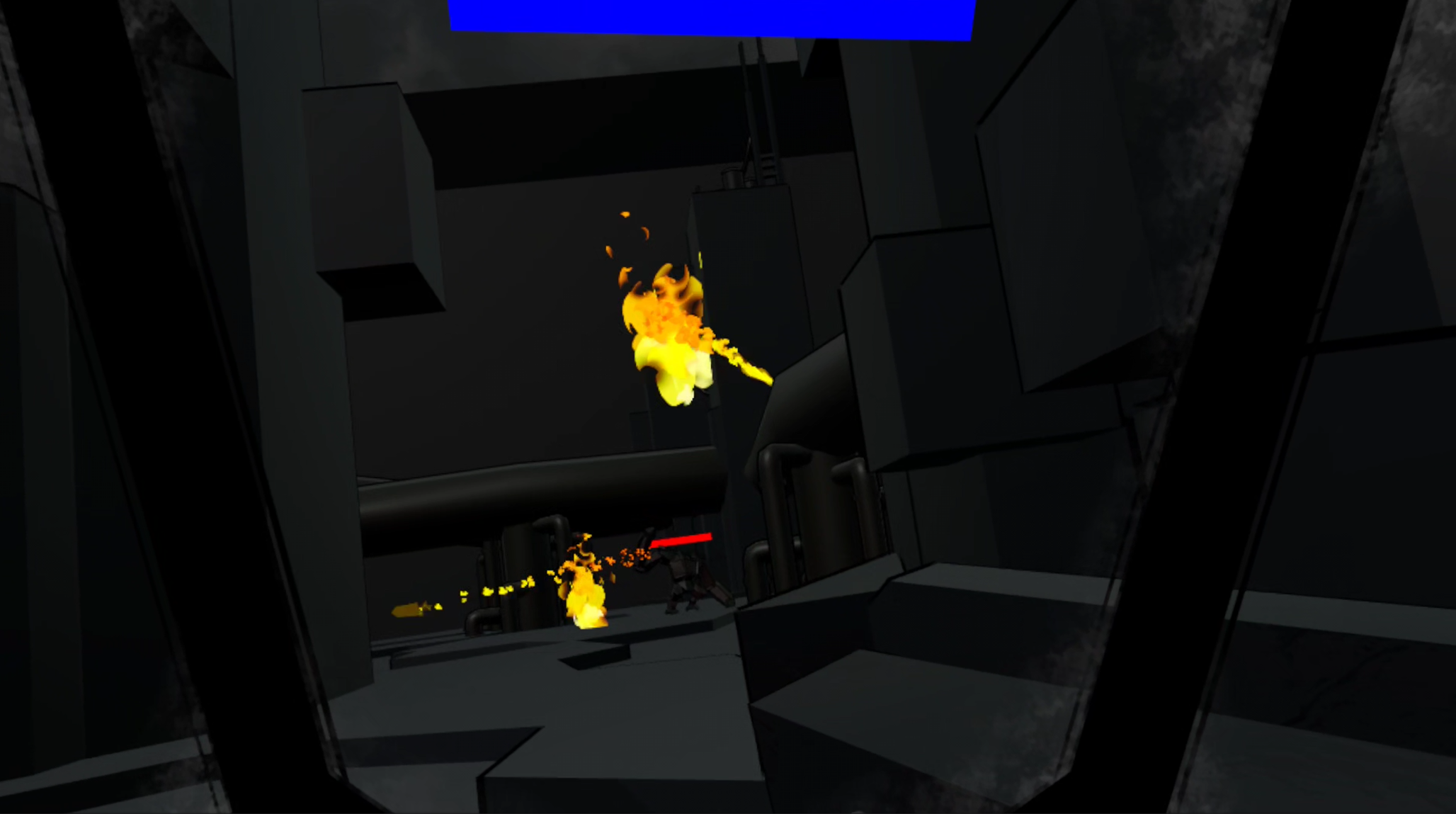
ranged combat
Story
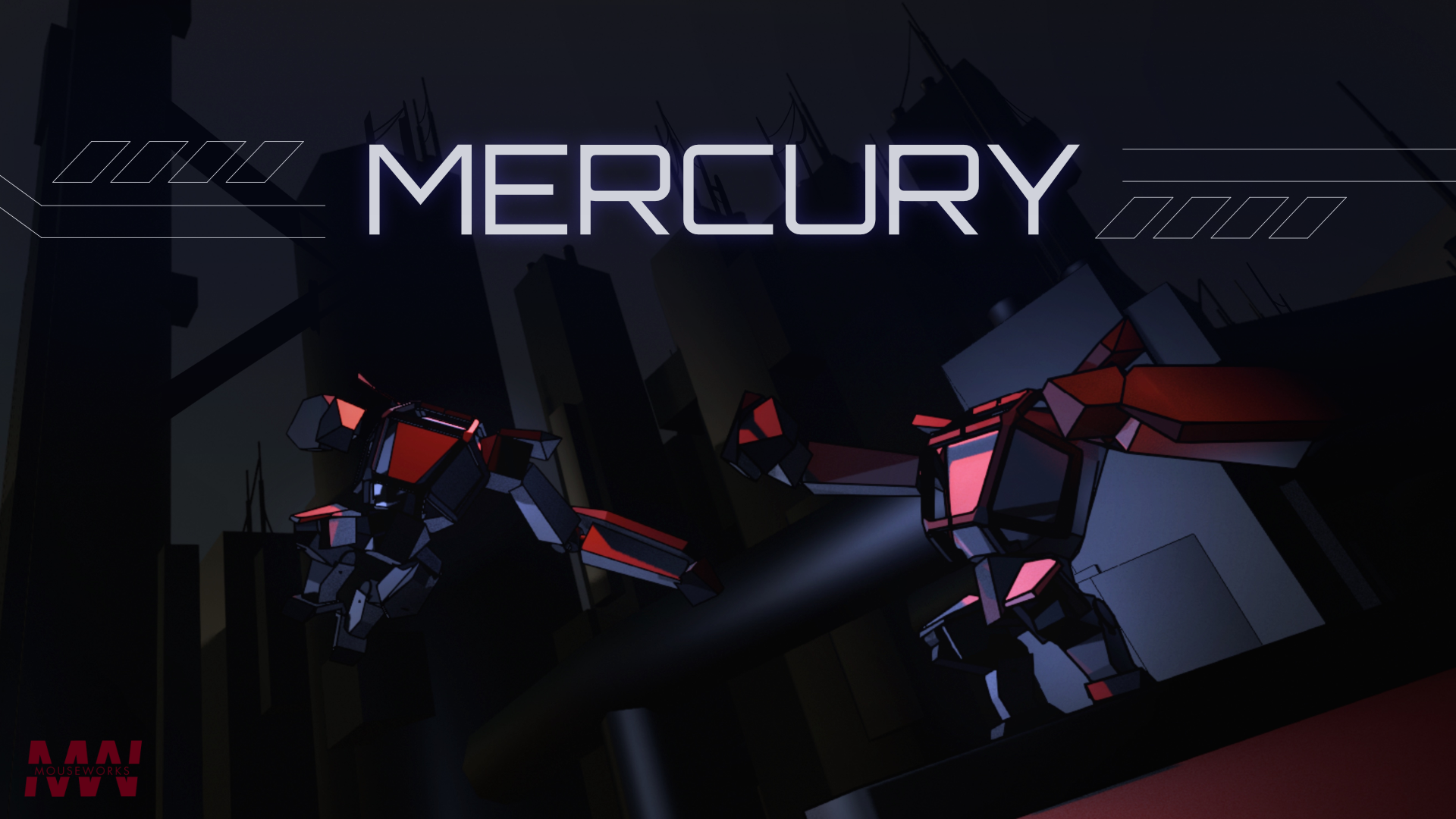
On a barren outer-system planet, the Tyris Corporation exploits the resource Mercury, prompting the oppressed Heskar to fight back with improvised mechs. As their attacks increase, Tyris deploys its elite RIS_TEC unit, escalating the battle for control of the planet.
Who we are
We are a small team of six fourth-semester students from Germany. A few weeks ago, we successfully released FLOAT – A MIXED REALITY EXPERIENCE in the Meta Horizon Store - a game that playfully captures hand gesture data to make hand prostheses more affordable worldwide.
Inspiration
We are huge fans of games like Titanfall, Underdogs, and Iron Rebellion - and when the Meta Horizon Start Developer Competition 2025 was announced, we had an idea: Why not combine Titanfall with Underdogs and all without a controller? The idea for Mercury was born!
What it does
Mercury is the first VR mecha brawler with purely hand-gesture controls. Movement is based on gorilla locomotion and completely eliminates the need for controllers. And that's not all: movement and combat are fast-paced - pushing hand tracking to its absolute limits. In addition, there's a cinematic introduction to the gameplay, and the cities where we battle enemy mechs are procedurally generated. Our opponents have various attack patterns that are triggered depending on the situation. The game also features a complete sound design.
How we built it
Mercury was programmed entirely in the Unreal Engine. The procedurally generated city was created in Houdini and implemented in Unreal. Our mechs were created in Blender. The sound design currently consists of free sounds and text-to-speech files edited in Audacity.
Challenges we ran into
There were two major challenges during the short five-week development time: the hand-tracking movement and the city in which we fight. There's a good reason why no one had previously attempted to implement Gorilla movement entirely without controllers. Numerous iterations had to be programmed and discarded. The current movement system has well over 100 hours of development time behind it. Likewise, it was impossible to develop an entire city by hand in such a short time – therefore, our environment artist had to quickly learn Houdini and procedural generation. Until a week ago, we didn't know if all the systems would mesh correctly.
Accomplishments that we're proud of
We are incredibly proud of what we've accomplished in just five weeks - as students without years of prior experience in game development and various software programs. We've created one of the first fast-paced hand-tracking gorilla movement systems, which shines in a vast world with an impressive atmosphere. The atmosphere is instantly captivating, and all systems were developed VR-first to push the MetaQuest 3's technology to its limits like never before. Despite the huge world and short development time, the game runs at a stable 72 FPS in standalone mode.
What we learned
So much, it's almost impossible to put into words: from hand-tracking-based movement and Houdini to cel shaders and sound design. In a very short time, we learned more than in an entire semester at our university.
What's next for MERCURY
Mercury is just getting started! It's our semester project and will continue to be developed. Our multi-month roadmap includes, among other things, a tutorial level explaining the controls, various mechs with different loadouts, a multiplayer mode, progression, further improvements to the atmosphere and map, as well as various single-player modes and quests.
Built With
- audacity
- blender
- houdini
- unreal-engine


Log in or sign up for Devpost to join the conversation.