-
-
Theme
-
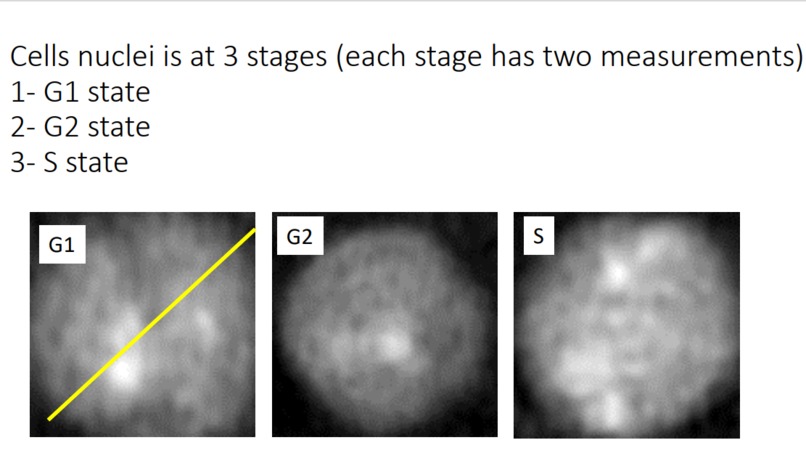
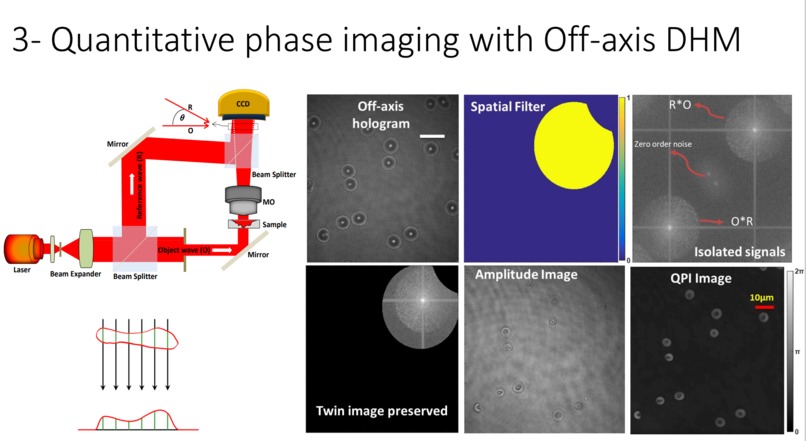
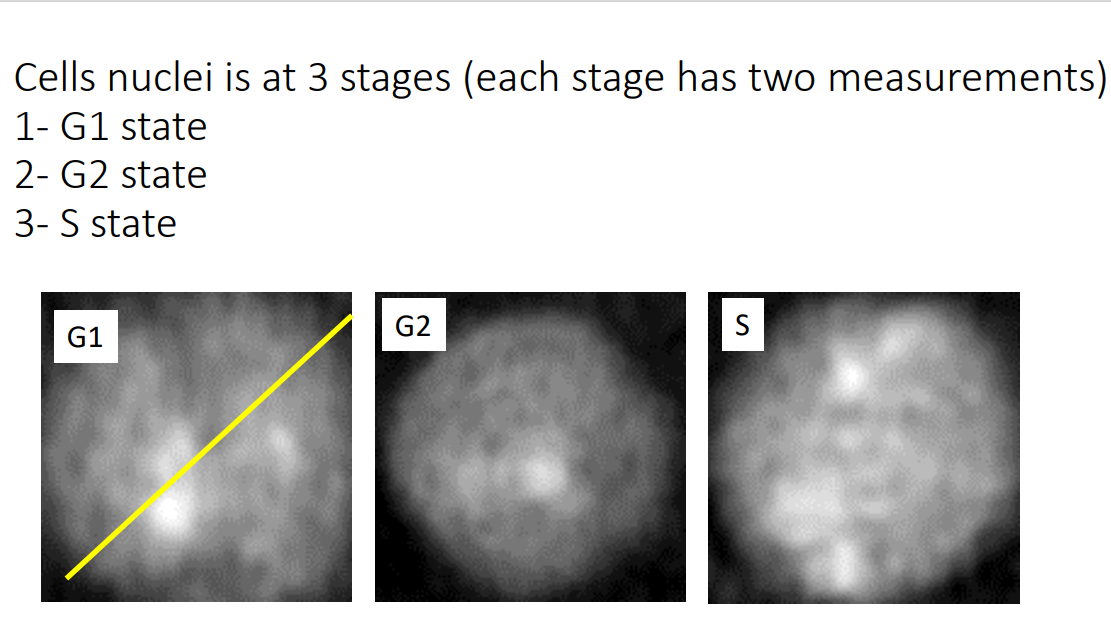
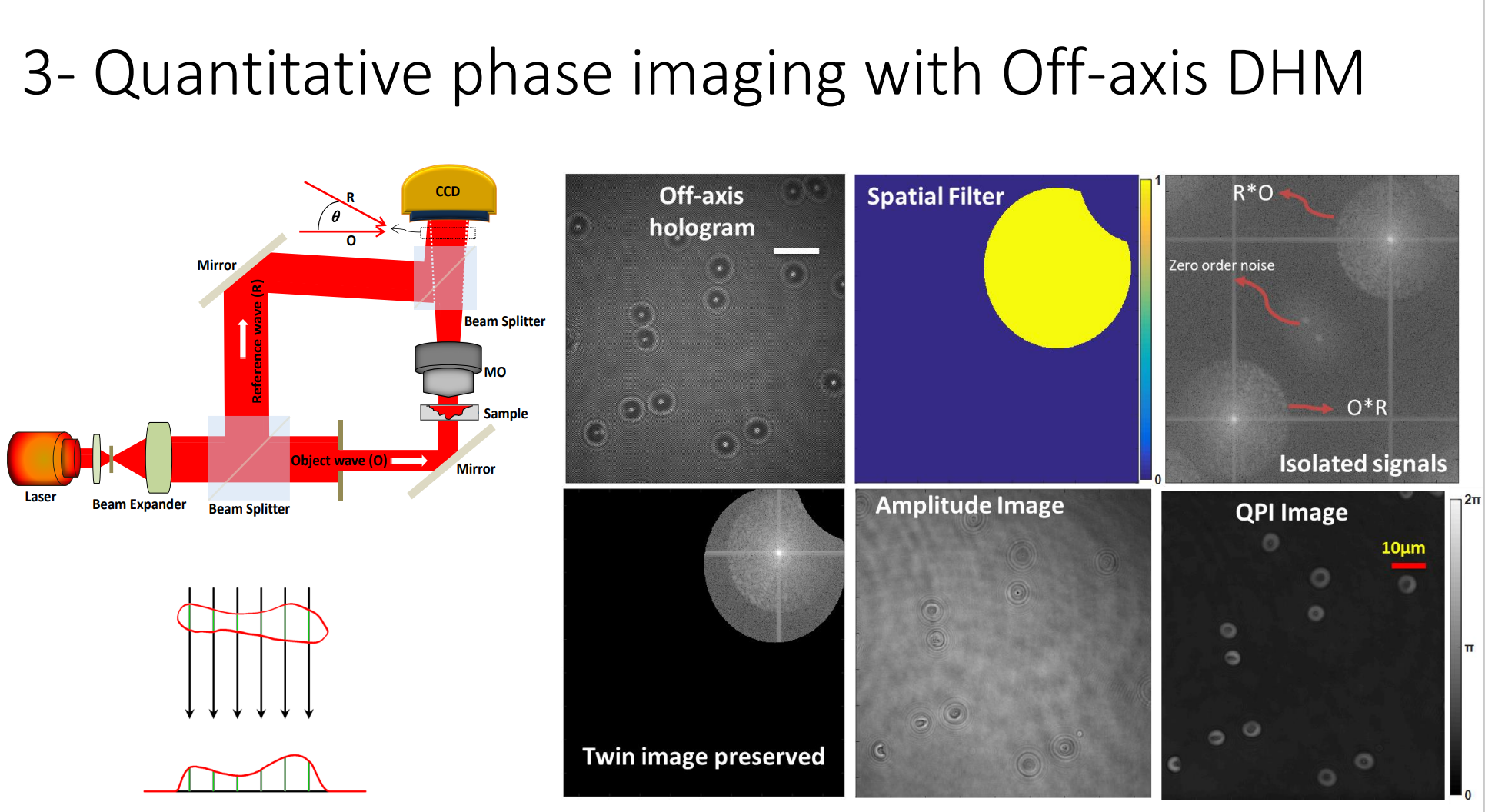
The Cells we tried to scan
-
-
-
-
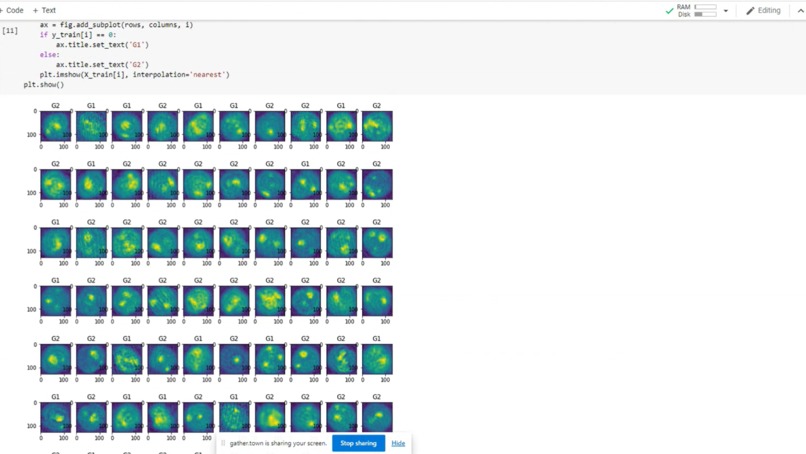
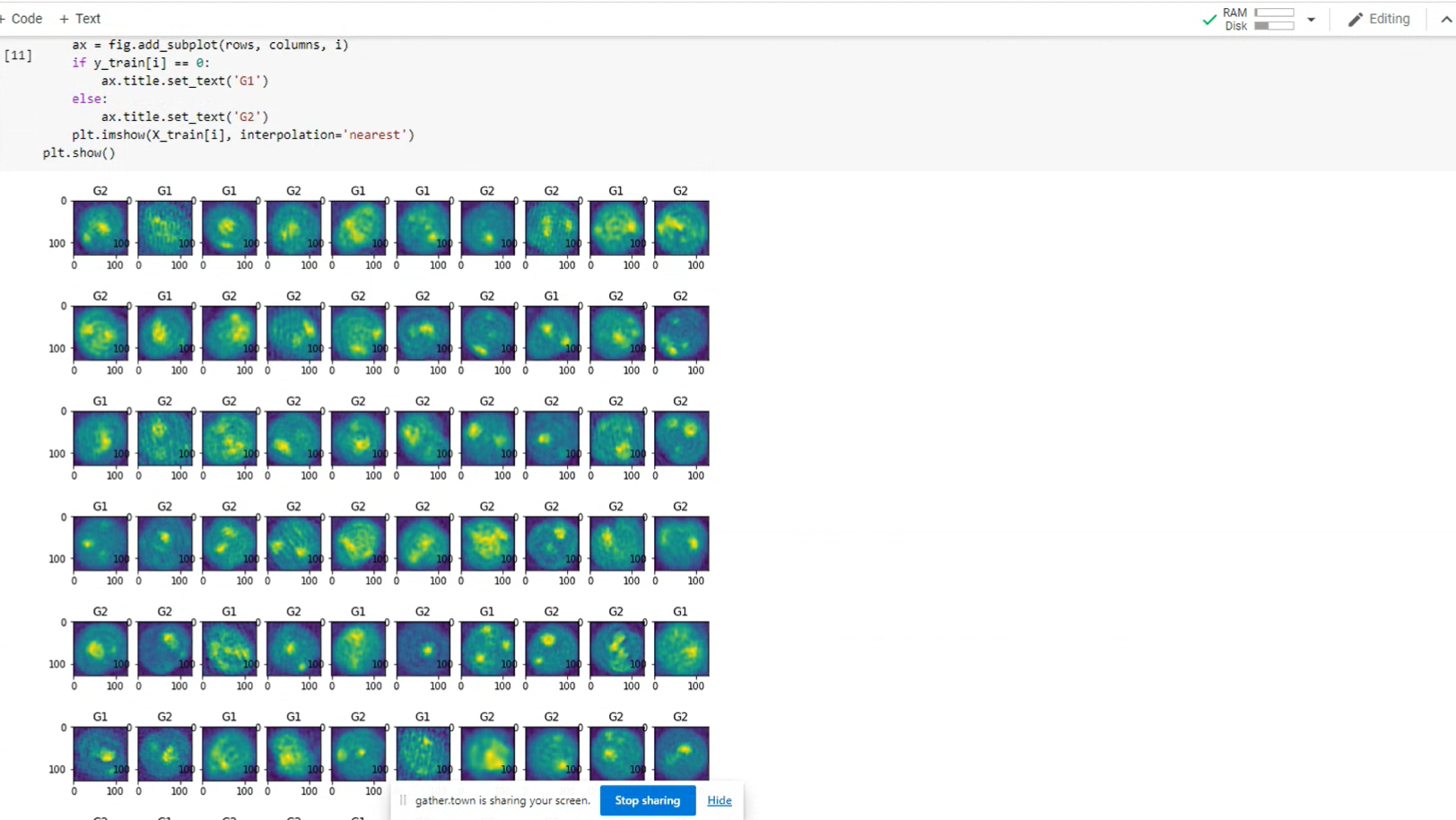
The Images Dataset
-
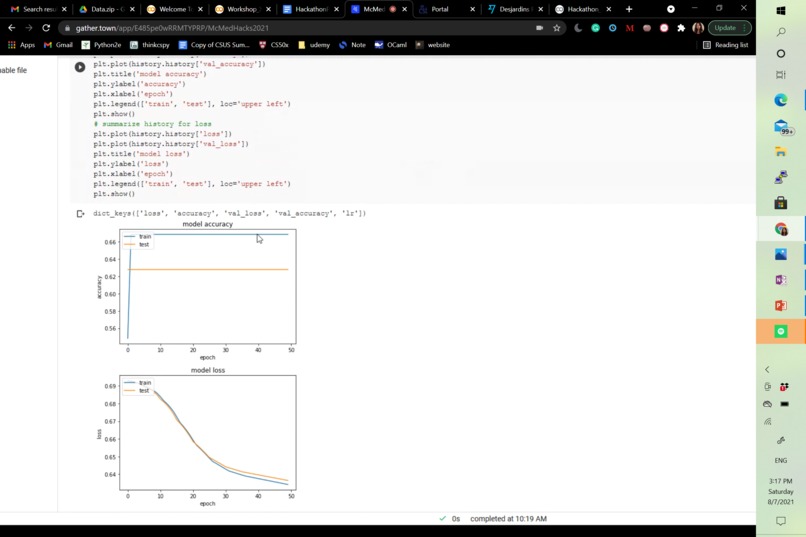
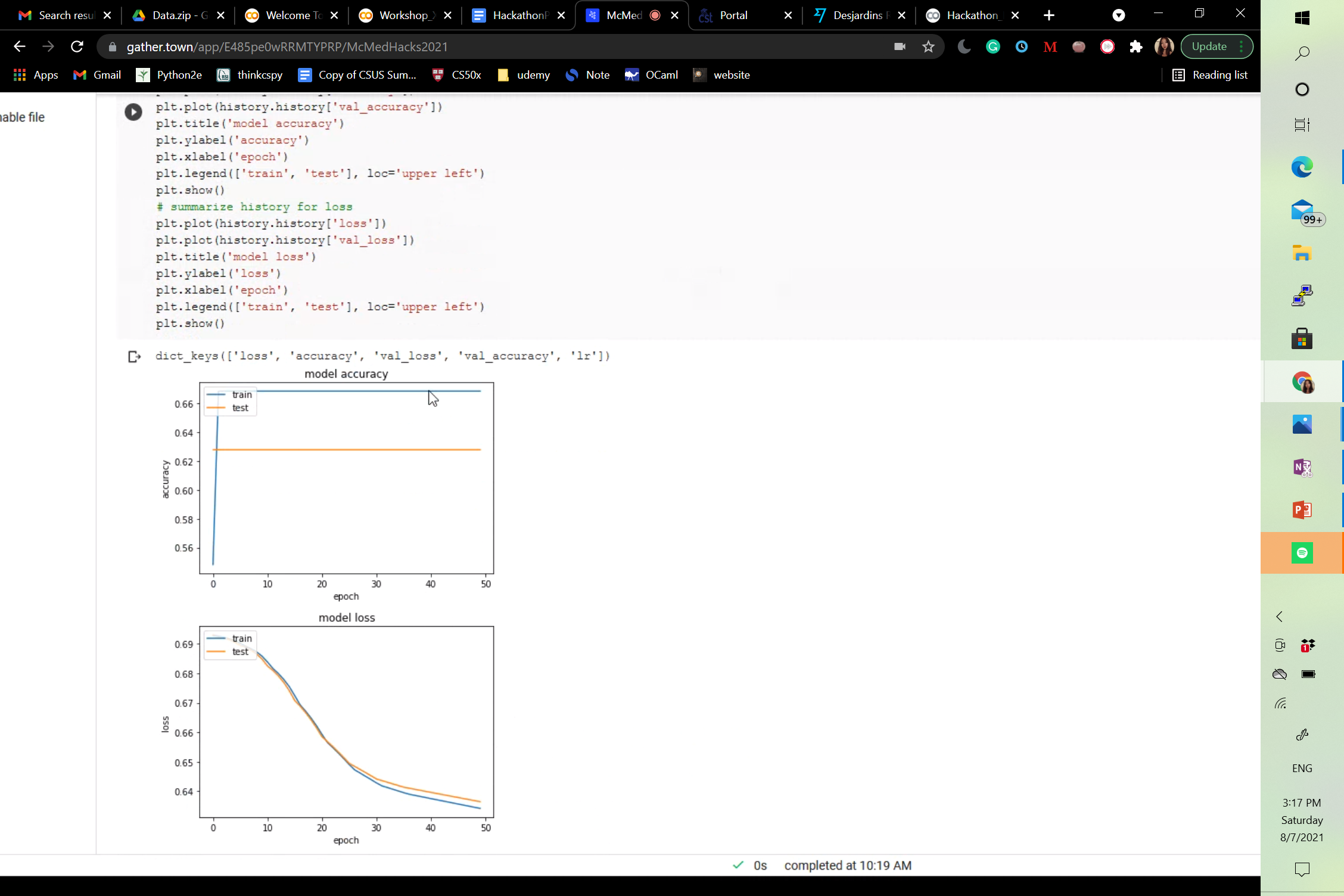
The second concept that we used is VGG19. Here is the result of VGG19 where the accuracy is slightly greater.
-
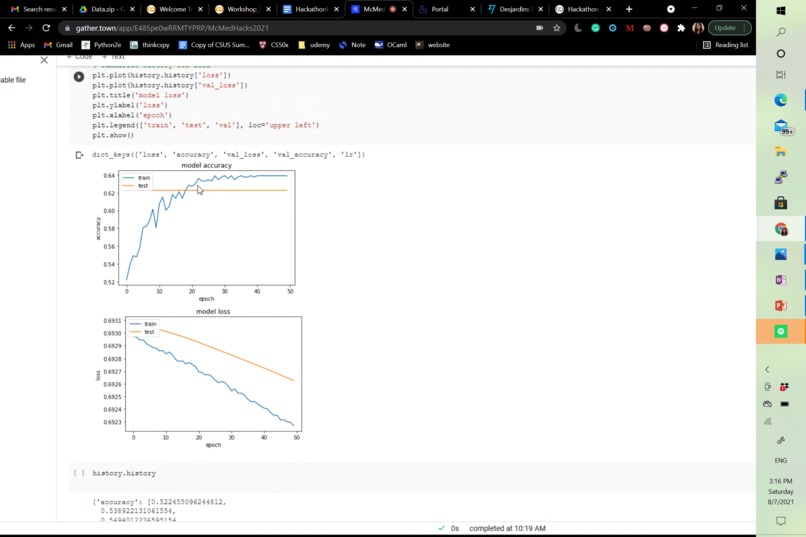
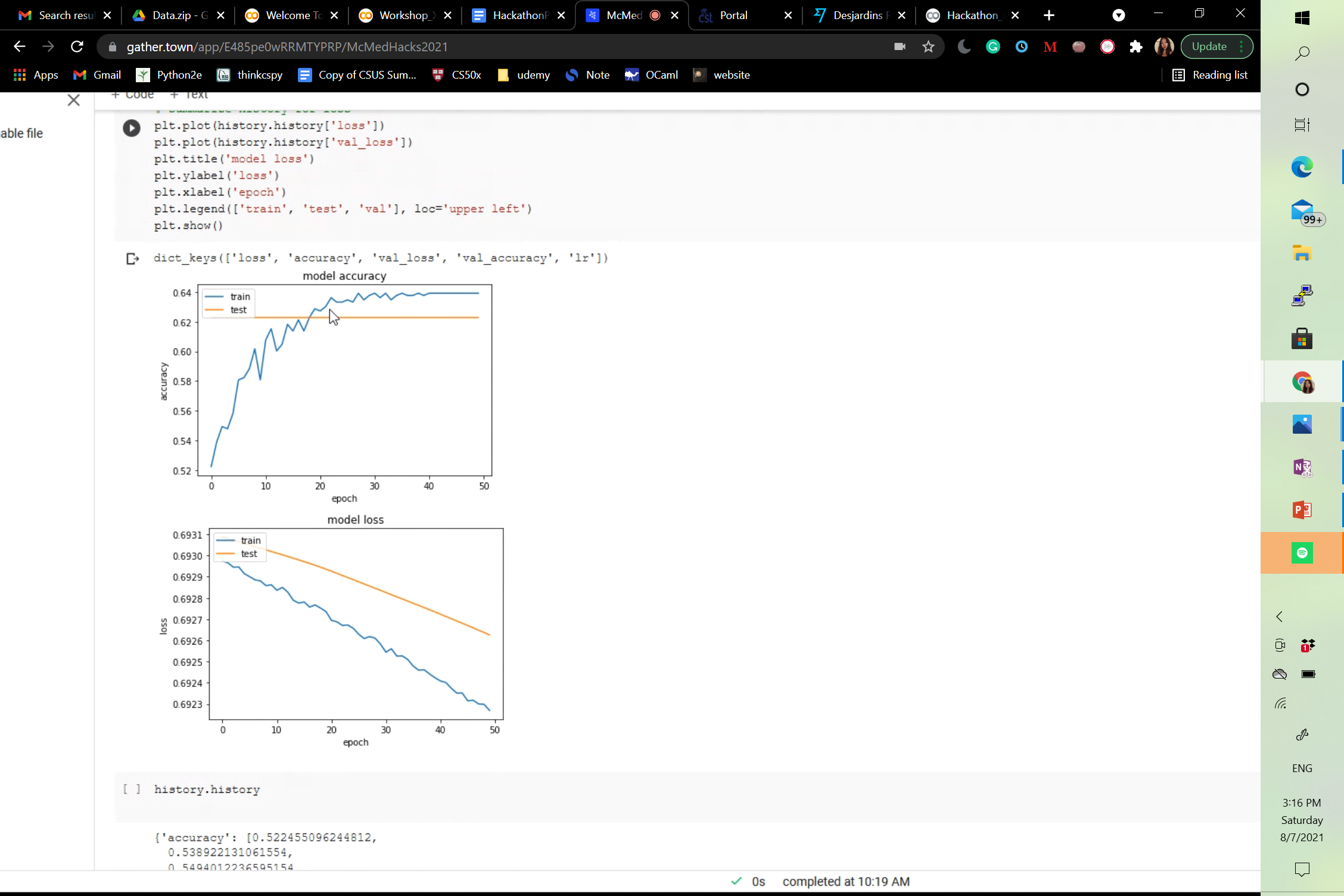
The first concept that we used is CNN.
What inspired us
We decided to start with the dataset that was shared by Iing's PostDoc friend (who permitted us to share this knowledge in this Hackathon) since we desire to help patients that are facing Leukemia. We wish to help the patients with Leukemia so they can detect the stage of their cancer earlier and thus receive the treatment they deserve.
What it does
We have in total 1195 images of cancer cells that we tried to scan accurately. The greater the number of images that needed to be scanned, the less likely the accuracy of the pictures is to be.
Libraries from Python that are being used : Keras (Main library): It wraps the efficient numerical computation libraries Theano and TensorFlow by offering consistent and simple APIs Matplotlib: Library for creating interactive, static, and animated visualizations The deep learning architecture that was used is Convolutional Neural Network and VGG16. The concept consists of each neuron receiving several inputs. We then take a weighted sum over them, pass it through an activation function and respond with an output.
How we built it
Our project is a new output that was edited from the code of https://www.kaggle.com/fanconic/cnn-for-skin-cancer-detection. The database, which consists of cancer cells retrieved from patients that are facing Leukemia, was permitted by Iing Muttakhiroh’s senior to share. To open the images to get clearer images, we used link.
The code is split into 3 main segments: processing image, split data, and training the data. We share the dataset through Google Drive. We were trying to do Image Augmentation but we have not finished yet.
70% of our code namely consists of splitting the data, 15% for training tests, and 15% for validation.
The step for implementing deep learning for computer vision
The Dataset We prepared the dataset, cleaned the image, removed the spot, and cleaned the dataset. Image augmentation (Generate the fake image) - We split the dataset. We did this manually ( in the folder of image -dataset, we split them into different folders , one folder for training, one folder for testing, and maybe one folder for validatio. Most people used 70 training, 15 test, and 15 for validation.) Building the deep learning architecture (we using libraries in python, for exap: we using CNN, VGG, RestNet50, GoogleNet, GAN, ….) Train the dataset Result
Challenges we ran into
During this Hackathon event, our initial goal was to implement deep learning for our dataset. It was very challenging because we struggled at sharing the database pictures first, and digging deeper into the concept of deep learning. It was Miranda’s first time learning about deep learning in only 48 hours. We (Miranda and Iing) are Hackathon beginners as well, as this is our first Hackathon experience. This is our first deep learning code. Because we worked remotely, sharing the data and accessing it made it harder. There were connectivity issues on both ends. With the lack of time and considering all these challenges, this is the best outcome we could come up with. IIng struggled to share the code through an URL that could be opened, accessible and testable for judges and participants. She had to record the video demonstrating the code for deep learning.
Accomplishments that we're proud of
With CNN and VGG19, the accuracy of the scans is only 60%. Hence, we cannot say that our model is good.
We are proud of being first-timers at a Hackathon and trying our best. We put in a lot of effort to make up for all the challenges.
What we learned
For Miranda, it was her first time learning about deep learning, Convolutional Neural Networks, GAN, and other Python libraries such as Keras and Matplotlib. For Iing, it was her first time learning about sharing codes through URLs and coding deep learning. This is our first hackathon.
What's next for Leukemia Cancer Stage Detection
In the future, we hope to implement other deep learning techniques such as GAN to improve the accuracy of the scanned images. So far, our accuracy is 60%. Our result is overfitting all the time, which is why we consider our project to be unfinished.
Built With
- cnn
- googlecolab
- python
- vgg19


Log in or sign up for Devpost to join the conversation.