-
-

Jinsa Document (One Page)
-
Slide #1
-
Slide #2
-
Slide #3
-
Slide #5
-
Slide #4
-
Slide #6
-
Slide #9
-
Slide #7
-
Slide #14
-
Slide #10
-
Slide #11
-
Slide #12
-
Slide #13
-
Slide #15
-
Slide #8
-
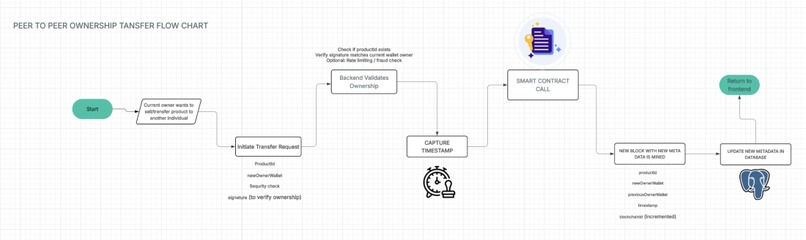
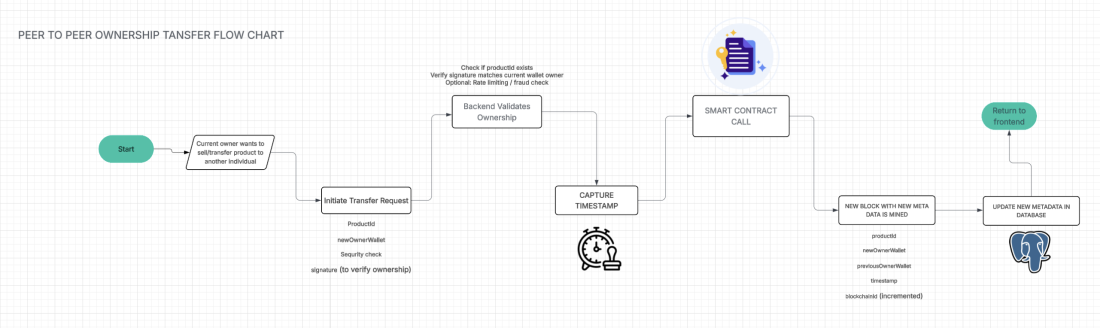
P2P Ownership Transfer Flowchart
-
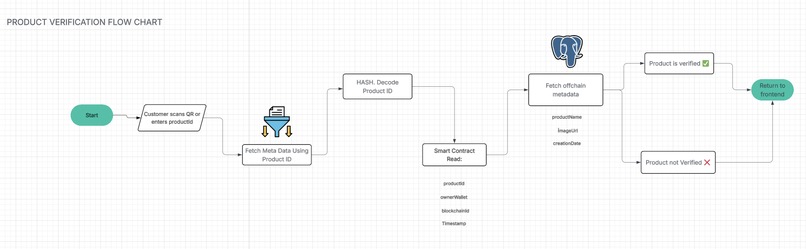
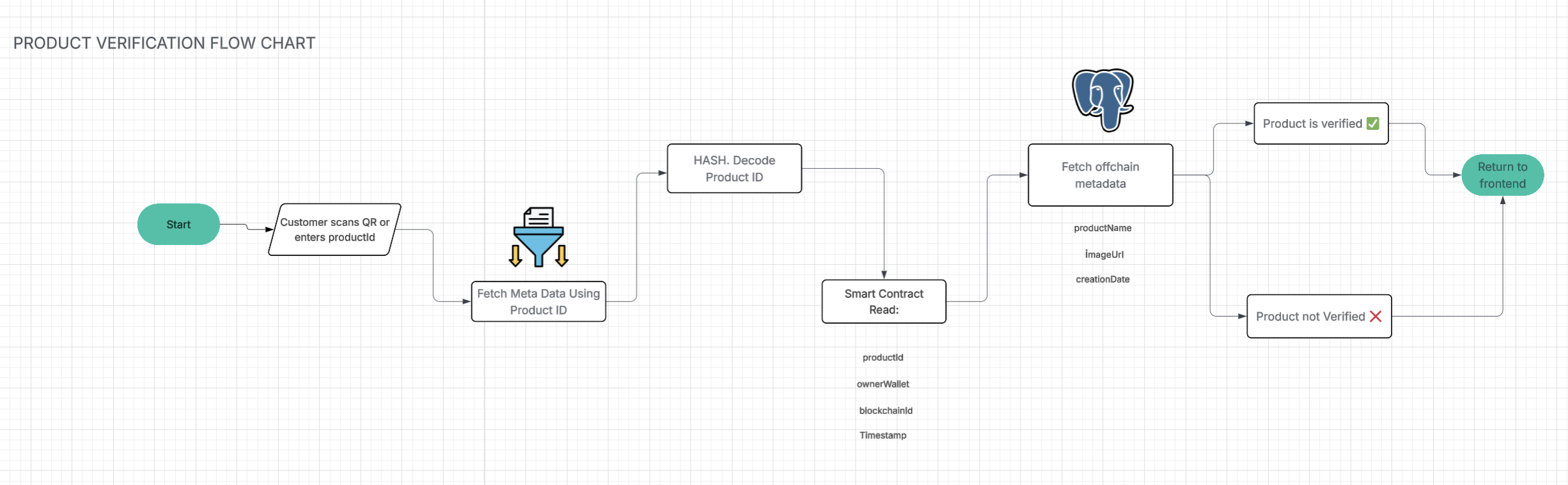
Product Verification Flowchart
-
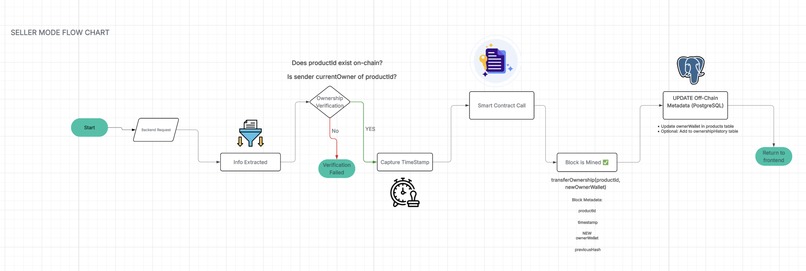
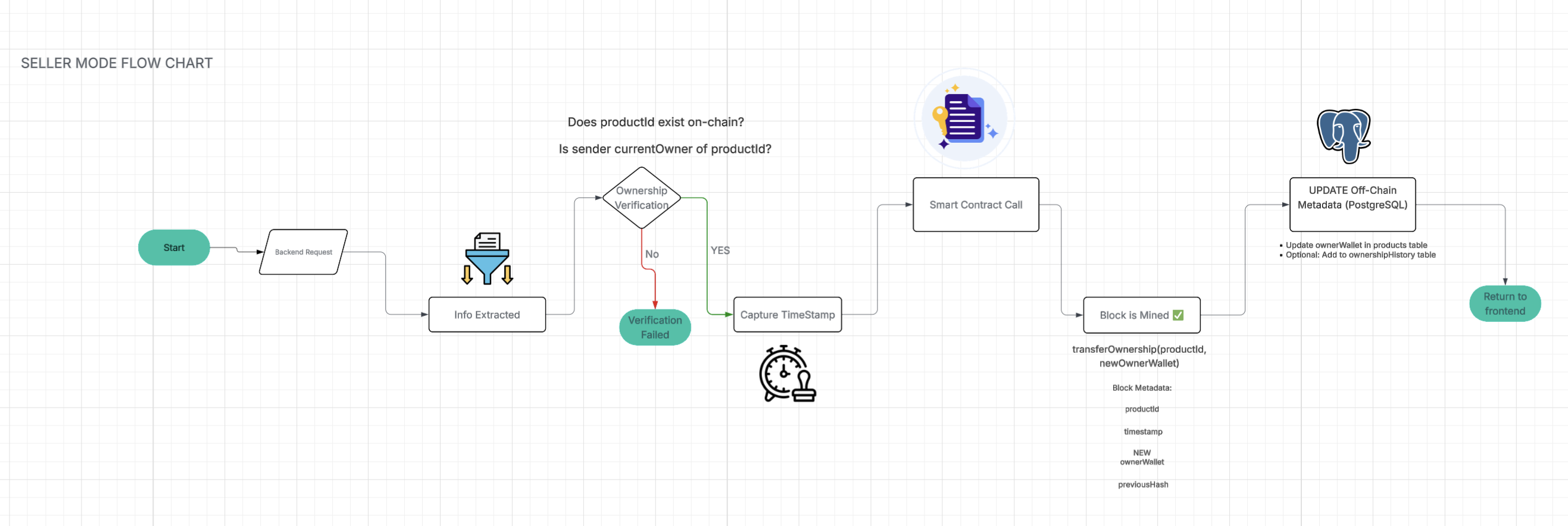
Seller Mode Flowchart
-
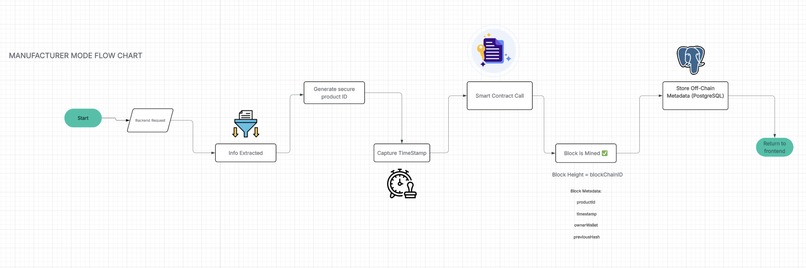
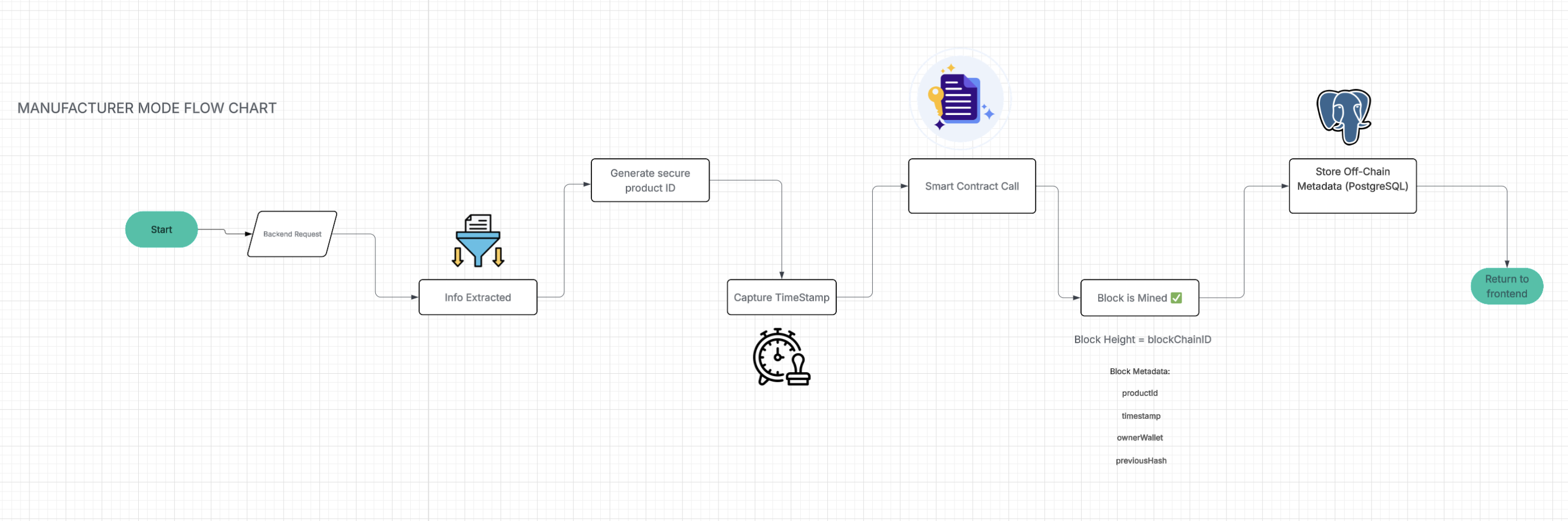
Manufacturer Mode Flowchart


🎯Inspiration Have you ever been scammed into buying something that looked real… but wasn’t?
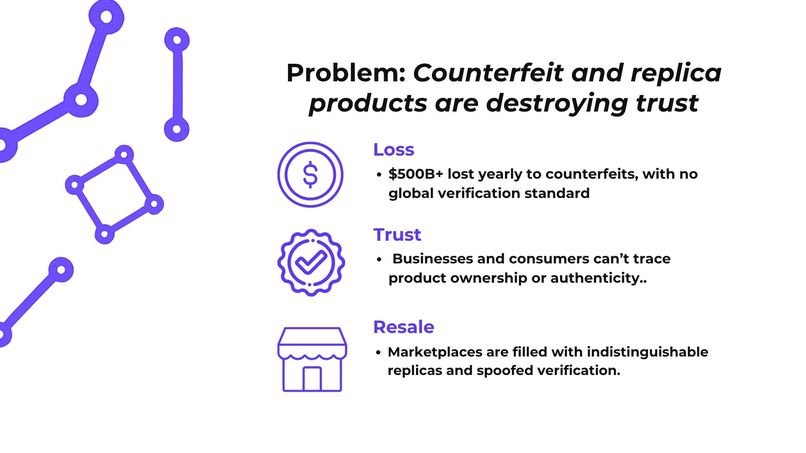
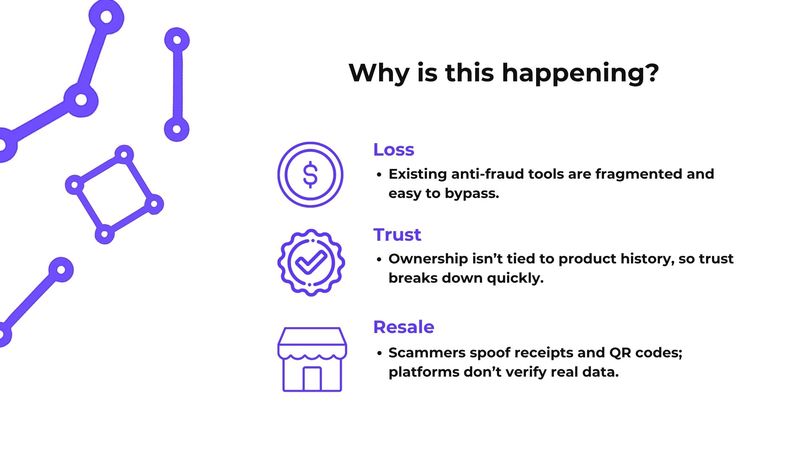
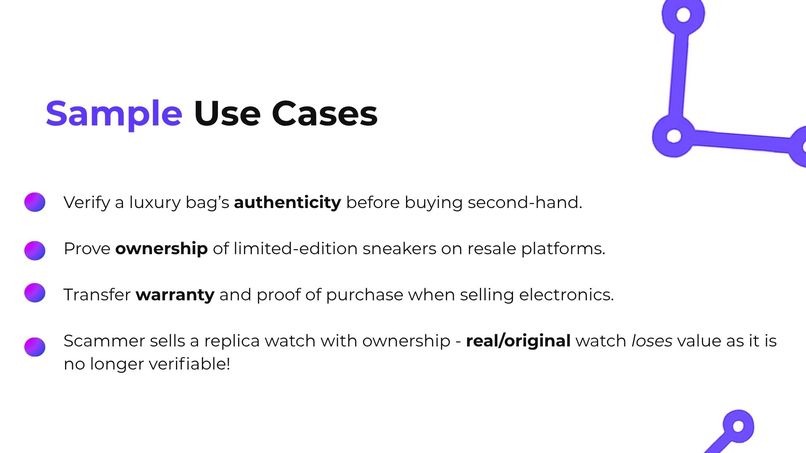
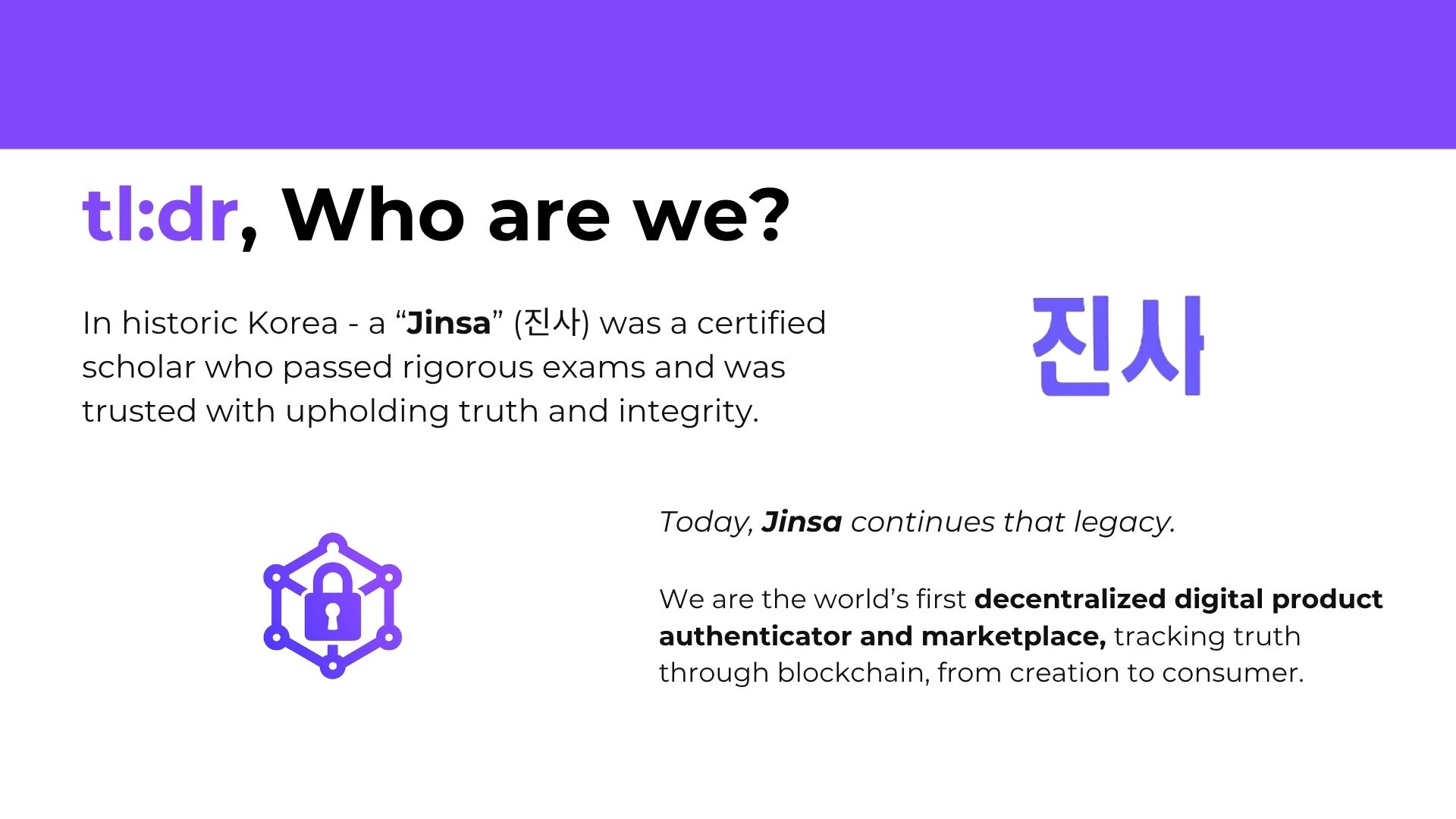
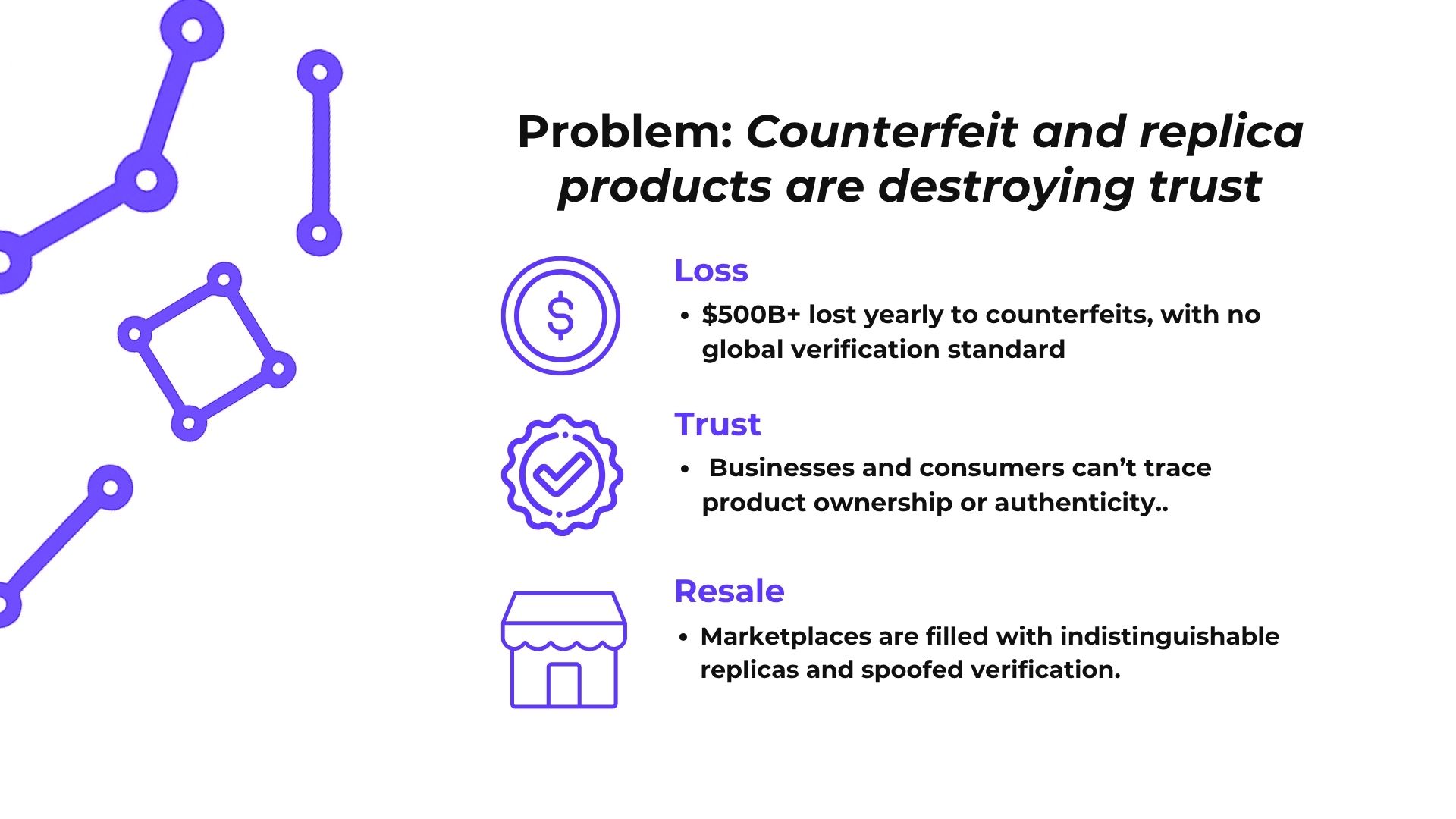
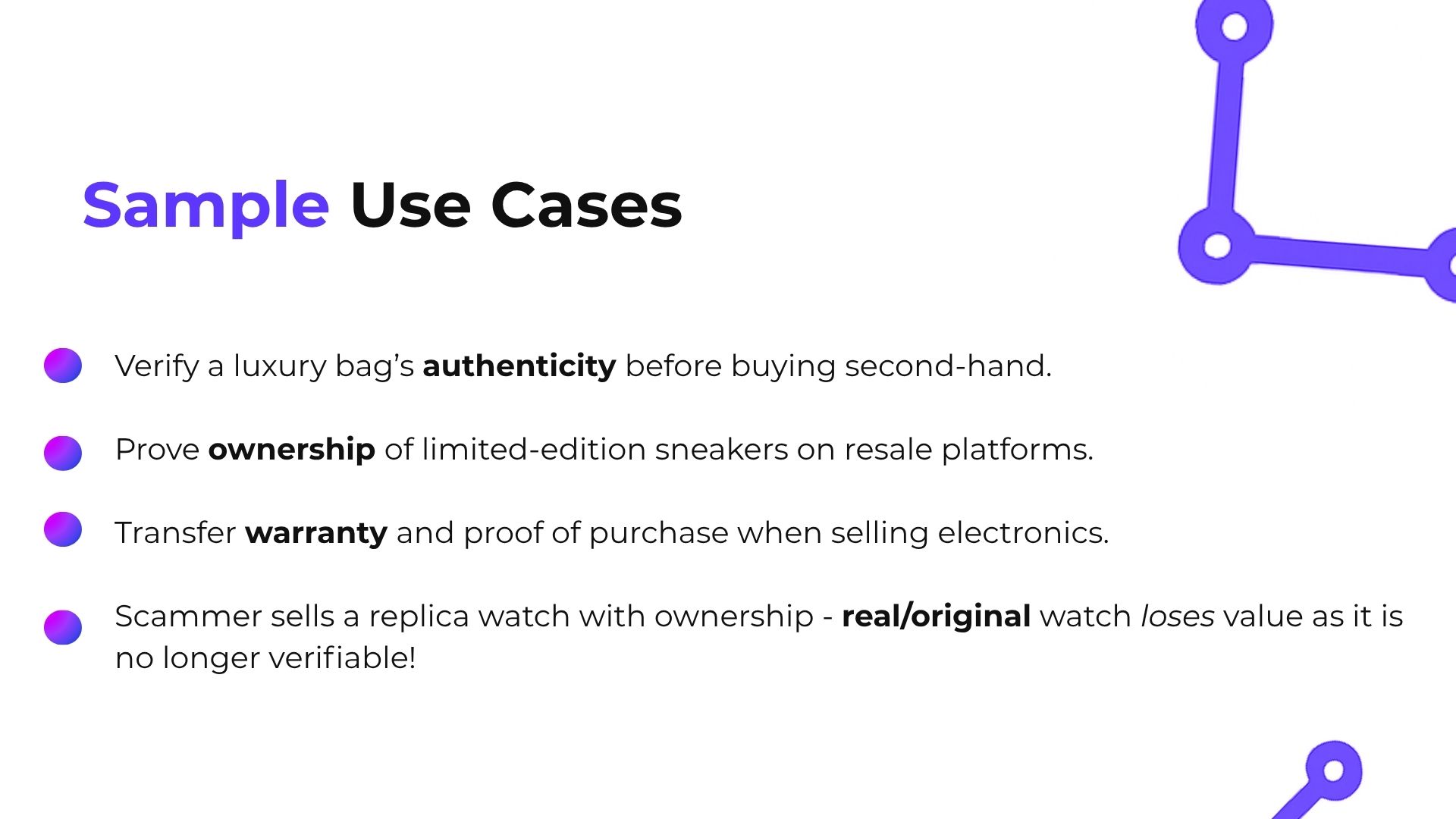
One of us bought a "limited-edition" designer watch from a local resale group. It came with the box, receipt, and even a QR code that led to a verification site. But when we looked closer, it was a replica a high-quality fake. The QR code was cloned. The receipt was just a good print job. And worst of all, we had no way to prove it wasn’t the real deal. The original product? Still out there, but now its legitimacy was destroyed.
That one moment of being scammed sparked the idea for Jinsa.
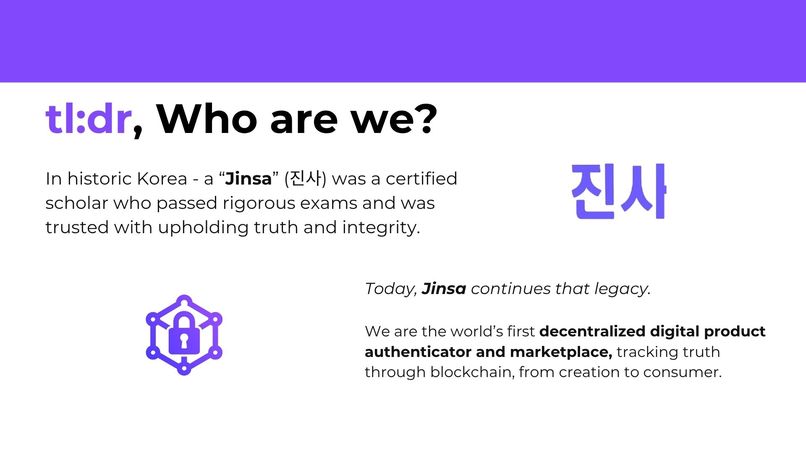
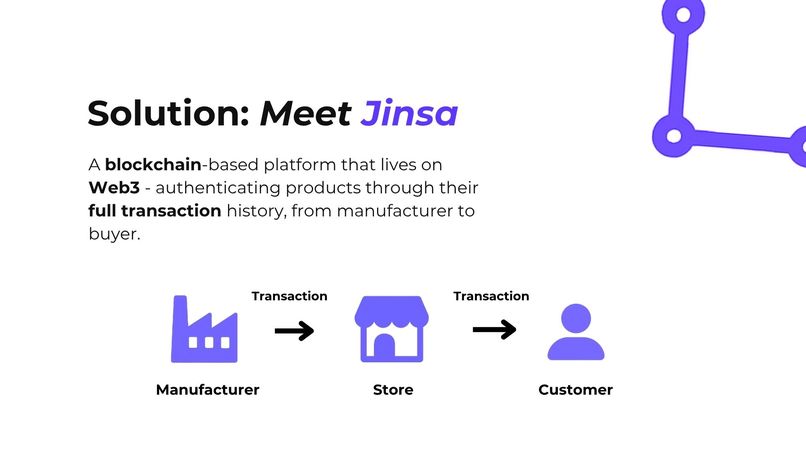
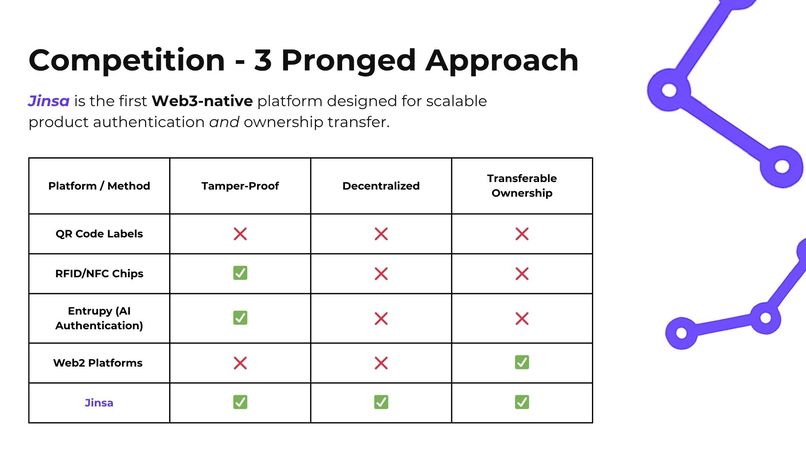
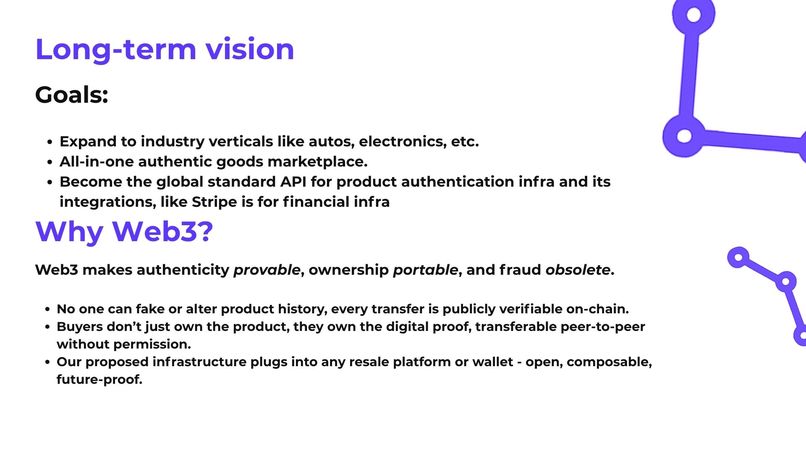
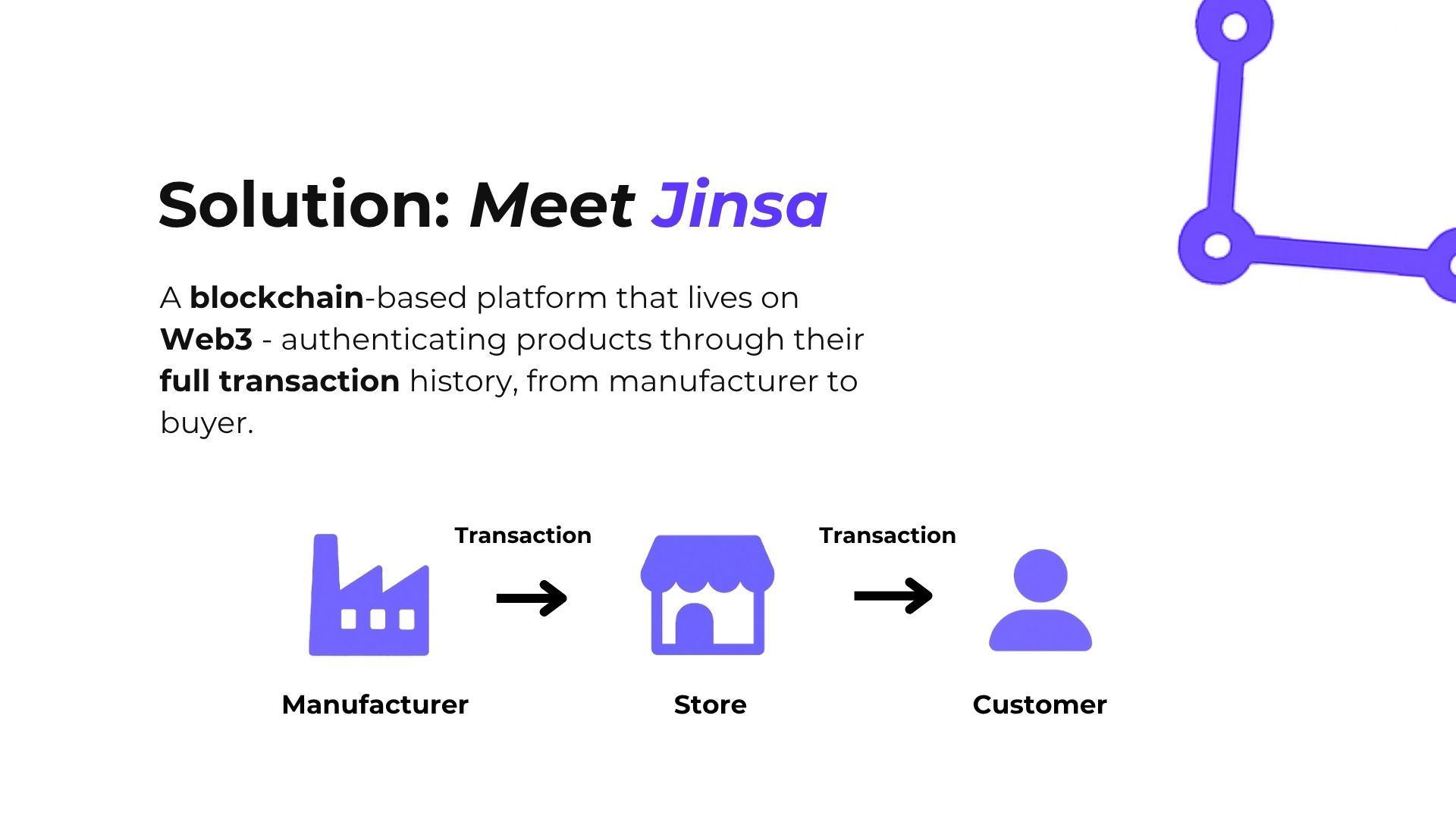
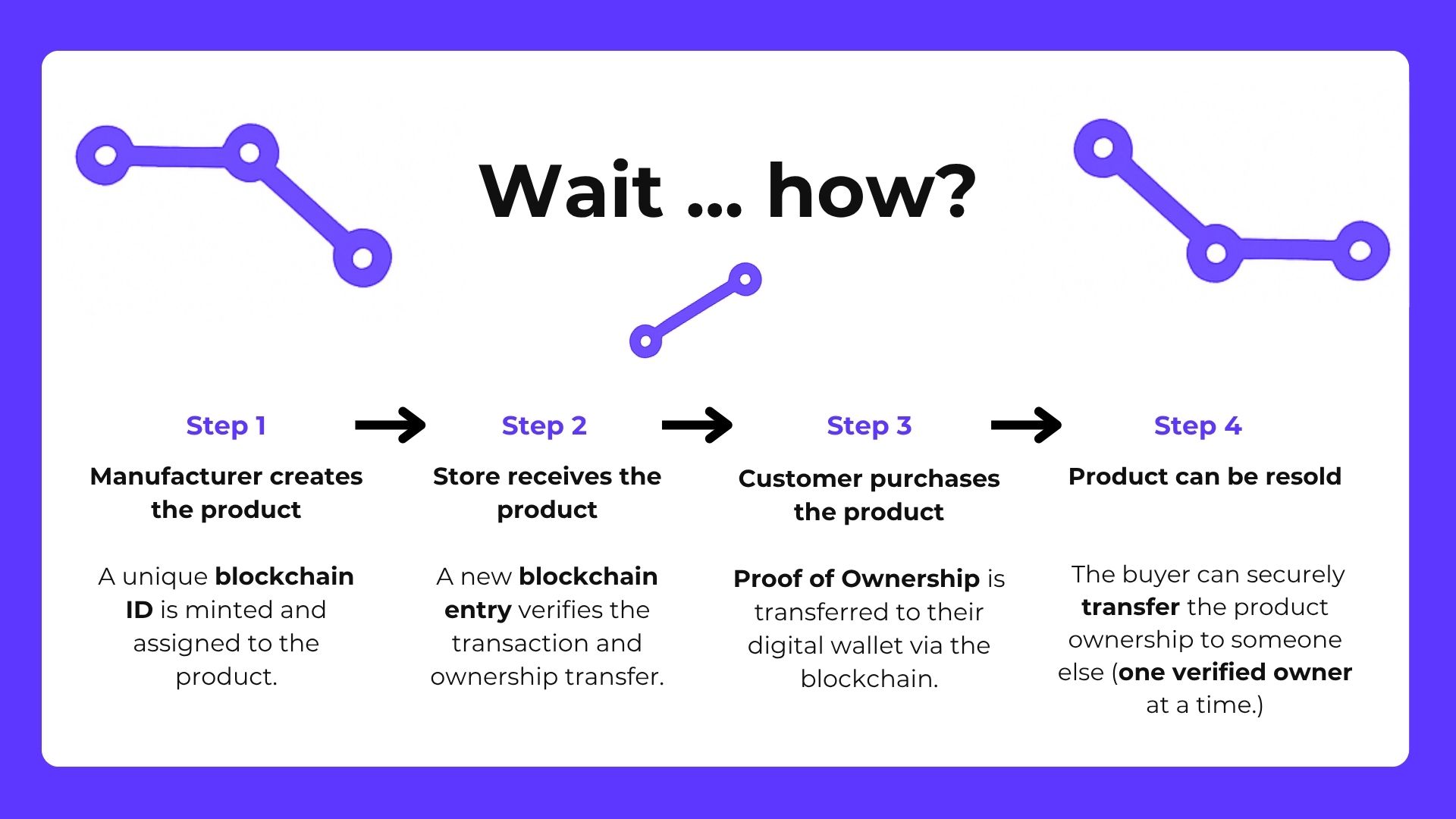
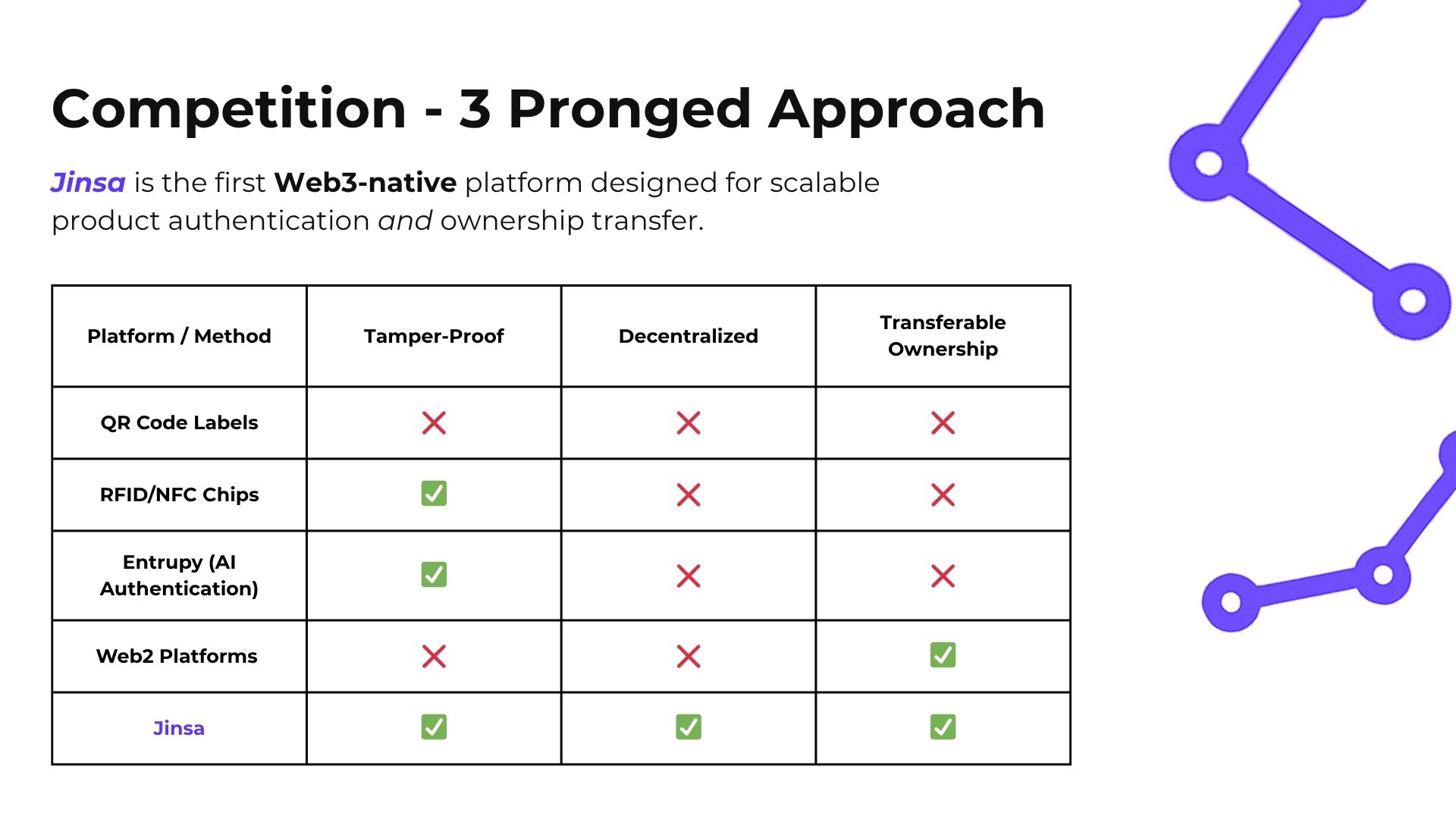
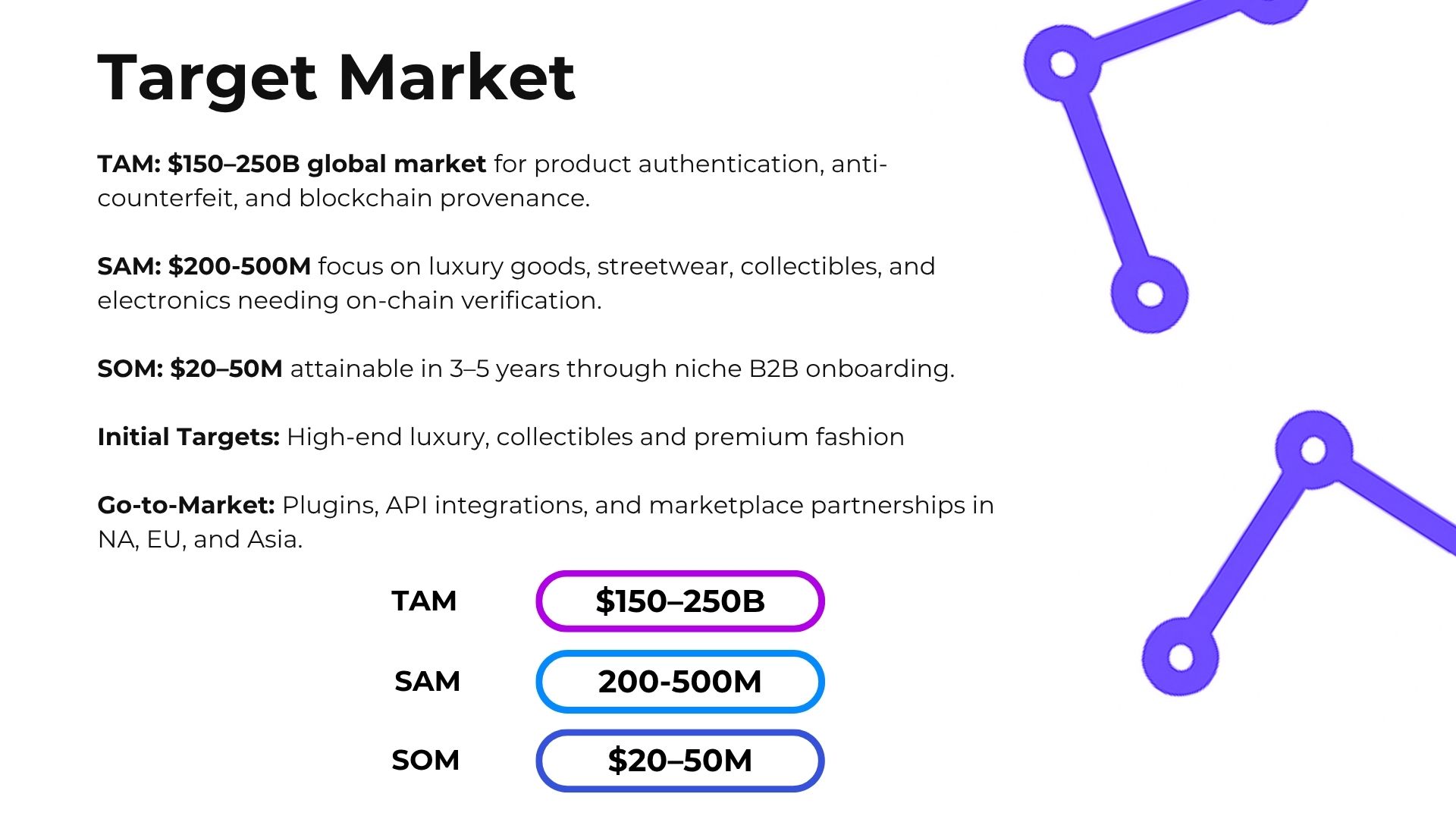
🔐 What It Does Jinsa is a decentralized platform that protects both brands and buyers by authenticating physical products on the blockchain and tracking ownership over time.
Using smart contracts and wallet-based authentication, Jinsa:
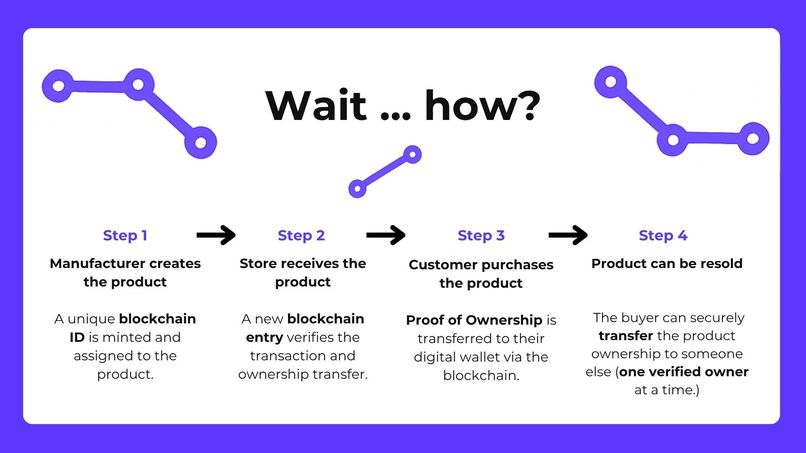
Creates a unique digital ID for each product at the point of manufacturing
Tracks every ownership transfer on-chain, from factory to reseller to customer
Lets users verify authenticity instantly using a web portal and QR code
Makes resale fraud-proof by ensuring ownership can only be transferred by the real owner
Its product trust is built into the fabric of blockchain.
🛠 How We Built It We broke Jinsa into three parts:
Frontend – Built with React.js, TypeScript, and Tailwind CSS, with a clean verification portal.
Backend (Not Yet Implemented) – Powered by Flask and PostgreSQL, storing off-chain metadata for fast product lookup and wallet-owner mapping.
Smart Contracts (Not Yet Implemented) – Written in Solidity using Hardhat, deployed to an Ethereum-compatible chain (Polygon/Base) with MetaMask integration for wallet-based ownership.
When a product is created, we hash the wallet, product name, and timestamp to generate a unique ID. Smart contracts then log ownership, while optional IPFS support can handle decentralized storage for packaging/media.
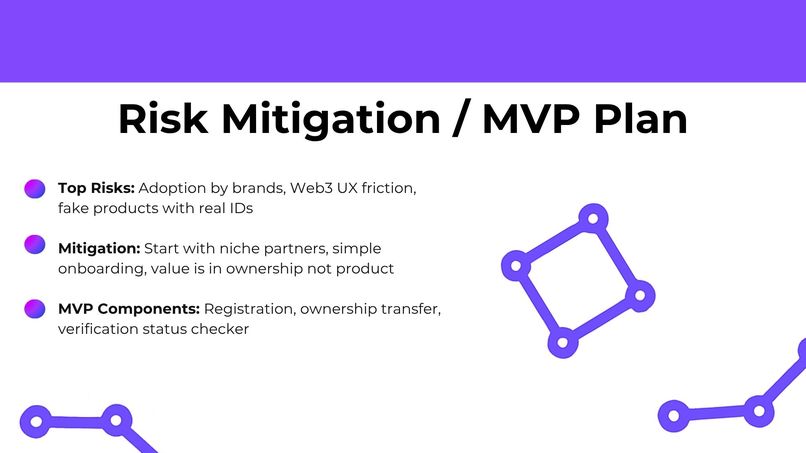
🚧 Challenges We Ran Into Designing a secure, trustless ownership system that’s intuitive for non-Web3 users
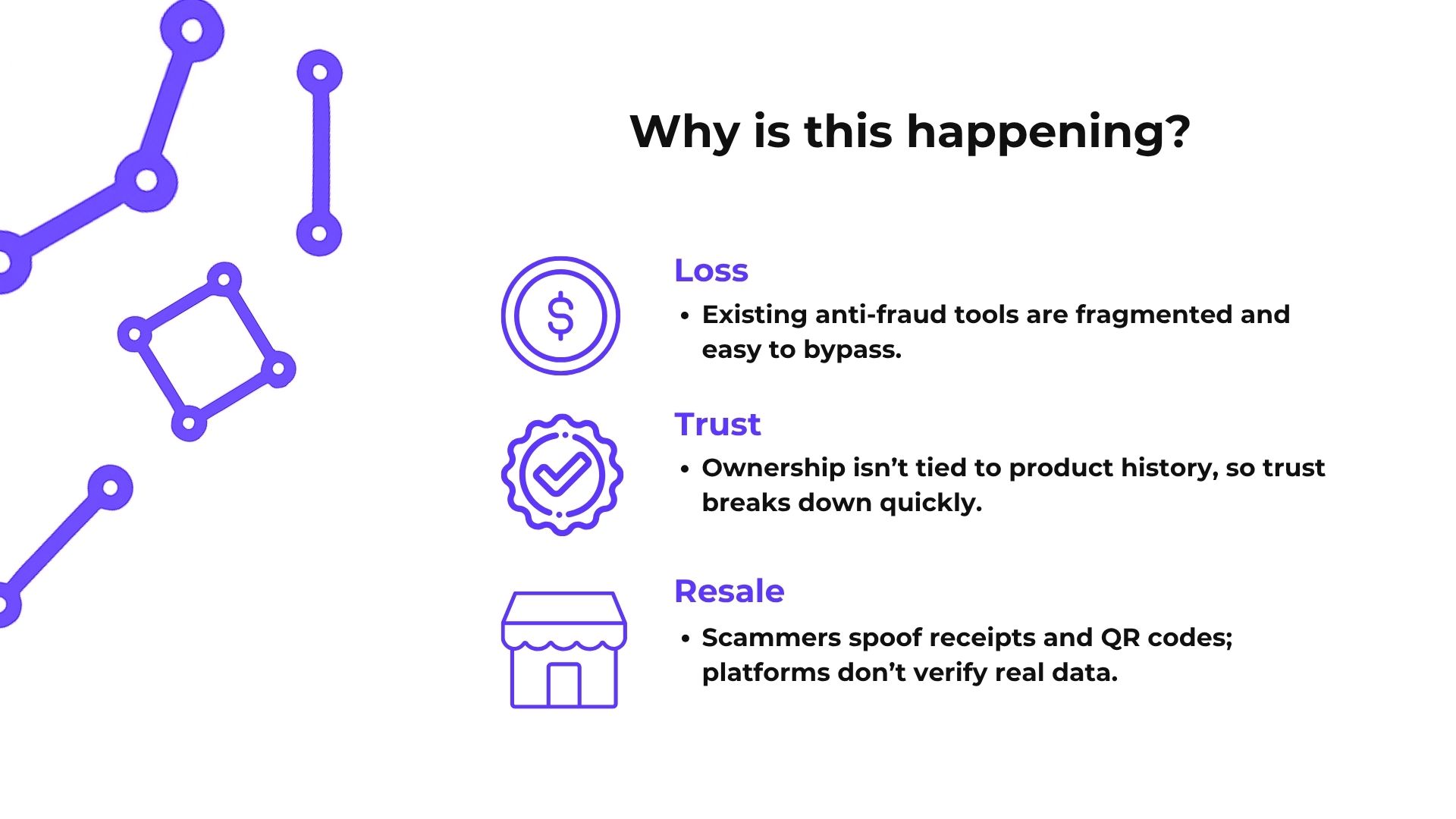
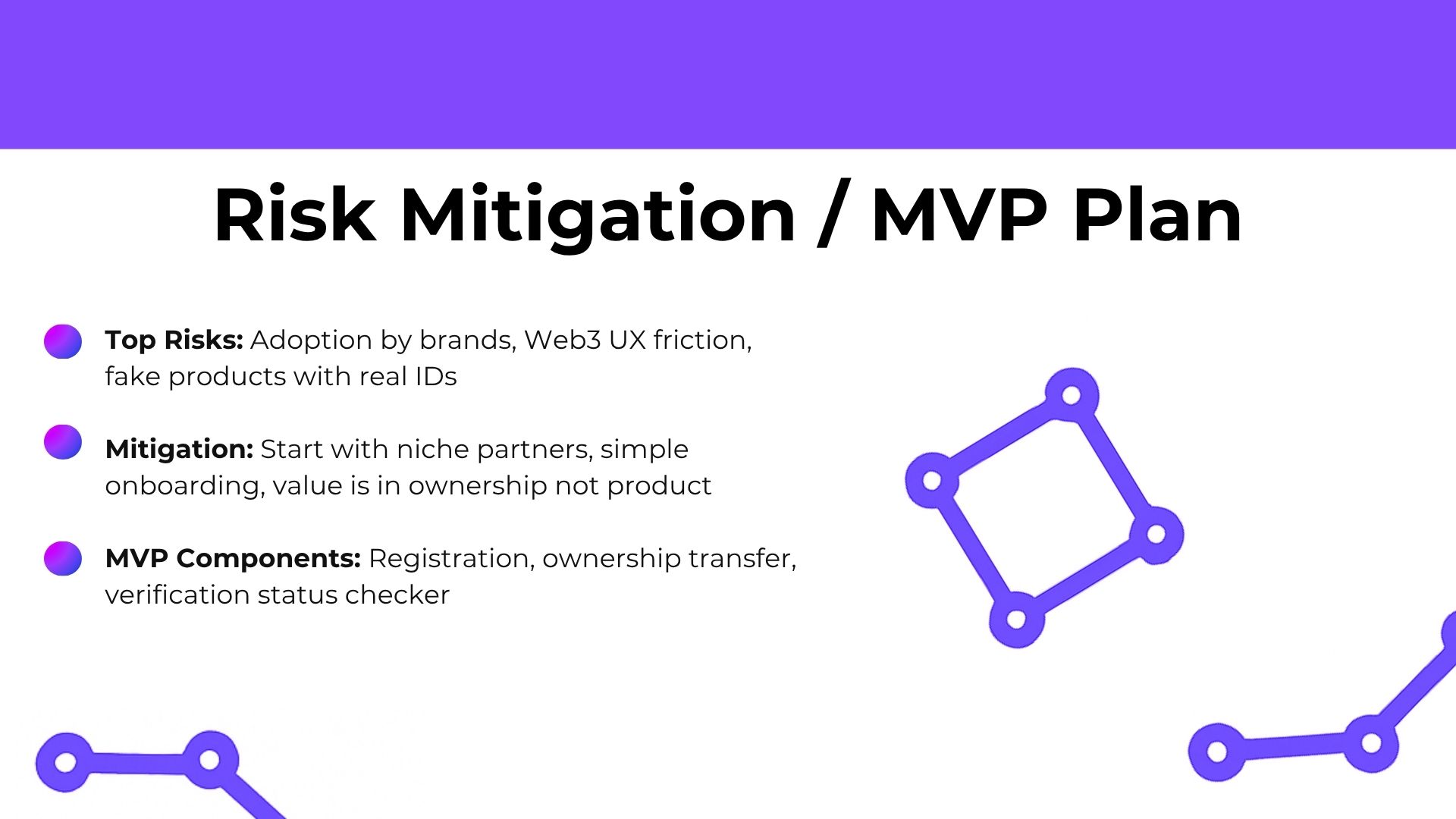
Preventing bad actors from attaching real blockchain-authenticated IDs to fake products
Ensuring that ownership and authenticity live on-chain, not just in easily copied QR codes
Building a flow that detects and invalidates duplicated or misused authentication records
Addressing privacy concerns, especially for high-value product owners whose wallet addresses could potentially be tracked across resale or public verification tools
🏆 Accomplishments That We’re Proud Of Developed a rough technical architecture for blockchain-based product authentication and ownership tracking
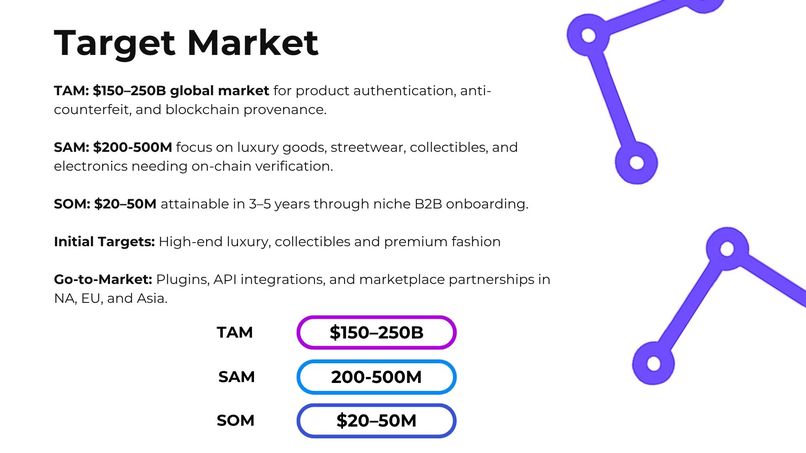
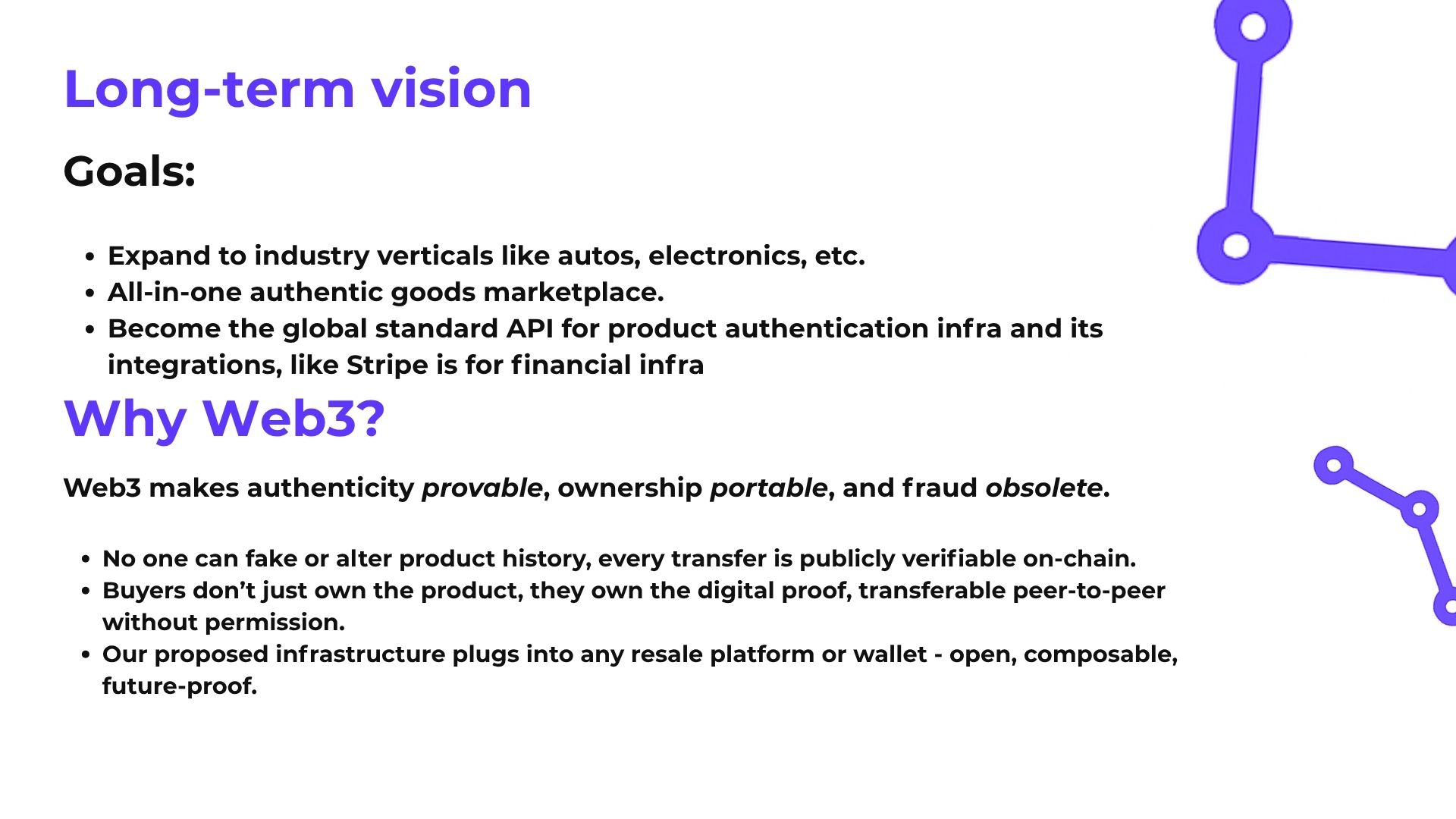
Identified real-world use cases across resale, collectibles, electronics, and luxury goods
Mapped out how to bridge on-chain trust with a smooth, user-friendly off-chain experience
📚 What We Learned The resale ecosystem is broke,n and current verification tools are not nearly enough
Smart contracts are powerful, but real adoption depends on great UX
Web3 and traditional systems can co-exist when designed with interoperability in mind
A product’s authenticity and ownership must be portable, provable, and public, especially in the age of AI and fake everything
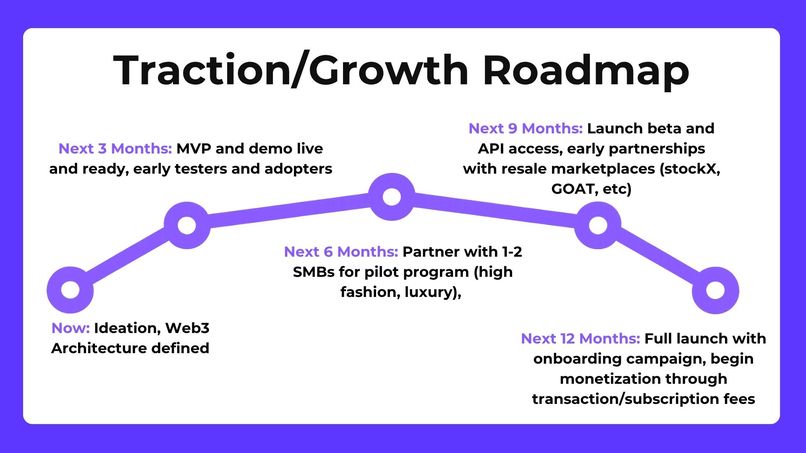
🚀 What's Next for Jinsa Finalize and refine our smart contract logic for product registration and ownership transfer
Build an interactive prototype to simulate the ownership verification flow end-to-end
Conduct user interviews with resellers, collectors, and brand owners to validate our assumptions
Design and test a lightweight demo that scans a QR code and verifies a mocked blockchain record
Explore blockchain platforms (Polygon, Base) for low-cost, scalable deployment
Built With
- flask
- hardhat
- metamask
- polygon
- postgresql
- react.js
- solidity
- tailwind
- typescript

Log in or sign up for Devpost to join the conversation.