-

-
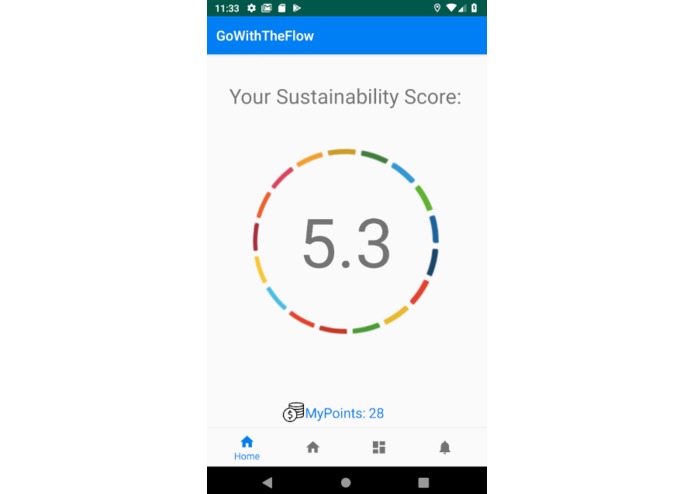
Main page
-
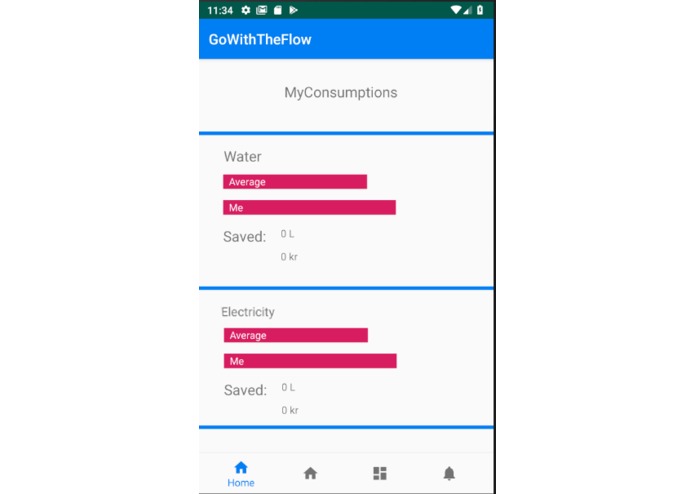
Stats

Aim of the project
Raising awareness for climate change
Inspiration
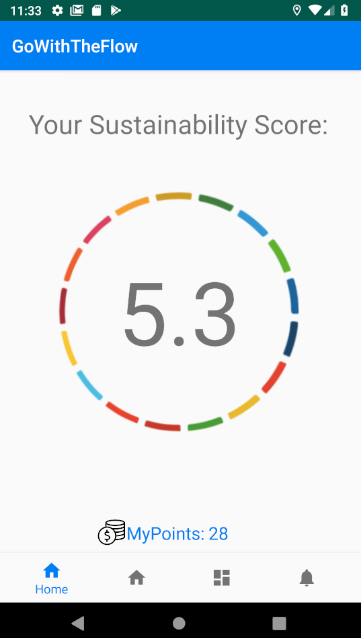
The goal of the product is to raise awareness of your household consumption. This is achieved by giving the user direct access to see how much heat, water and electricity they are using. The application can predict what the spending will be for the next month and challenge the user to use less than average. This relates to the scoring system of the application. The user has two different scores a sustainability level and a total score. The sustainability level reflects how good you are at saving and not being wasteful.
What does the app do?
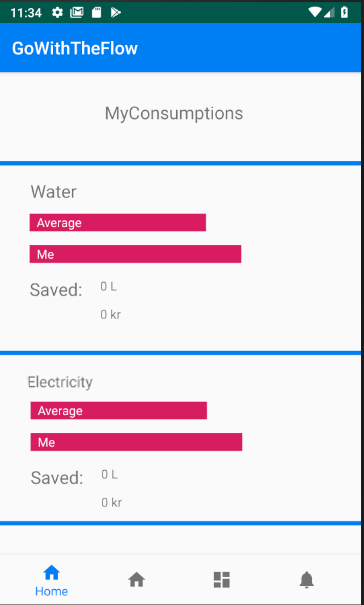
The data in the app is based on data collected in the past. From this data a model is build. This predicts what the user will spend in terms of utilities for the next month. The average of all heat, water and electricity usage is calculated from all users. Challenging them to use less then average. It would be possible to compare households with households. Neighbourhoods with neighbourhoods. Cities with cities. From governmental level this would encourage cities to look at their consumption since no city wants to be on the bottom of the list. Cities on the top of the list could get benefits, for example tax cuts or promotion for their city. The awareness of use would come to every citizen through the app.
Sustainability for every user tells the person how much more or less they spend than the average citizen. Currently this is only for heat, water and electricity usage. In the future this would amongst other things include how good they are at recycling, having a “Green commute”, what you eat (meat needs a lot of water). Making people more aware of what makes an impact on the environment.
The app would include advice on how to “level up” your sustainability level. And making the more aware on how much water is usually spent on a shower, doing laundry and more.
Total score represents the total score of the user from when they sign up. Certain actions will positively or negatively influence this score. One example is the average water usages, spending less adds to the score and spending more adds decreases it.


Log in or sign up for Devpost to join the conversation.