
Inspiration
One of the main inspirations for our fitness app, FitAI, was the recognition that many people around the world do not have access to a gym or personal fitness professionals, such as trainers or nutritionists. We wanted to create a solution that would allow users to adopt a healthy lifestyle from the convenience of their own home. FitAI is a fitness app that aims to motivate and guide users toward a more health-conscious lifestyle, with a focus on providing personalized exercise and nutrition plans.
What it does
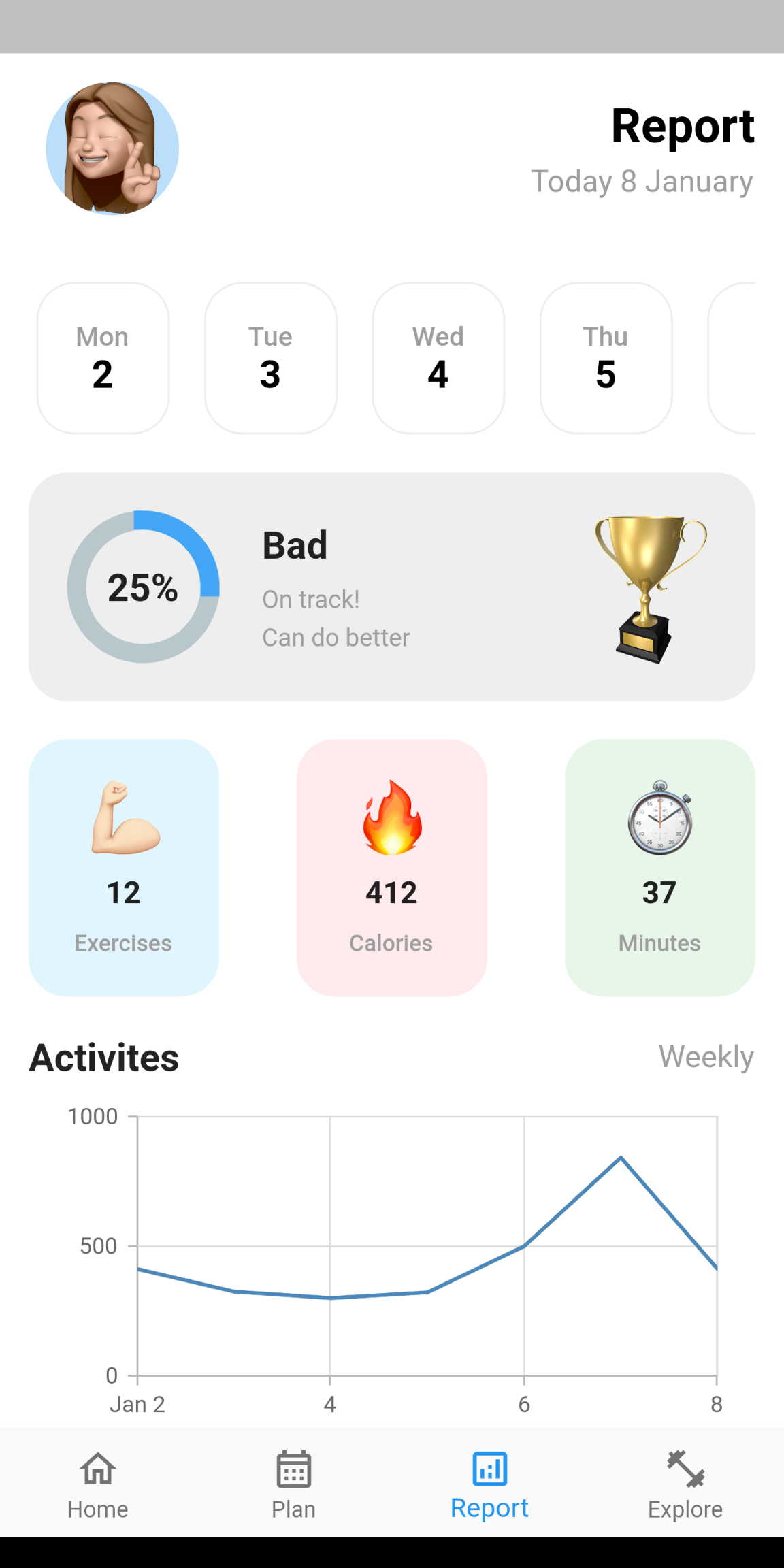
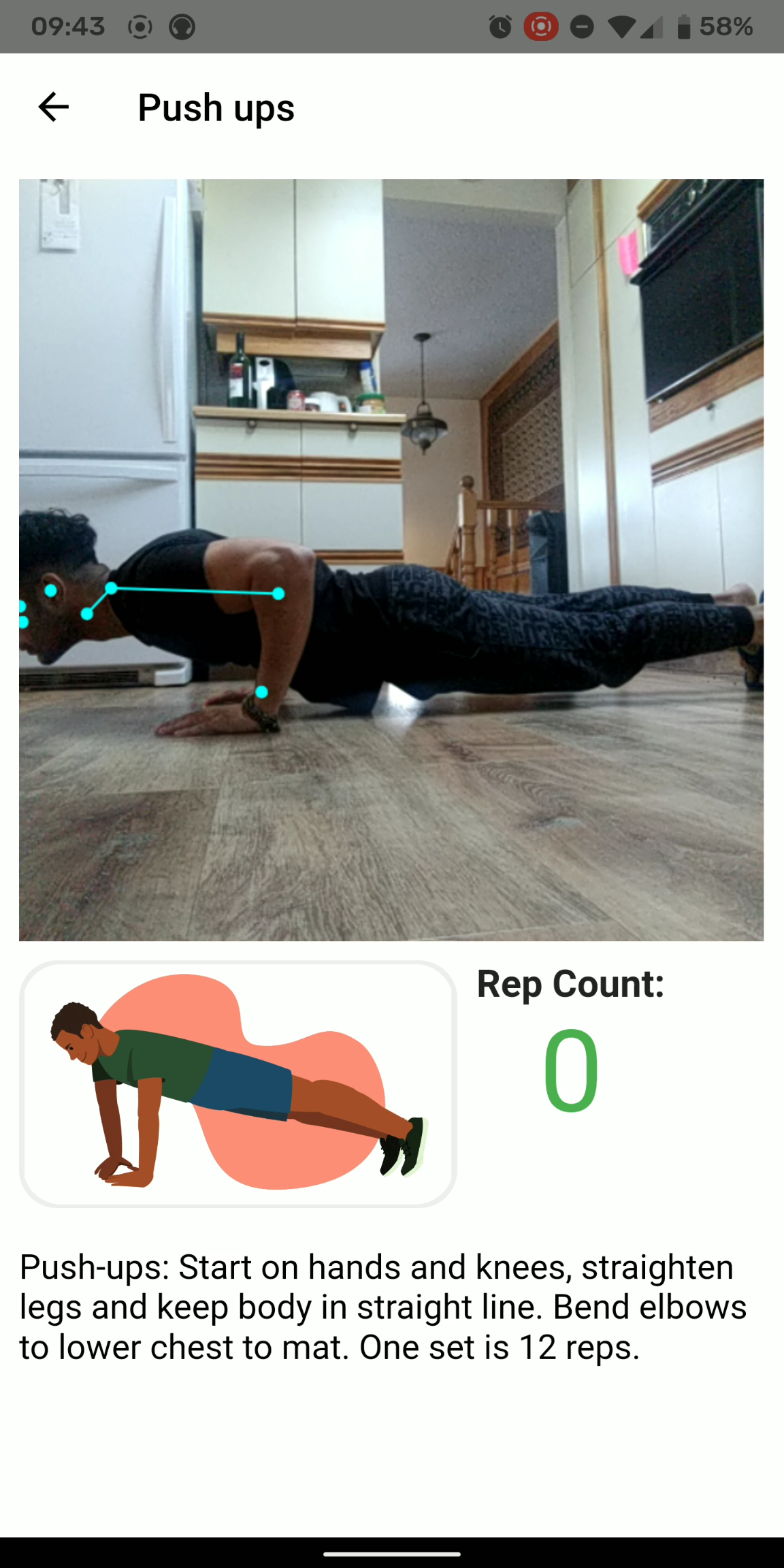
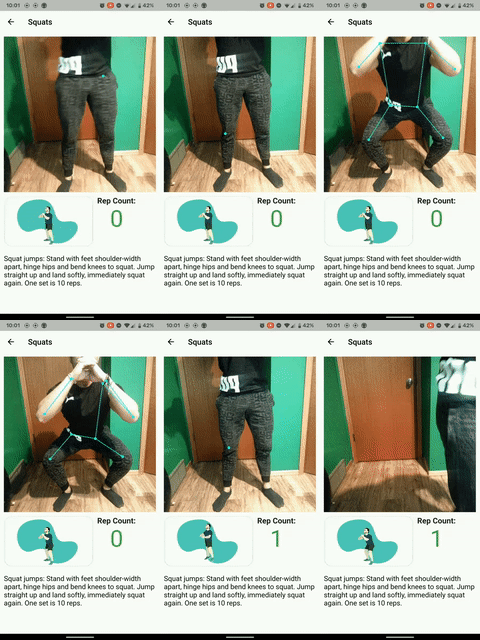
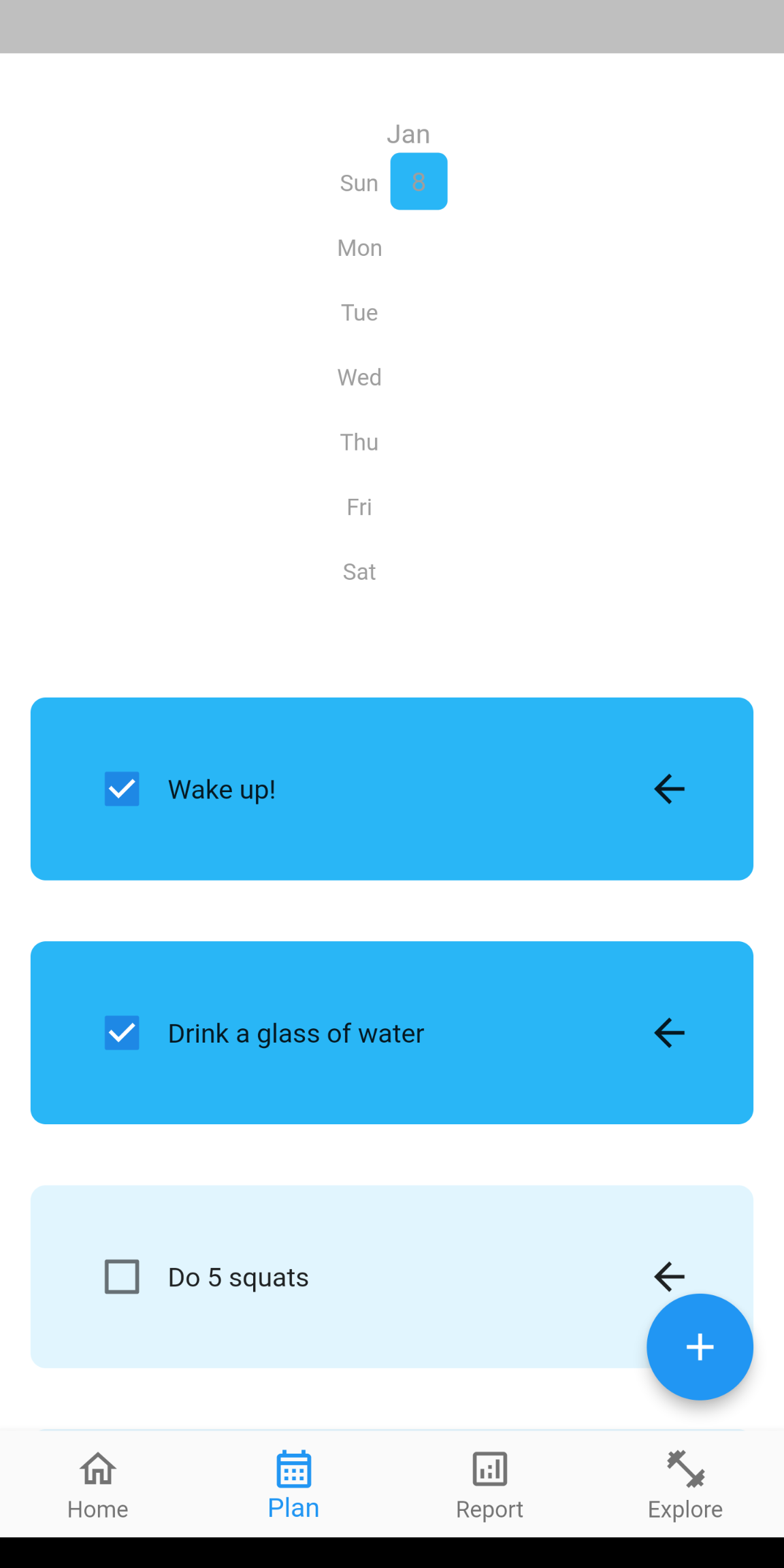
FitAI is a comprehensive fitness program that utilizes scientific principles to help users achieve and maintain their fitness goals from the comfort of their own home. The program combines elements of strength training and conditioning, nutrition, and habit development to provide a holistic approach to fitness. One of the key features of FitAI is its ability to track various health metrics, including the number of calories burned during exercise, daily steps taken, and sleep patterns. It also includes a form detector that provides accurate feedback to help users improve their technique and achieve optimal results. By collecting and analyzing this health data, FitAI is able to provide users with in-depth analysis of their progress and offer personalized recommendations for improvement. This combination of tracking, analysis, and guidance makes FitAI a powerful tool for anyone looking to improve their overall fitness and well-being.
How we built it
Machine Learning
FitAI implements Tensorflow for computer vision to detect joints and movement that provides landmarks of major body parts. Mathematical models in Javascript are used to compute and analyze the form of the user and provide the user feedback based on it.
Front-End
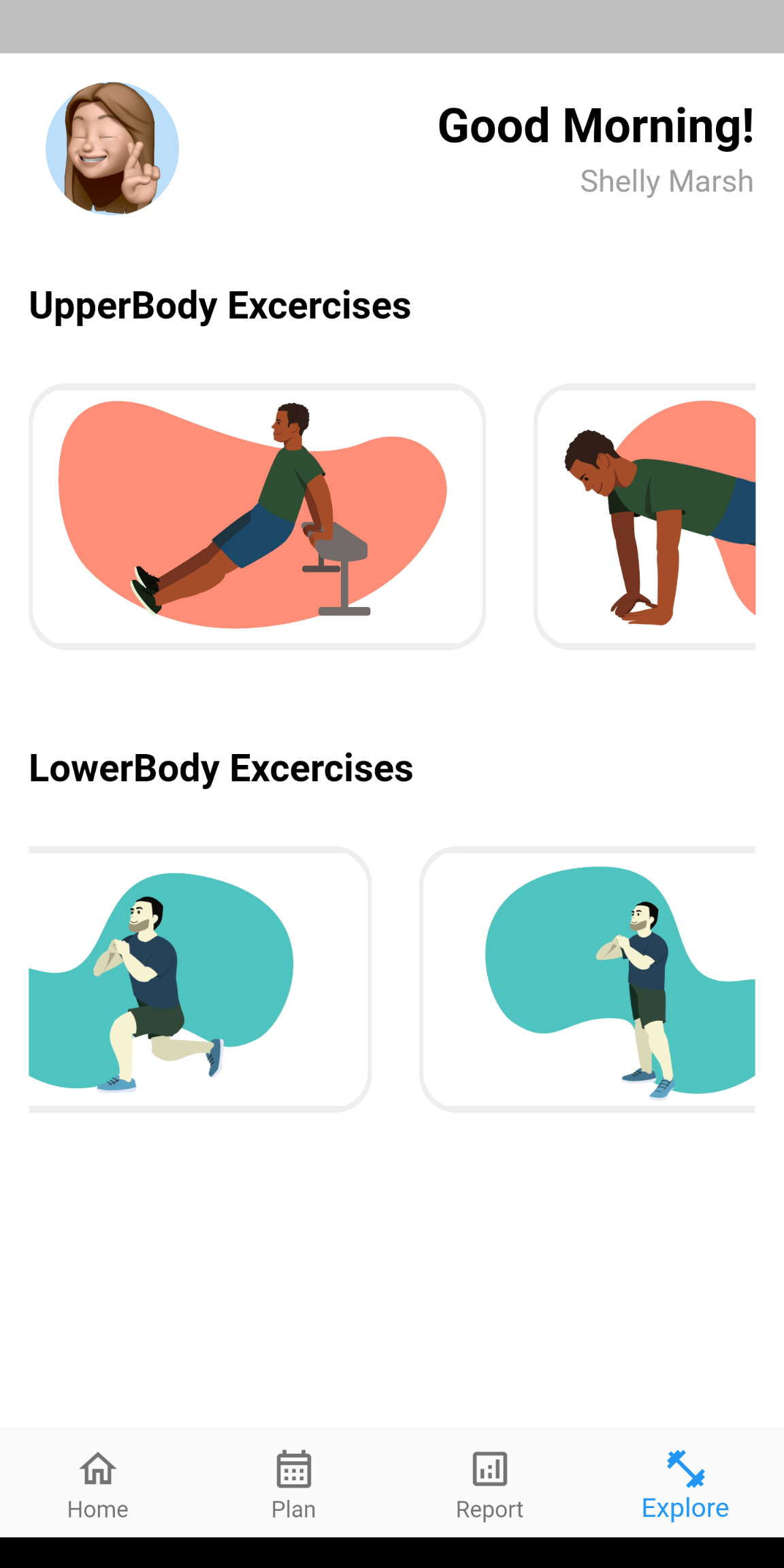
The UI and UX were created entirely in flutter and dart to be compatible for Android devices with high quality visual elements.
Back-End
The backend of FitAI was implemented using the django framework in python which allows us to keep track of the user’s previous data. Storing this data lets us give the user an in-depth analysis of their progress.
Challenges we ran into
Our greatest challenge was integrating the frontend and the backend along with constraints in our detection module. Since, we were not sending the videos captured to the server, we had to analyse the form using the limited computational power of a phone. Making these models effective as well as lightwork was a major challenge. We chose not to send the videos to the server to respect the privacy of the users.
Accomplishments that we're proud of
Our greatest accomplishment was making the UI/UX entirely on flutter even though it was the first time we were using it. Getting the machine learning model to work on a mobile device was another major achievement considering the limited computational power of a phone compared to a computer.
What's next for FitAI
We want to make FitAI as complete as a fitness app could get. To make sure we hit our target there are some additional functionalities we would like to work on. Some of them are mentioned below:
- Improving model accuracy and adding more workouts. As of now, the app consists of 4 workouts.
- Food detection and nutrition. We had an image classification model working for detecting food and returning their nutritional facts but due to time constraints, we were unable to implement it.
- Providing better feedback. We would want to add a voice note or text-based feedback for the user.
Built With
- dart
- django
- flutter
- javascript
- tensorflow


Log in or sign up for Devpost to join the conversation.