-
-
fctslandingpage
-
fctslandingpage1
-
fctslandingpage2
-
fctslandingpage4
-
fctslandingpage3
-
fctsadminlogin
-
fctsadmindashboard
-
fctsshelterslogin
-
fctssheltersdashboard
-
fctssheltersdashboard1
-
fctsshelterslogin
-
fctssheltersdashboard
-
fctssheltersdashboard1
-
fctspartnerslogin
-
fctspartnersdashboard
-
fctspartnersdashboard1
-
fctspartnerschatbotai
Inspiration
In the Democratic Republic of Congo, millions of vulnerable children live without digital identity, follow-up, or access to aid.
Many have been displaced by the ongoing war in the East, others die of hunger or live without access to education, clothing, or medical care.
We asked ourselves: How can technology make invisible children visible again — and connect them to real help?
This question gave birth to Find The Children To Save, a humanitarian digital ecosystem designed to map child care centers, centralize vulnerable children’s data, and connect them directly to humanitarian partners and donors.
What it does
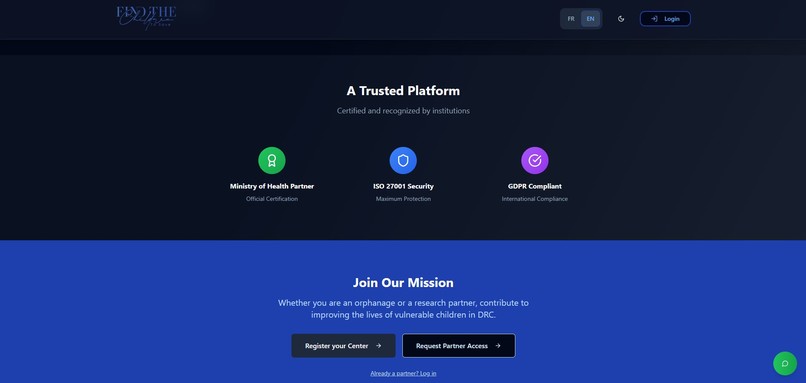
Find The Children To Save is a free, ethical, and secure platform available on web and mobile.
It enables transparent collaboration between child care centers, NGOs, and humanitarian donors to ensure every child is seen, counted, and supported.
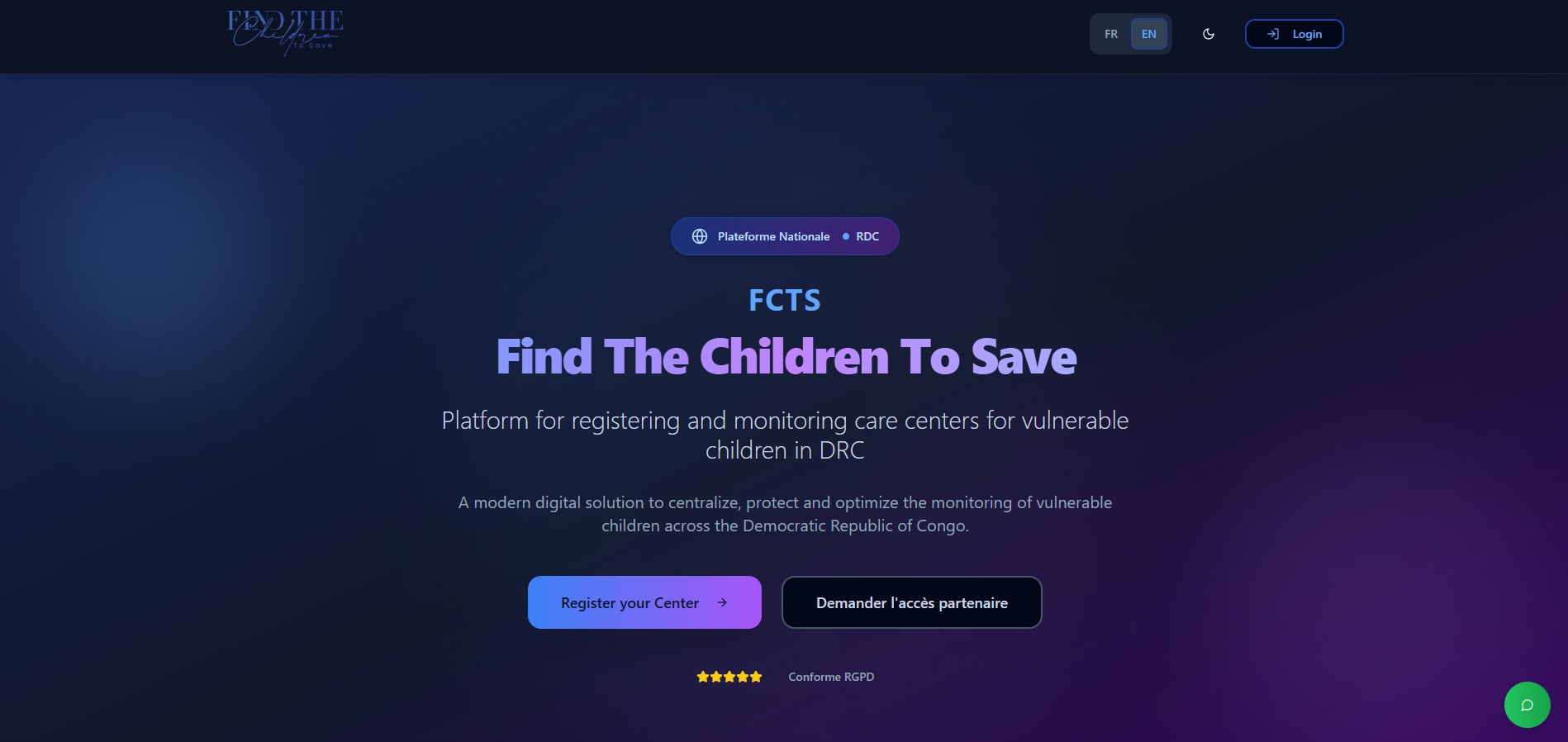
1. Landing Page Overview (
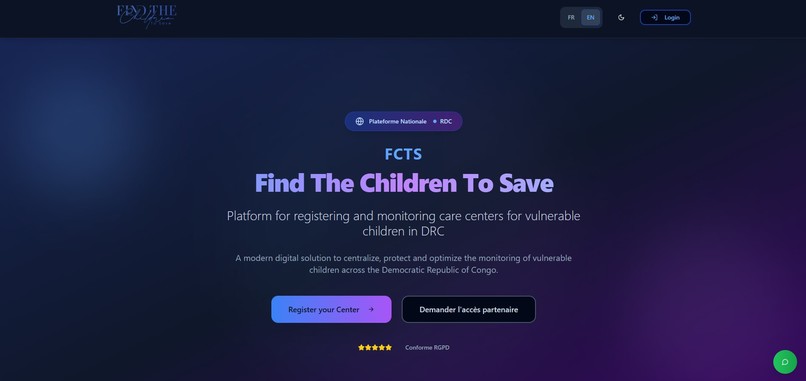
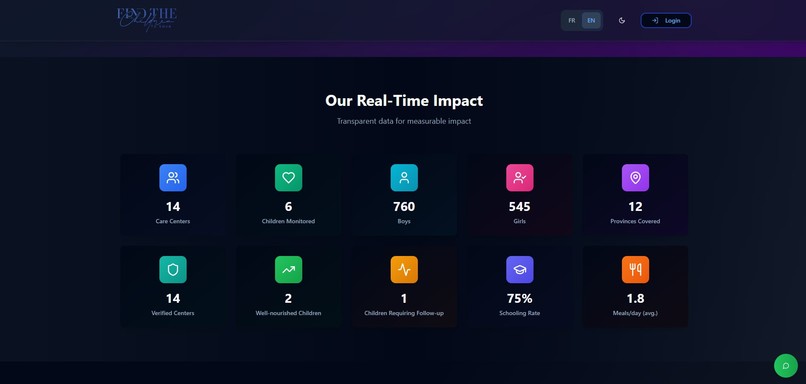
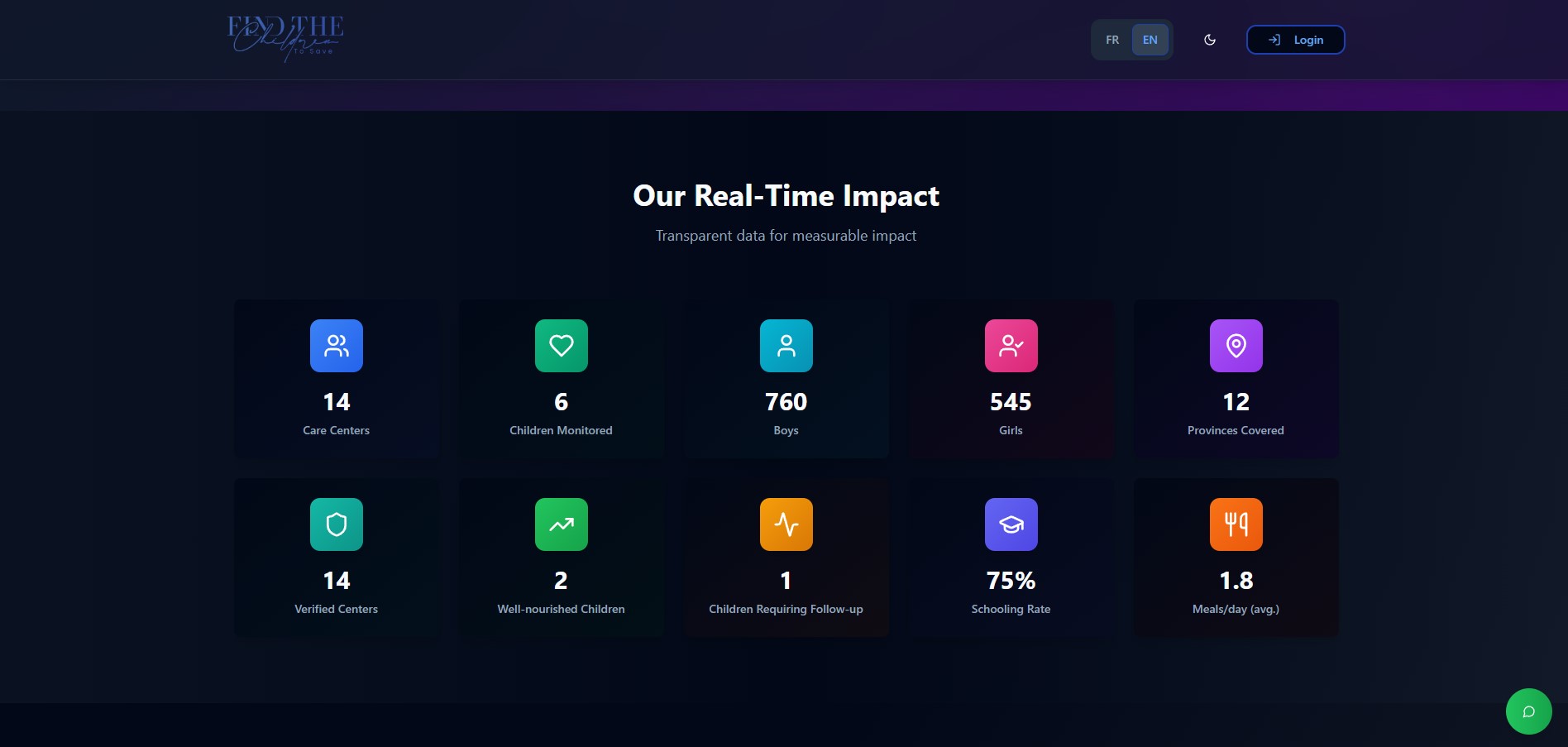
fcts.life)The platform’s landing page provides a national overview with real-time statistics:
- Number of registered child care centers
- Total children monitored
- Gender distribution
- Provinces covered
- Number of well-nourished vs. malnourished children
- Schooling rate
- Average meals per day
2. Child Care Centers
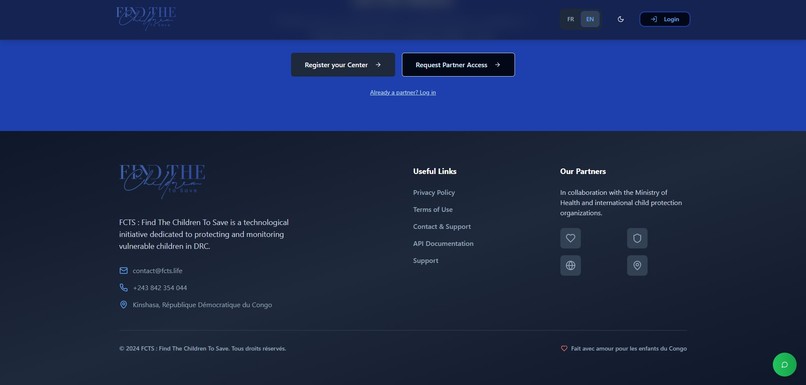
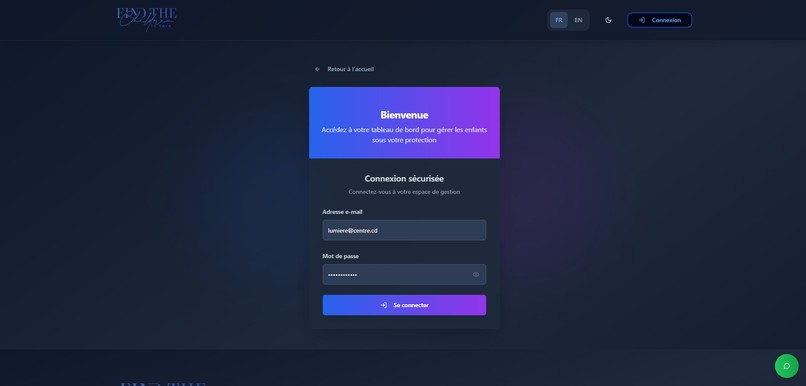
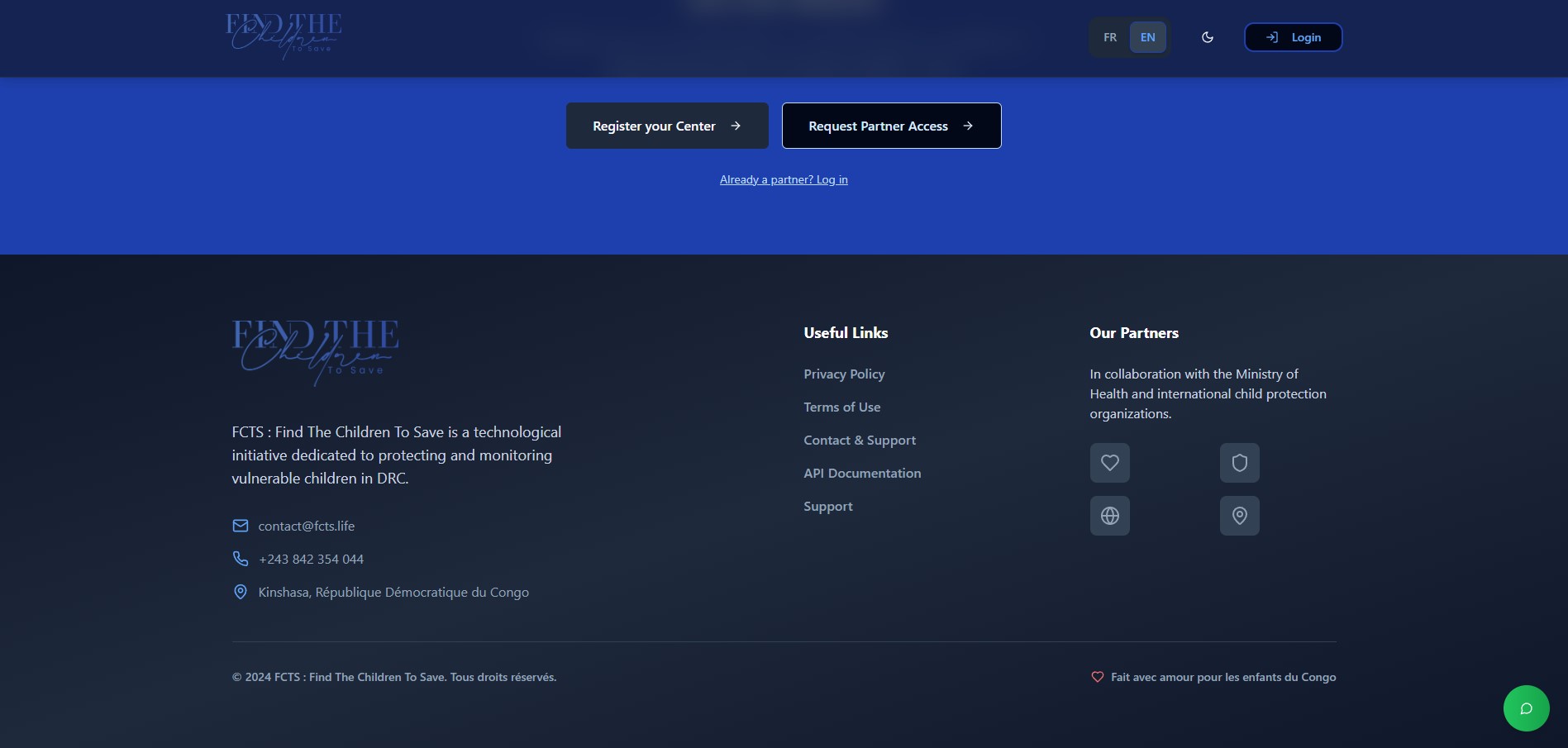
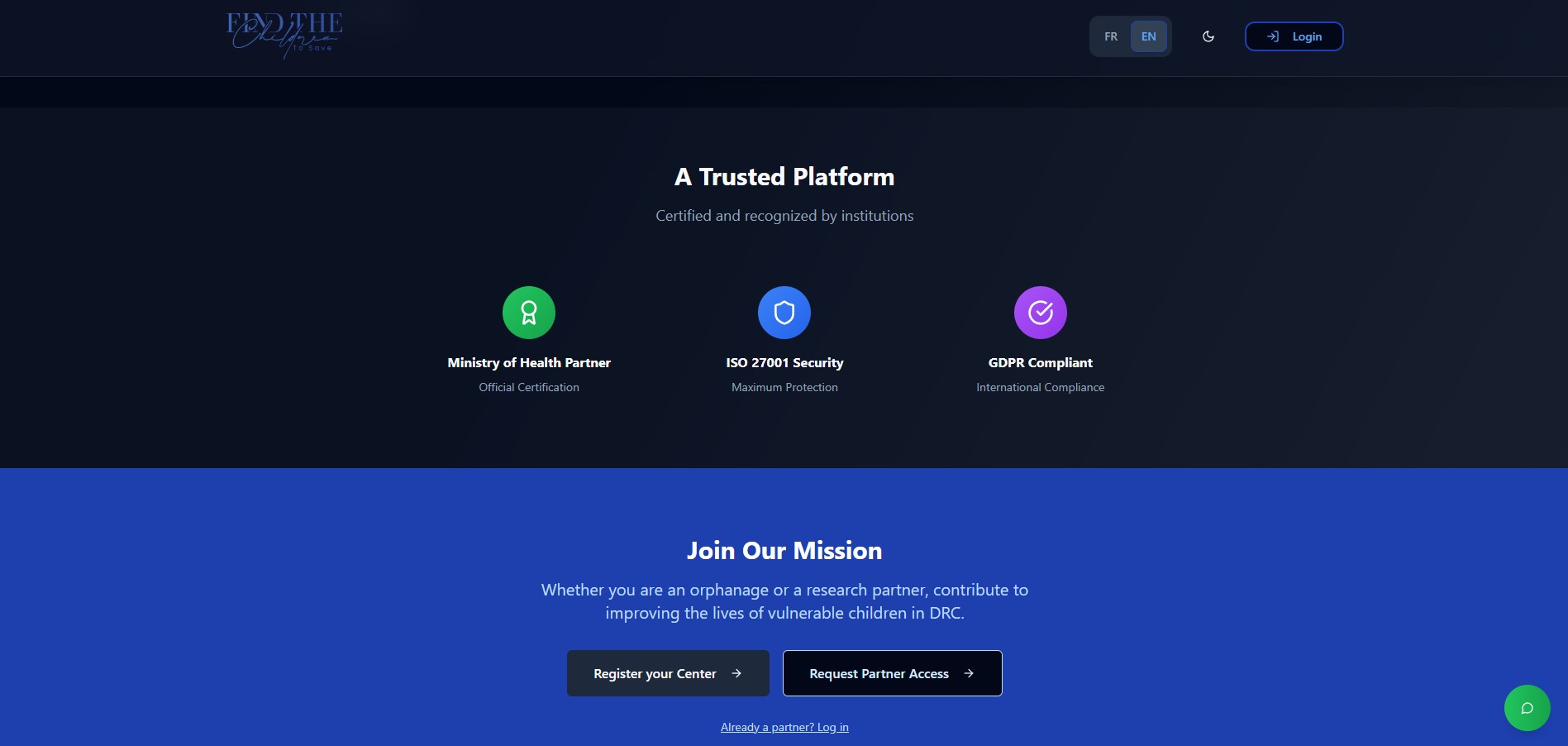
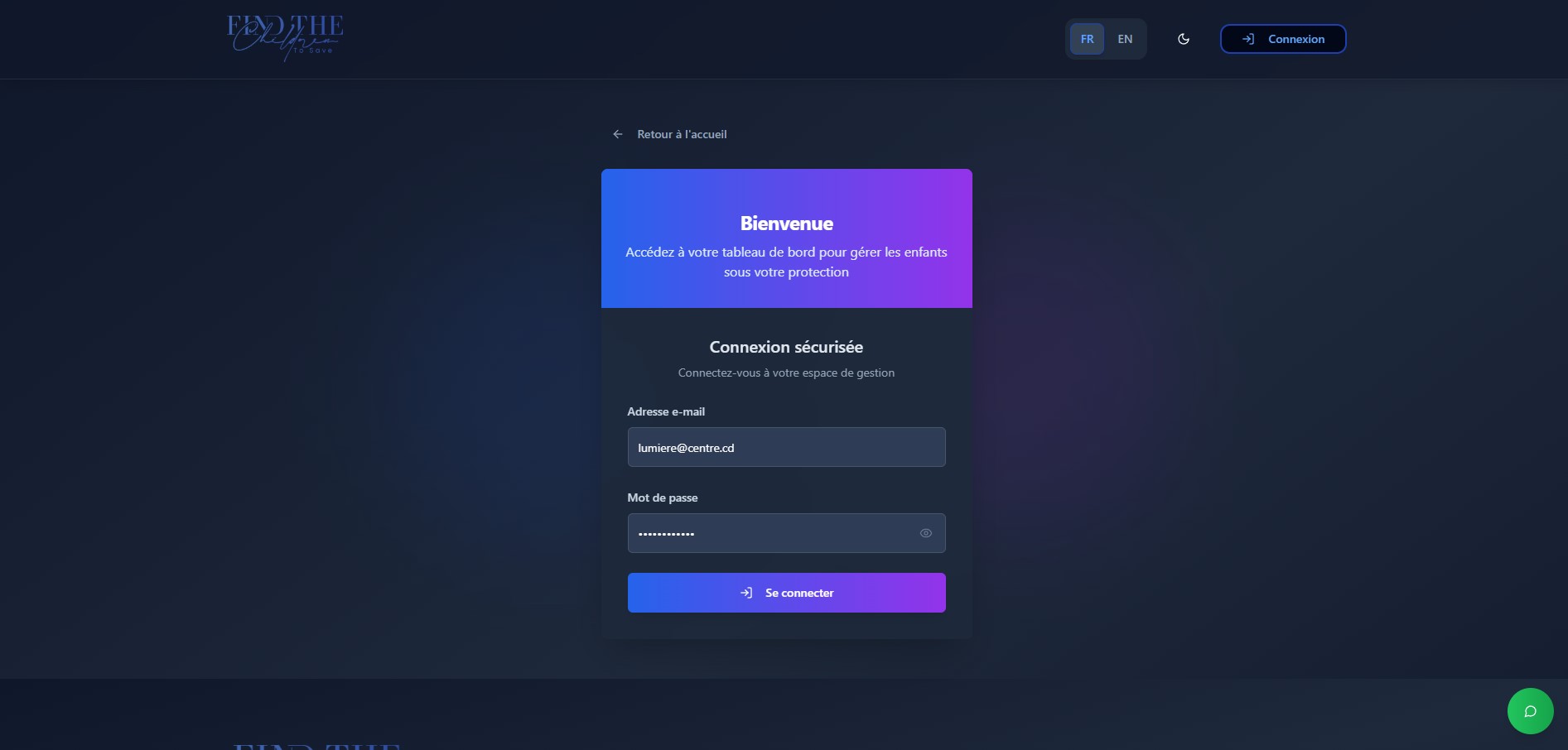
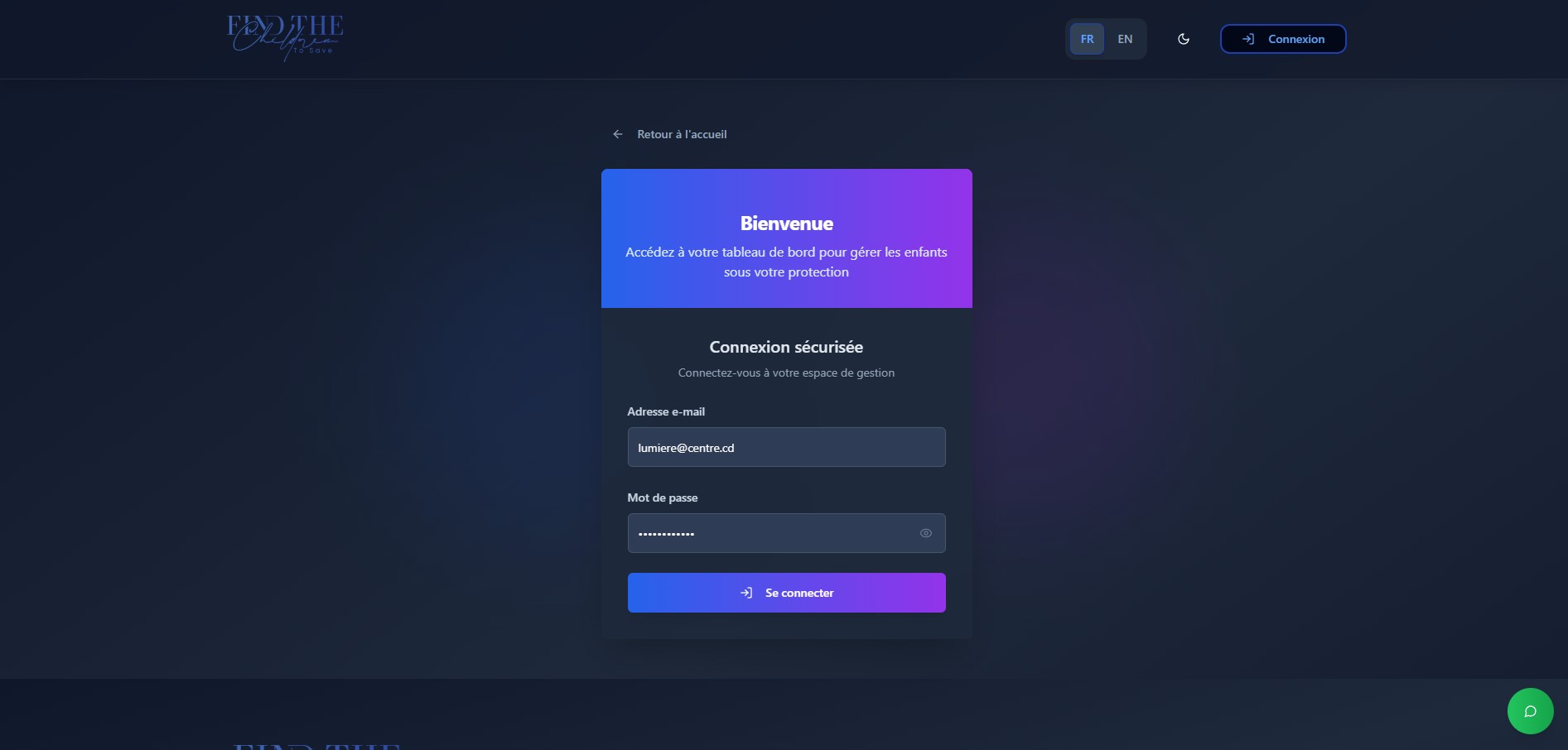
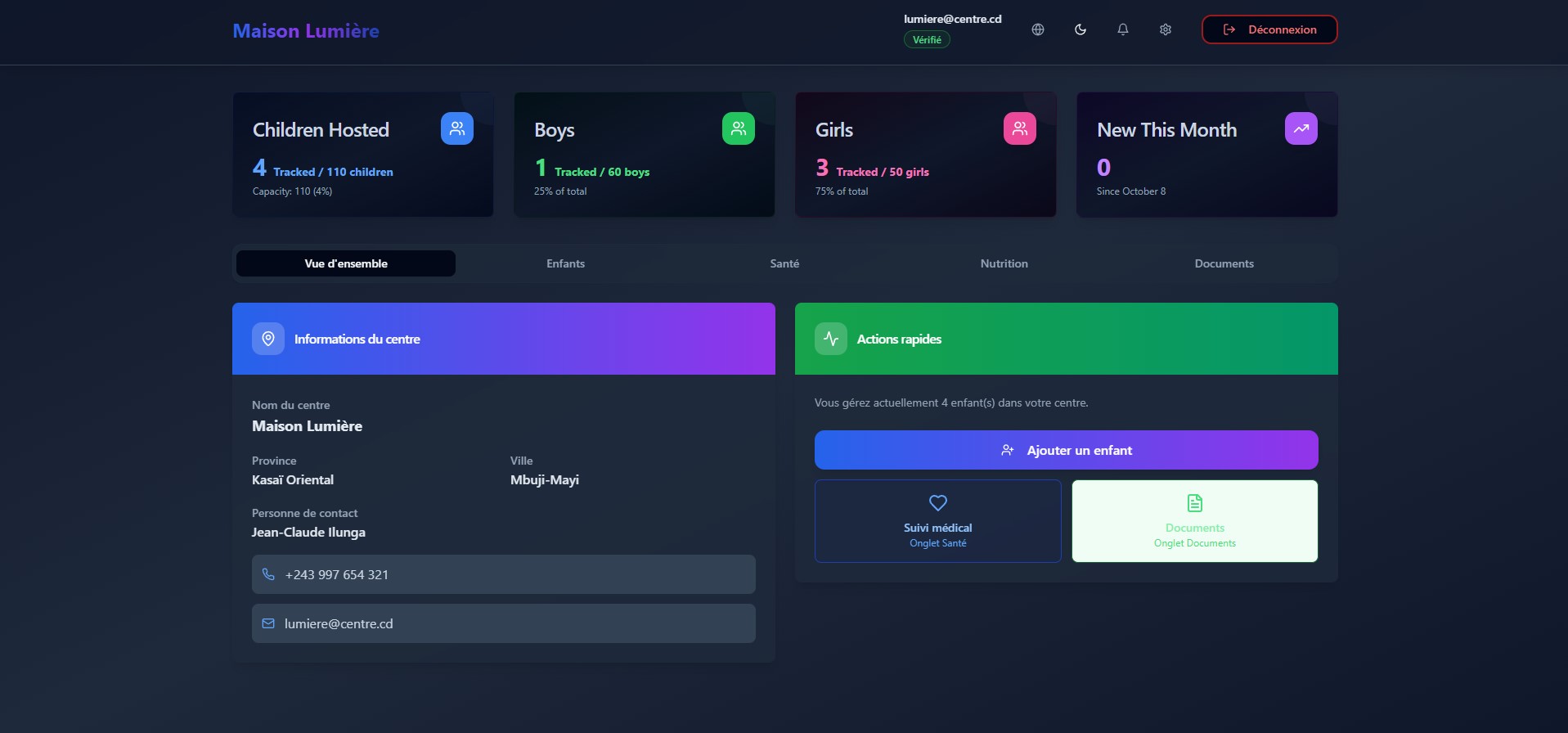
Centers can join the platform by clicking “Register your center” and completing a multi-step form to register their shelter and children’s data.
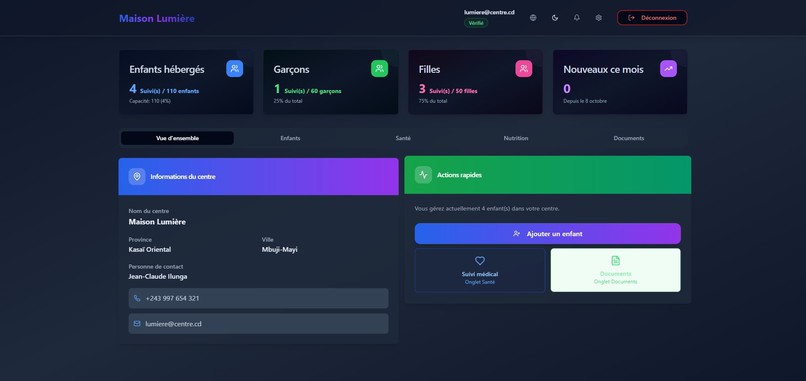
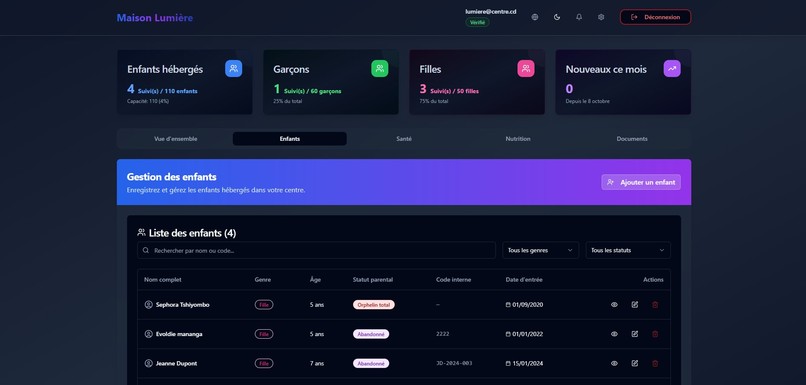
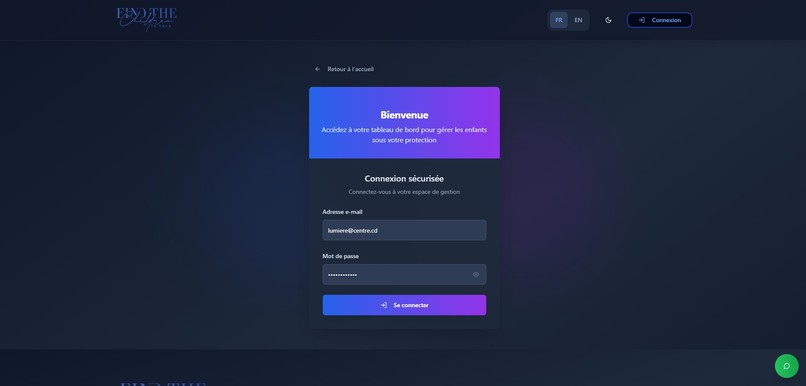
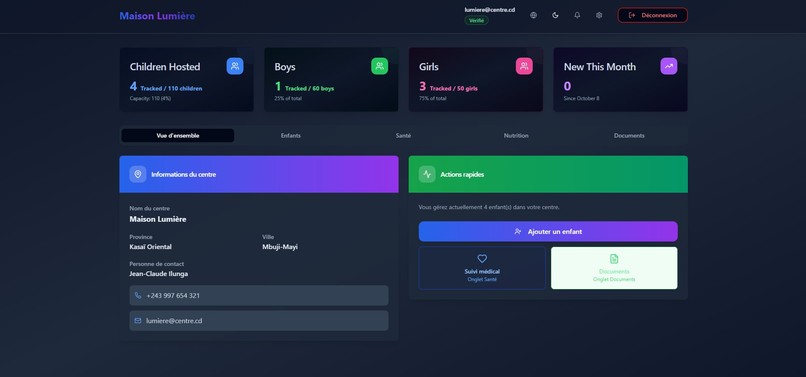
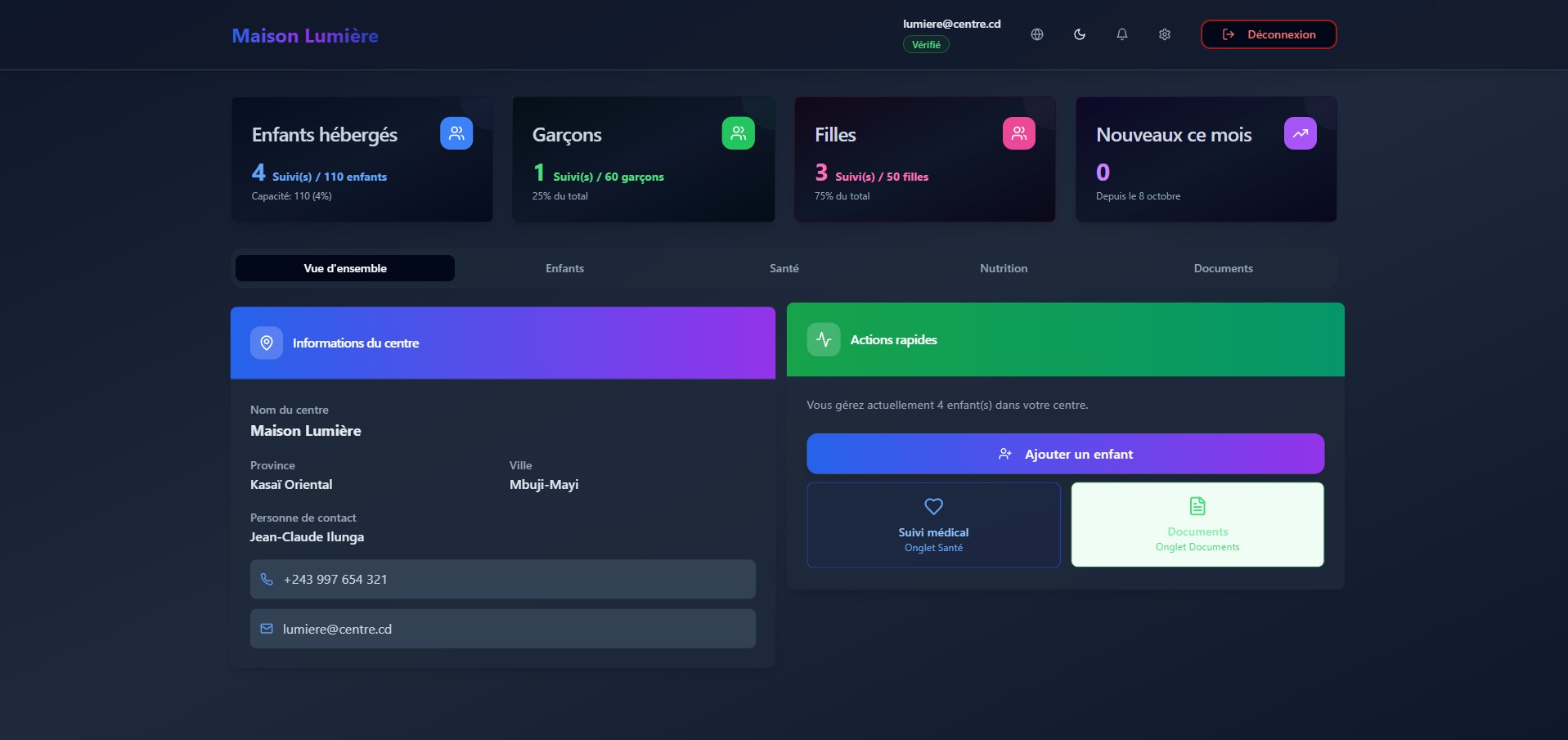
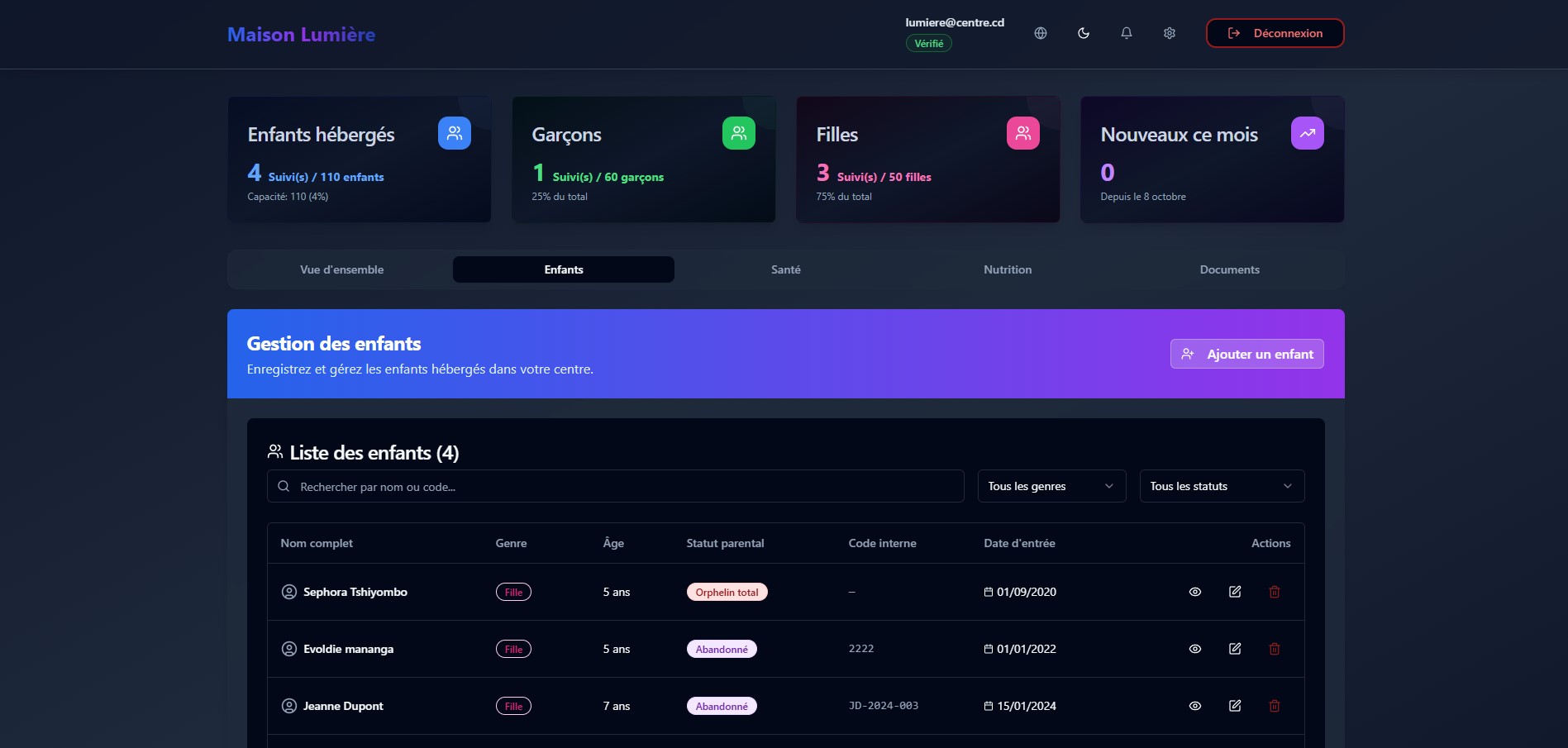
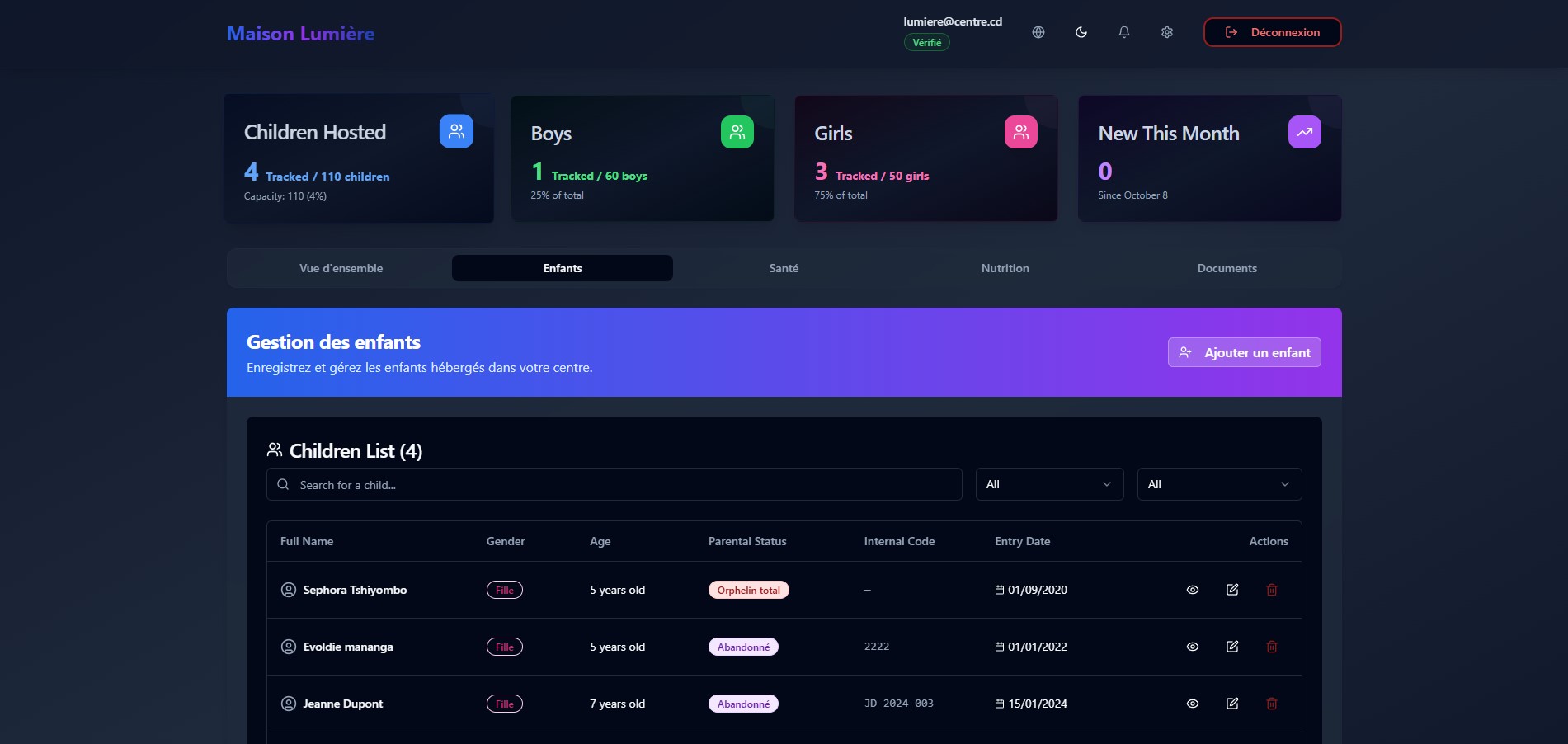
Once approved by an administrator, they receive login credentials by email.After logging in, a center can:
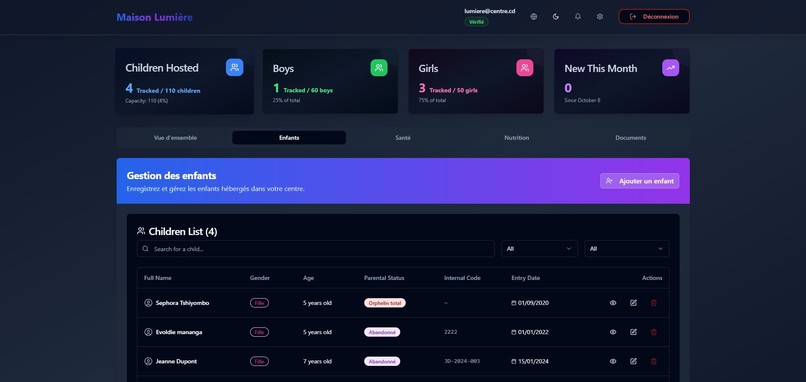
- View total children vs capacity
- See gender distribution and new registrations per month
- Add, edit, or delete child profiles
- Manage each child’s medical record
- Track nutrition and feeding frequency
- Monitor schooling and health evolution
Additional Features:
a. A mobile application (React Native) has been developed for centers without computers.
b. The entire interface is 100% responsive, ensuring accessibility on any device.
c. Built with React + Supabase, integrating SendGrid for automated emails.
d. Multilingual support (French ↔ English) is in progress.
e. Offline mode will be available in a future version.
3. Humanitarian Partners (NGOs, Donors, Agencies)
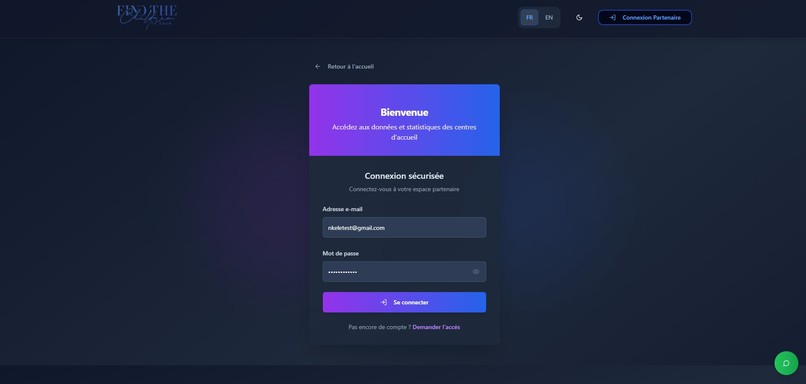
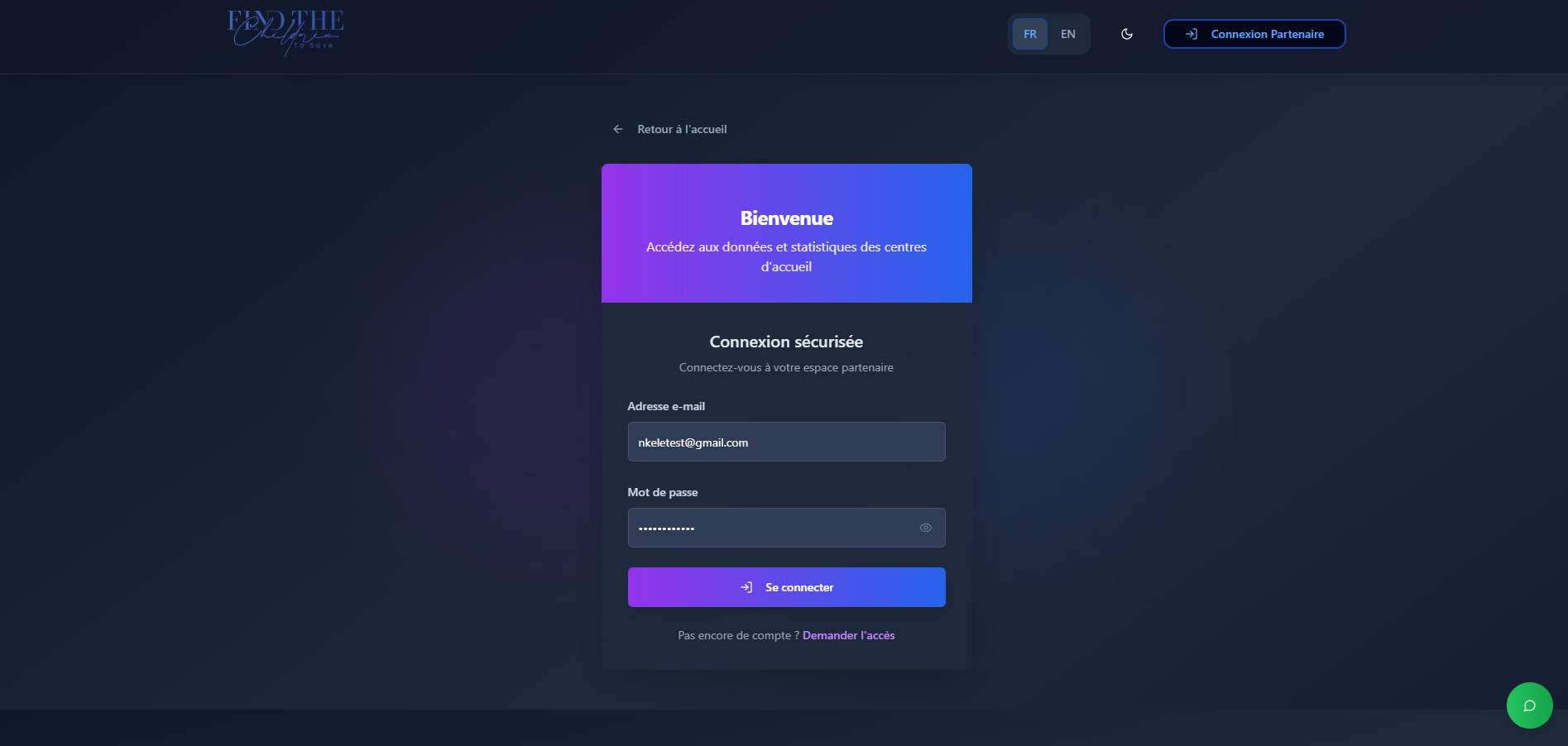
Partners can join through “Request Partner Access.”
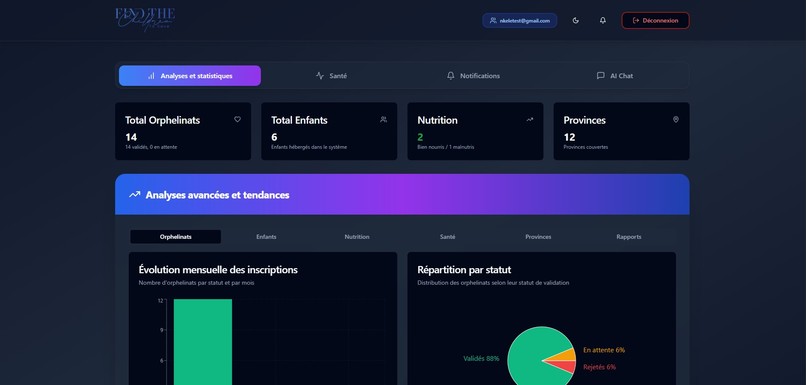
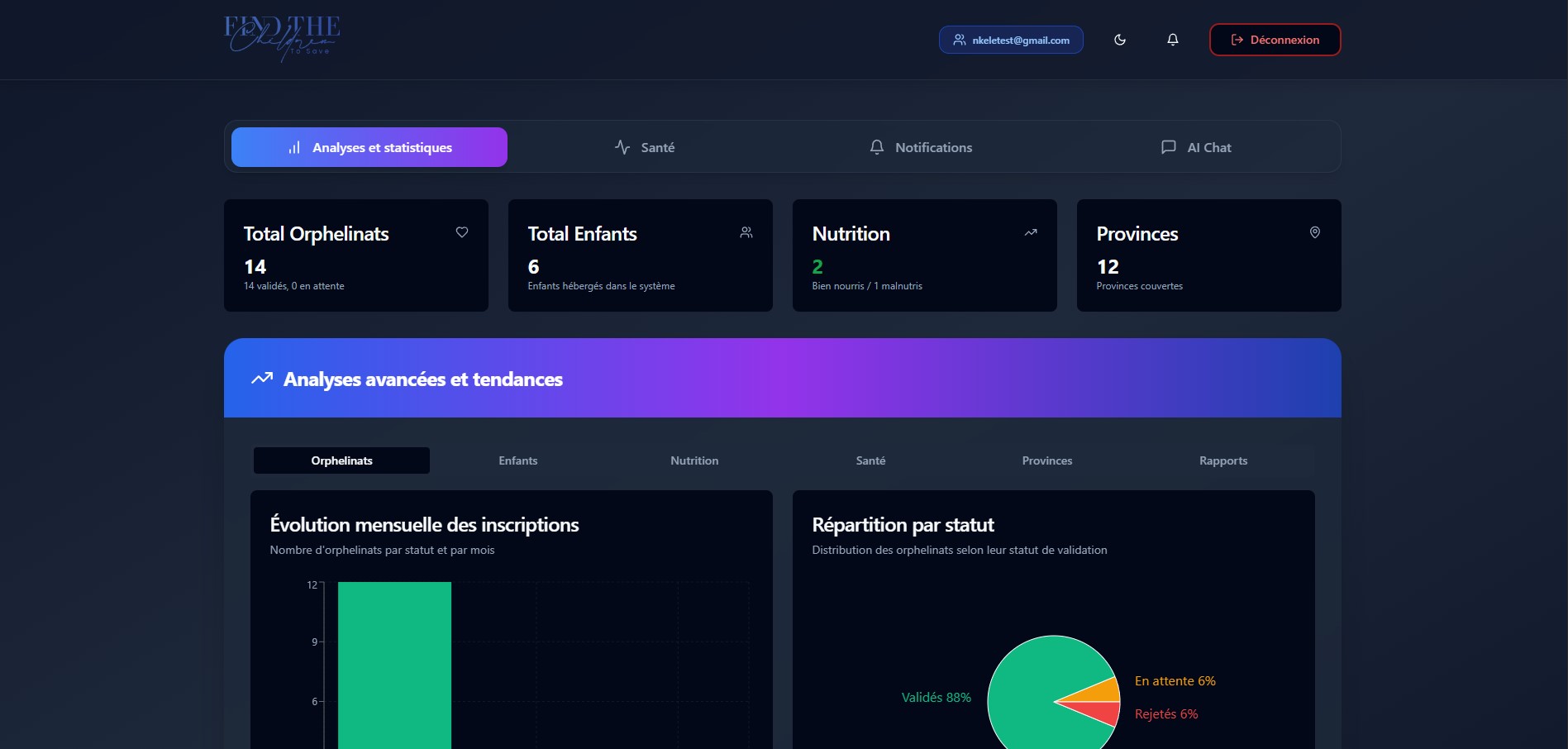
Once approved, they gain access to powerful analytics dashboards, including:a. Basic Statistics
- Number of registered child care centers
- Total children monitored
- Nutrition reports (well-fed vs malnourished)
- Provinces covered
b. Advanced Analytics and Trends
- Monthly registration trends
- Center validation status
- Distribution by gender, age, and nutrition level
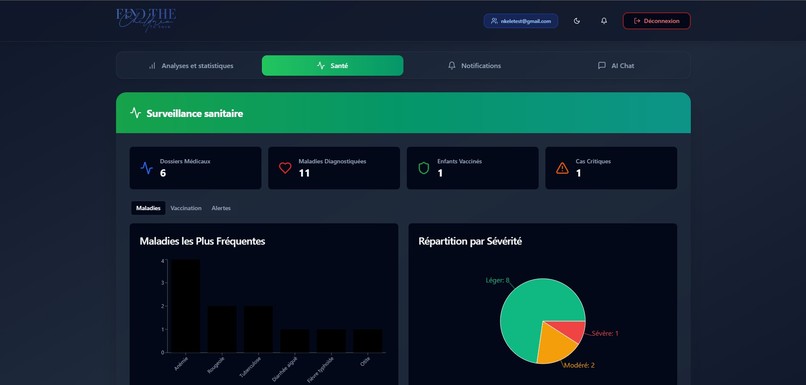
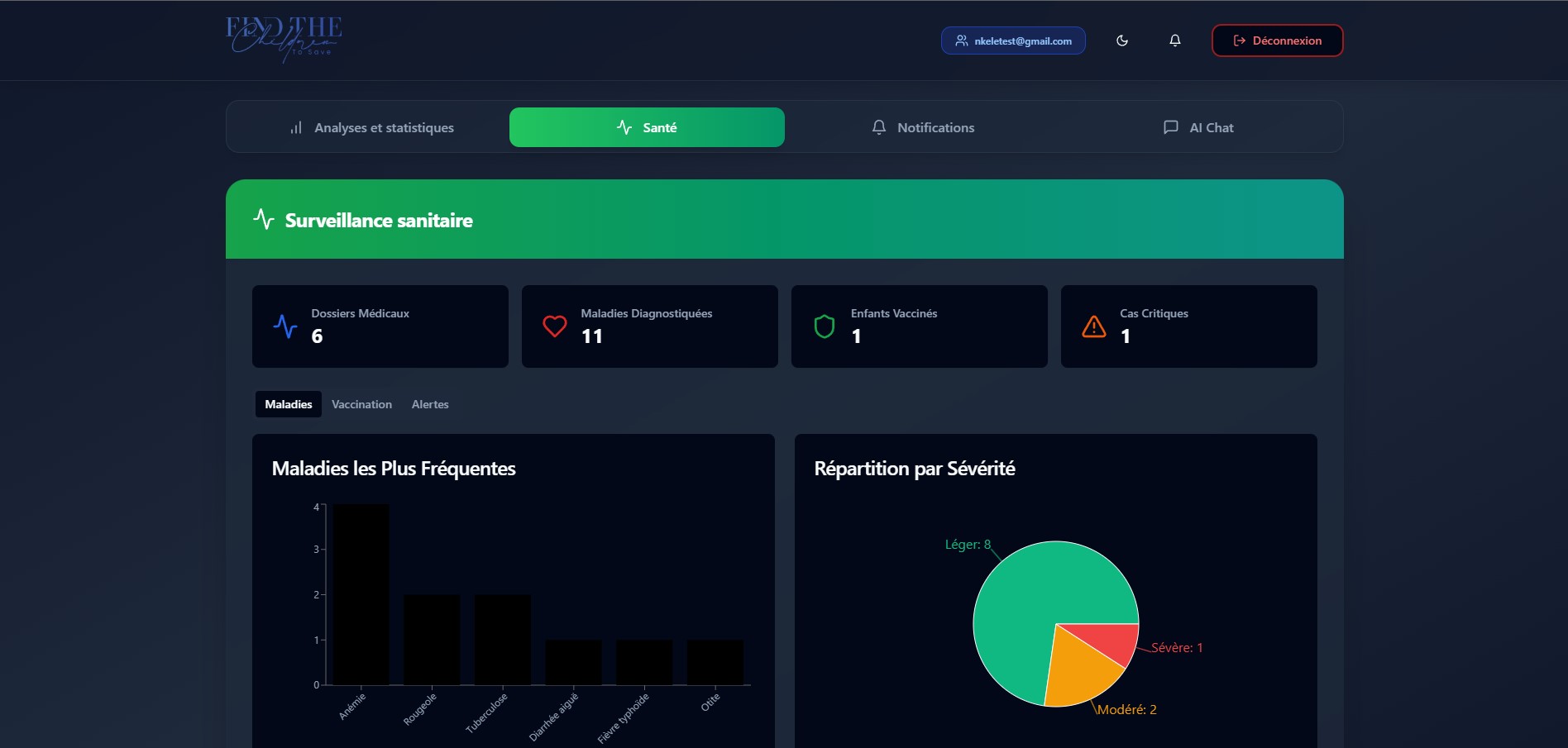
- Medical records and diagnosed diseases
- Number of vaccinated children and critical cases
- Most frequent diseases and severity reports
- Global vaccination status
- Vaccination by center
- Provincial statistics (orphans per province, nutrition by province)
- PDF report generation
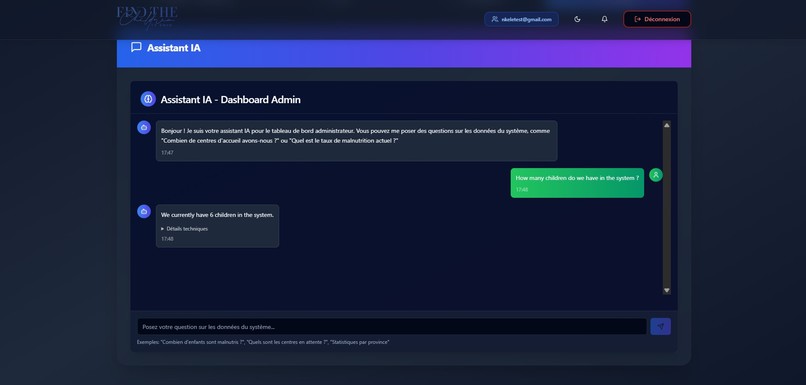
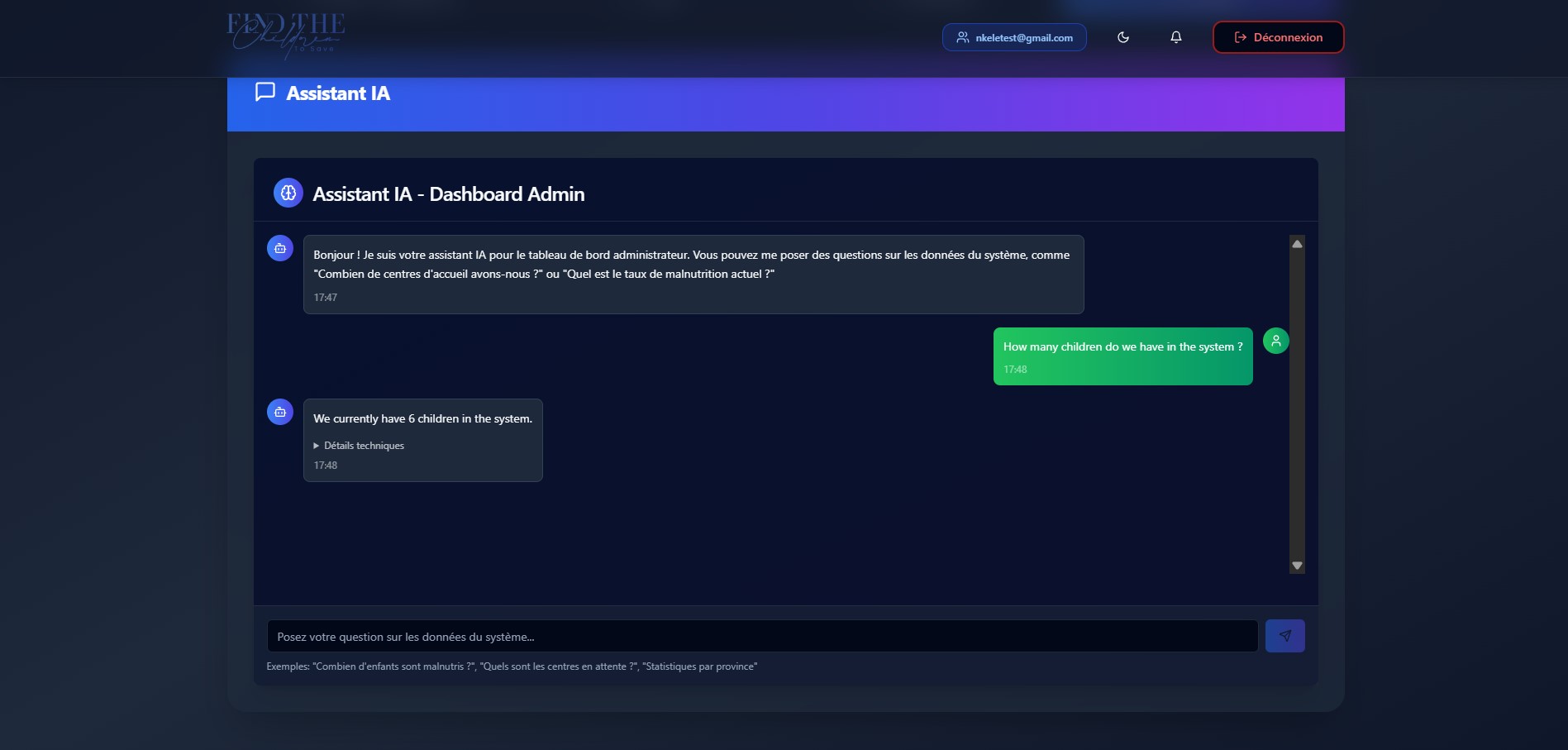
c. AI Assistant
To simplify the experience, the platform includes an AI-powered chatbot that lets partners ask natural questions such as:
“How many vulnerable children are in the system?”
“How many shelter centers are registered?”
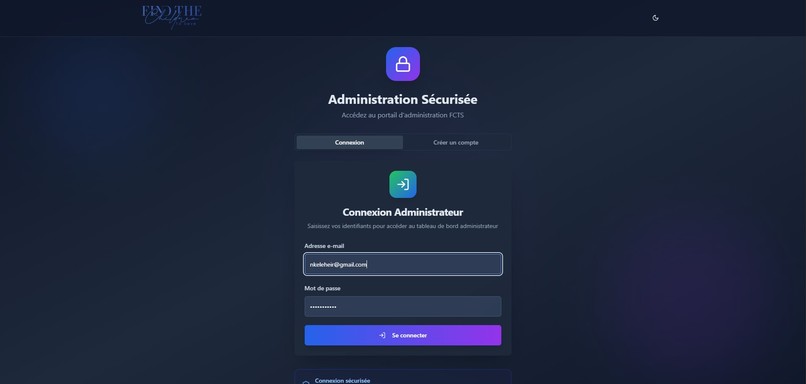
4. Administration
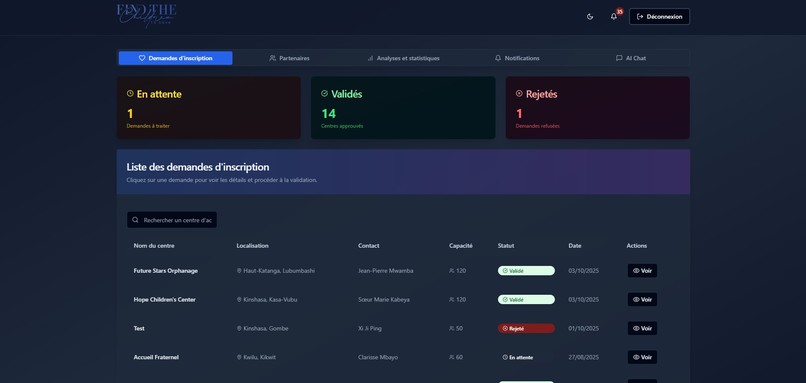
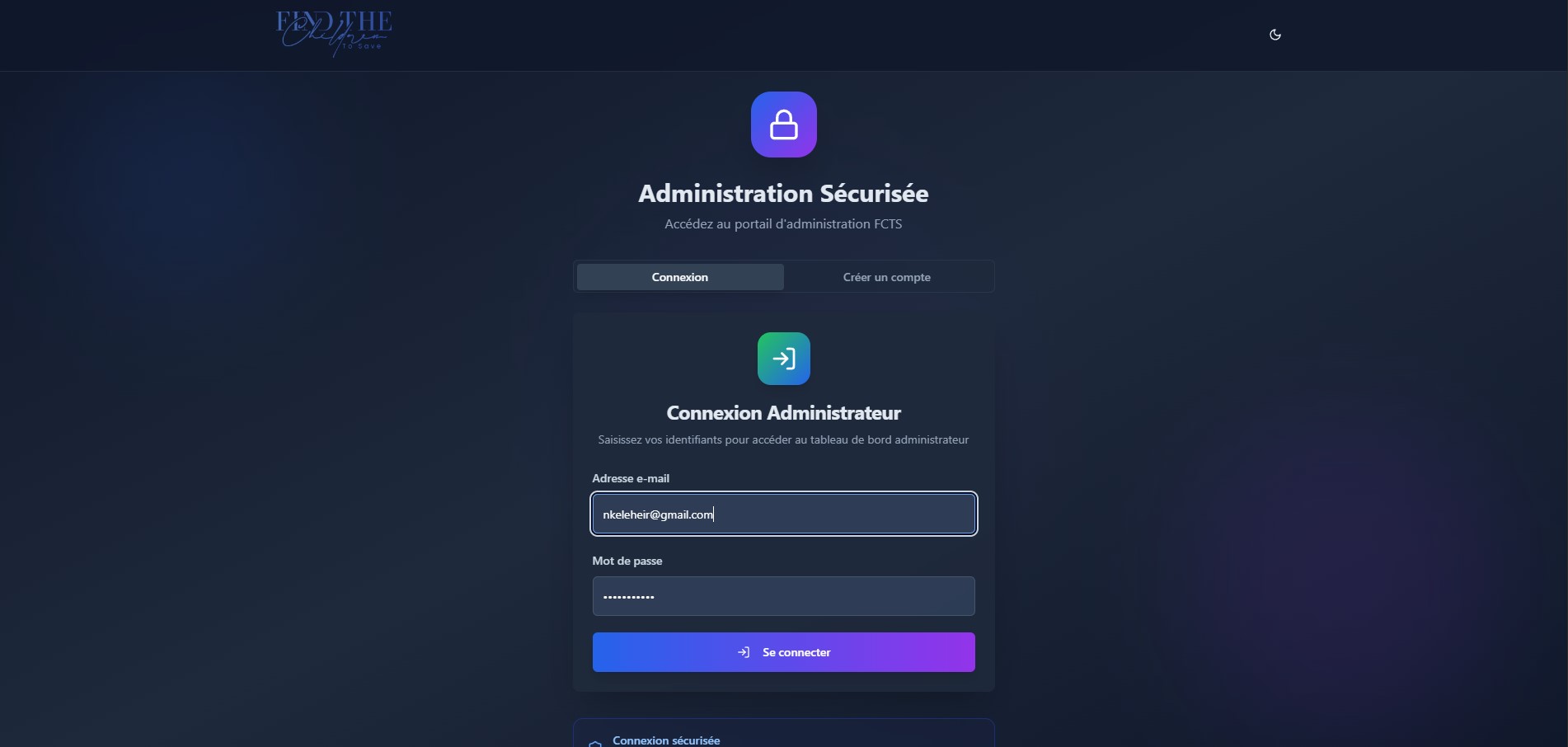
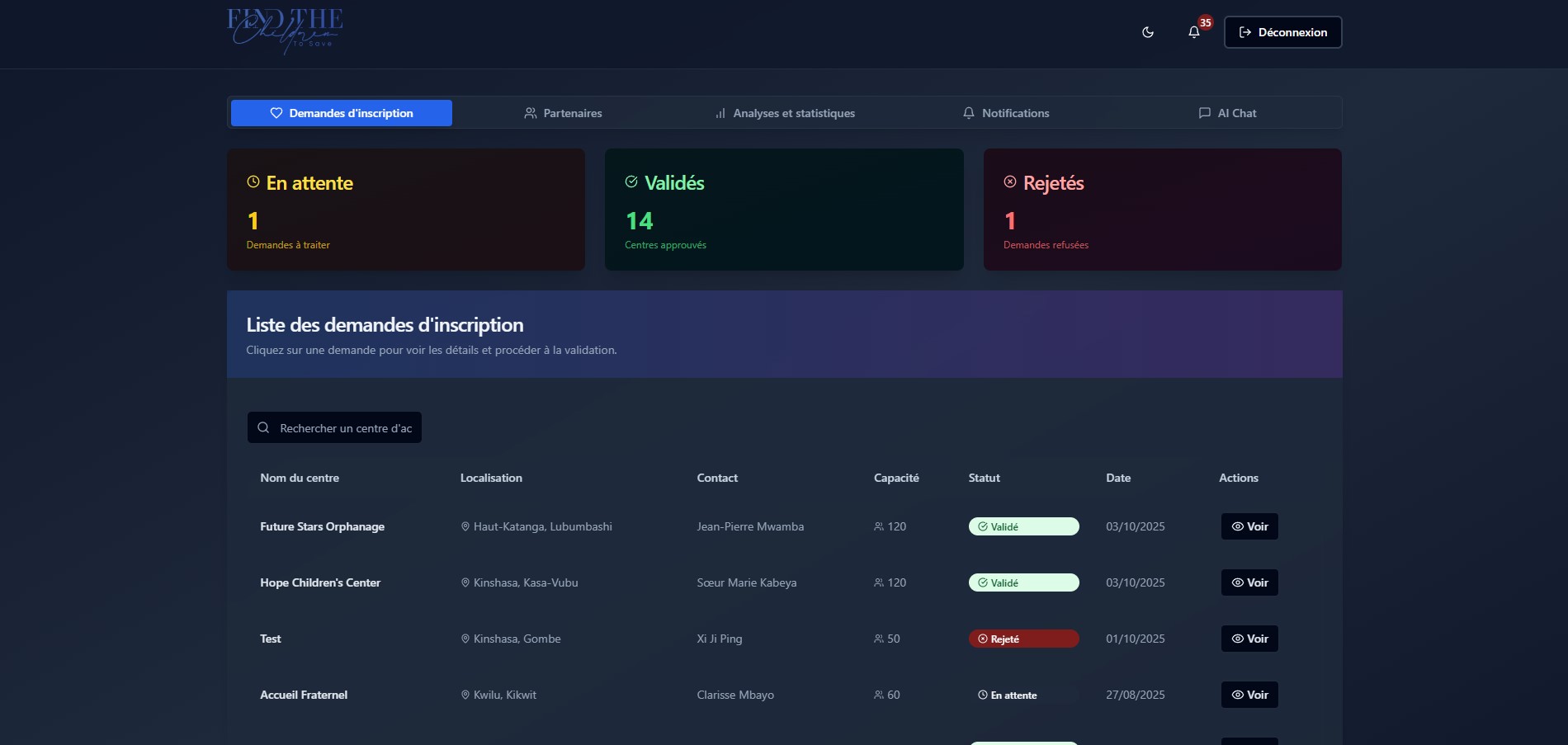
Administrators manage the ecosystem through a secure dashboard:
- Review, approve, or reject registration requests (centers or partners)
- Track pending, approved, and rejected applications
- Automatically trigger SendGrid email notifications with initial credentials
5. Collaboration and Partnerships
To ensure scalability and impact, the platform is open for collaboration with:
- Government ministries of social affairs, health, and education
- Local NGOs and child protection networks
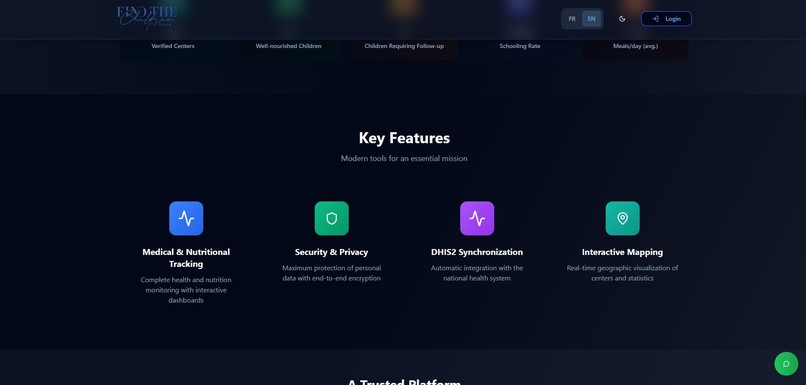
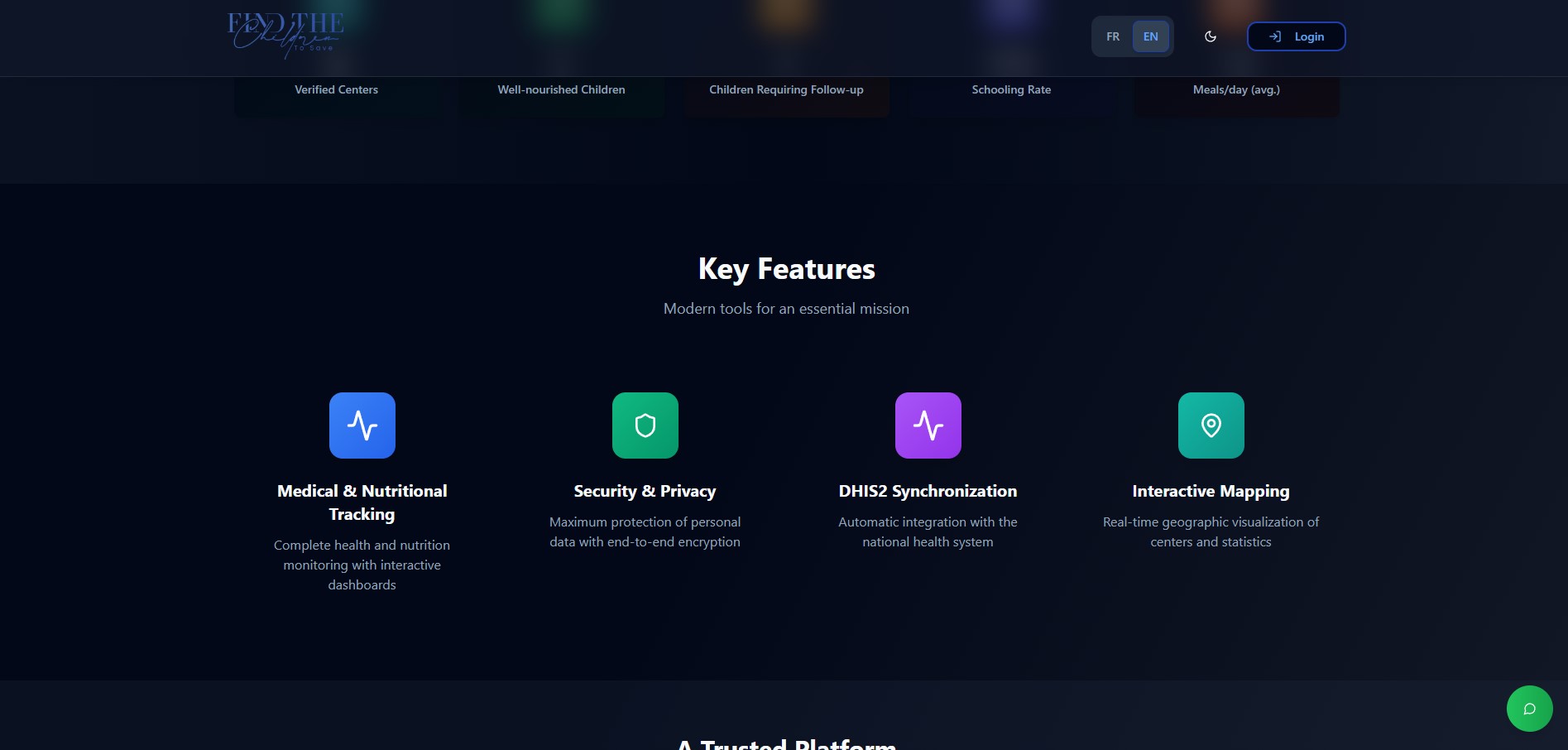
- Data-driven organizations using platforms like DHIS2
- International partners supporting humanitarian transparency and child welfare
How we built it
- Frontend: React (web), React Native (Expo) for mobile
- Backend & Database: Supabase (PostgreSQL + Auth + Storage)
- Email & Notification: SendGrid for secure automated communication
- Design: Tailwind CSS for responsive UI
- Languages: English and French (multilingual system under integration)
- AI Integration: Natural language chatbot for partners
Challenges we ran into
- Designing a system that balances simplicity, security, and data ethics.
- Managing complex Supabase permissions for child data protection.
- Implementing automated email workflows via SendGrid.
- Building a mobile version for low-resource devices.
- Creating a bilingual interface accessible to both local and international users.
- Handling real-time statistics and analytics with thousands of entries.
Accomplishments that we're proud of
- Developed a fully functional MVP connecting child care centers and partners.
- Integrated Supabase authentication and storage successfully.
- Built a secure, scalable React + React Native ecosystem.
- Designed an AI chatbot that simplifies partner interactions.
- Implemented dynamic data visualization and PDF report generation.
- Established a clear, ethical data structure aligned with humanitarian standards.
What we learned
We learned that technology must be human-centered — especially when dealing with vulnerable lives.
We deepened our understanding of data privacy, interoperability with health systems (DHIS2), and user experience for low-connectivity contexts.
We also learned to bridge the gap between humanitarian goals and digital innovation.
What's next for Find The Children To Save
- Add offline synchronization for rural centers with no internet access.
- Finalize the multilingual interface (French–English).
- Integrate AI analytics to identify and prioritize urgent child cases.
- Strengthen data interoperability with national health and social systems.
- Collaborate with humanitarian organizations, government agencies, and local NGOs for pilot deployment.
- Expand coverage nationwide and across other African countries.


Log in or sign up for Devpost to join the conversation.