-
-
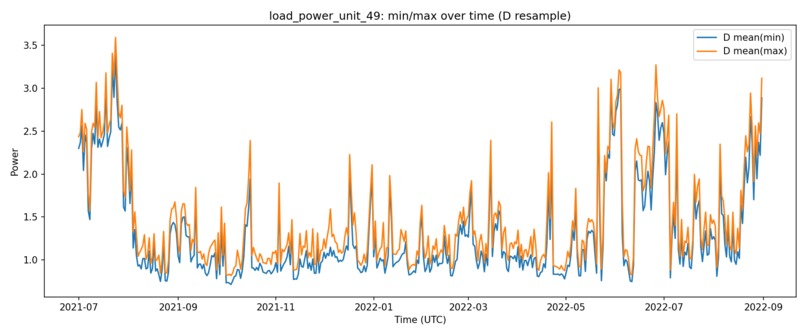
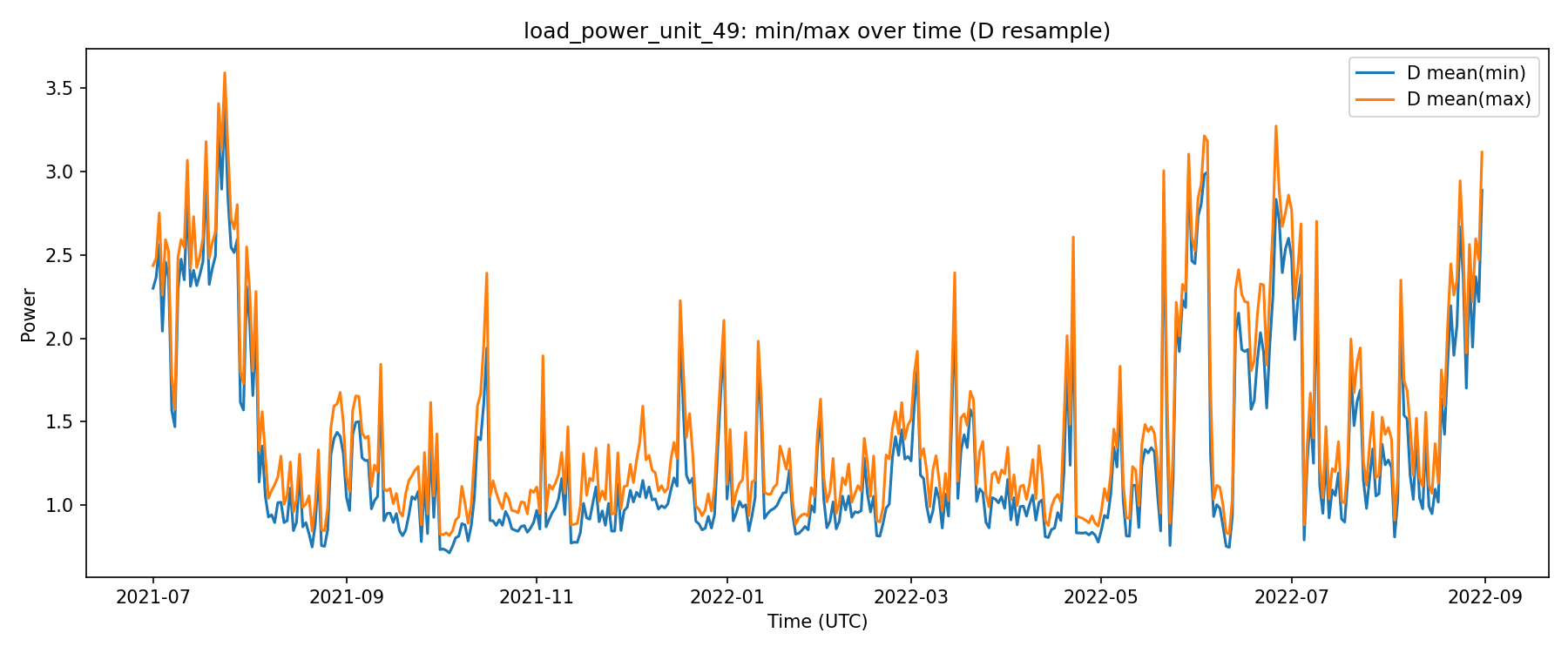
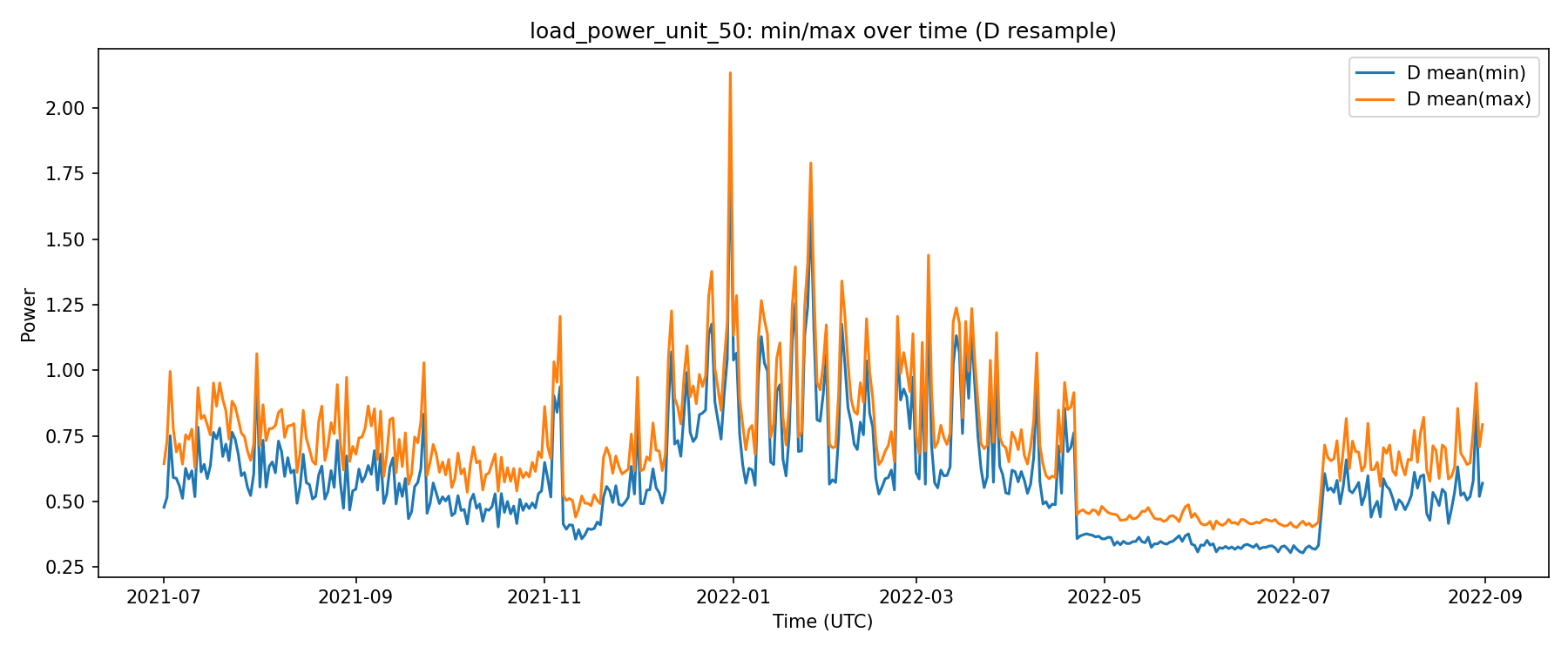
This is a graph of the model's forecast vs: the true data
-
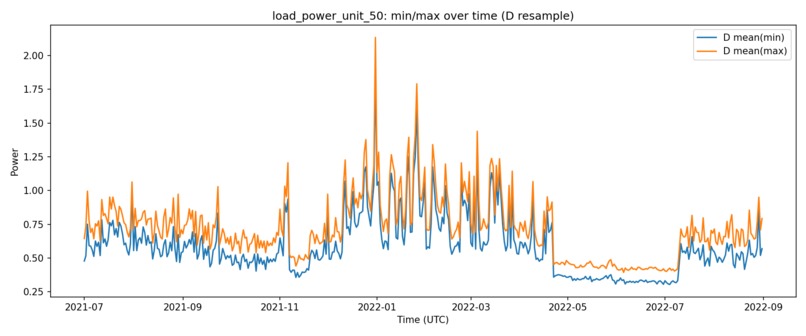
Another graph, you can clearly see the model's closeness to the true data.
-

Debugging at 6 AM
-
Just after finishing the video!

Inspiration
We originally wanted to use the architecture to forecast EEG signals from the brain for seizure prediction, but ran into issues acquiring proper datasets. Since EEG and electricity consumptions share some similarities (sinusoidal tendencies, time series, single-channel), we could find a public electricity consumption dataset and apply the same technology to quite a remarkable level.
What it does
Using a custom-built WaveNet architecture, our model can predict the electricity consumption up to one month in the future, using as little information as the consumption of the previous month. This is extremely impactful for energy companies and governments, that need to understand the instantaneous behavior of homes in the electrical grid in order to optimize certain processes, including maintenance, generation, testing, and optimal distribution.
How we built it
We began by pulling from previous experience with similar models, as well as quickly reviewing the available literature. This is how we settled on a WaveNet architecture, due to its stability and powerful time series capabilities. However, due to some challenges with the online datasets, we had to go out of our way to reinvent some of the core processes to adapt it for our use-case.
Challenges we ran into
An incredibly large challenge was adapting the network to the chaotic waveforms from the dataset. Not only is the amount of data quite limited, but it is also incredibly complex and densely packed. The model only has a couple timesteps to reinterpret its input and adjust its output accordingly.
Accomplishments that we're proud of
Using quantization techniques, we were able to adapt the model architecture to probabilistic outputs. Providing much higher interpretability regarding the model's confidence, as well as stability across patterns the model has not previously been trained on.
What we learned
Due to the tight time constraints of the hackathon, we could not afford to settle on a sub-par implementation and leave training running overnight. We were forced to continuously implement optimizations alongside our innovations, which was something completely new to all of us. Regardless, we were able to get our training runs to under 15 minutes, down from a couple hours, enabling us to complete our model before the deadline.
What's next for Electricity Consumption Forecasting
With a larger dataset and more time to study it, we can glean more statistical information and make stronger assumptions about the dataset. With these stronger assumptions, we can make even higher leaps with the model, making it more efficient and accurate. At the moment, the model is more than capable of warning the user well in advance of any changes, but we believe we can do this with an even higher confidence in the future. It might even be possible to predict dangerous surges in consumption, allowing governments to introduce milisecond-level failsafes against blackouts.
Built With
- python
- torch

Log in or sign up for Devpost to join the conversation.