-
-
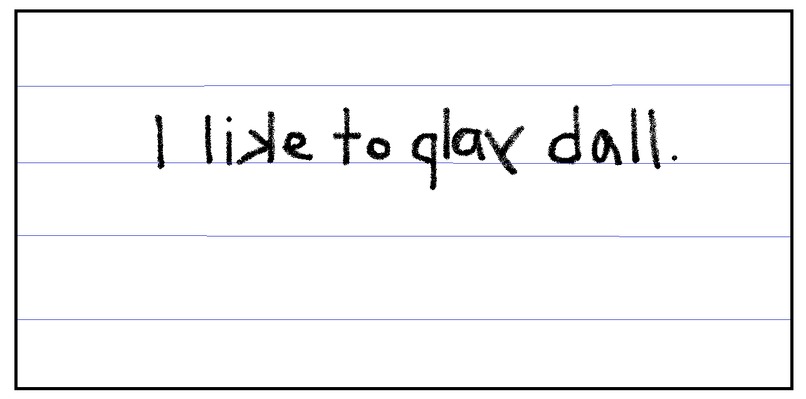
Example of dyslexic handwriting
-
-
-
-
-
-
-
-

OVERVIEW
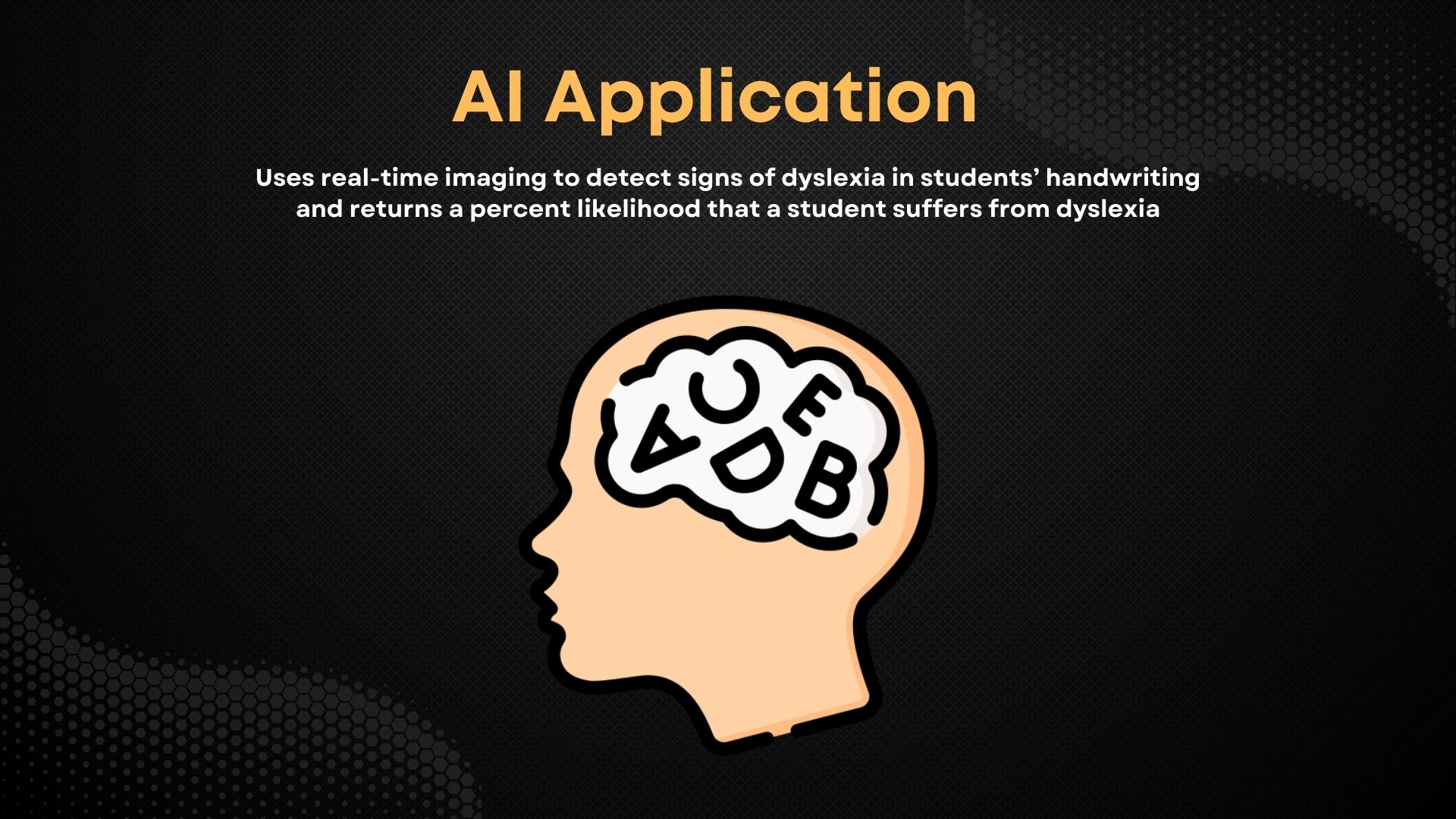
Machine learning has many applications. AI is a critical area of research within the field of computer science. There are millions of practical ways to apply AI: medicine, gaming, cloud computing, data science, etc. In the educational system, there have been many cases of dyslexia, a learning disorder that impacts reading and writing abilities, among schoolchildren. We chose to utilize AI in a clinical method to aid in early detection of dyslexia through the educational system.
WHY
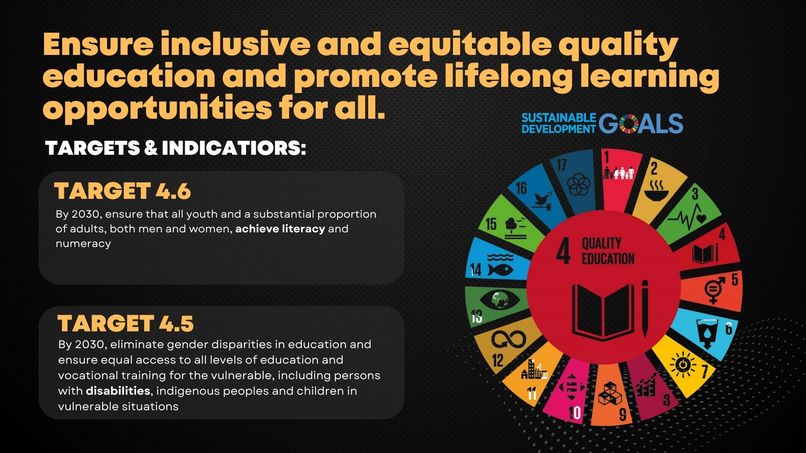
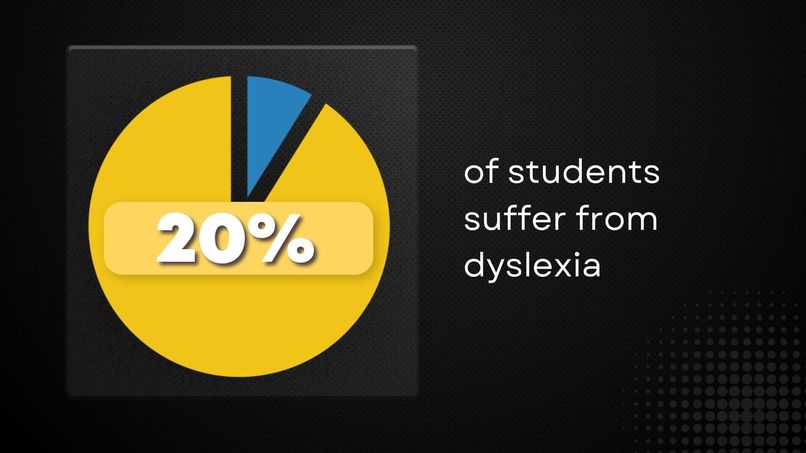
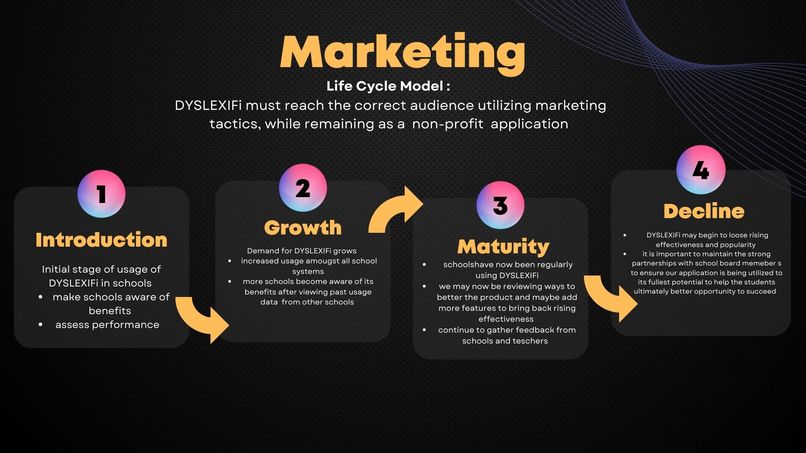
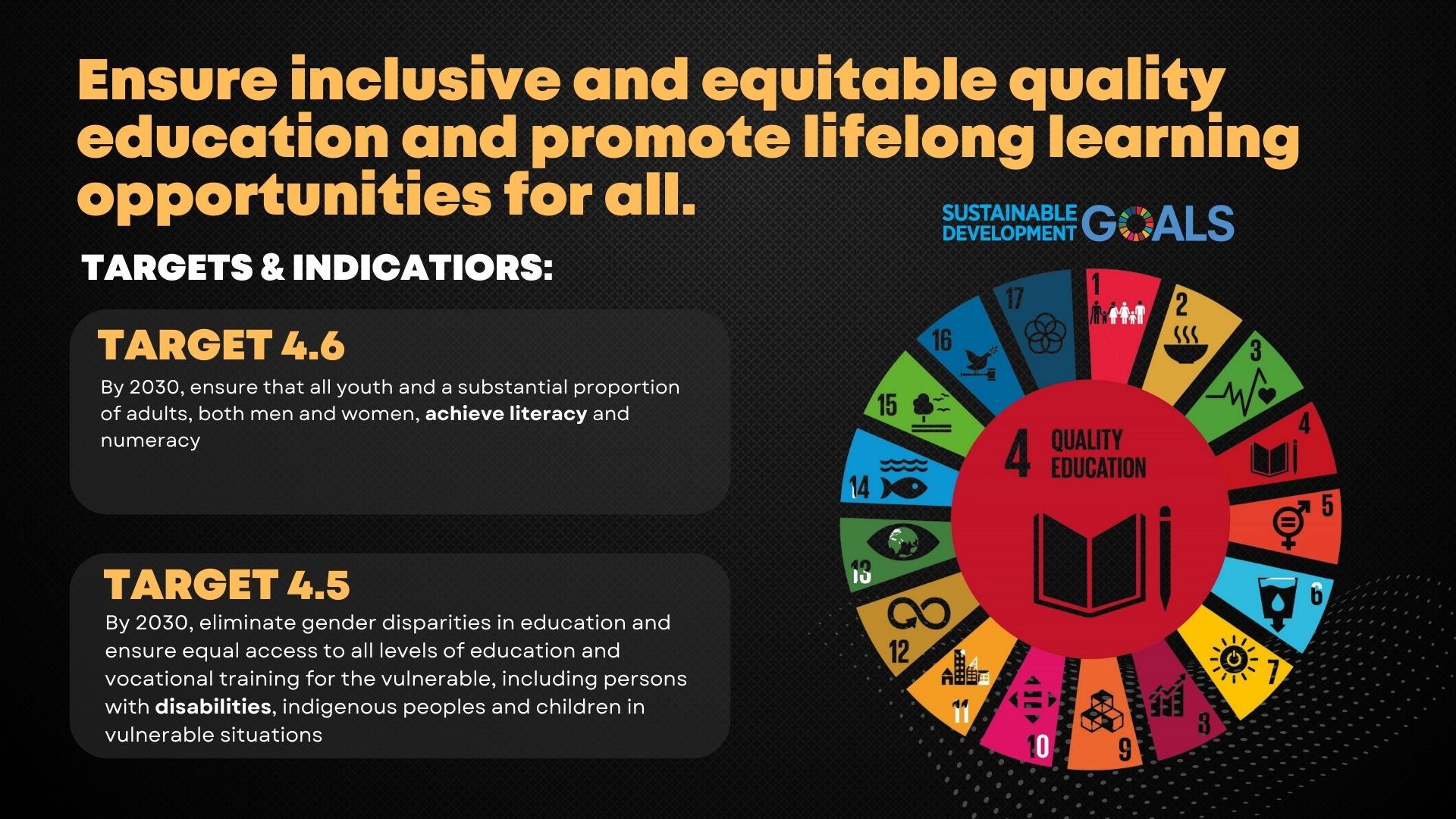
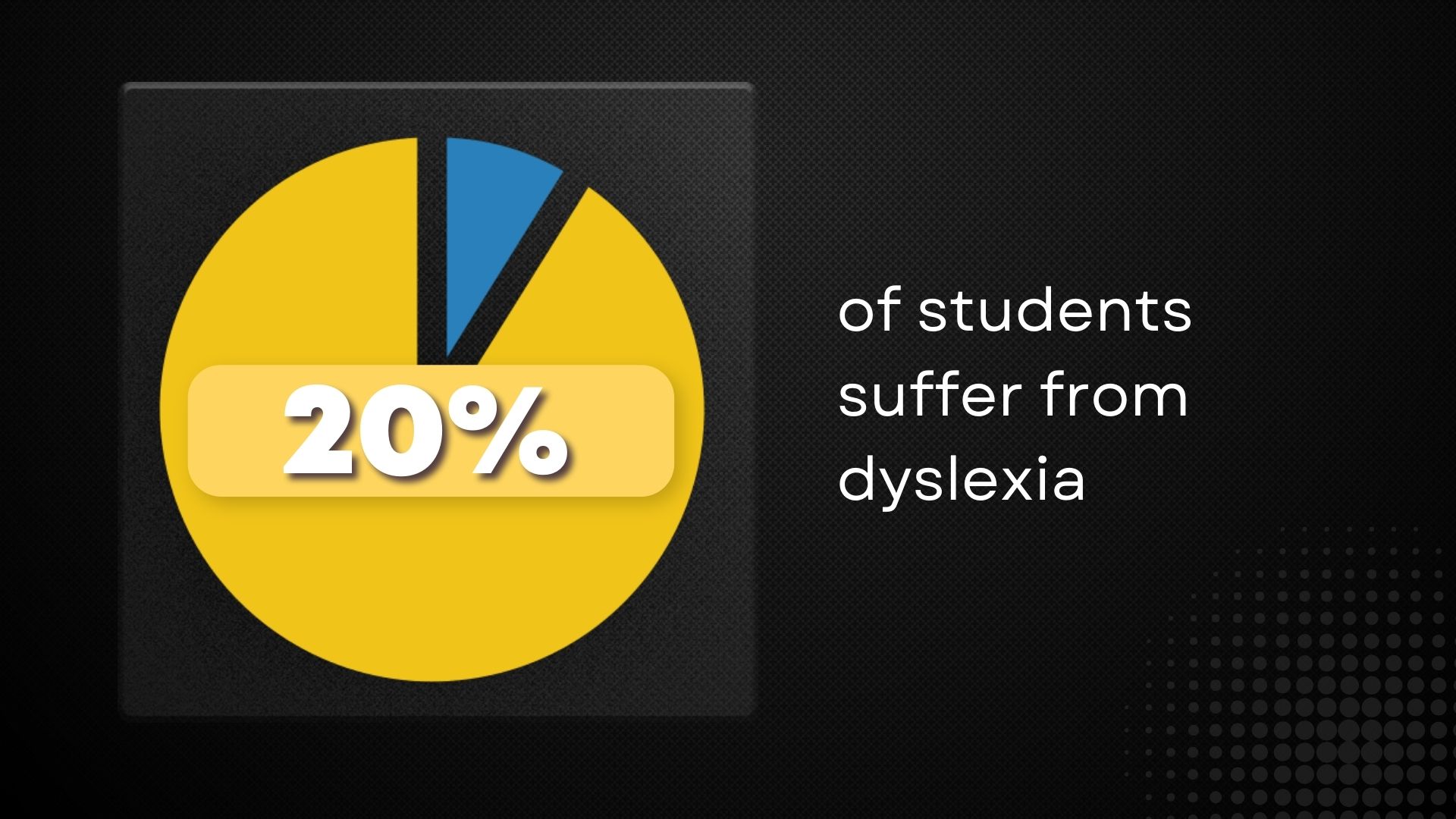
One of our teammates grew up suffering from a learning disability, but was not diagnosed until age 21. She wished that she was able to become aware of the disability when she was younger in order to address it early on, so that she would not have to struggle in school as much as she did when it came to reading comprehension and literacy. As many other young students may also be currently dealing with the same issue, we wanted to make a program that is easy for educators to detect warning signs of a common learning disorder, dyslexia, in young students. Our Artificial Intelligence application “DYSLEXIFi” would be marketed to elementary schools as students are usually diagnosed with dyslexia within the first two years of their schooling careers after they are expected to learn how to spell and read properly. Additionally, 1 in 5 students suffer from dyslexia, so educators need to be able to identify those students and ensure that they are properly accounted for as they could potentially fall behind if the learning disorder is not recognized. Educators have many responsibilities, and because of this, we want to make their jobs easier by making a simple program to detect abnormalities in handwriting. This also allows for the United Nations Sustainable Development goal of equal, inclusive and equitable quality of education for all students because it will ensure that even those who struggle with learning and literacy, can have the opportunity to learn just as much as those who do not have that learning curve.
HOW
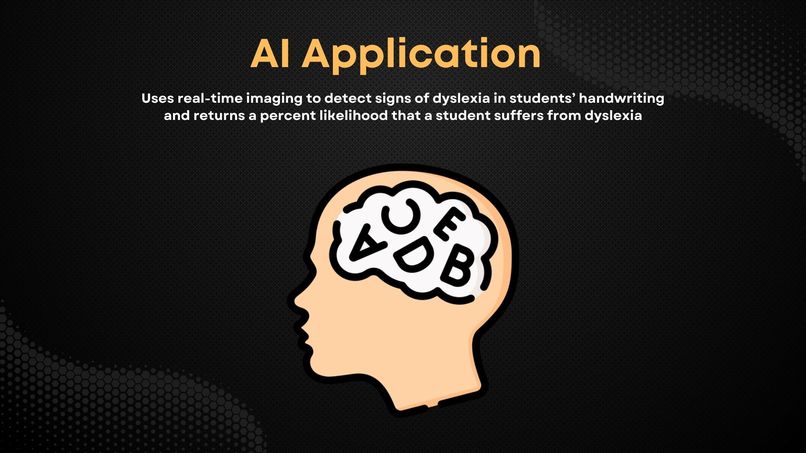
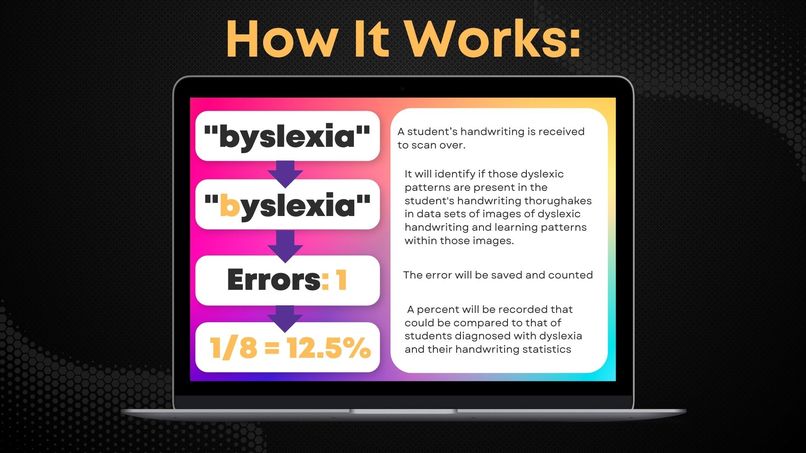
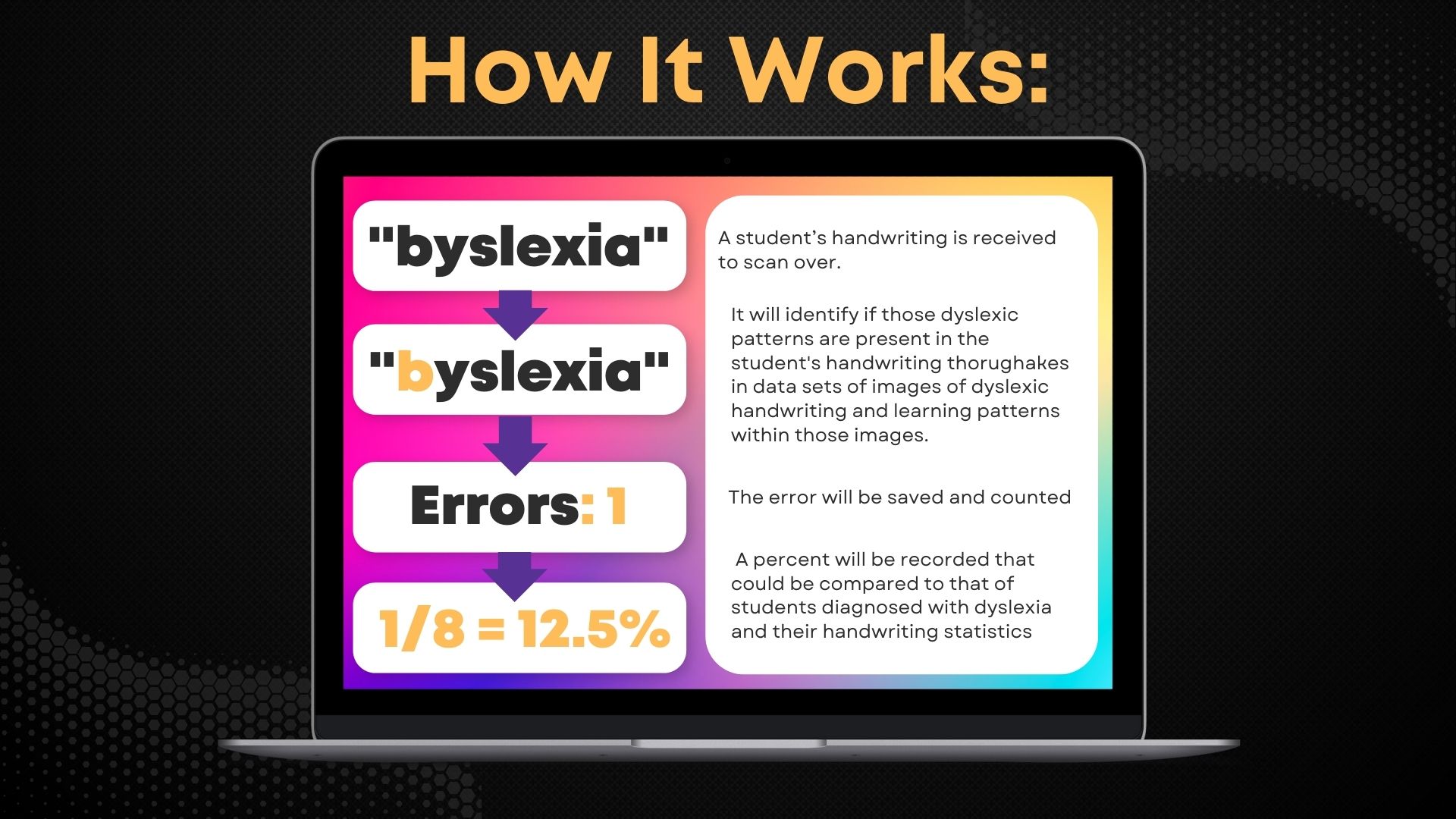
DYSLEXIFi uses real-time imaging to scan students' handwriting and detects warning signs of dyslexia (i.e. backward letters, incorrect letter orientation, etc.) by taking in data sets of images of dyslexic handwriting and learning patterns within those images. When the program receives a student's handwriting to view, it will identify if those dyslexic patterns are present in the student's handwriting and report a percent similarity to handwriting by students diagnosed with dyslexia. There are other warning signs of dyslexia, but our program specifically identifies the most common symptoms of dyslexia of incorrect letter orientation. For example, if a student wrote a word with some letters in a backward orientation, the software would return how similar that student's letter formation is to proven cases of dyslexia.
CHALLENGES
When finding a machine-learning platform to use, we ended up using TensorFlow. Additionally, we struggled to find a format for inputting students' handwriting into the program, so we decided to use real-time imaging, similar to how some applications grade multiple choice tests through scanning answer sheets or scantrons.
WHAT WENT WELL
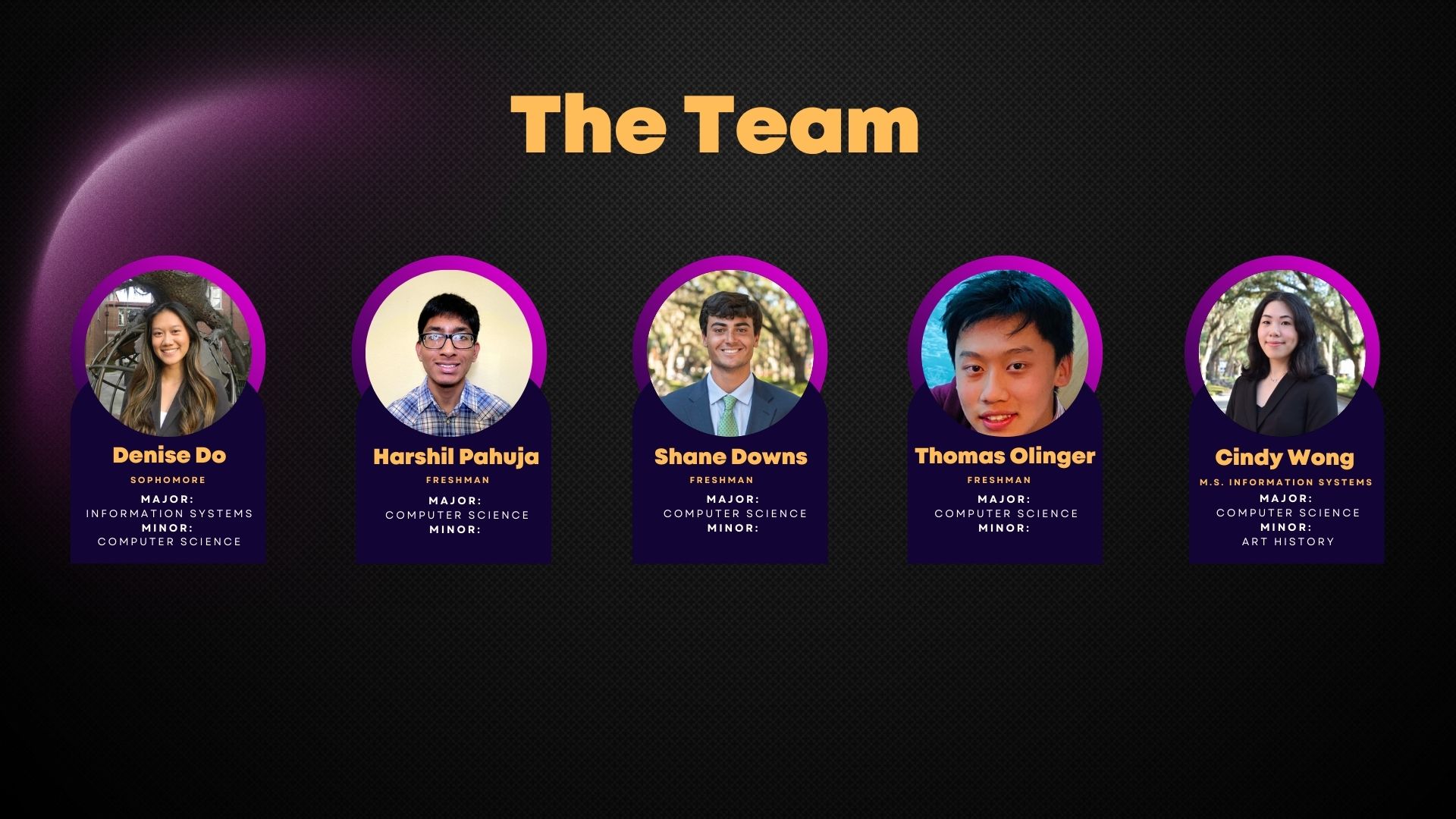
Using our diversity in educational background and educational progression, we were able to utilize our diverse skill sets to complete the project. We clearly identified everyone’s strengths and used them to our best advantage to collaborate. Under the short span of 24 hours, we all communicated very efficiently through our discord channel, and scheduled time to meet around our busy schedules. The biggest challenge we faced, however, was accommodating for a team member who could only meet virtually due to dealing with illness through running an ongoing Zoom meeting to ensure he had the chance to participate just as much as the rest of the group. Each team member worked with passion and drive and we were each very proactive during the hackathon. Each team member put in 100% effort. It was overall a very fun, creative, and collaborative project and we were all able to learn a lot from it.
WHAT WE LEARNED
Through making this project, we were able to learn how to apply technical skills we were unfamiliar with before, such as Tensorflow and real-time imaging, and how artificial intelligence is applied in programming projects. We realized the severity of dyslexia in modern years: 1 in 5 students suffer from it. Additionally, since all of the team members had varying levels of experience with Python, we were able to work using a language that was most convenient for us and apply our coding abilities on a more complex level than some of us have been exposed to in our university classes.
WHAT'S NEXT FOR DYSLEXIFi
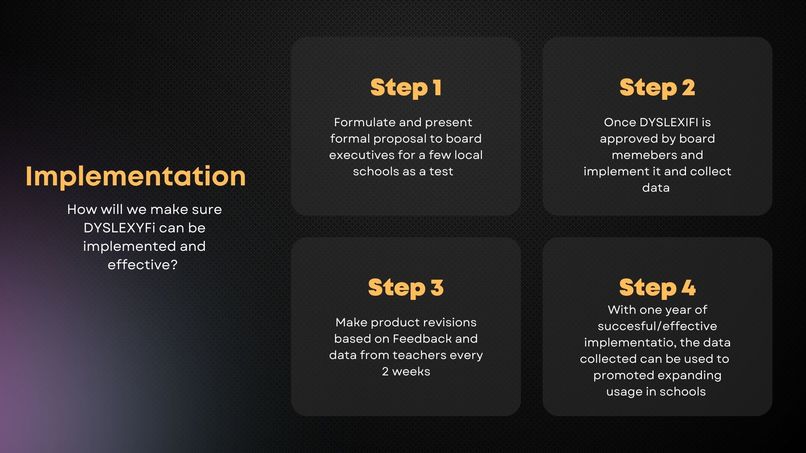
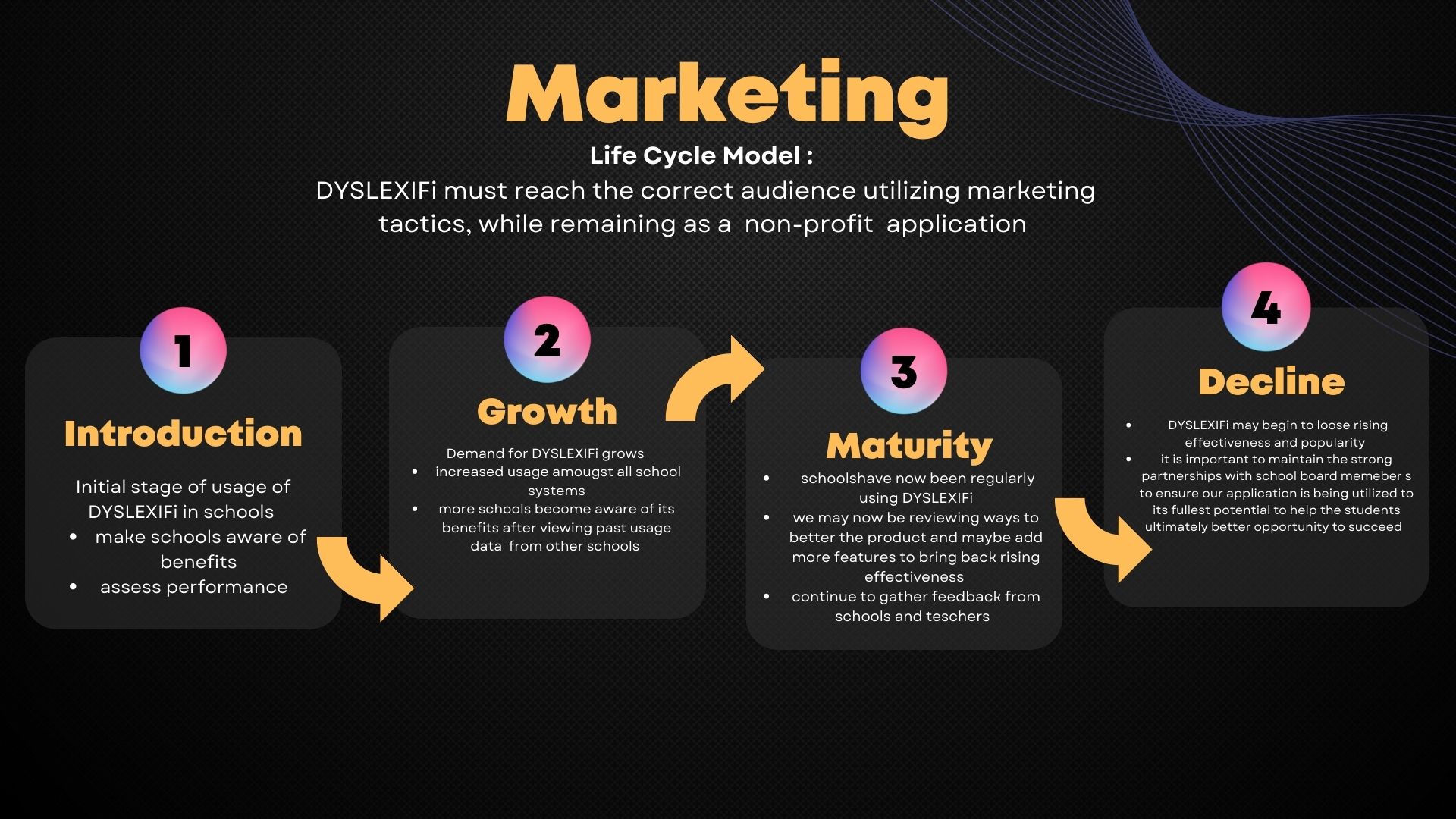
We hope to continue working on this AI application and potentially make it into a mobile app. That would make it very practical for educators as they could use their smartphones to scan students' writing and receive real-time feedback for their students. It would also decrease the time it takes for educators to detect dyslexia in students and help students address the issue early on to ensure they do not fall behind in any way.


Log in or sign up for Devpost to join the conversation.