-
-
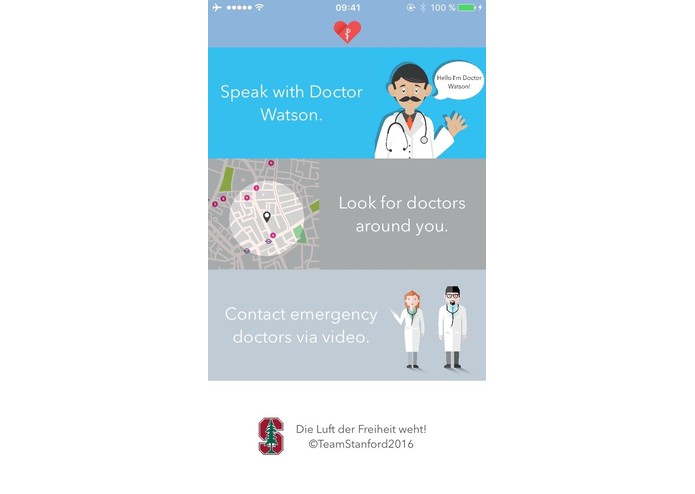
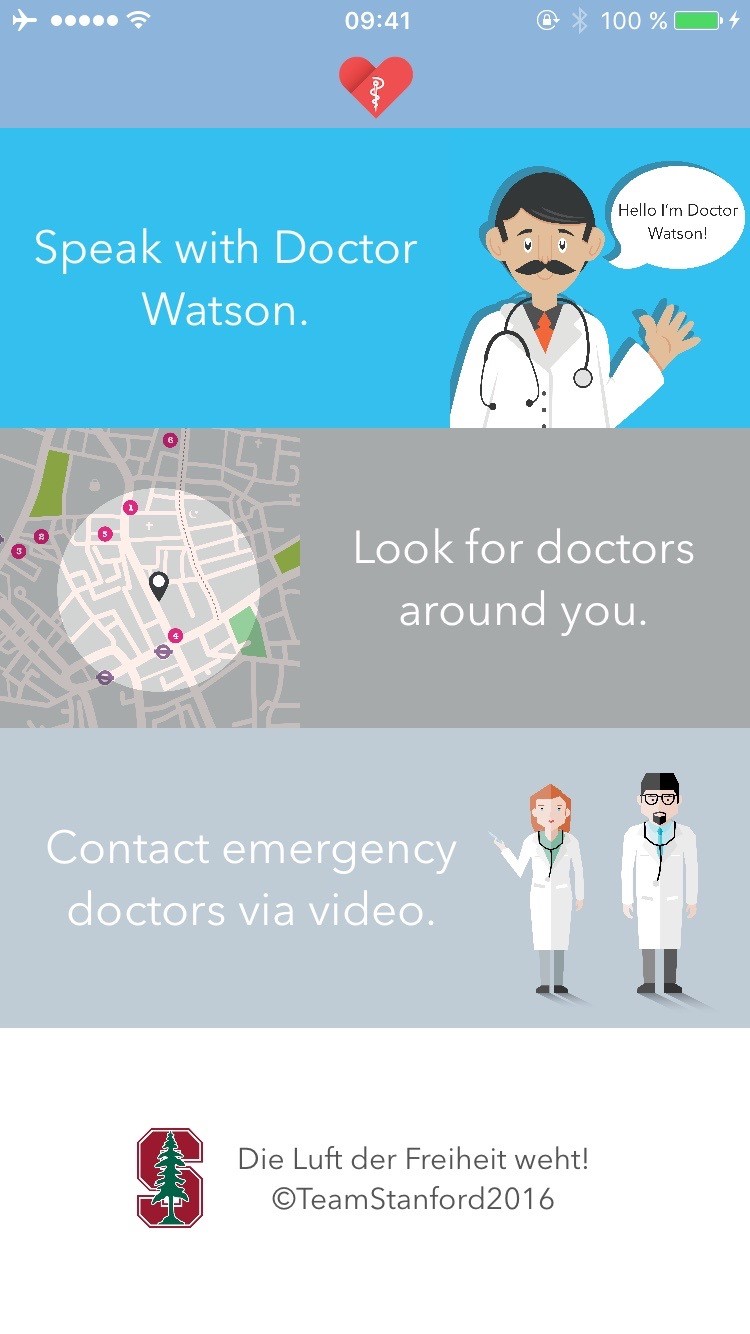
The first overview enables the user to either diagnose with the virtual doctor, look for real doctors around or contact one via video.
-
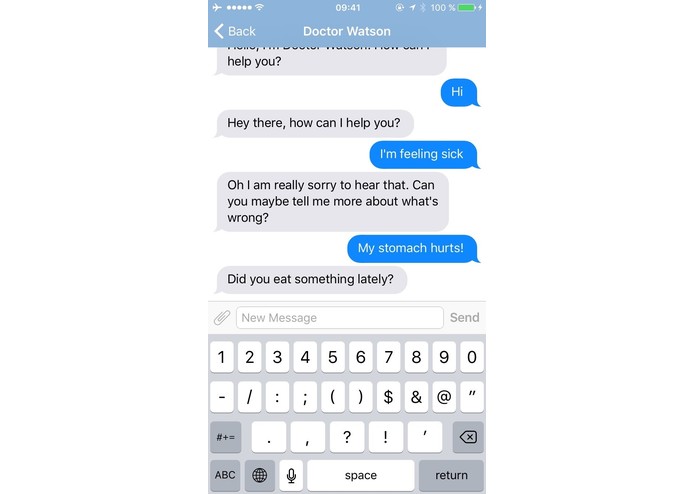
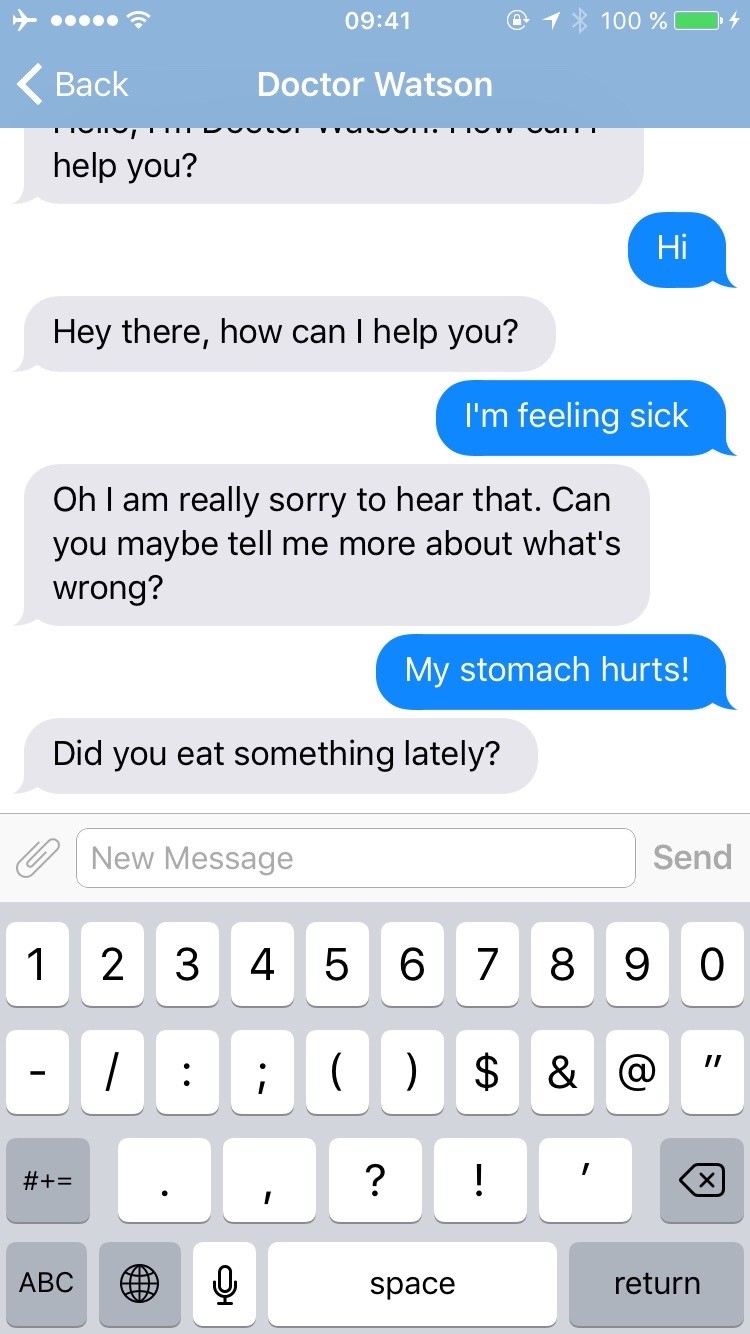
The virtual doctor enables the user to have an individual diagnosis and eases the self-diagnosis when real doctors are absent.
-
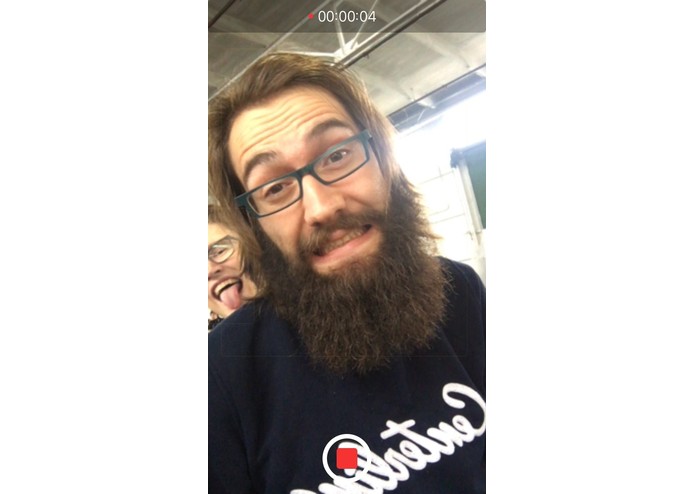
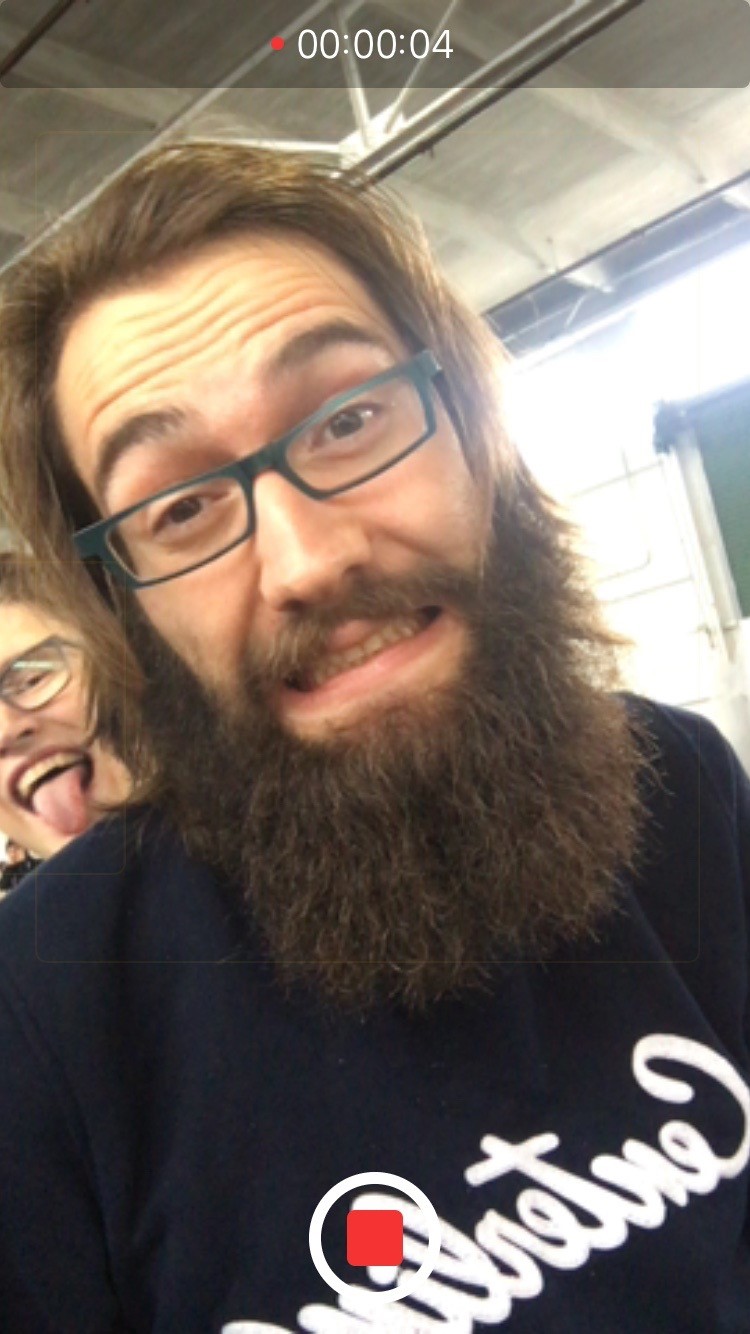
Via photo upload, it is possible to give the app even richer information about the symptoms. Here you can see the face of the patient.
-
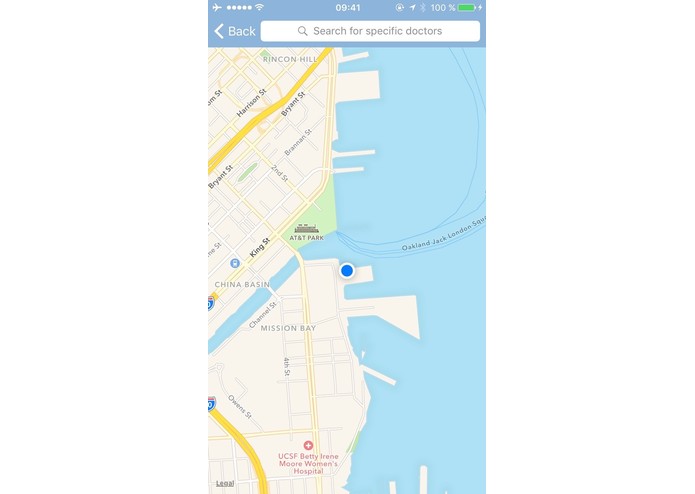
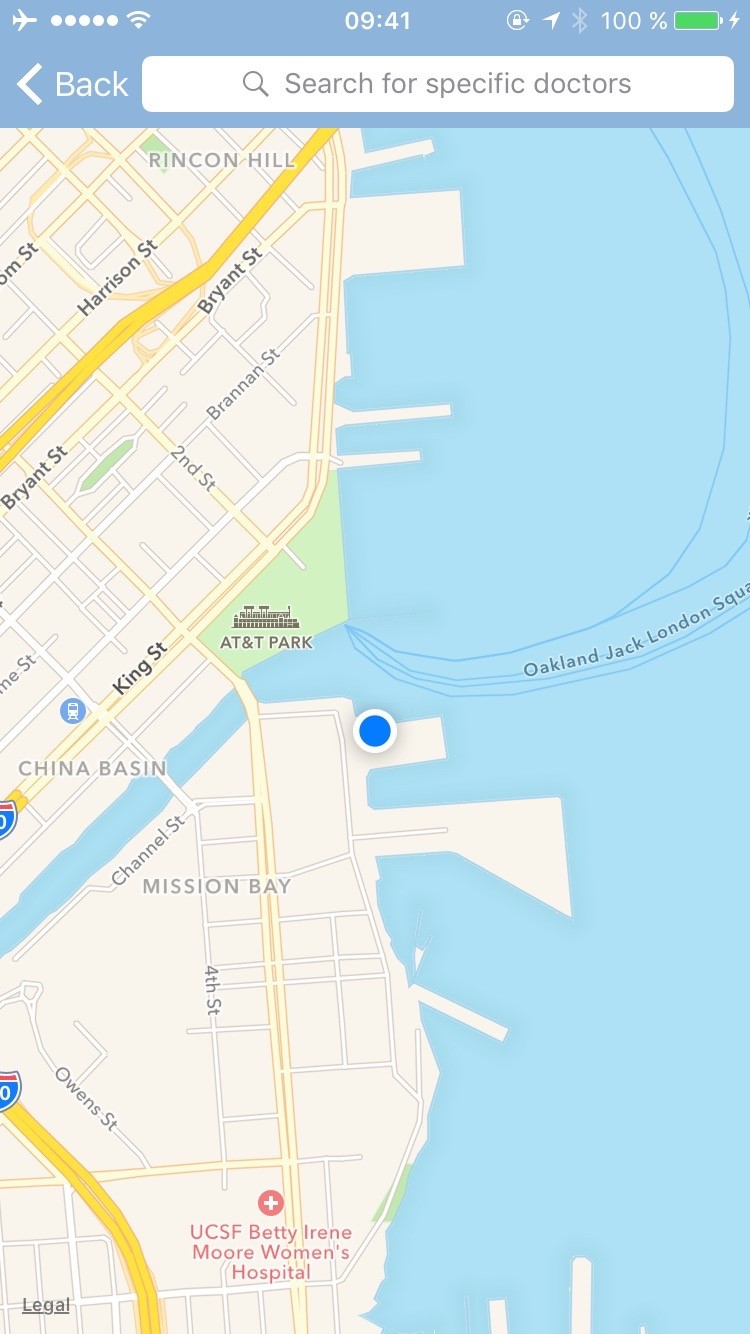
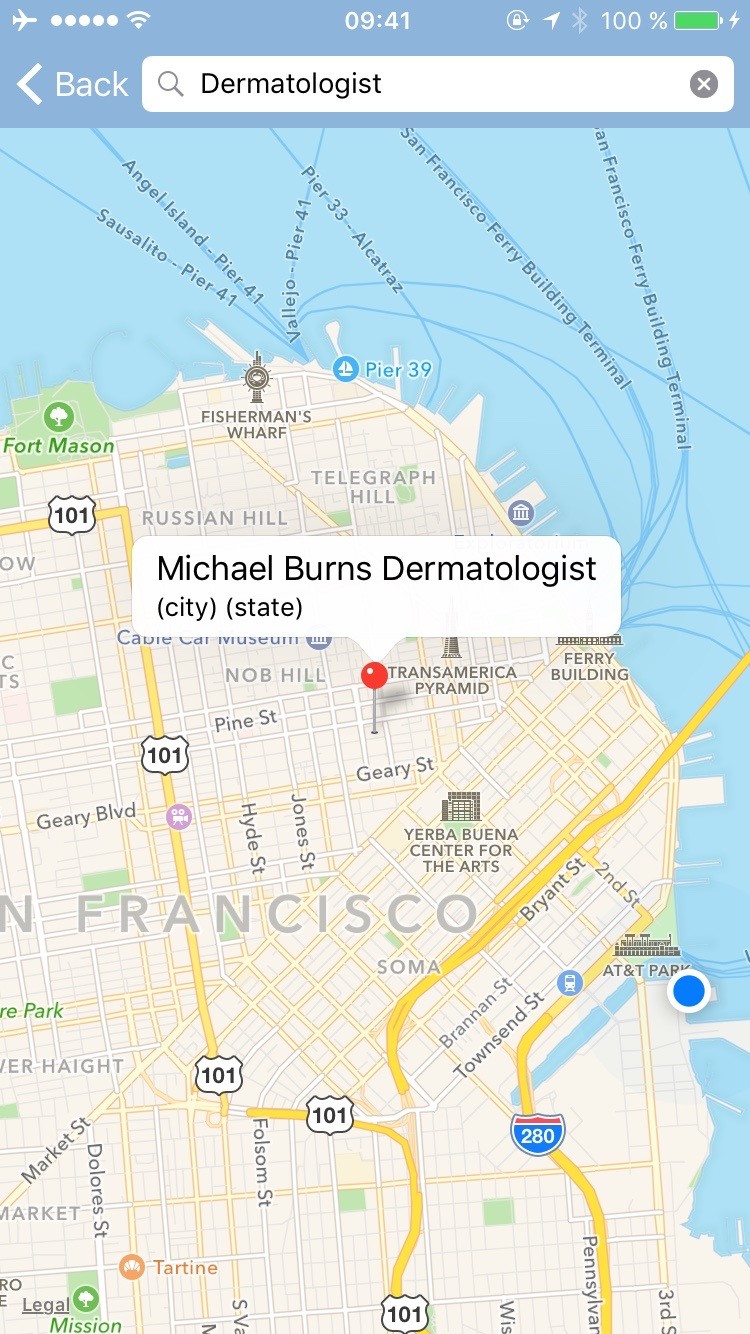
The map will locate the user via GPS and enables the user to look for specific doctors around him and will show him the closest one.
-
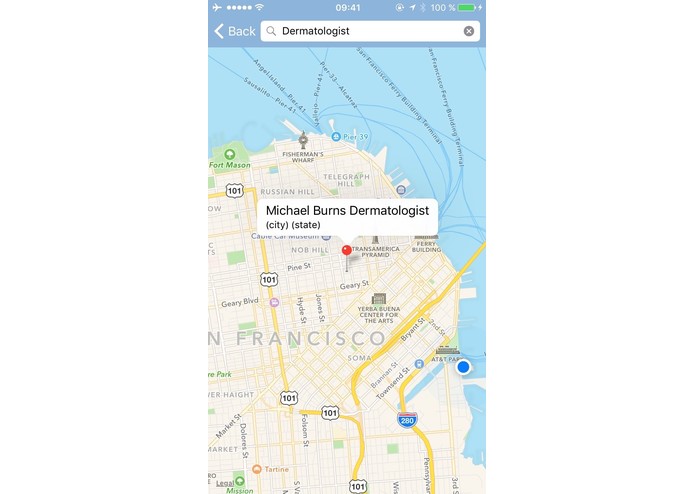
By choosing to look for a doctor around, the app will show the user the closest doctor which is relevant for the right treatment.
Inspiration
Being European and having come to the US, we figured out that medical treatment is actually an important thing to care about. Our initial interest for the topic was sparked by the fact that the healthcare situation in the US is actually tougher than it is in Europe. Coming from that perspective, we digged deeper and found out that according to the UN, 5.5 billion people have limited or no access to medical treatment. We wanted to solve this issue and enable easy medical diagnosis for everyone.
What it does
Doctor Watson is an iOS app which gives the user an easy interface in which he can interact with the virtual Doctor. In a dialogue, Doctor Watson finds out what issue the patient is facing and will come up with a proper diagnosis by using an extensive amount of knowledge about illnesses.
In a second step, it is connecting the patient via Twilio call to the nearest relevant doctor. Additionally, a search provides the user with the nearest doctor according to the GPS position.
How we built it
We built the app with swift and integrated the Twilio and IBM Watson API. IBM Watson is in the very center of our solution, since it enables an easy Q&A format which is catching important keywords.
In the long-term, we want to use even more capabilities of IBM Watson and eventually have an AI working on the diagnosis.
Challenges we ran into
We had some issues integrating the Twilio API and due to limited time we were not able to actually implement a running Twilio chat yet.
Accomplishments that we are proud of
We really wanted to have a solution which is solving a real-life problem and is doing something good for society. We believe that Doctor Watson does add significant value and will be used widely within poor countries.
What we learned
We learnt a lot about the APIs of IBM Watson and Twilio. It was great to work with these and try them out.
What's next for Doctor Watson
The next step will definitely be a more sophisticated classification of illnesses. As a second step, we will work on the AI to come up with diagnosis.
Built With
- ibm-watson
- swift
- twilio)


Log in or sign up for Devpost to join the conversation.