-
-
SimpleSamp Ideation
-
SimpleSamp Render
-
SimpleSamp Test Result
Inspiration
After a brief market analysis, we noted a shift in the design of medical tests utilizing phones. We appreciated this design choice as it can decrease the product cost for the manufacturer and end user, while also being extremely convenient. Completing and tracking a medical test on a phone makes the procedure fool-proof and also stores the data in a convenient place.
What it does
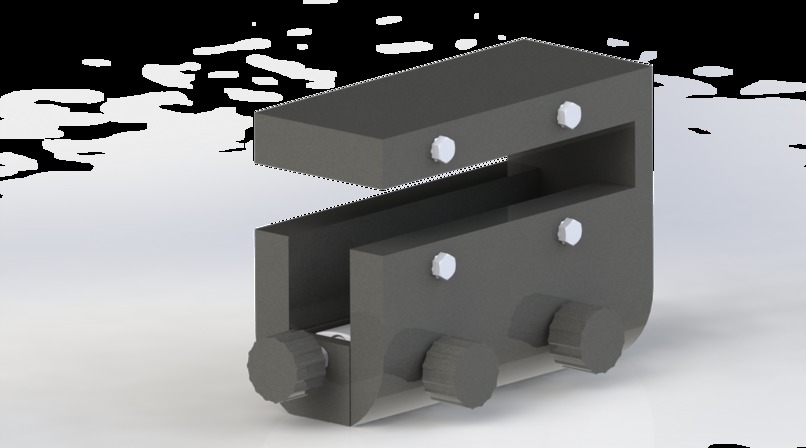
The SimpleSnap uses only about 7 components to facilitate a medical test, which is then interpreted with the use of a phone and an app. The physical assembly as well as the phone is used in tandem to guide the user to follow the testing procedure, ensuring it is risk free. We also propose for the app to be able to log the user's testing data, propose action items, and provide sharing capabilities for the user to send their results to a physician or family member.
How we built it
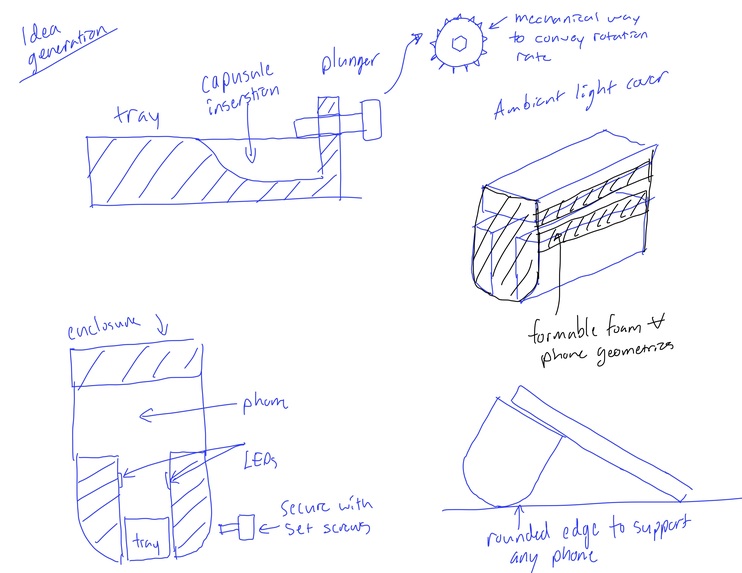
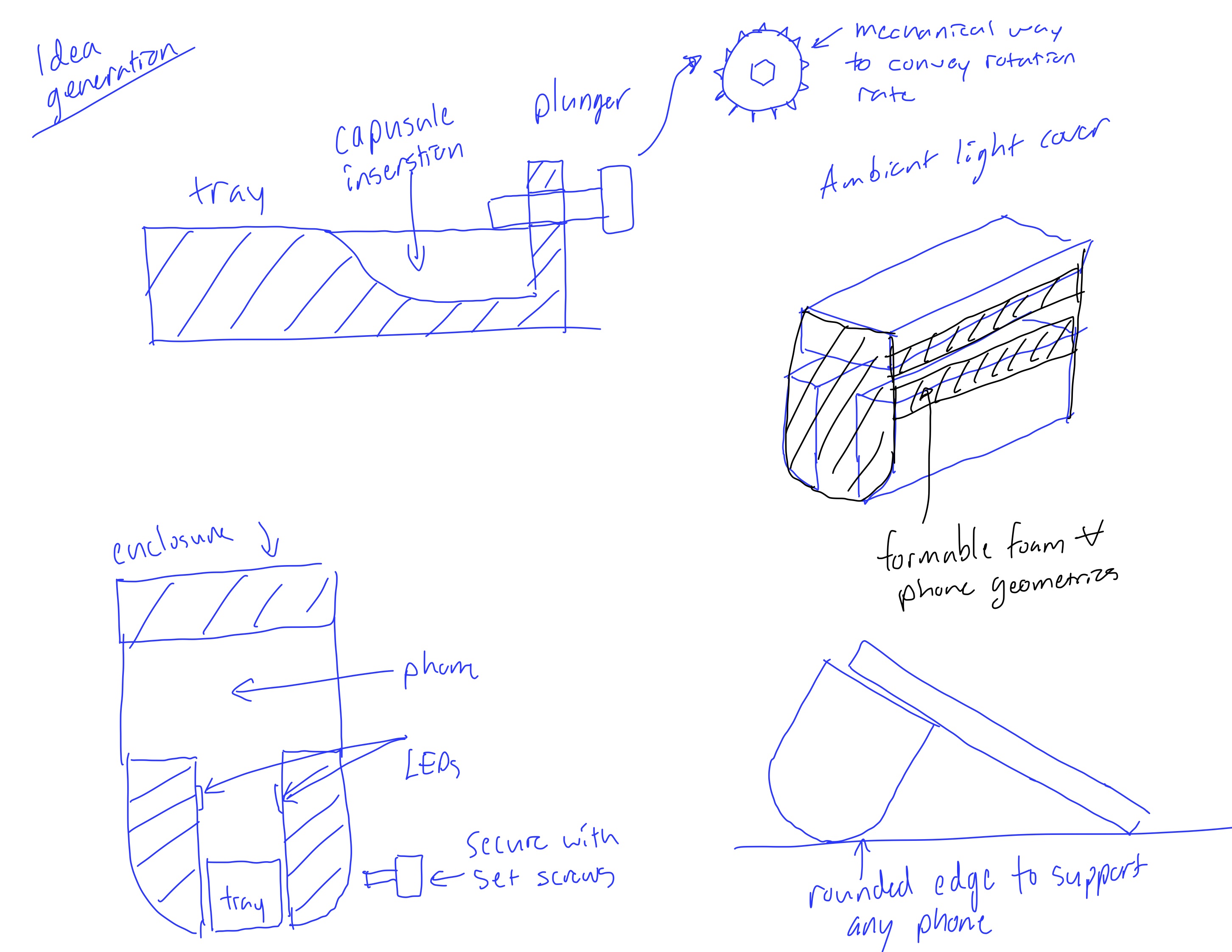
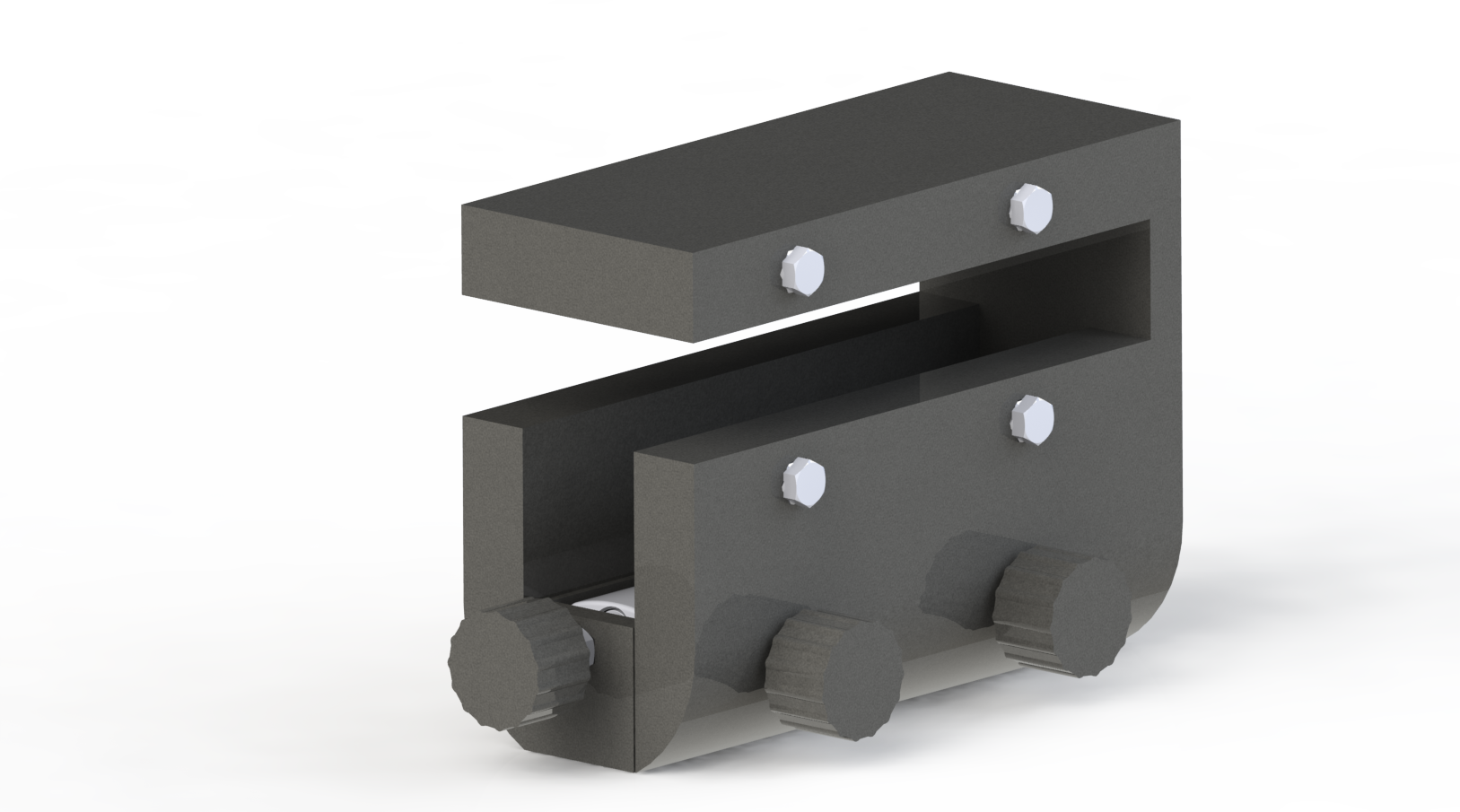
Our design started with many sketches, preliminary CAD models, and quick reference 3D prints of critical ideas as part of our idea generation phase. In this preliminary phase, we determined good design ideas to keep, such as the tray and plunger actuation mechanism that remained throughout the entire design process, as well as rigorously proved the feasibility of our more innovative design choices. Then, we refined two candidate designs, and eventually rapid prototyped both ideas with 3D printers both of our ideas.
Challenges we ran into
One challenge was determining a camera and PCB solution. The weight, cost, and geometry constraints were not idea for our original design. Our group's unique solution was utilizing the users' smartphones that they likely already have. This decision drastically altered our design and provided many advantages, as well as its own design challenges which we eventually solved too. Another challenge was designing the enclosure to prevent ambient light seepage and to make the phone holder adjustable to accommodate any phone model. Our solution was to explore felt or foam curtains, which proved successful. As well we found it difficult to work on a CAD assembly across multiple devices, however, we overcame this by delegating CADing to select members, while others worked on idea refinement and the presentation.
Accomplishments that we're proud of
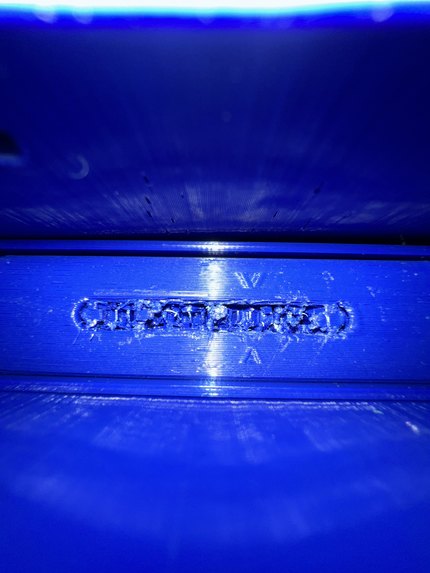
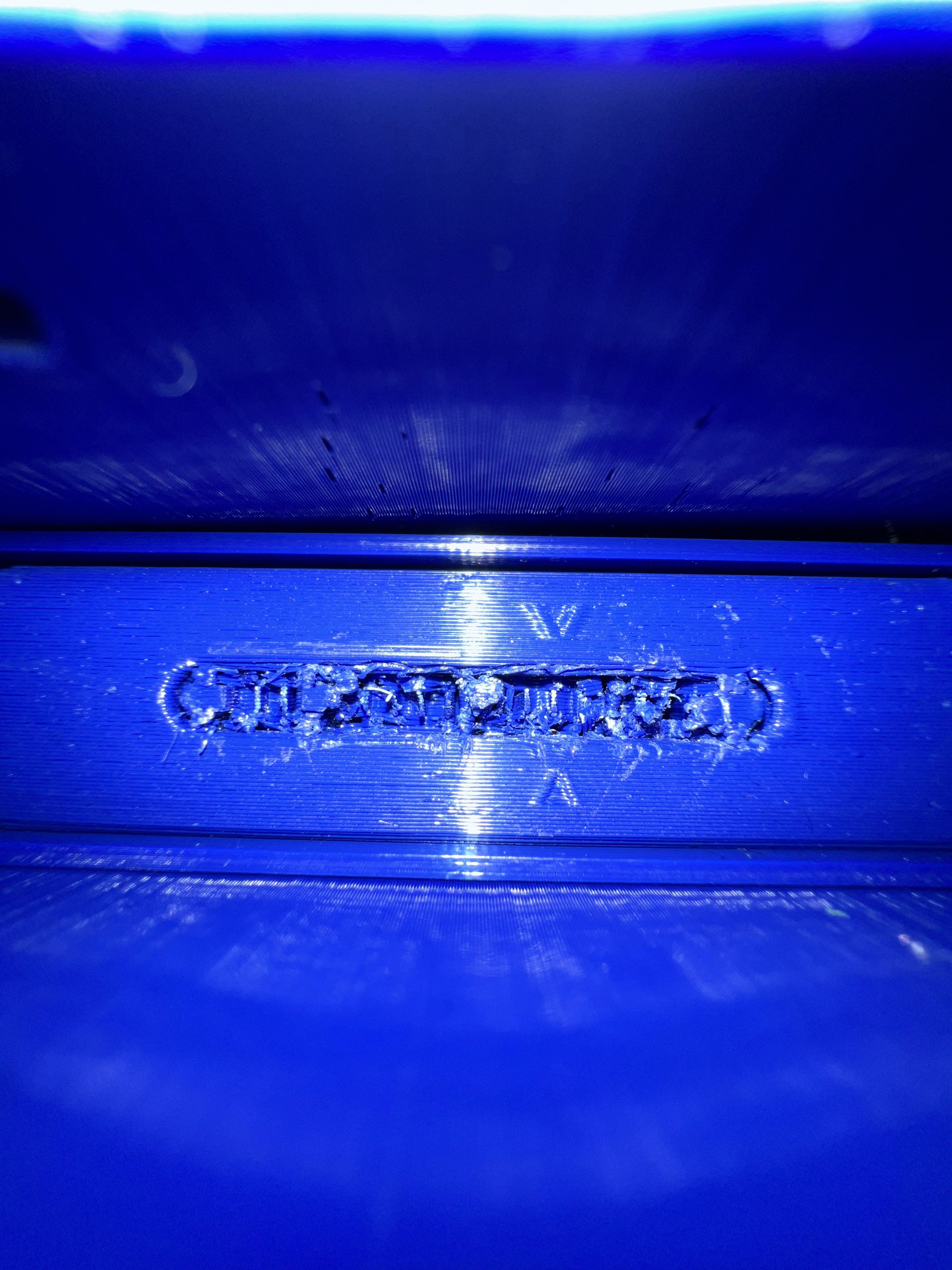
We are especially proud to have a completely working prototype with ideal test results. Our assembly, incorporated with the camera app on our phones is able to take a clear photo of our cartridge when used with flash. Without flash, we can confirm that the interior of the assembly is light-tight and will not interfere with the test.
What we learned
We learned how to effectively communicate our ideas orally, through sketches, and CAD. As well, we became proficient at working on a CAD assembly across multiple devices. Furthermore, we learned how to thoroughly assess the feasibility of all our critical design decisions' feasibility, well before we prototyped a physical model.
What's next for Cortex Design Challenge: SimpleSnap
Although the designathon is over, we still have access to our CAD files and are very much enthusiastic to refine our design further. For future improvements we would like to test our assembly with a variety of phones, to finalize the design so it can be compatible with any personal device. While our proposed app has been thoughtfully planned out, it still needs to be created which is outside the scope of this project. Lastly, the prototype also requires the use of a diffused LED strip. We were unable to incorporate this in our prototype due to the lack of materials.
Built With
- solidworks


Log in or sign up for Devpost to join the conversation.