-
-
Loading Screen
-
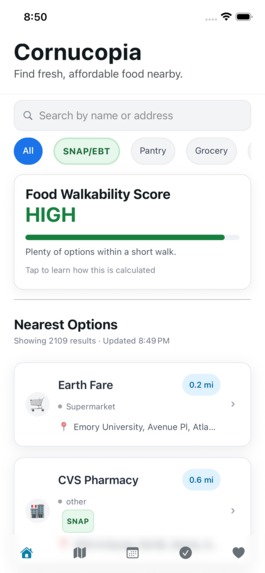
Home
-
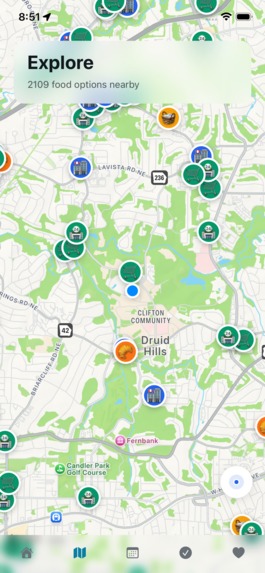
Explore
-
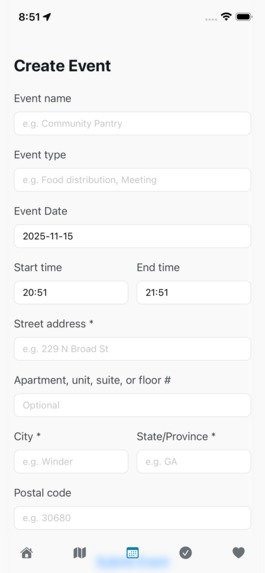
Events
-
Benefits Eligibility
Inspiration
Cornucopia was built to solve the problem of finding healthy and affordable food in food deserts. Food access should be as straightforward as possible in a smart city, and we figured that we could help people in food deserts by creating a comprehensive mobile app. There exist many apps that partially address this problem, including ordinary map apps and programs that pinpoint food pantries. We wanted to provide a better solution that shows a complete list of resources and details on their affordability and assistance program eligibility, and let people share their own resources.
What it does
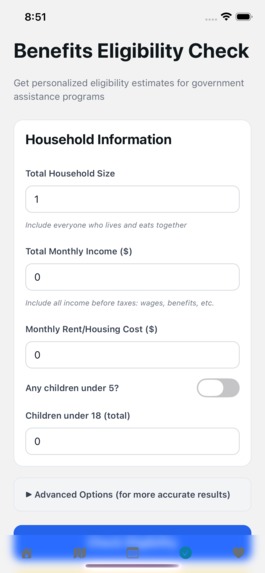
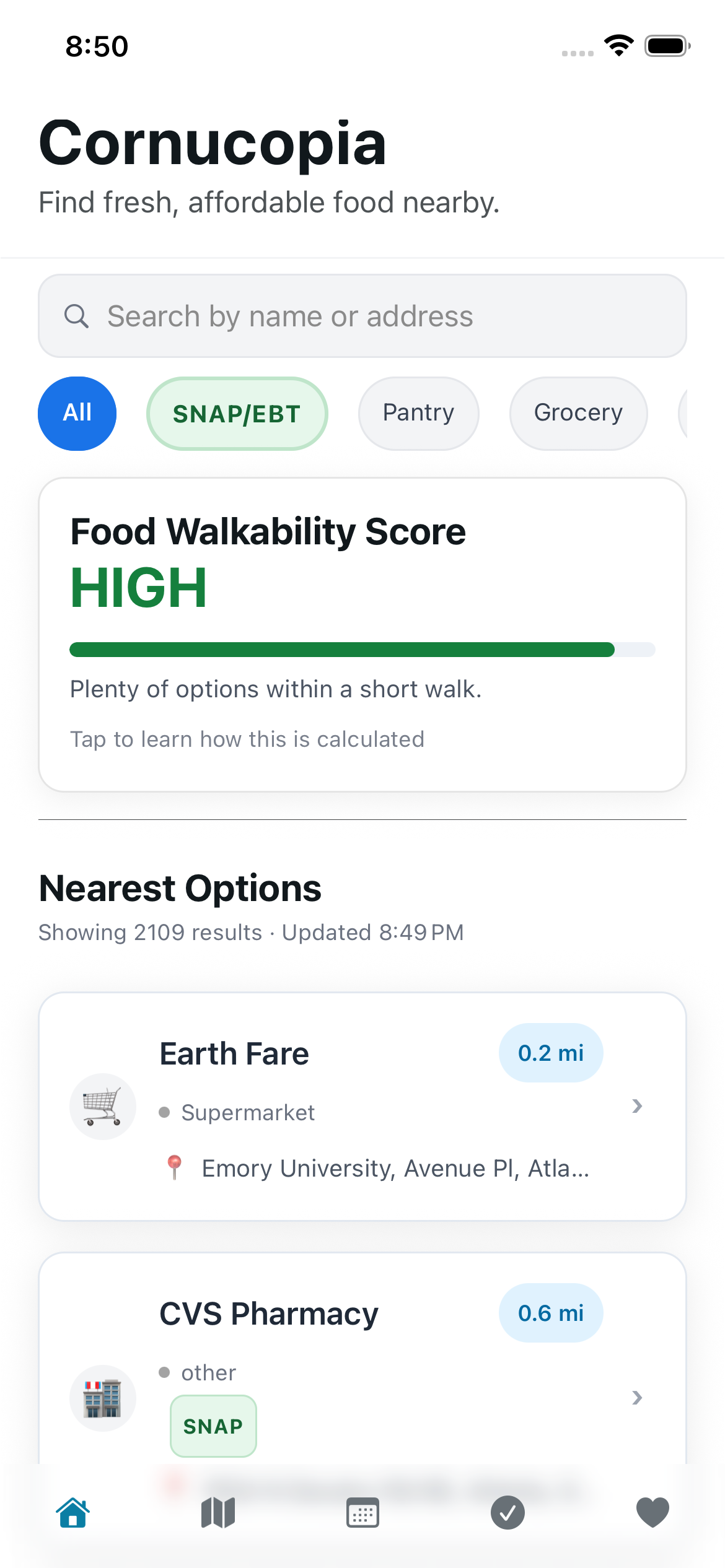
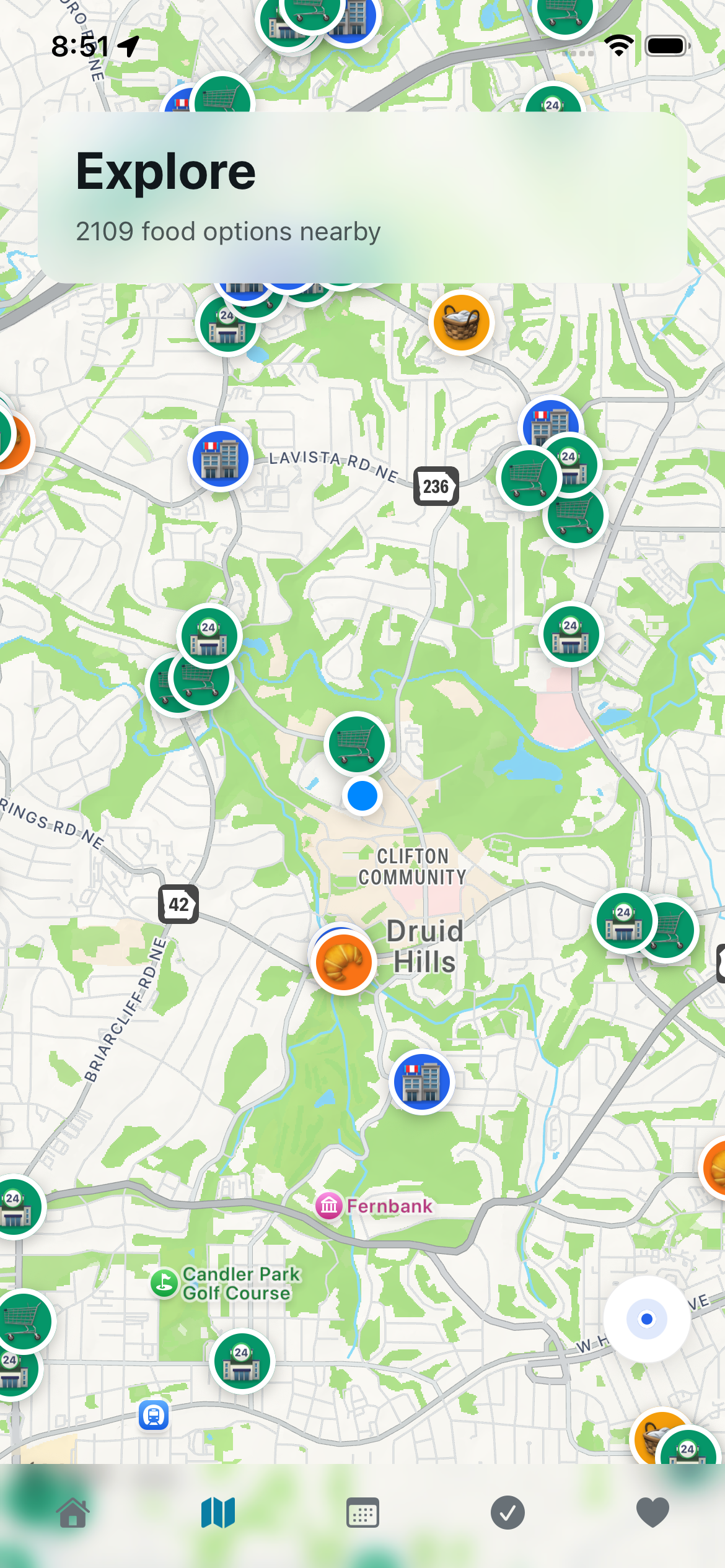
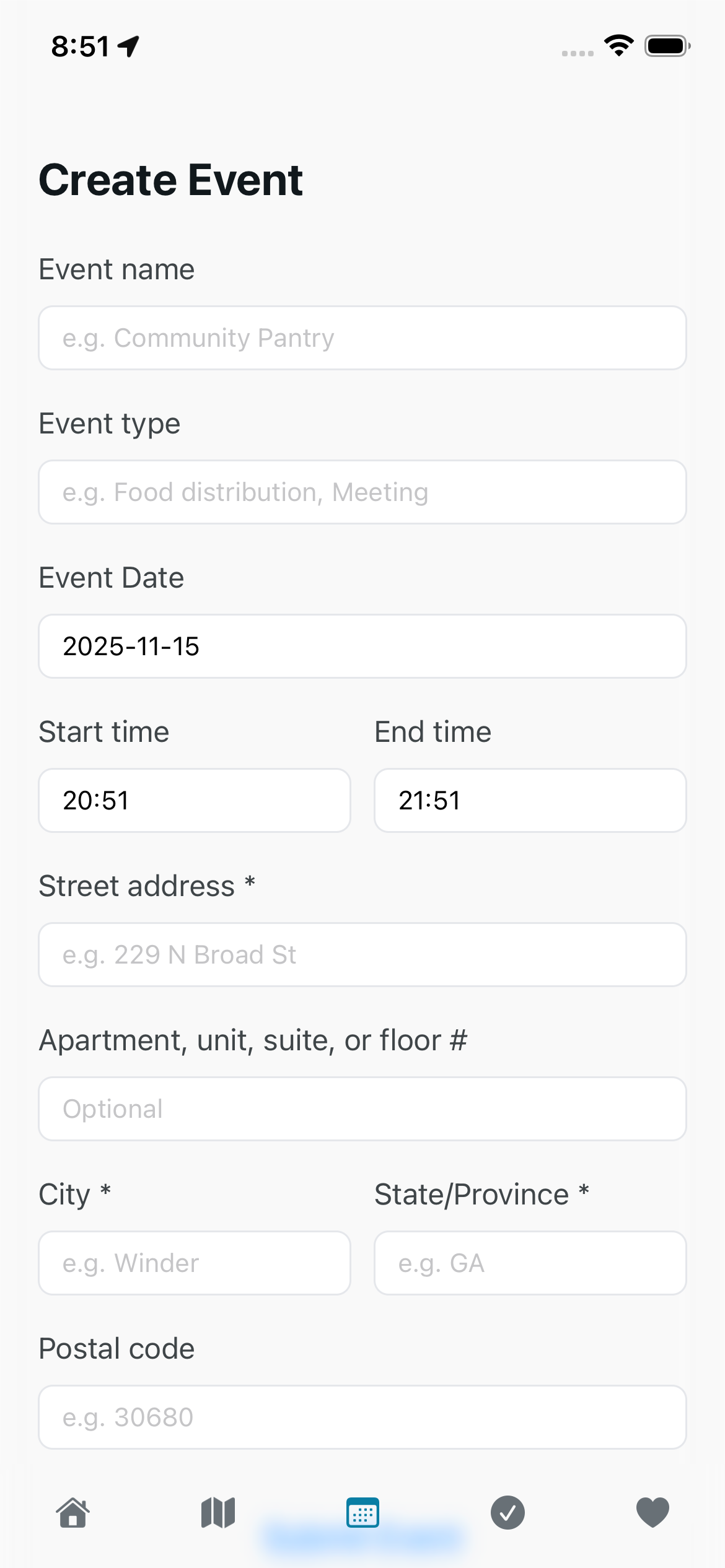
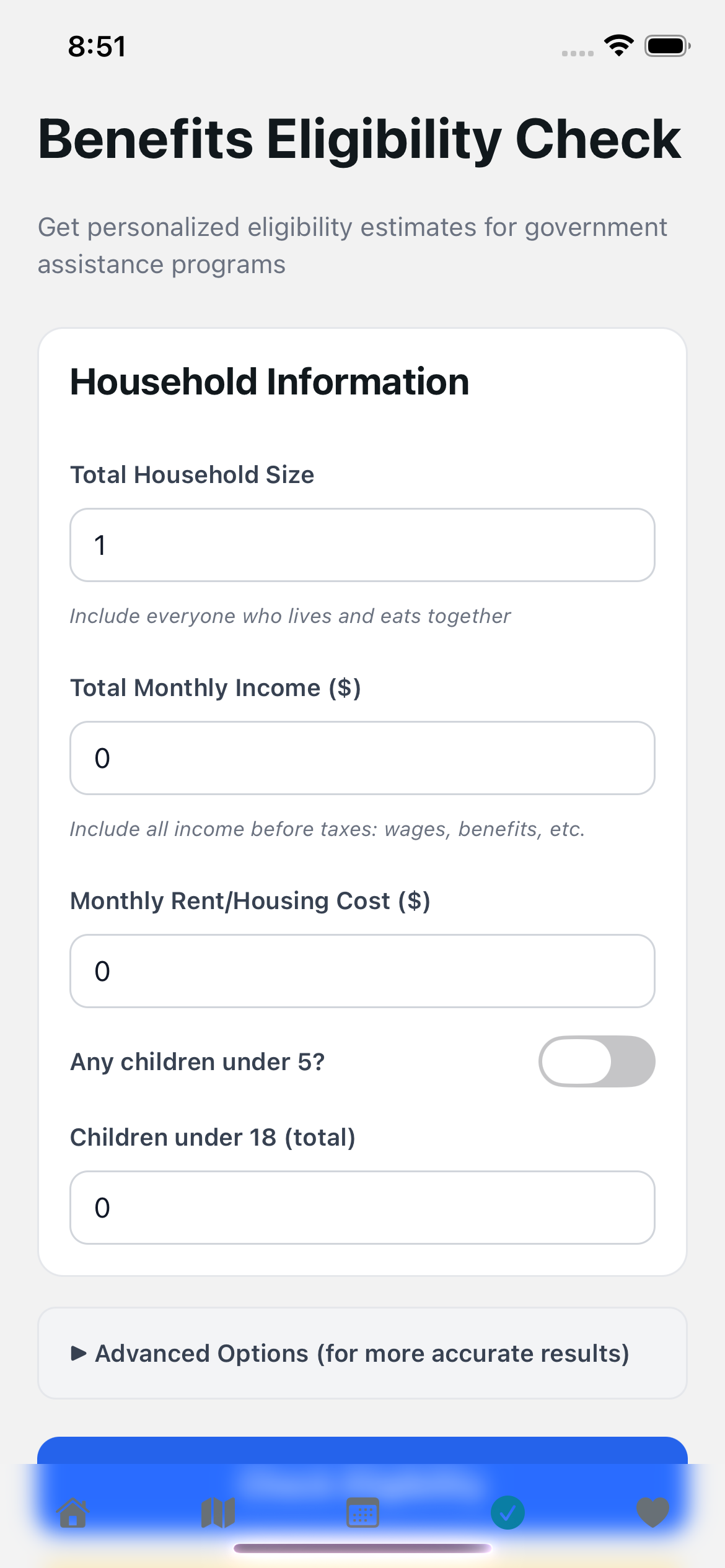
Our app aggregates all nearby food options and highlights key data, such as distance, affordability, and SNAP/EBT eligibility, at a glance. This is done through a list view on the homepage, as well as dynamic pins on a map view. We also implemented the ability to upload and share events, such as food drives and pantries, for other users to view. Additionally, we also have information about assistance programs and an estimator for program qualification.
How we built it
Cornucopia uses React Native/Expo to create a cross-platform mobile app with a Supabase backend. Our data was sourced from OpenStreetMap, as well as from USDA’s list of SNAP/EBT eligible locations. We use Apple’s map as the background for our map page.
Challenges we ran into
One primary challenge we ran into was data sourcing. We had to weigh our options, including OpenStreetMap API, Google Places API, and the USDA’s data. Although Google had the most complete and accurate information, the alternatives were free, so we combined data from the other sources. It took extensive data cleaning to match the format of the locations from the two sources, but they ultimately combined nicely in our database.
Accomplishments that we're proud of
We’re excited about our success experimenting with technologies that none of us have worked with before. For our first time building with React Native/Expo, we’re happy with the results. We’re also proud of our idea, thinking outside the box on the “smart city” topic and building something that people could really use.
What we learned
All team members gained valuable full-stack development experience, as well as insight into food deserts and how to access resources. It took lots of research on government assistance programs and existing resources for people in food deserts to bring our idea to life. We also expanded on our previous knowledge of UI/UX design and event feature building while working on key parts of our app.
What's next for Cornucopia
In the future, we can expect data on more resources to be incorporated, such as food banks, public fridges, and any other available relevant data. We also wanted to design a “food accessibility score” - a holistic metric ranging from 0 to 100 that determines how accessible healthy, affordable food is based on the resources available near a location. Finally, we hope to be able to release our app to the public one day.


Log in or sign up for Devpost to join the conversation.