-
-

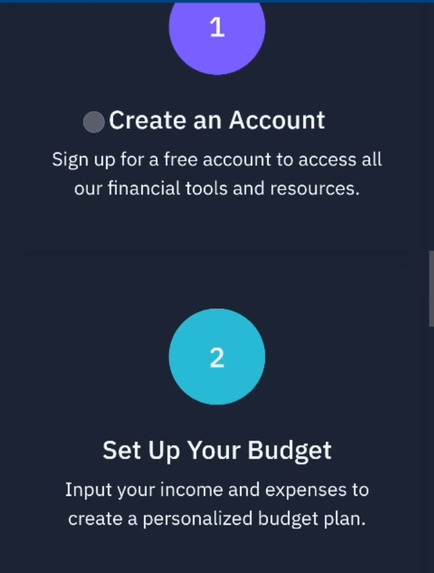
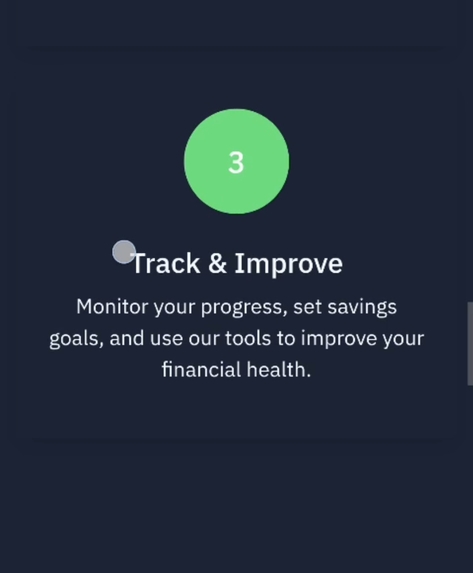
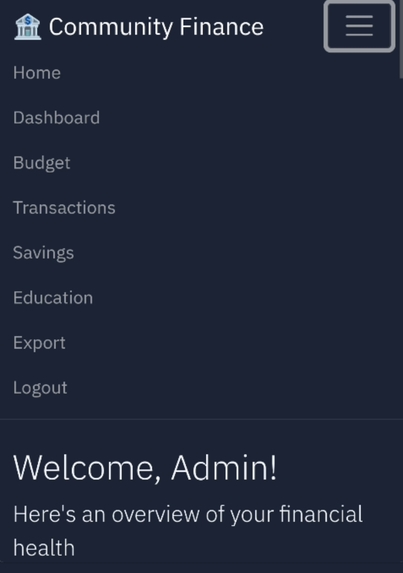
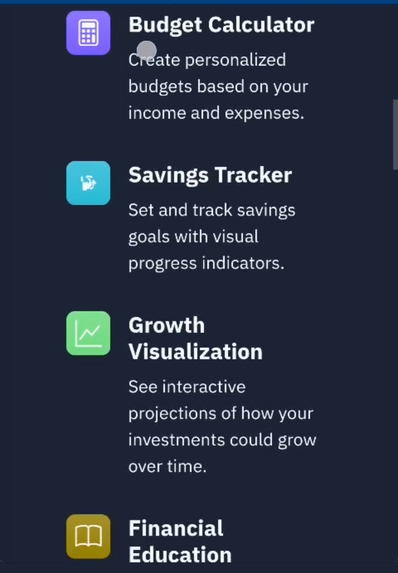
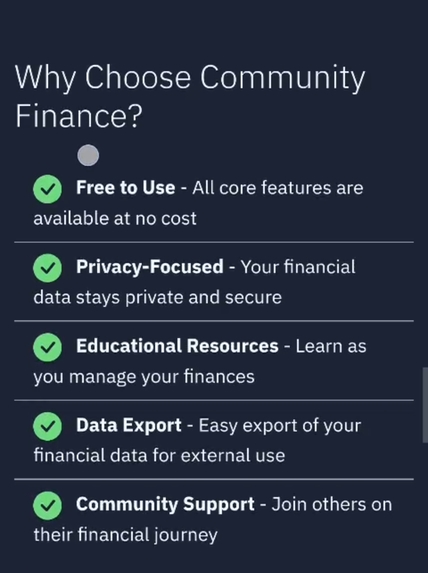
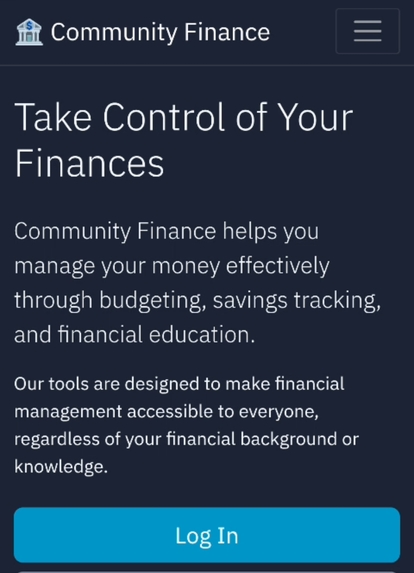
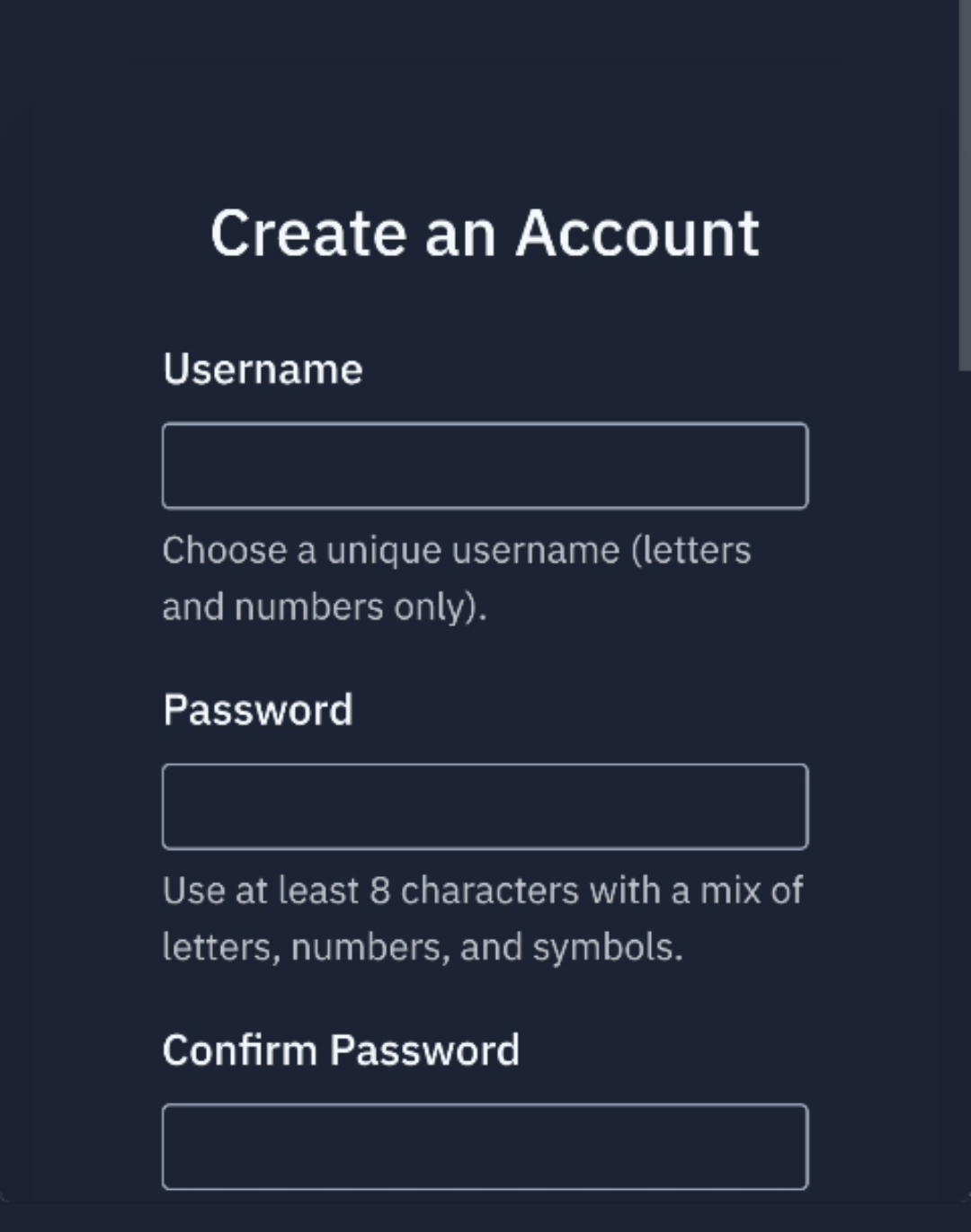
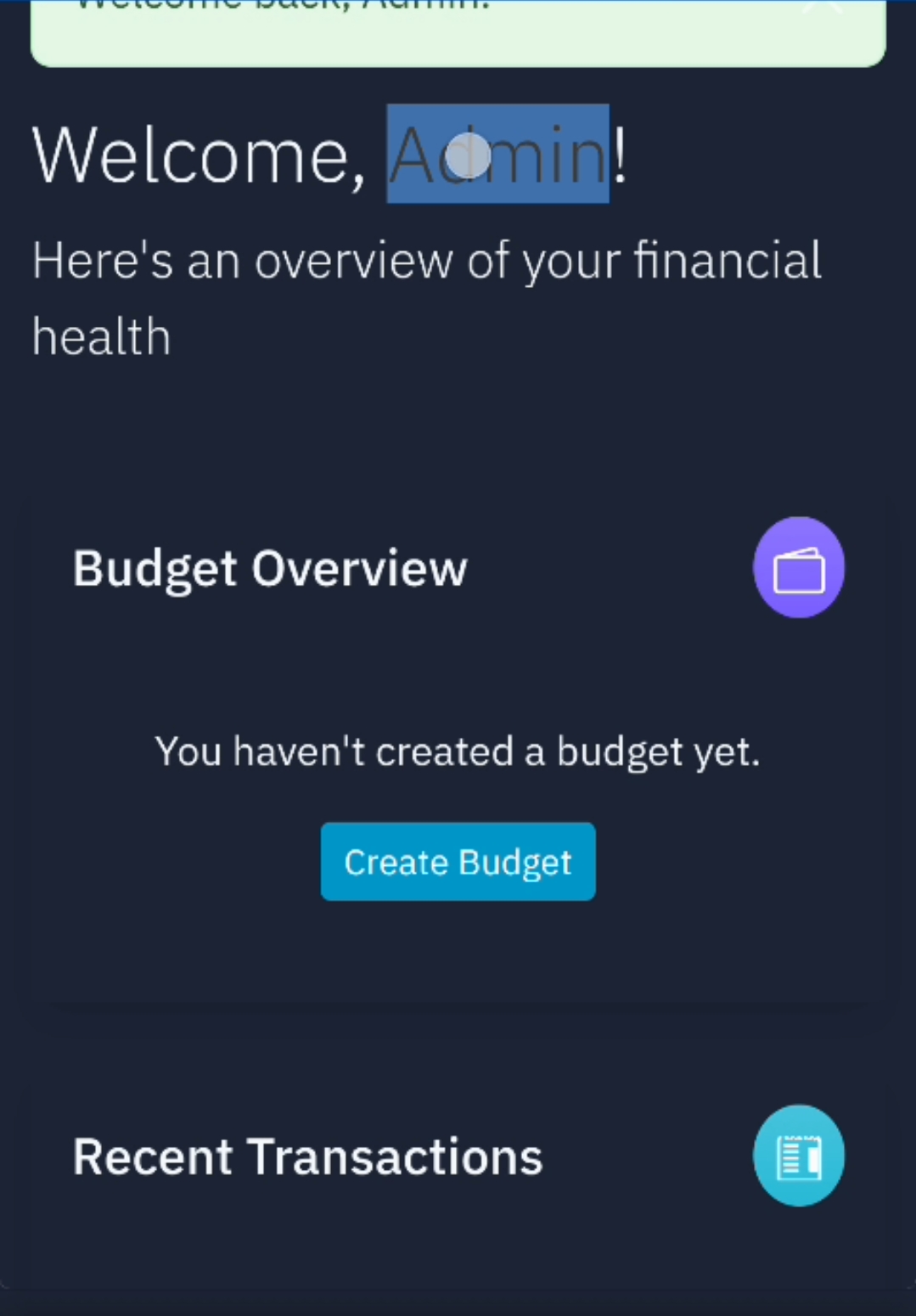
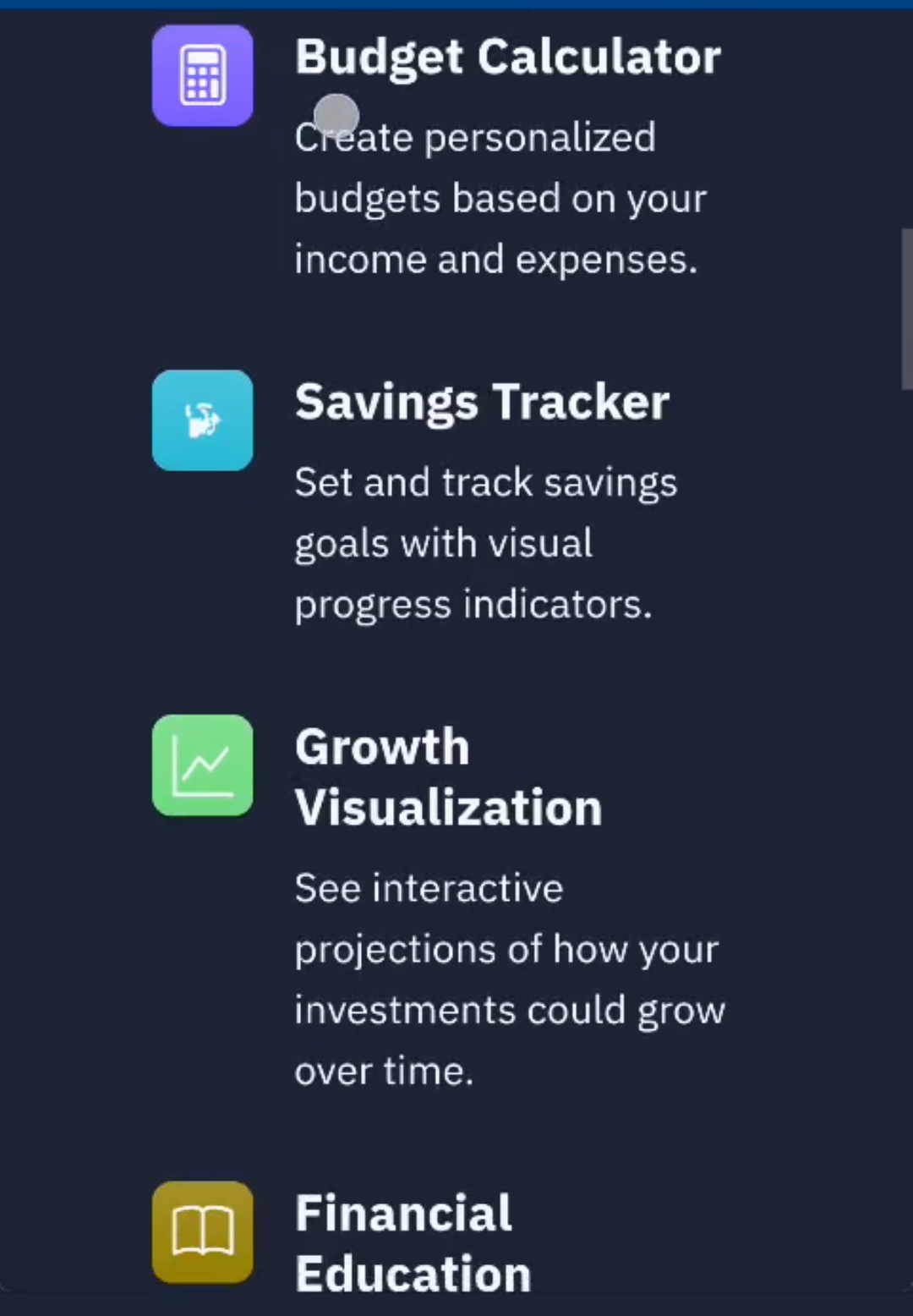
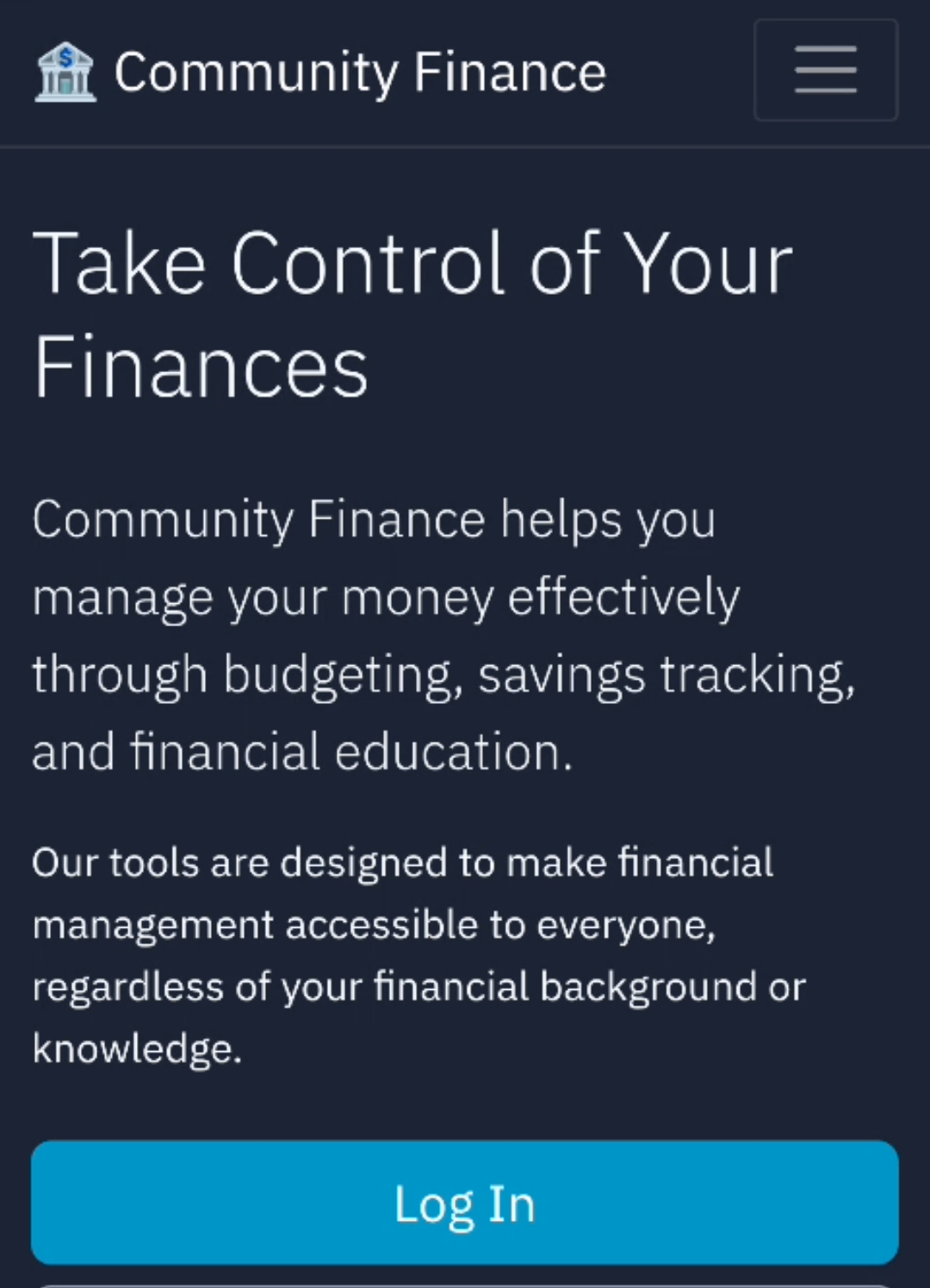
Mobile Template
-
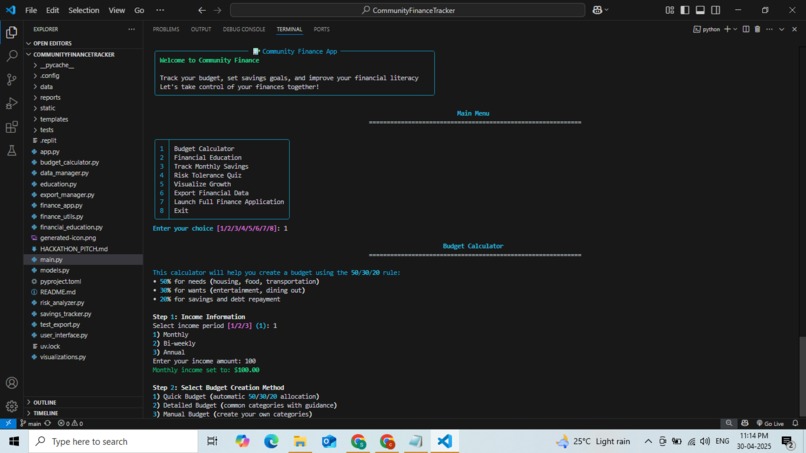
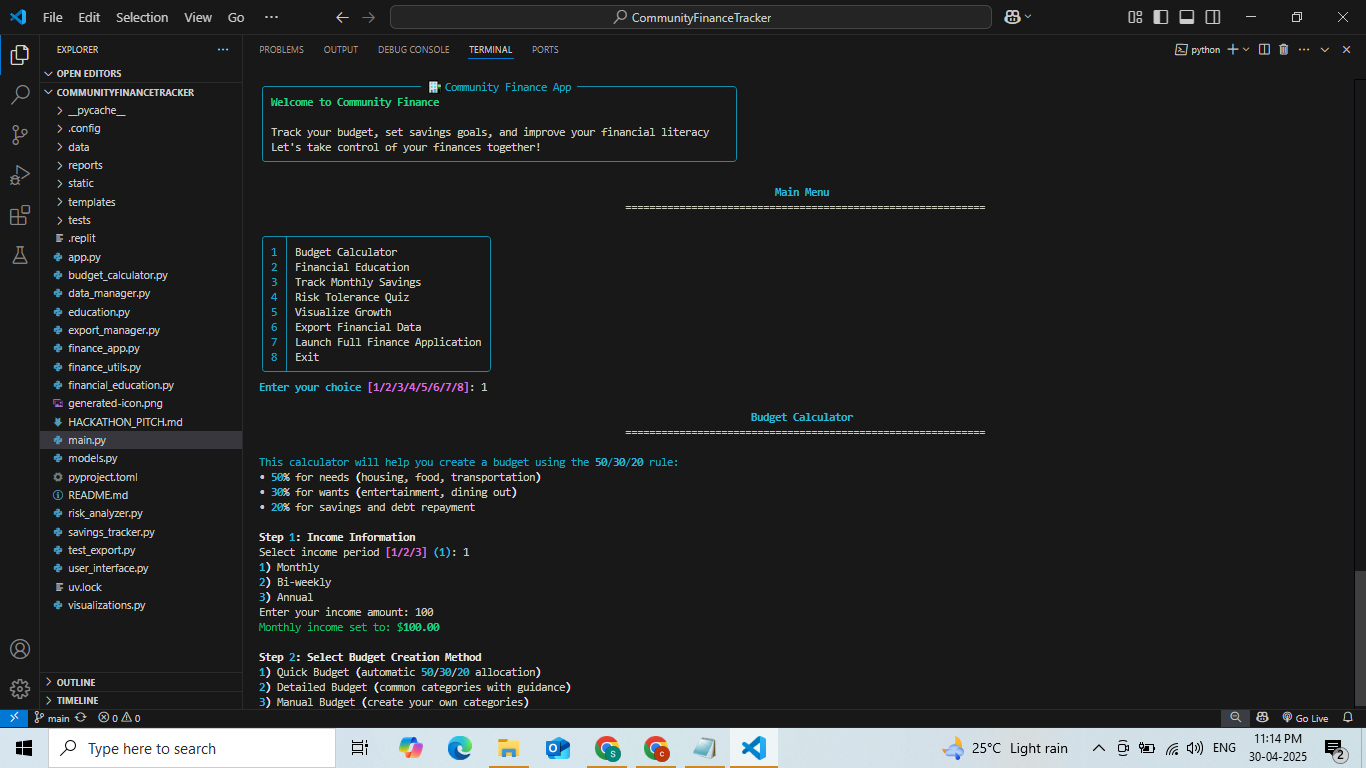
Desktop Running Projecct
-
-
-
-
-
-
-
-
-
-

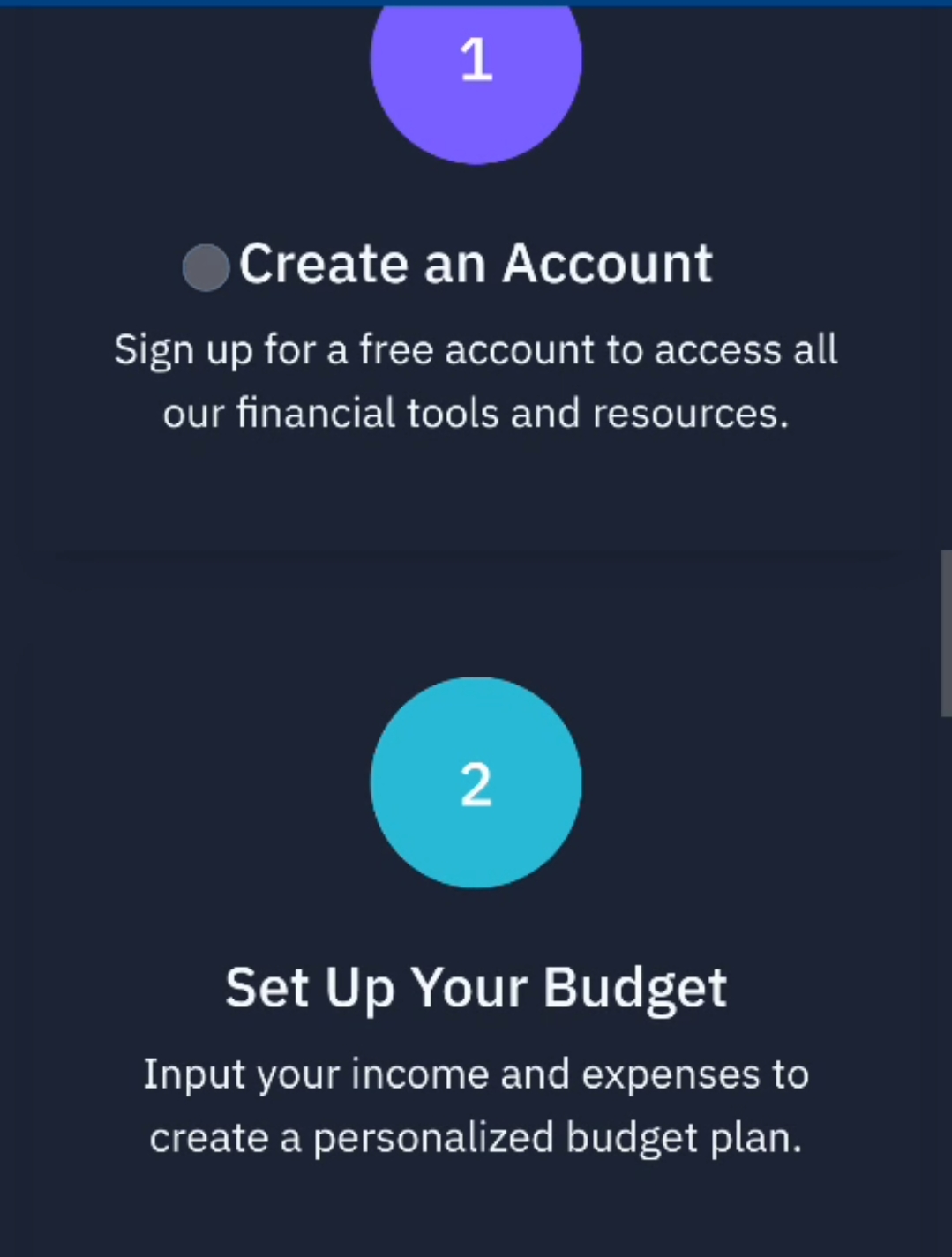
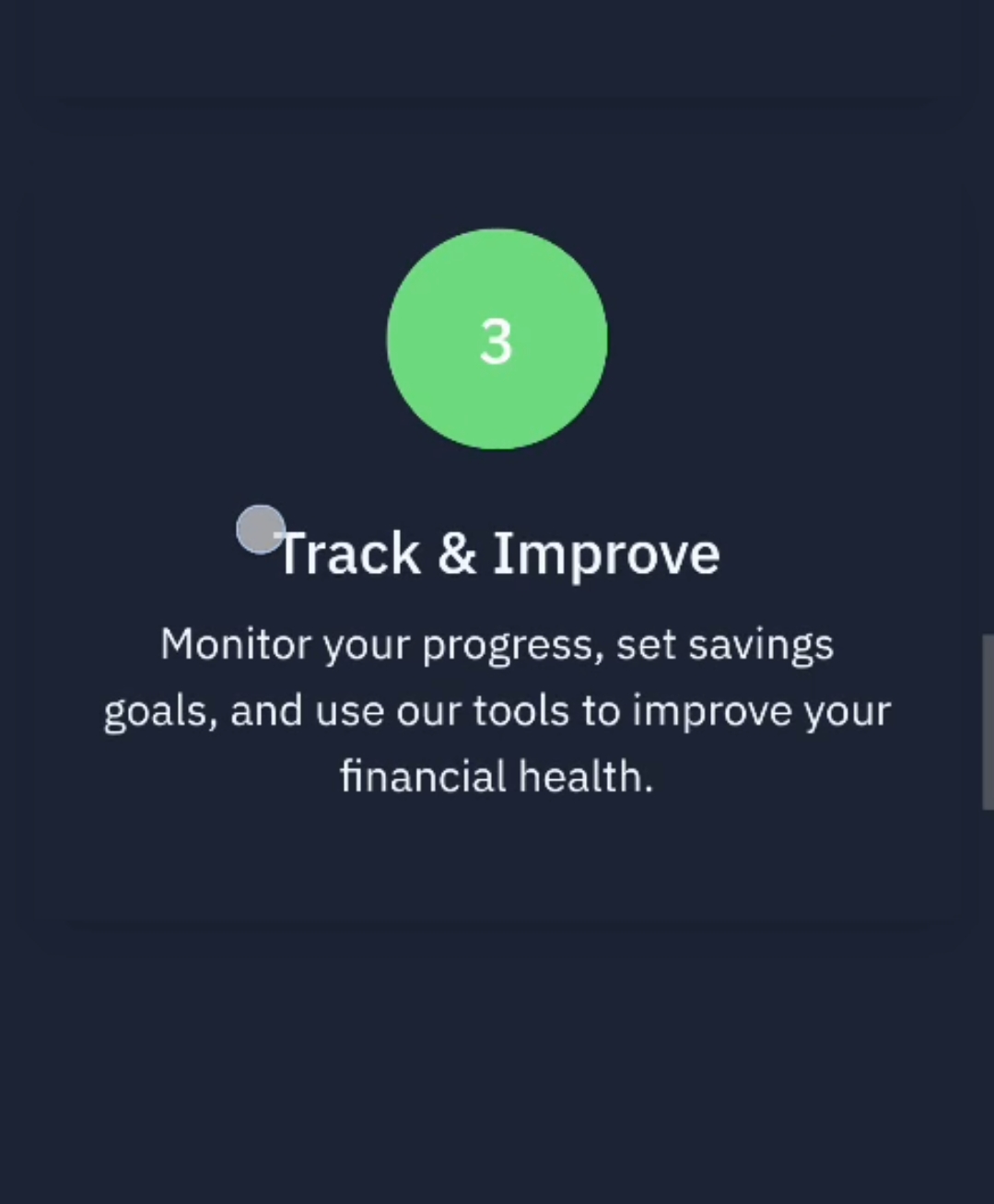
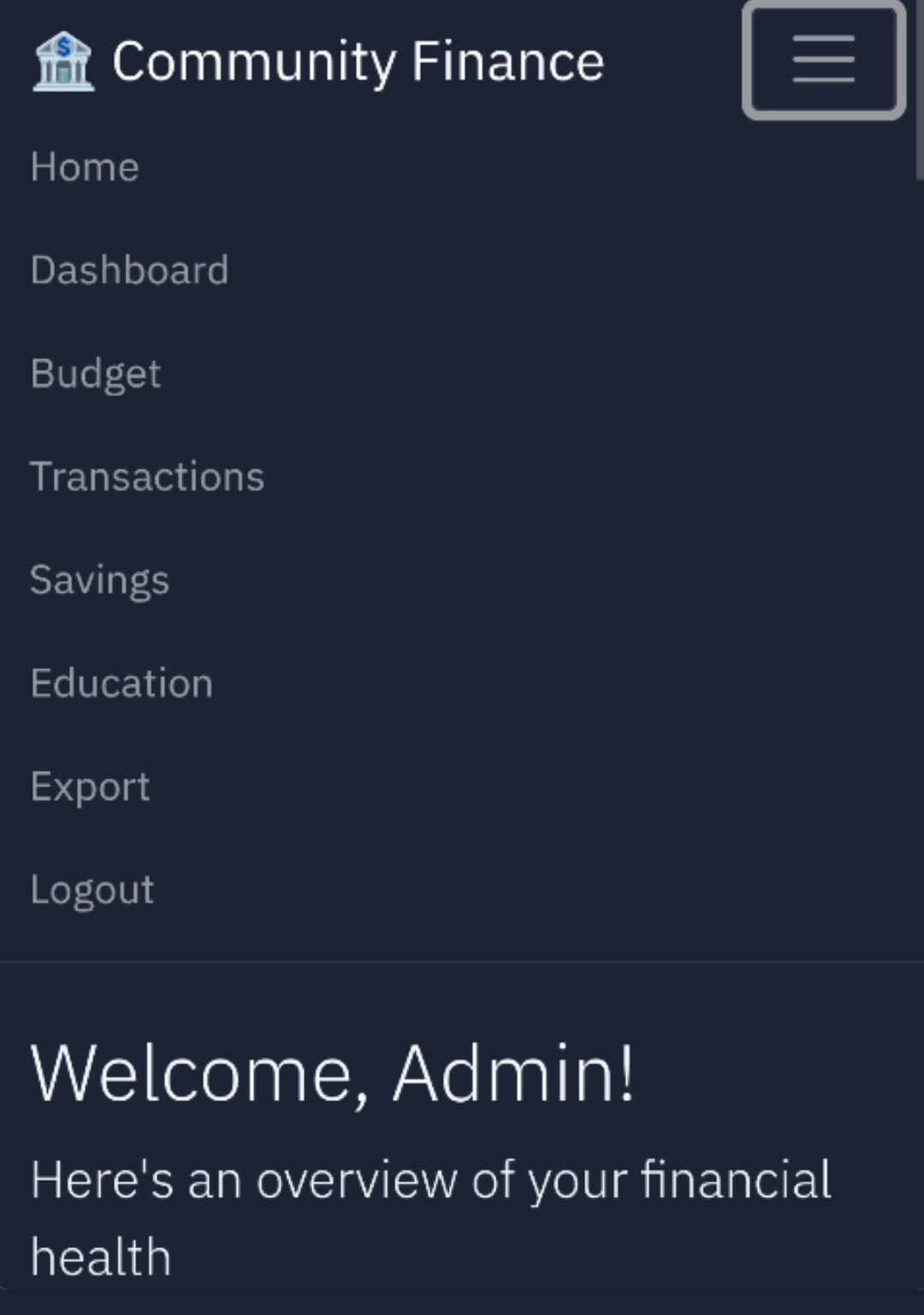
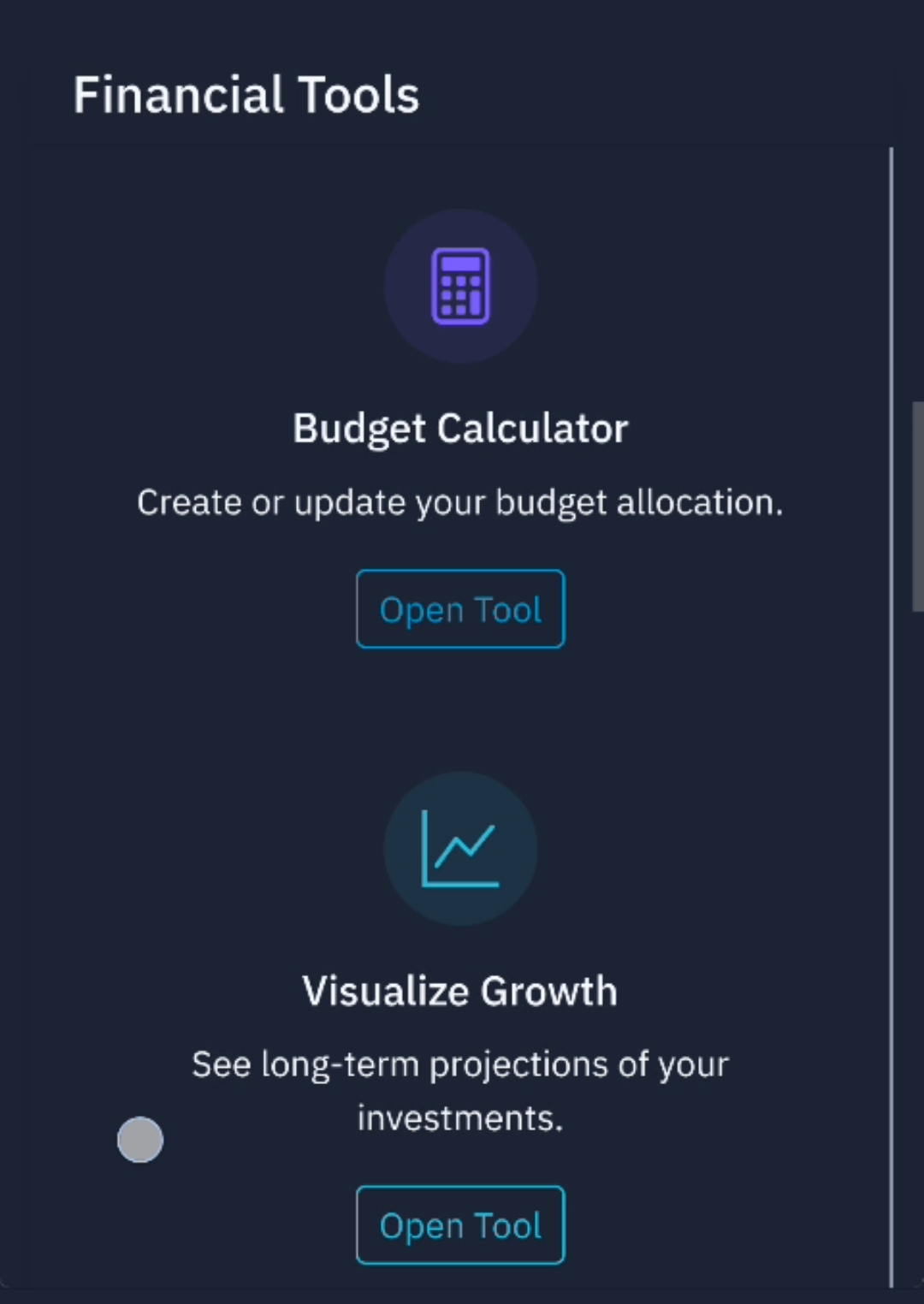
Community Finance Python App Using AI
Inspiration
Our team was inspired by the financial struggles we observed in our own community, particularly among young adults and those with limited financial literacy. We noticed a lack of accessible tools to help with budgeting, saving, and making informed financial decisions. We wanted to create a practical solution that could empower people to take control of their finances and improve their overall well-being.
What it does
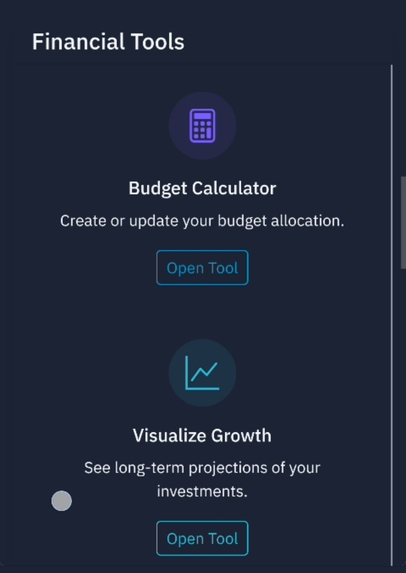
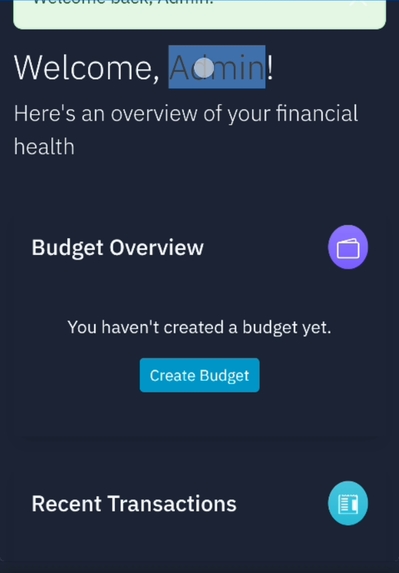
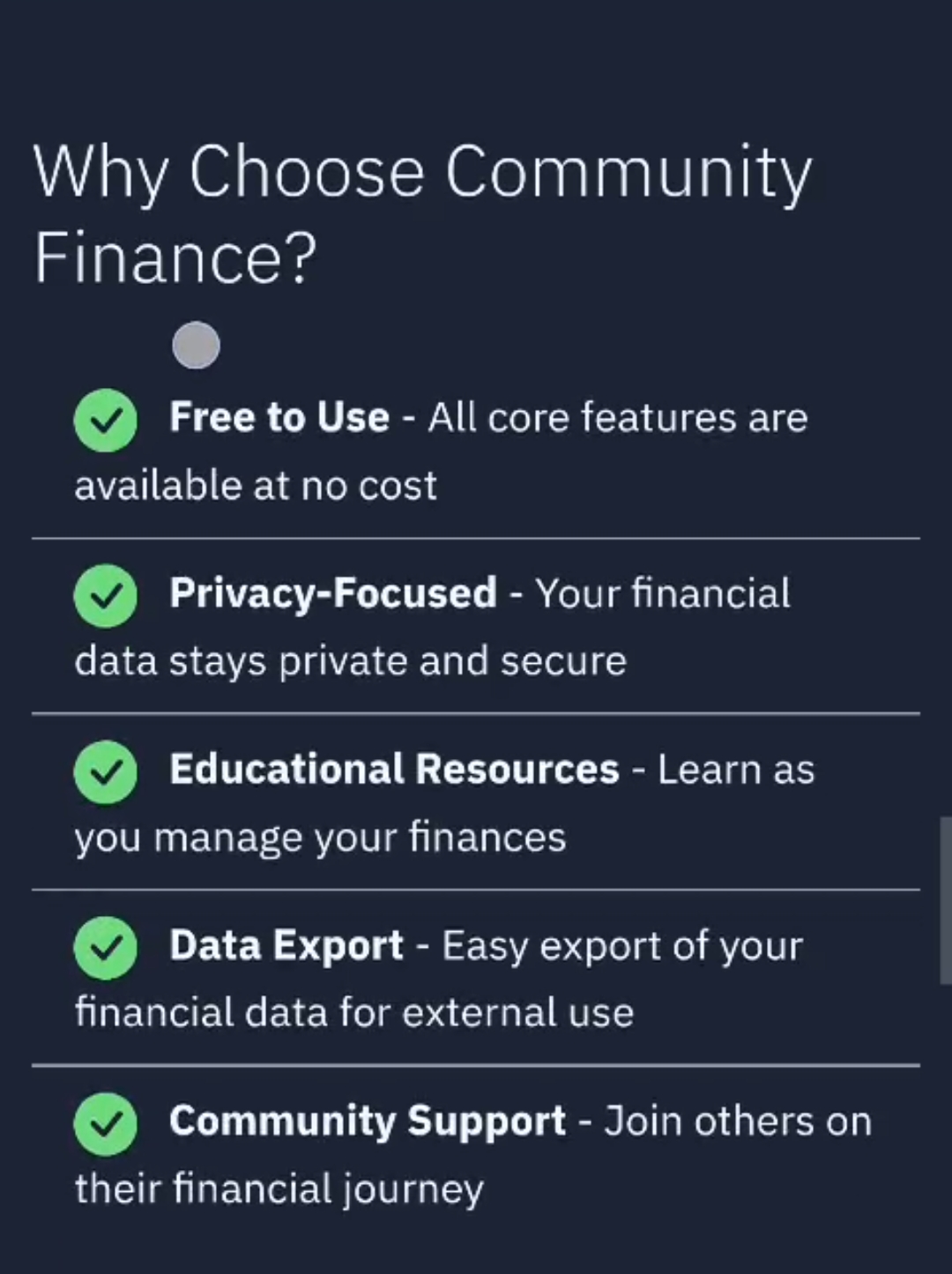
Our Community Finance Python App is a command-line tool designed to help users manage their personal finances effectively. It provides features for:
- Tracking income and expenses.
- Creating and managing budgets.
- Calculating savings projections.
- [Include any other key features of your app]
- (Optional) Assessing financial risk tolerance.
How We Built It
We built our app using Python, focusing on a command-line interface to ensure simplicity and ease of use.
Planning: We started by clearly defining the problem we wanted to solve: [State the problem you chose, e.g., "the lack of a simple tool for tracking expenses and creating a budget"]. We then brainstormed the essential features of our app.
Development: We used Python to develop the core logic of the app. This included:
* Collecting user input.
* Processing financial data.
* Performing calculations (e.g., budget calculations, savings projections).
* Displaying information in a clear and concise manner.
User Interface: We designed a user-friendly command-line interface (CLI) to make the app accessible to users with varying levels of technical expertise.
(Optional) Risk Management Feature: To enhance our app, we incorporated a risk management component. This involved:
* \[*Describe your risk management feature, e.g., "Developing a risk assessment quiz to help users understand their risk tolerance"*].
* \[*Explain how the feature works, e.g., "Providing information about different investment risk levels"*].
Challenges We Ran Into
We encountered several challenges during the development process:
- Balancing Simplicity and Functionality: We struggled to create an app that was both easy to use and provided valuable features. We had to make decisions about which features were essential and which could be omitted.
- Data Handling: We had to learn how to effectively handle user input and perform accurate financial calculations.
- Time Management: Completing the project within the given timeframe was a challenge, requiring us to prioritize tasks and work efficiently.
- (Optional) Implementing the Risk Management Feature: Integrating the risk management component added complexity to our project. We had to research and implement appropriate methods for assessing and communicating financial risks.
Accomplishments That We're Proud Of
- We successfully developed a working Python application that addresses a real-world need.
- We learned to apply our programming skills to a practical problem.
- We gained experience in [Mention specific skills, e.g., user-centered design, financial data processing].
- (Optional) We implemented a risk management feature, which enhances the app's functionality.
What We Learned
Through this project, we learned a great deal about:
- Financial Literacy: We gained a deeper understanding of key financial concepts, such as budgeting, saving, investing, and risk management.
- User-Centered Design: We learned the importance of designing an app with the end-user in mind, focusing on simplicity, intuitiveness, and accessibility.
- Python Programming: We enhanced our Python skills, particularly in structuring an application and handling user input.
- Problem-Solving: We developed our problem-solving abilities by identifying a real-world issue and devising a technological solution.
- Teamwork (if applicable): We improved our collaboration and communication skills by working together as a team to achieve a common goal.
What's Next for Community Finance Python App
We plan to further develop our app by:
- Adding more advanced features, such as [Suggest future features, e.g., investment tracking, financial goal setting, integration with banking APIs].
- Improving the user interface to make it even more intuitive.
- Expanding the app's accessibility to other platforms (e.g., a web or mobile app).
- (Optional) Refining the risk management component based on user feedback.

Log in or sign up for Devpost to join the conversation.