Inspiration
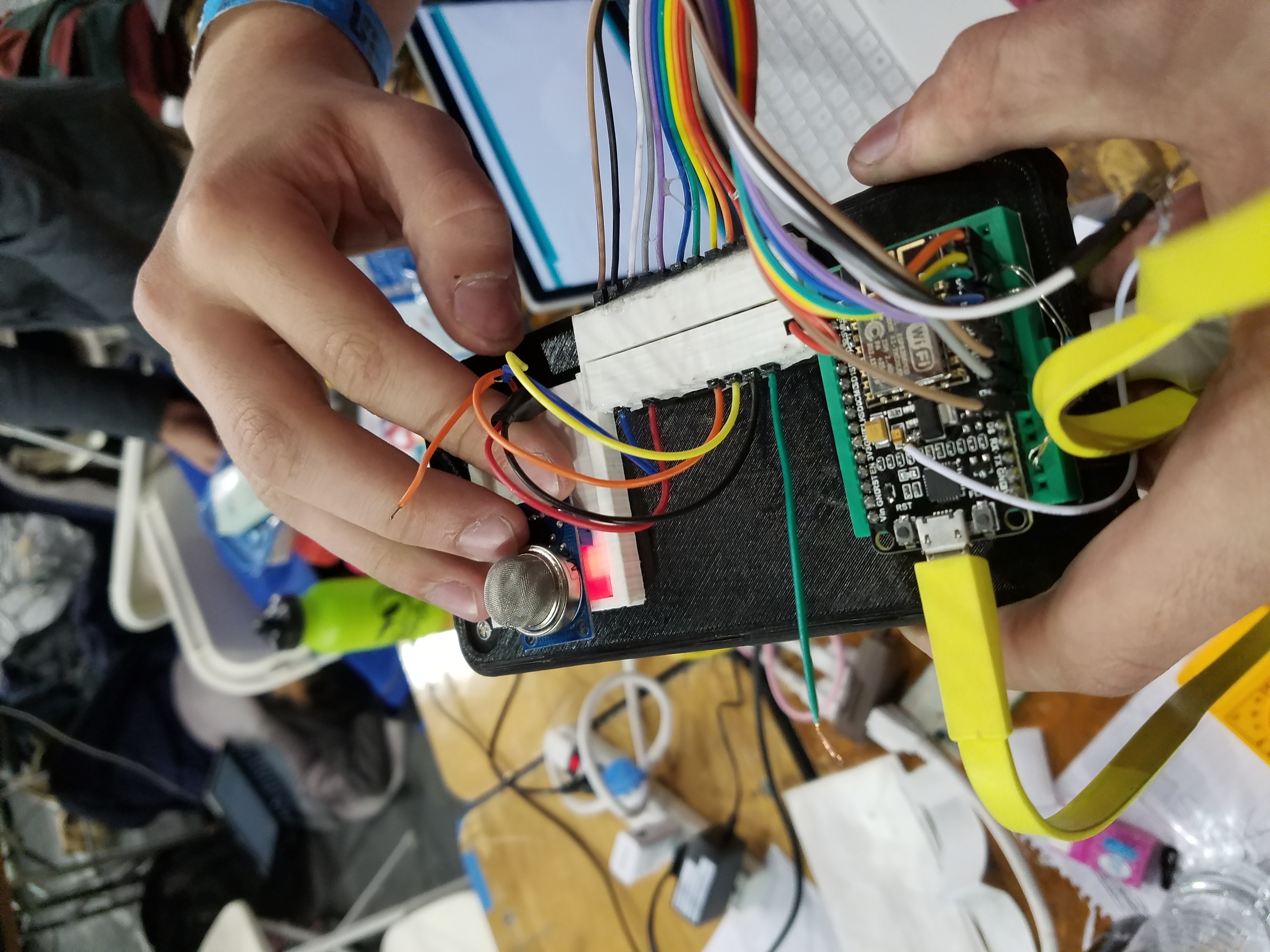
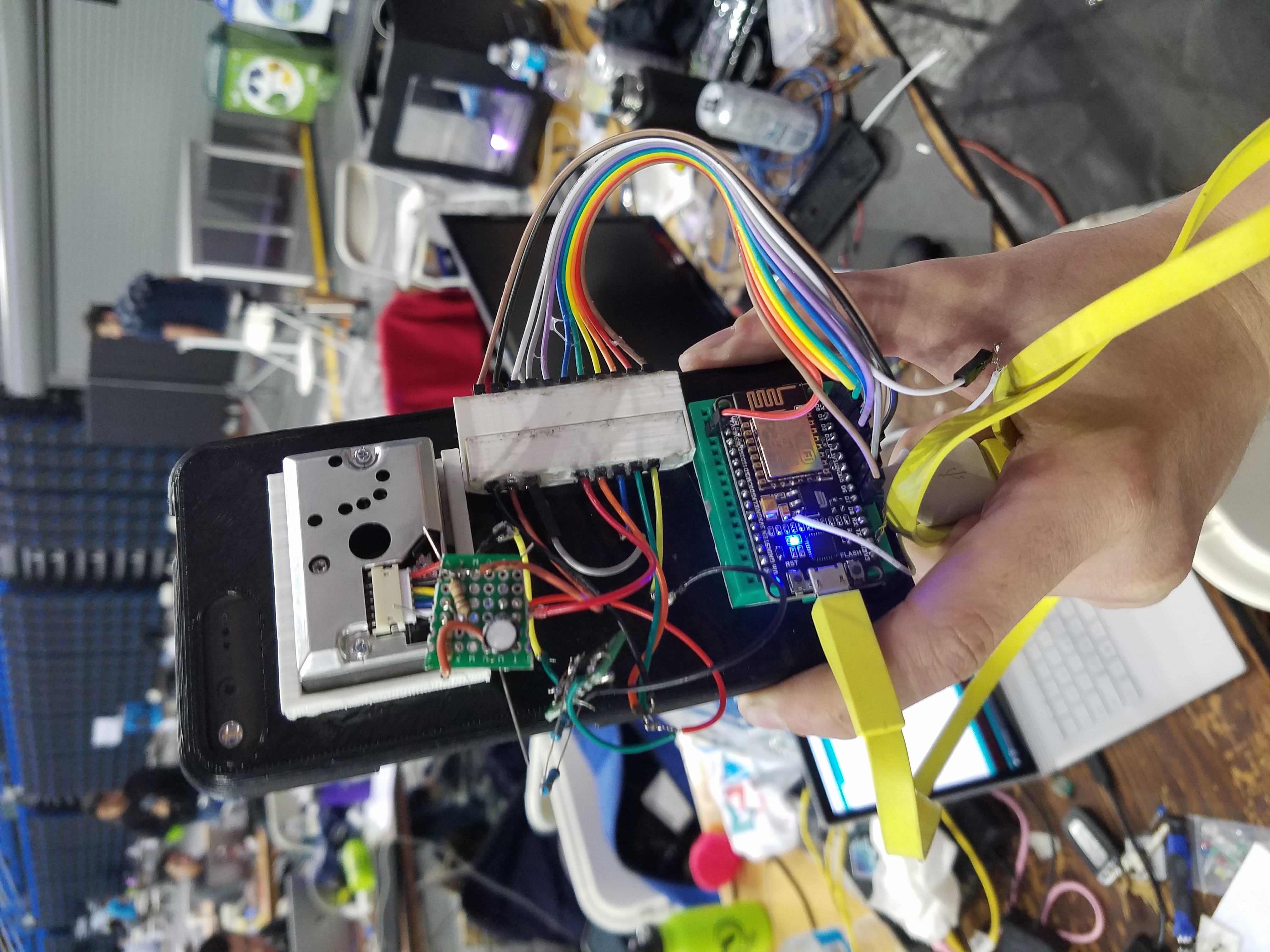
We initially started the hackathon with the intention of creating an intelligent breathalyzer to be used to notify designated drivers. However, we realized that by building the project on a case, we were able to utilize other sensors and manipulate a variety of data sets. From there, we realized we had the opportunity to build the first phone case that incorporated modular hardware supplements.
What it does
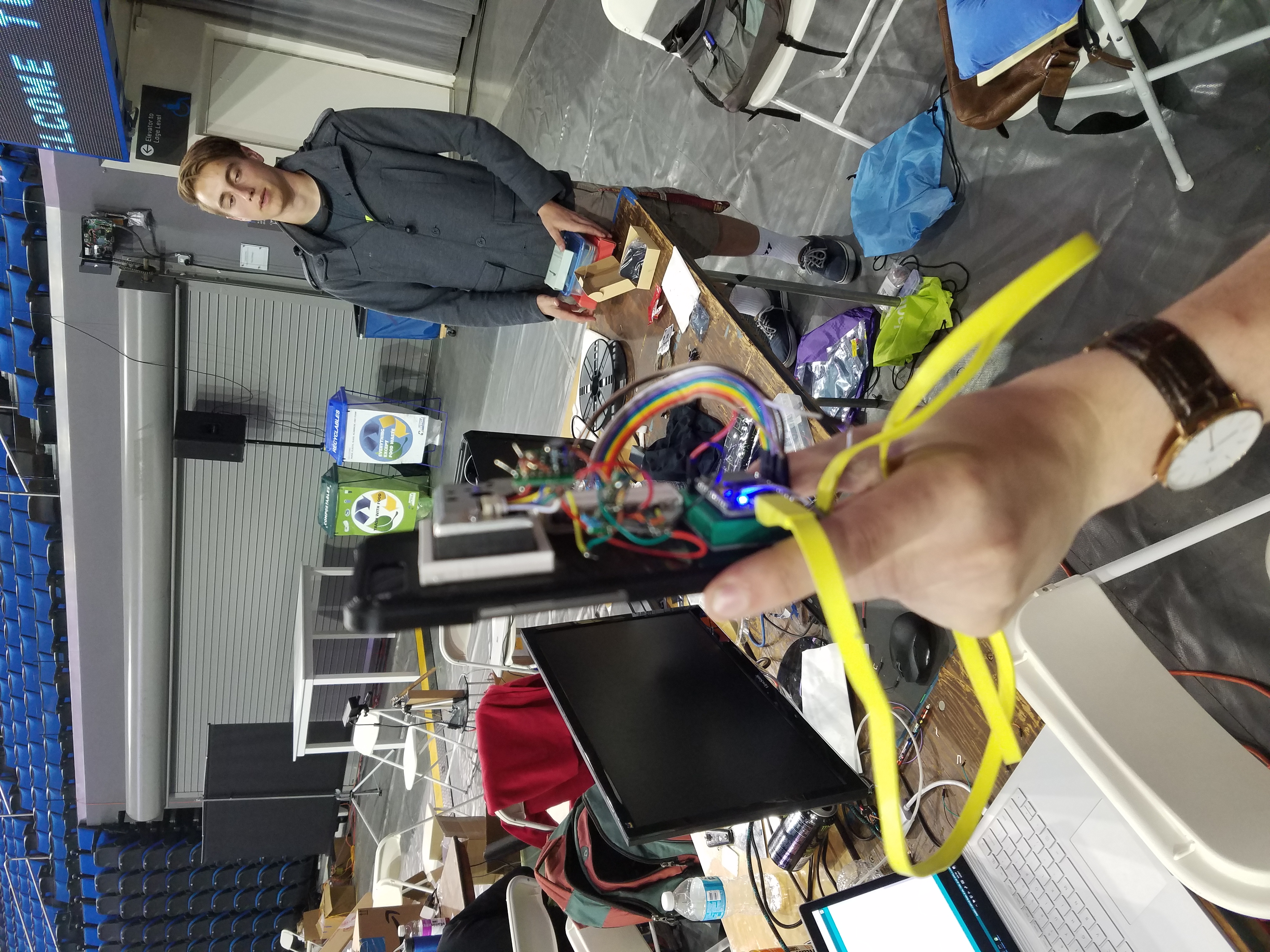
The case allows for any publicly available sensor to be installed into the phone case seamlessly. On the phone side, our application allows the user to customize visualization tools that interpret the data being received by the sensors. For instance, with an air sensor attached, a user can track and log different air readings that can build predictive models of areas to avoid as well as submitting those insights to the the city as well as larger data organizations. Another example is how an ethanol sensor can be visualized to detect alcohol content, calculate blood alcohol content, and call an Uber automatically. (examples in github)
How we built it
How we went about building this project was through a carefully planned roadmap of what we where trying to accomplish. In order to accomplish the goal that we where stretching for it was necessary to work from the top down for our idea. This meant that we had a clear vision of what we wanted to accomplish from the very beginning. When it came to the actual construction of the idea it got gritty. Iterations after iterations of concepts rose and fell in the the span of our prototyping period. We used a healthy mix of 3d printing and classical manufacturing techniques in order to accomplish our goal. 3d printing allowed us the range of possibility that we where able to accomplish.
Challenges we ran into
There's a reason they call it HARDware - everything breaks without reason
Accomplishments that we're proud of
The case looks really cool and some of the data we were able to play around with can lead to some truly automation.
What we learned
We all weigh about 180 pounds
What's next for Case by Case
Modular phones weren't able to take off, because the modularity was limited as a result of proprietary technologies. Building a third party modular case might be the strong step in creating a platform for open source hardware hacking. We genuinely think Case by Case has a lot of potential to succeed in this realm.

Log in or sign up for Devpost to join the conversation.