-
-
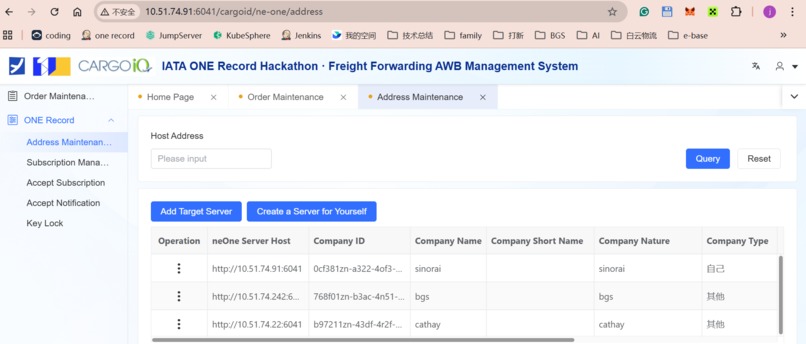
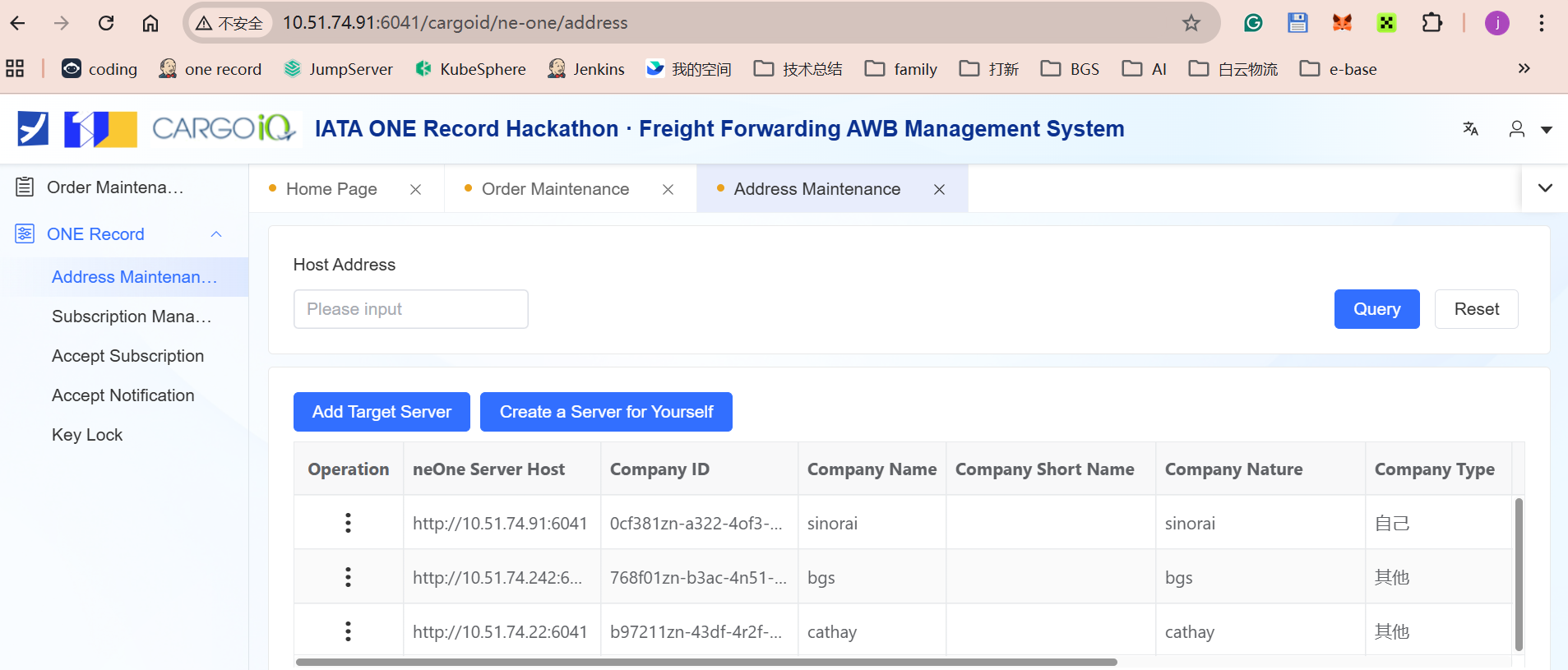
1R address manage
-
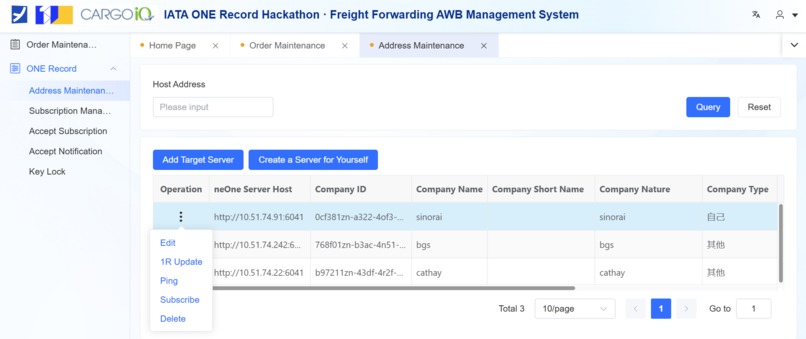
1R operation page
-
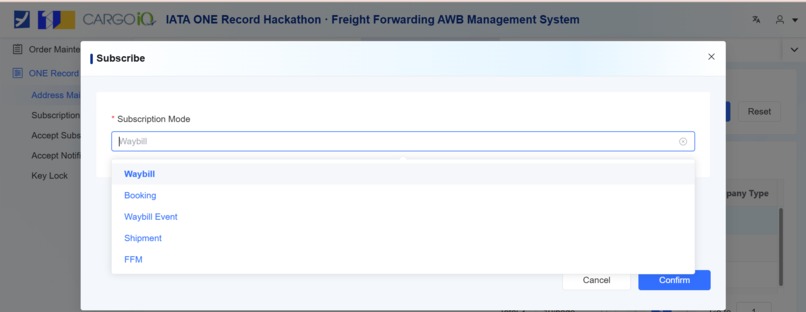
1R operation page
-
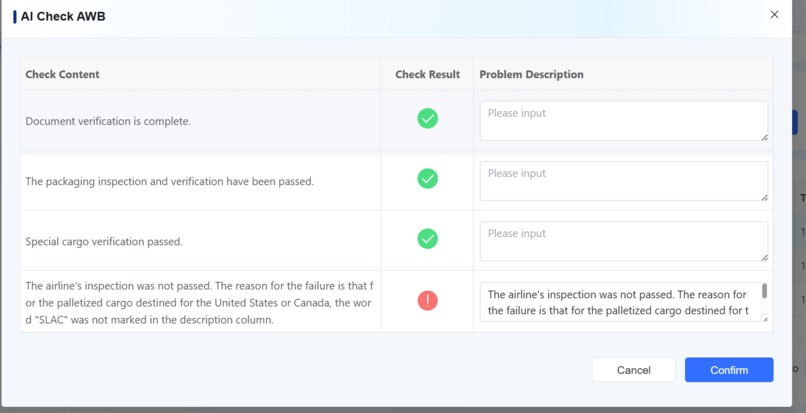
AI check
-
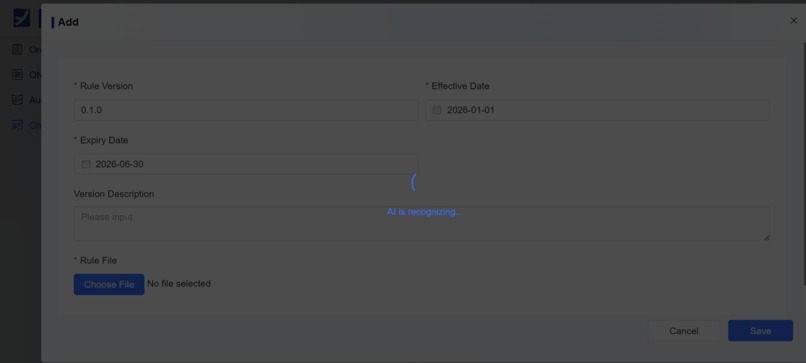
AI rules
-
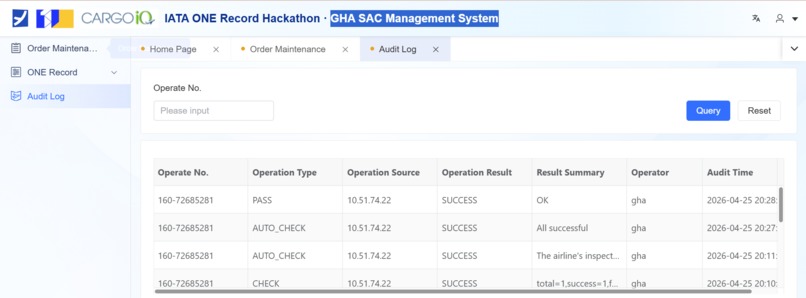
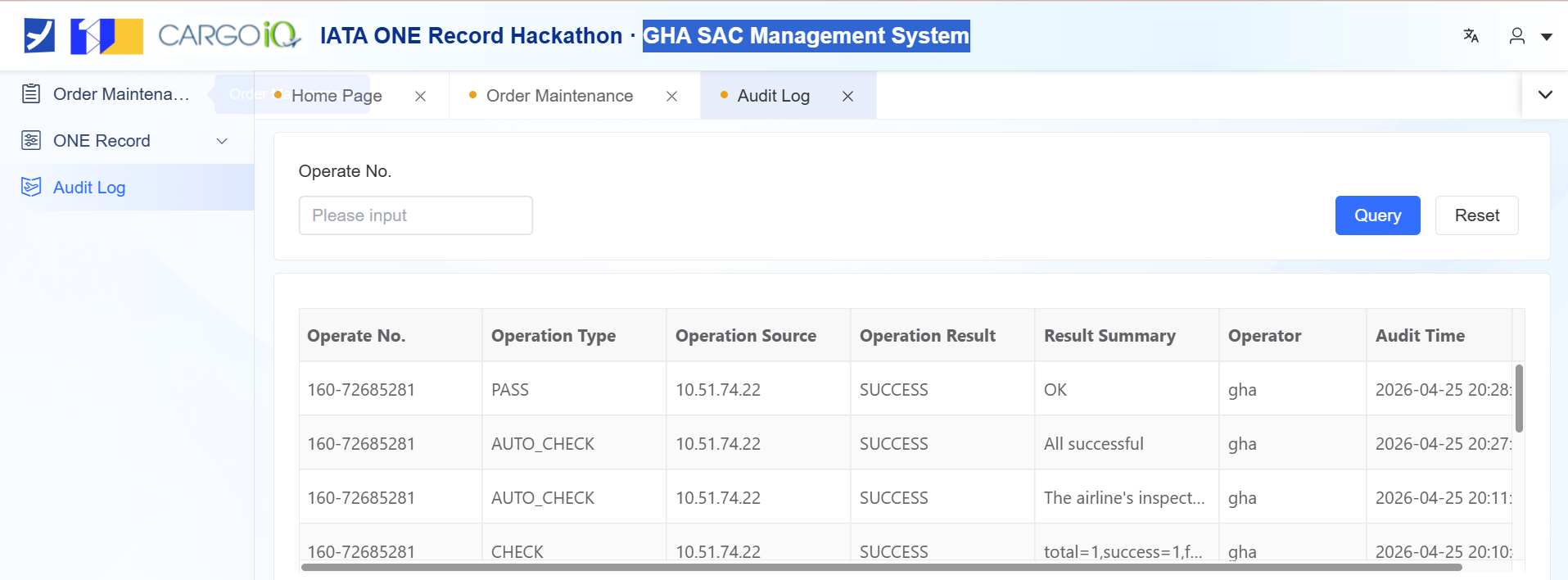
audit
-
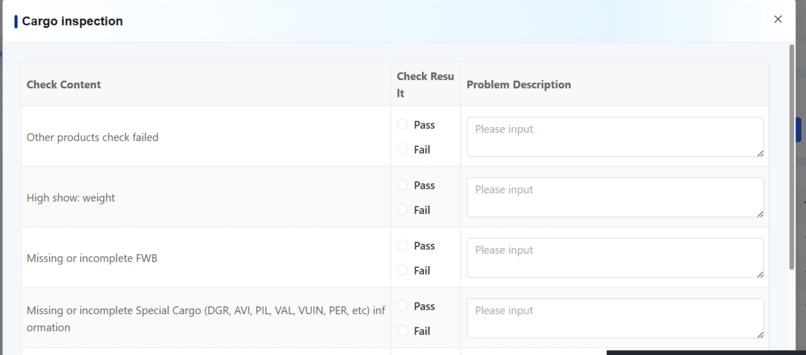
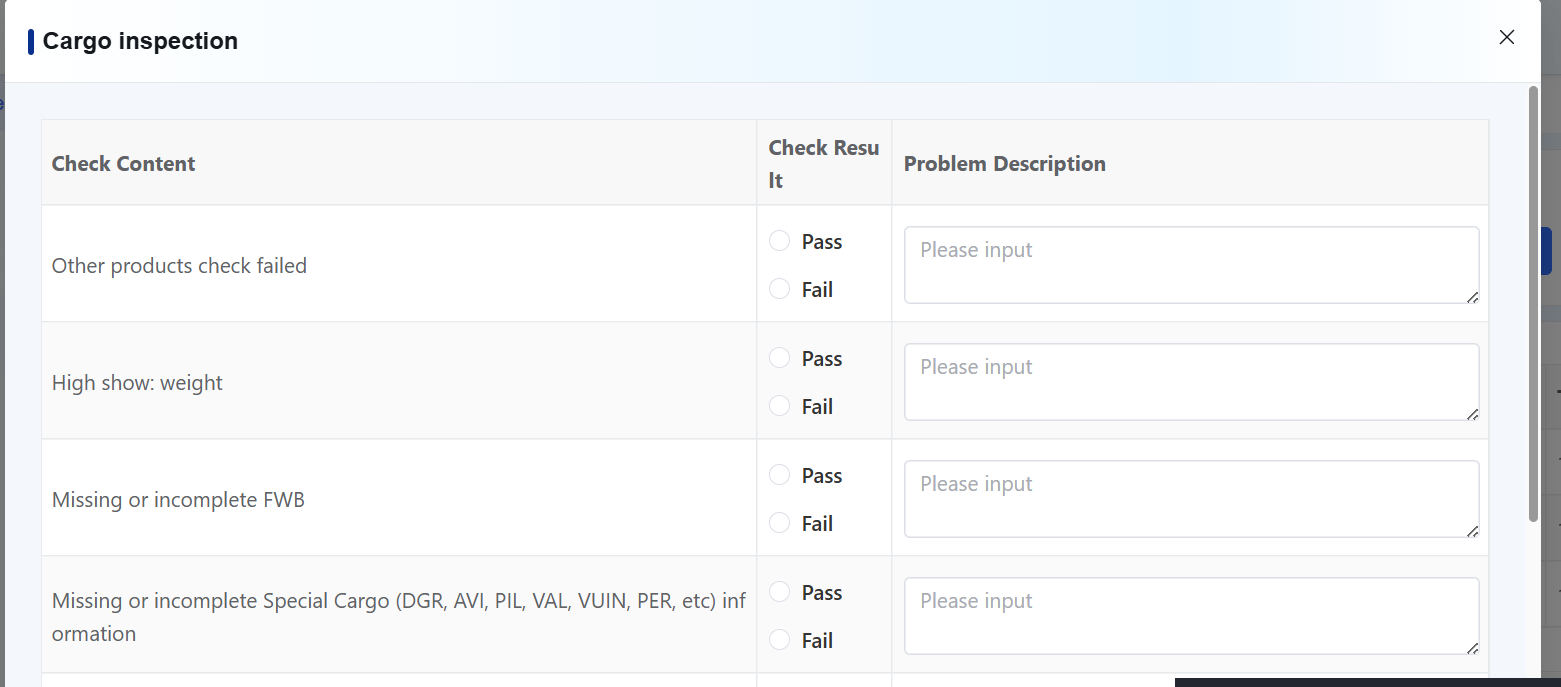
cargo check
-
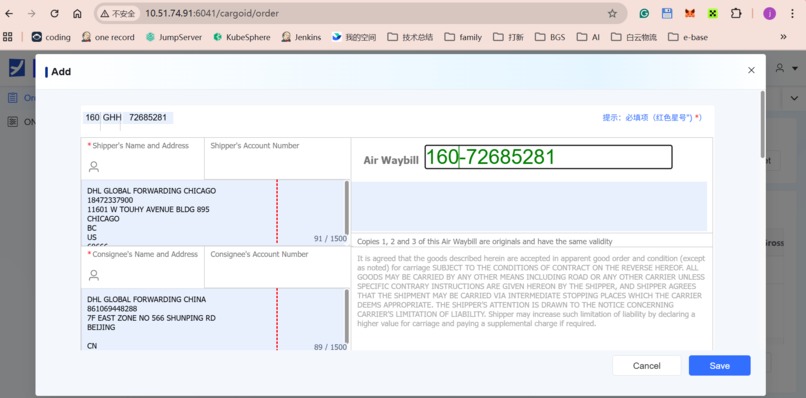
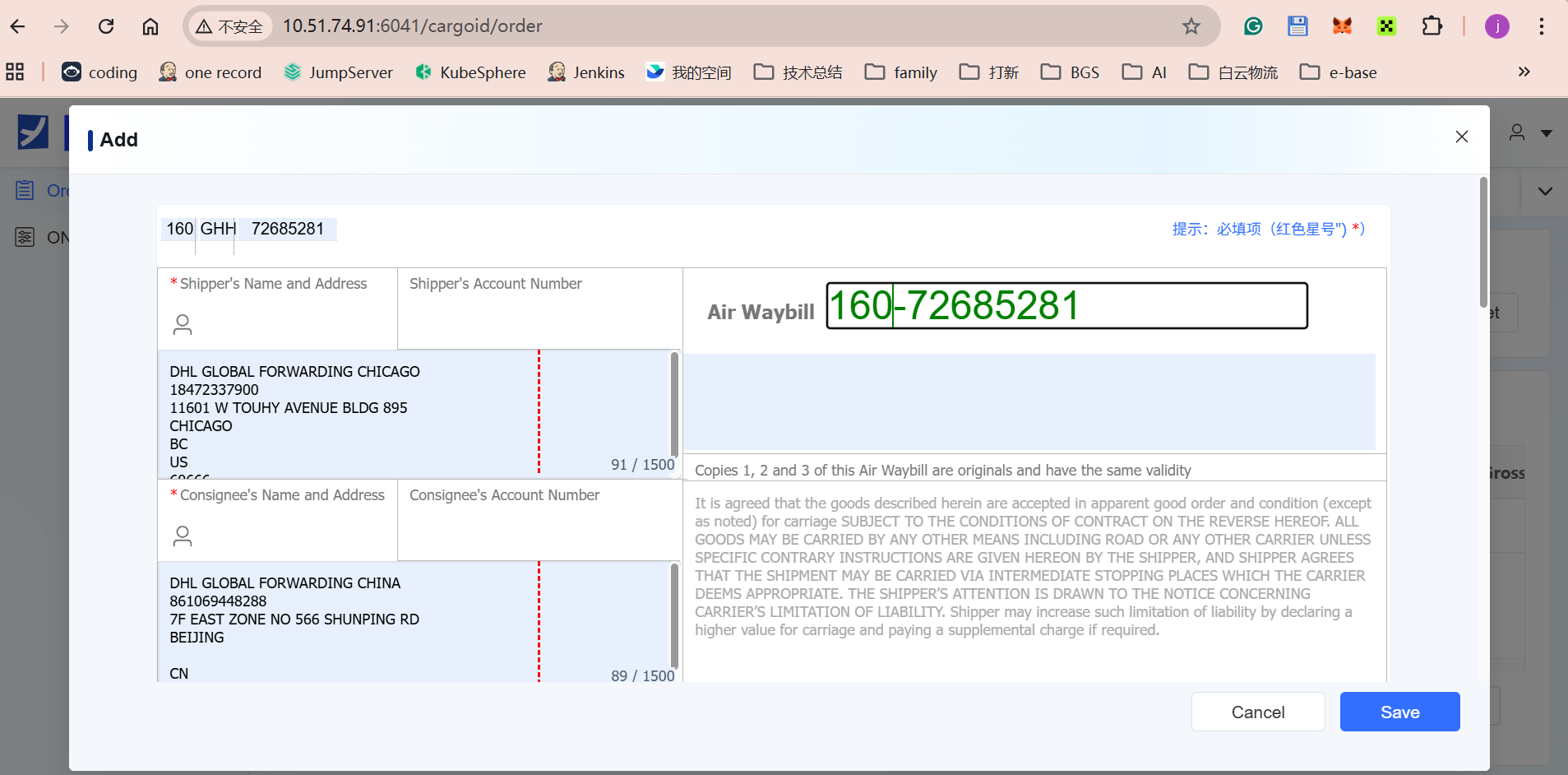
create waybill
-
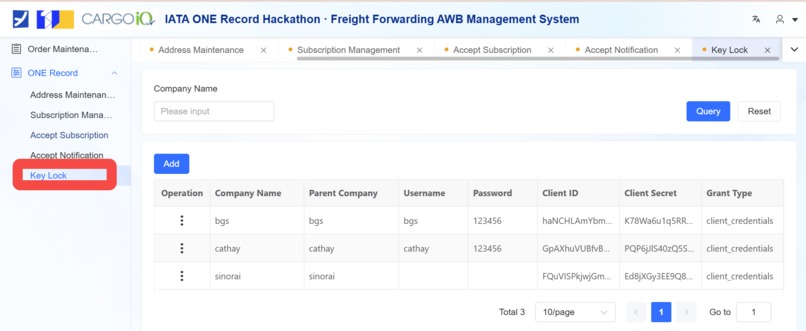
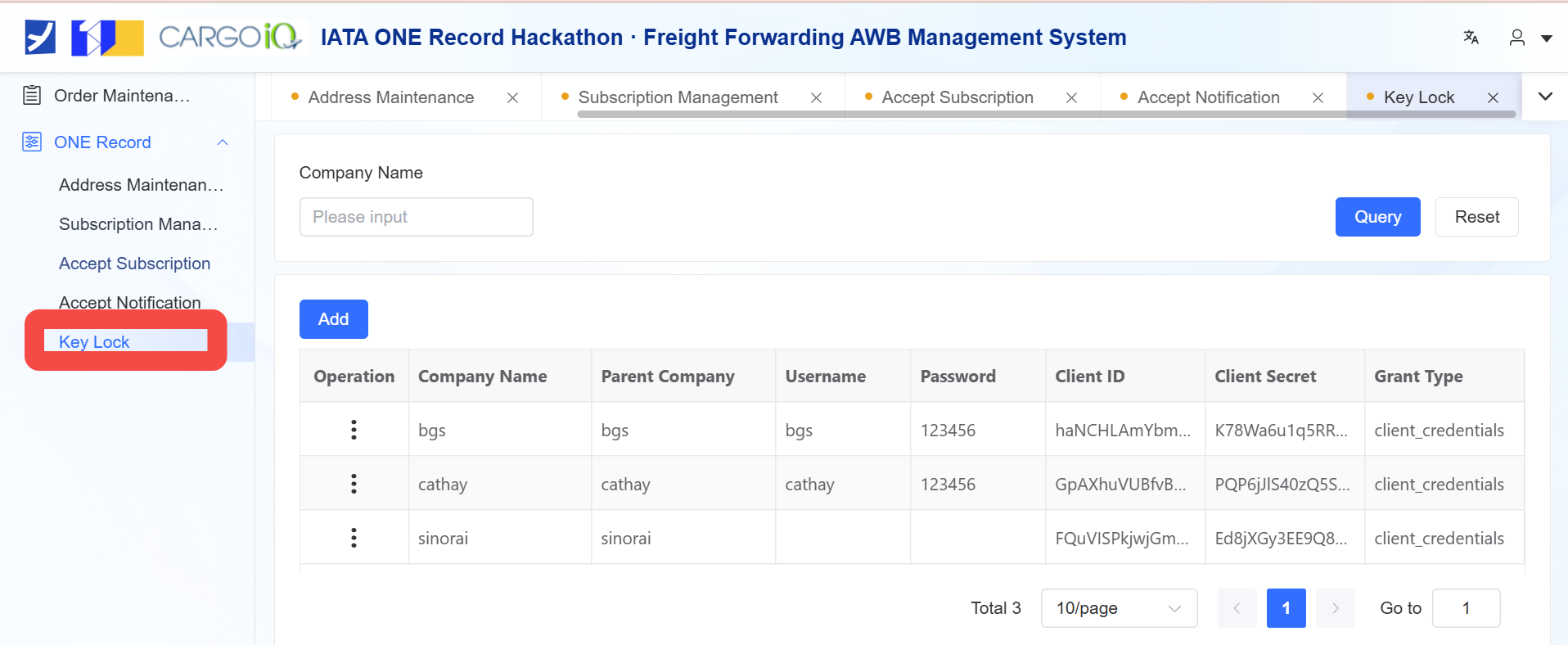
keylock
-
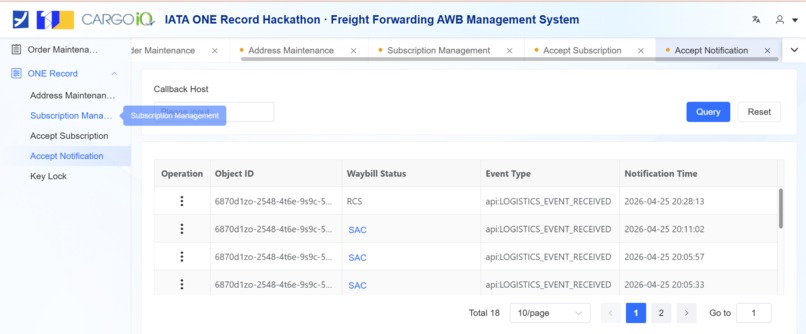
receive notice
-
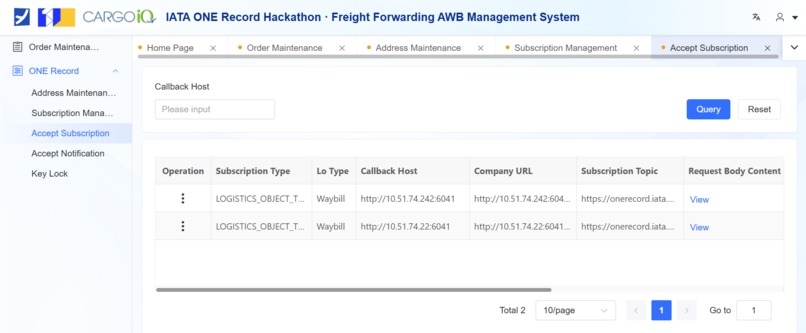
receive sub
-
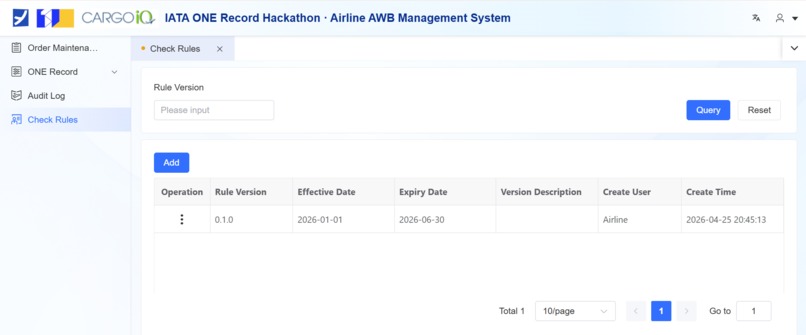
rules list
-
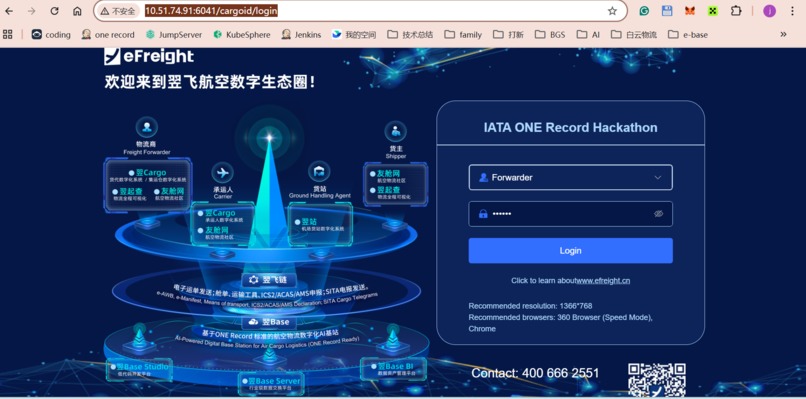
system login
-
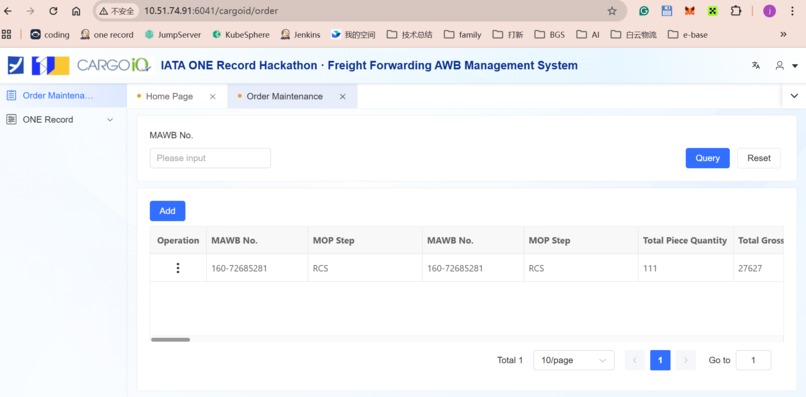
waybill list
-
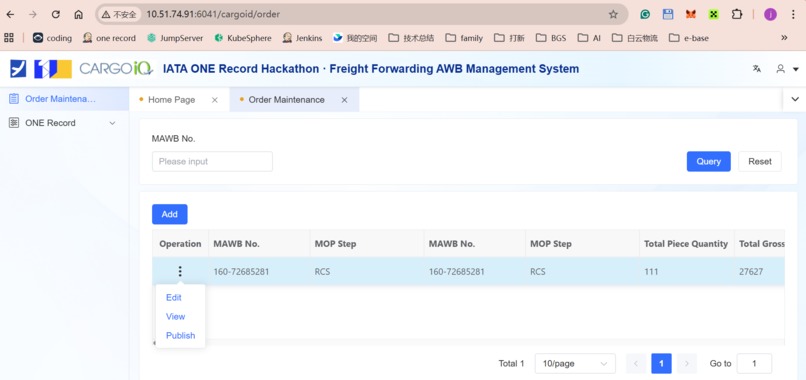
waybill puslish
Inspiration
The current air cargo acceptance and verification process suffers from high manual dependency, inconsistent standards, lack of transparency, and significant compliance risks, which severely impact cargo efficiency and service quality. Specifically: document rules vary significantly across different airlines and routes, requiring strong professional expertise, while manual verification is prone to omissions and misjudgments; acceptance standards—especially for dangerous goods transport and packaging requirements—differ between domestic/international, direct/transit flights, and different regulatory regions, causing the same shipment to be accepted at one airport but rejected at another; the acceptance process remains a "black box" for freight forwarders and airlines, with delayed information synchronization and inefficient cross-party collaboration; dangerous goods screening relies heavily on manual judgment, and paper documents such as test reports are hard to authenticate, easy to lose, and difficult to trace. These real-world pain points inspired us to break information silos through digitalization, eliminate execution gaps through standardized workflows, replace repetitive manual work with AI, and make air cargo acceptance transparent, trustworthy, and efficient.
What it does
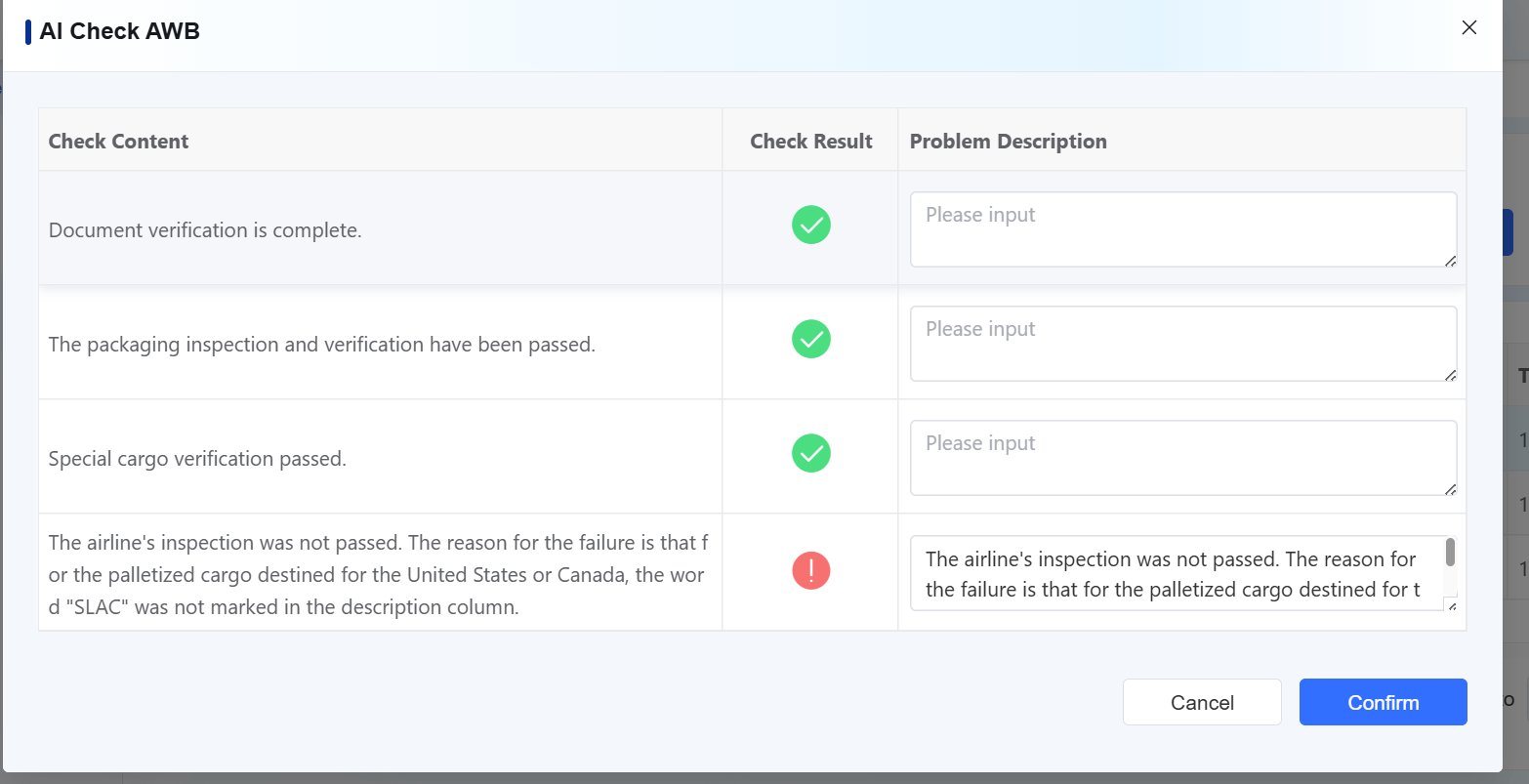
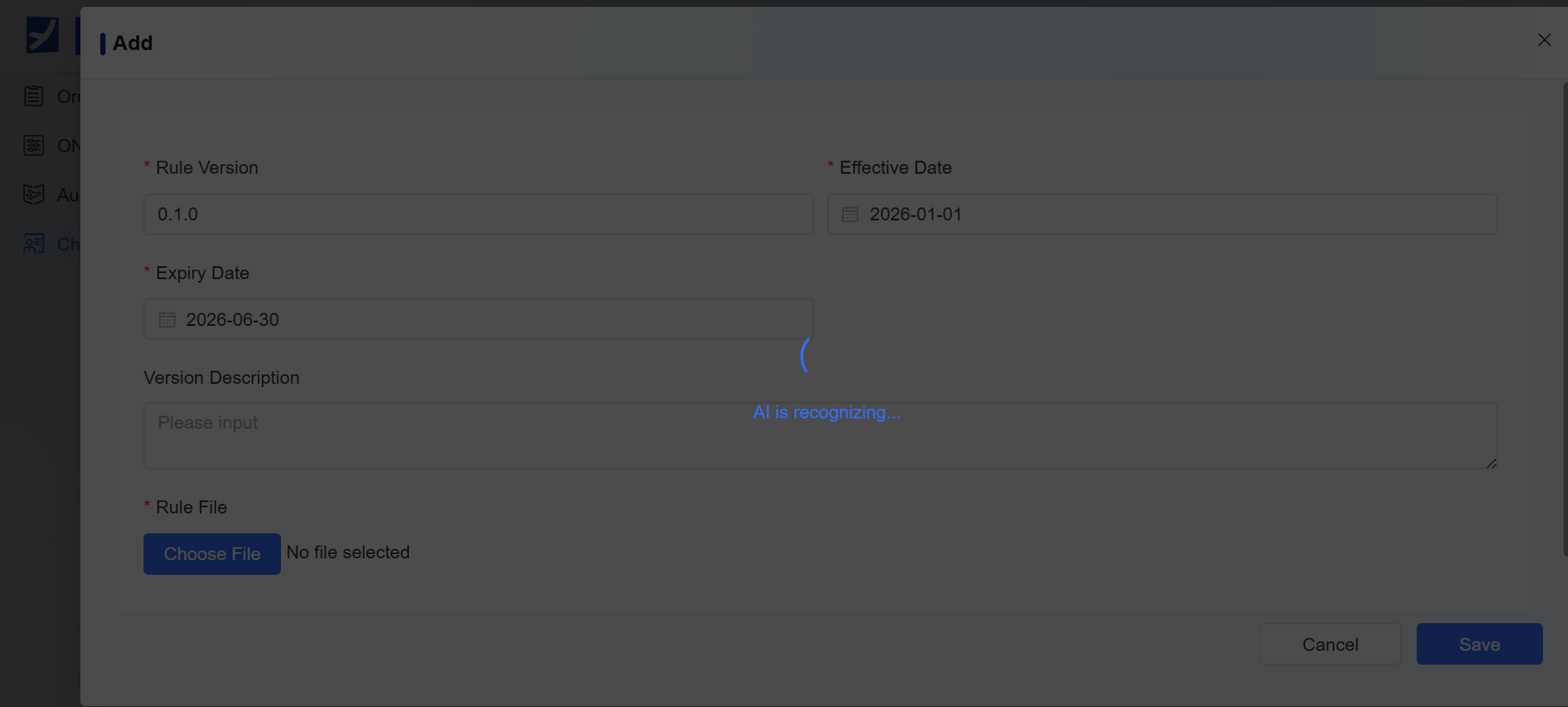
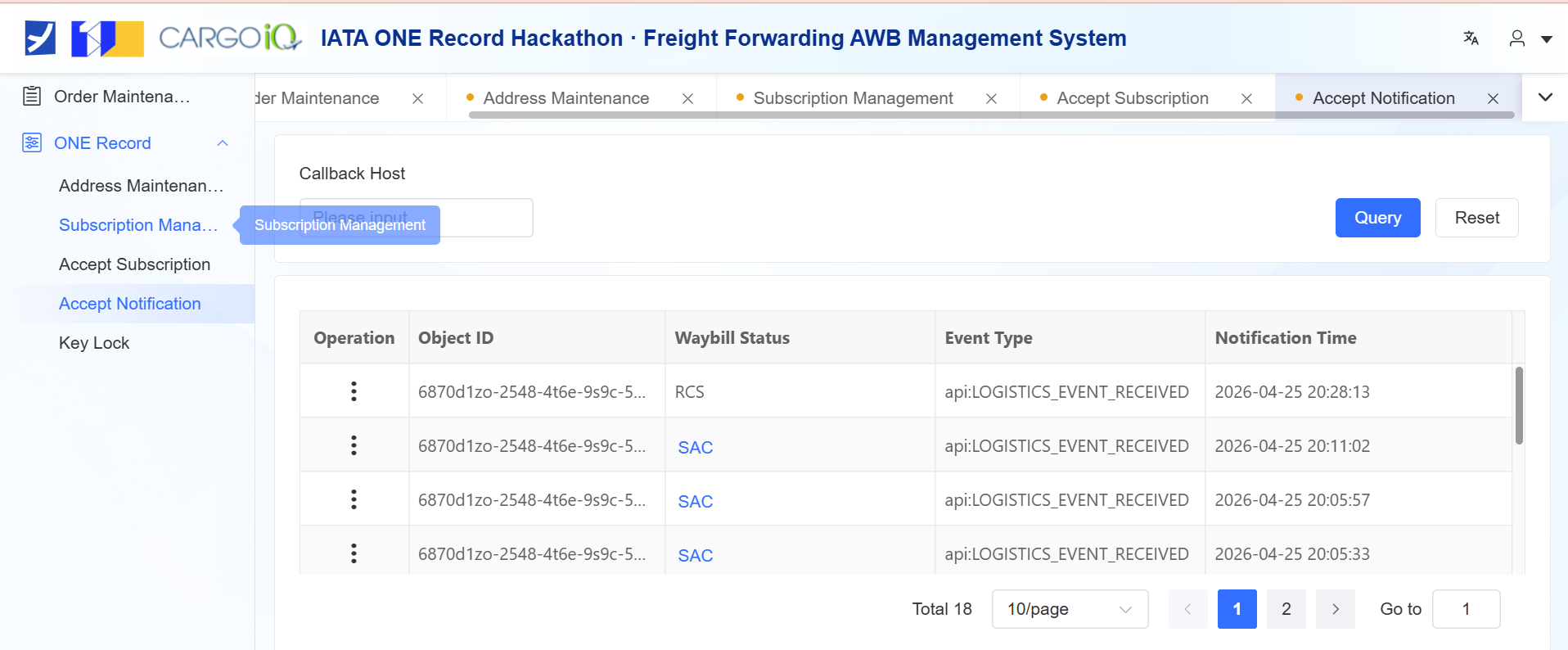
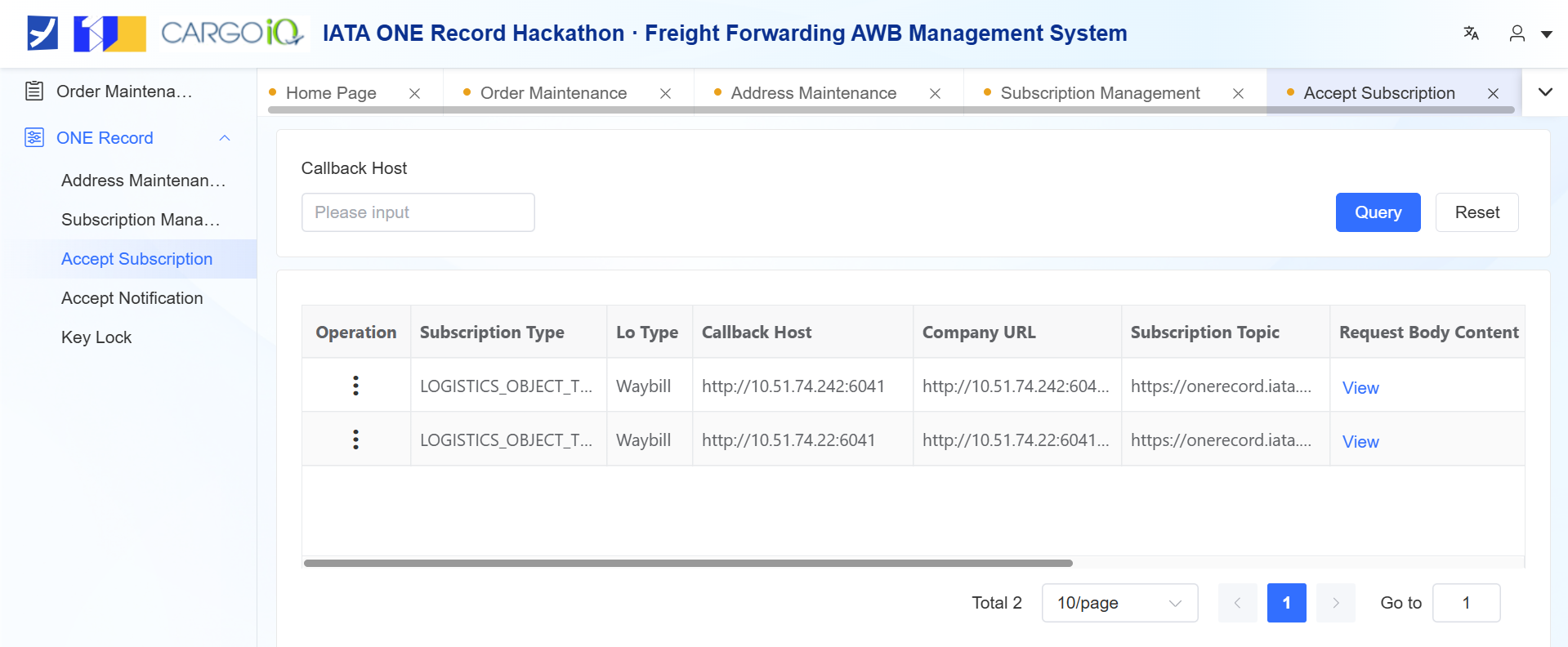
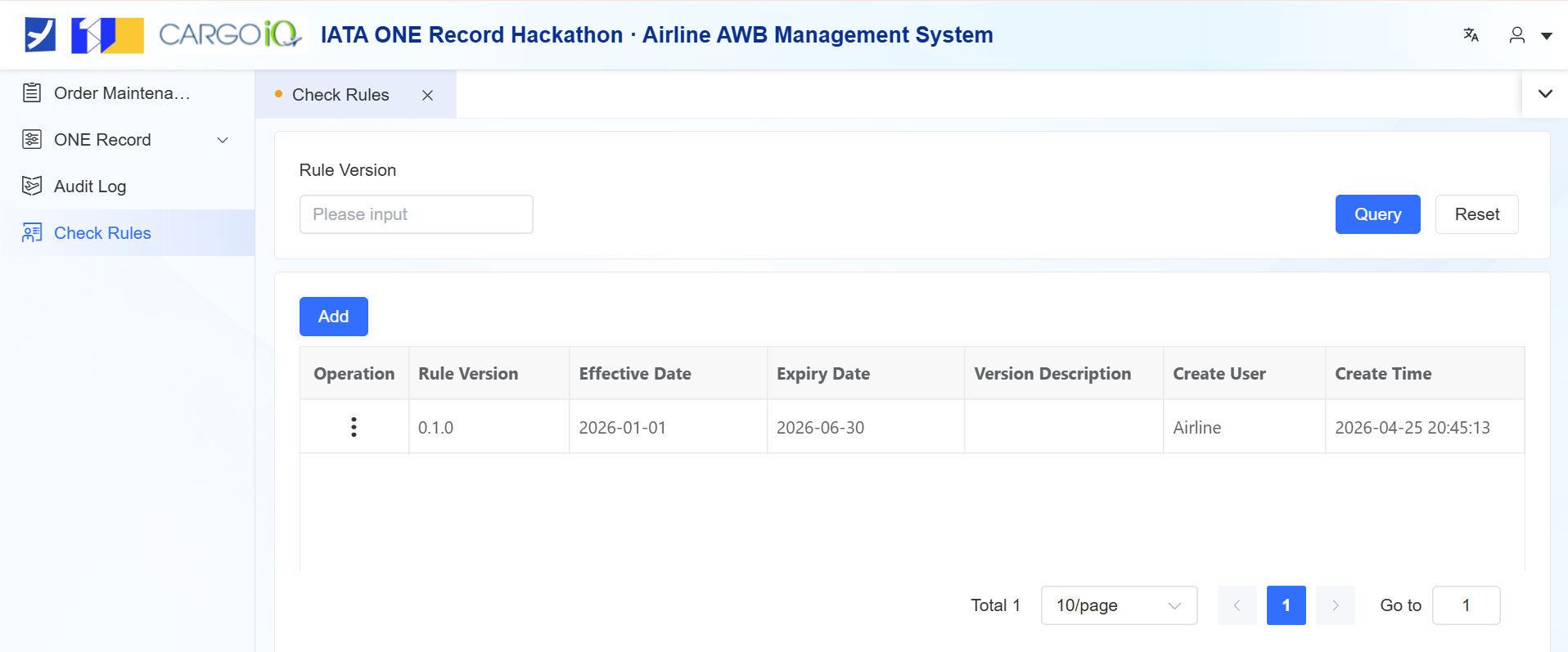
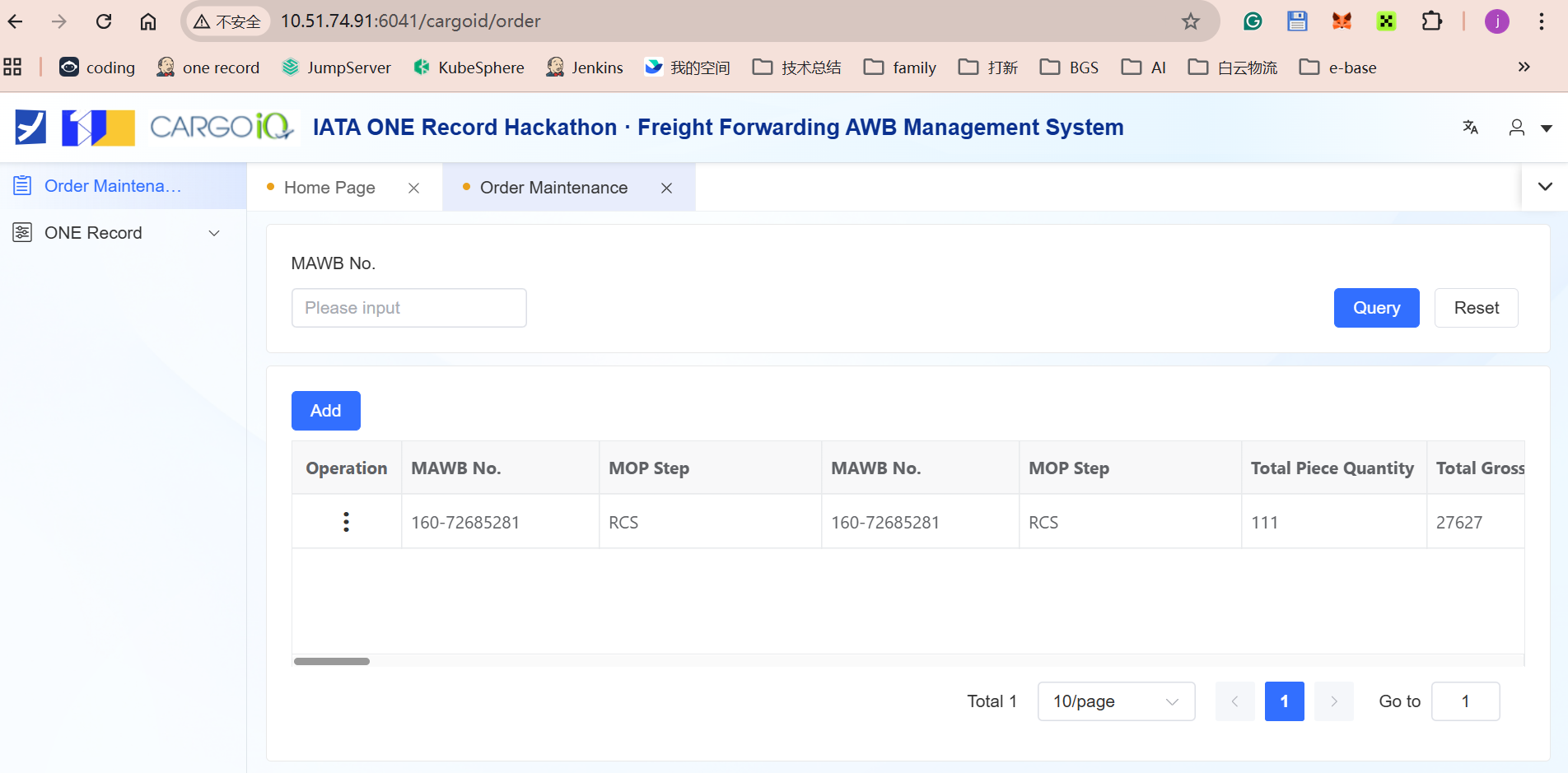
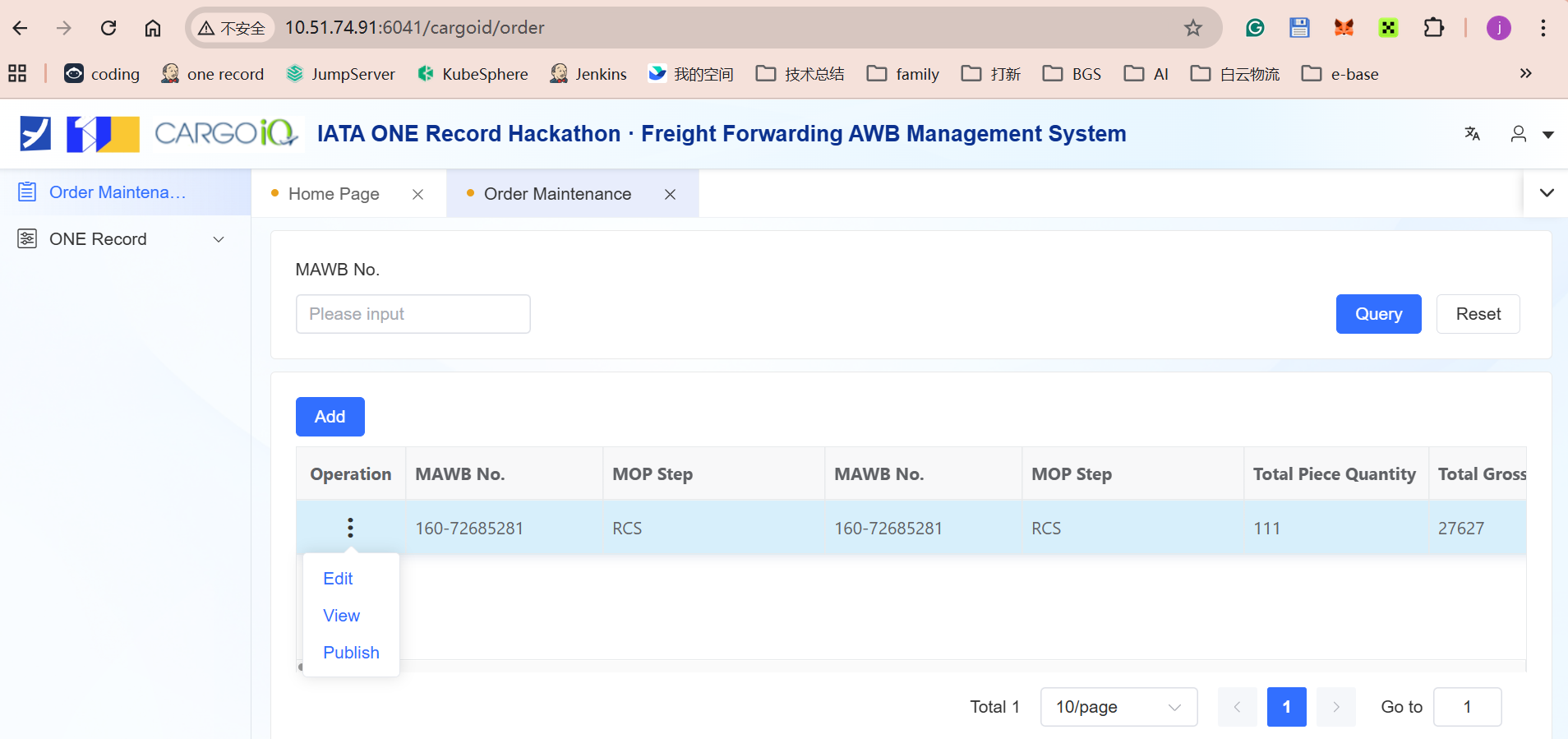
We propose an end-to-end digital acceptance and verification solution based on IATA One Record + Cargo iQ standards (MOP PO8 Draft 4.1), empowered by AI technology: AI-driven automatic document and acceptance verification: AI automatically performs document validation, packaging inspection, and compliance checks for special cargo and dangerous goods, adapting to rules of different airlines and routes. It replaces complex manual operations and reduces human errors and deviations. Unified compliance standards and exception workflow: Following Cargo iQ specifications, we solidify two key milestones—SAC (Shipment Acceptance Check) and RCS (Ready for Carriage). This unifies acceptance standards and exception resolution workflows to ensure consistent execution globally across all scenarios. Transparent information and real-time multi-party synchronization via One Record: Using One Record as the data backbone, airlines, ground handling agents, and freight forwarders can subscribe to events and receive real-time updates of SAC/RCS status and EHC error codes. The entire verification process becomes visible and traceable, eliminating the information black box. Digital document flow + anti-counterfeiting and traceability: Critical paper documents such as test reports are digitized, transmitted, and stored securely via One Record, enabling authentication, full lifecycle tracking, and tamper-proof records. This fundamentally resolves issues of document forgery and difficult verification.
How we built it
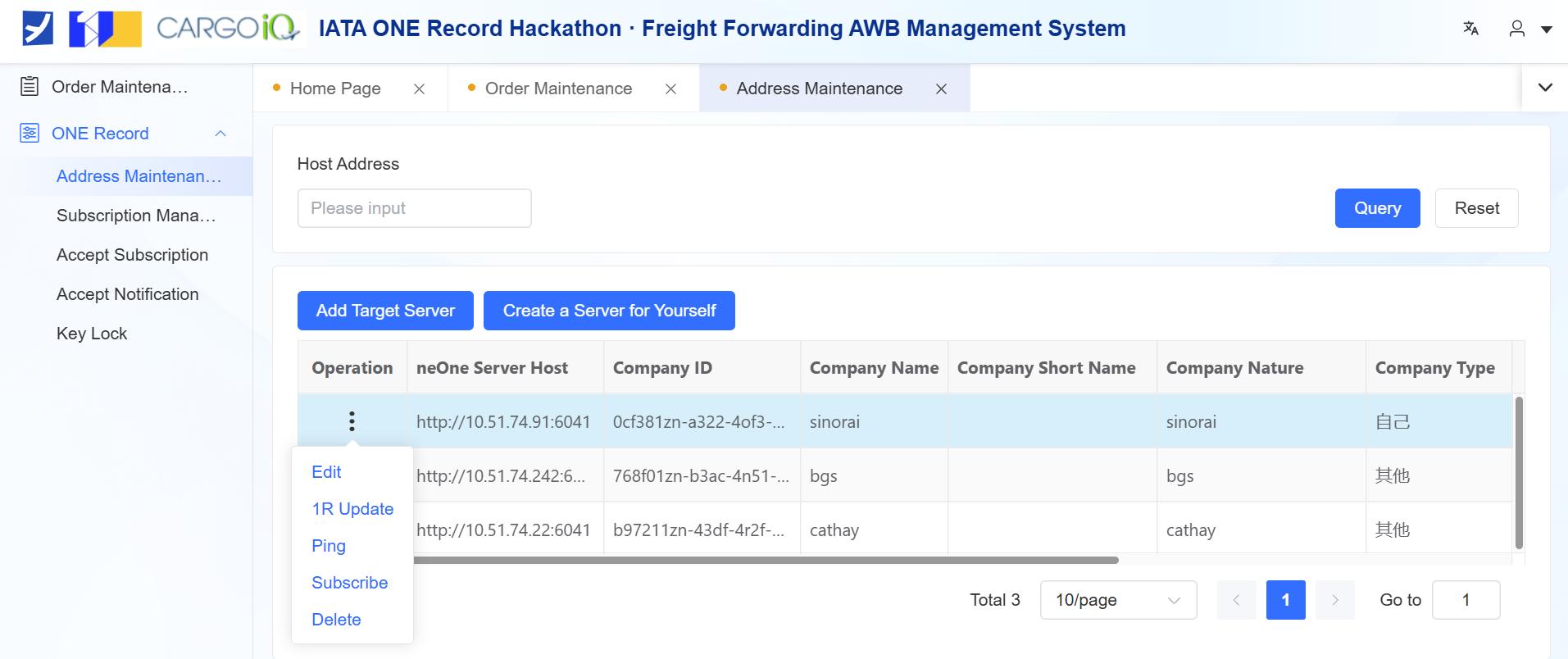
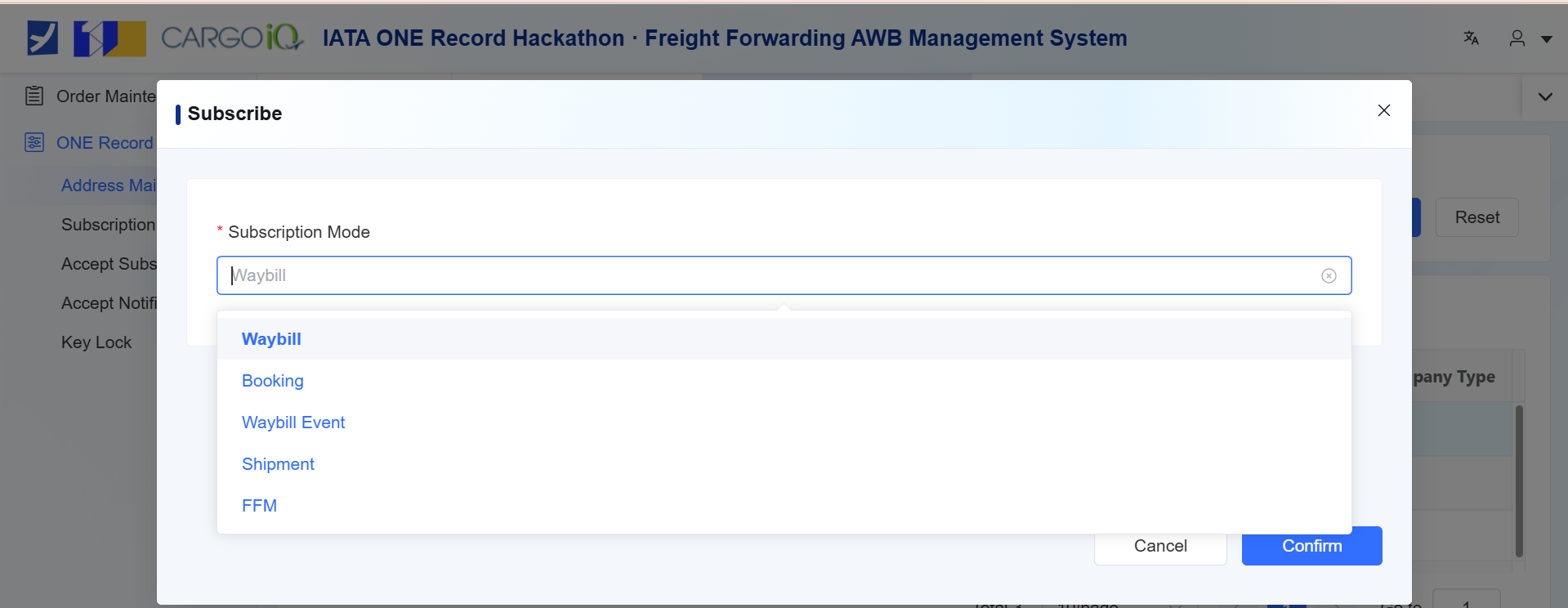
Our technical solution is built on the IATA One Record standard, leveraging the following core API capabilities: Server Information Logistics Objects Logistics Events Subscriptions Notifications Security Access Delegations Using One Record as the data backbone, we publish Cargo iQ SAC and RCS milestone statuses and EHC error codes as Logistics Events, allowing all parties to subscribe to relevant events and receive real-time Notifications. The AI engine is embedded in the acceptance verification layer, interfacing with Logistics Objects to automatically execute rule validation and anomaly detection.
Challenges we ran into
The core challenges we faced include: High complexity and error-prone document checking: Document rules vary significantly across different airlines and routes, requiring strong professional expertise. Manual verification is prone to omissions and misjudgments, making it difficult to guarantee efficiency and accuracy. Inconsistent compliance standards and difficult execution: Acceptance standards—especially for dangerous goods transport and packaging requirements—differ between domestic/international, direct/transit flights, and different regulatory regions. Business operators must master multiple sets of rules, often leading to inconsistent decisions—the same shipment may be accepted at one airport but rejected at another. Opaque acceptance status and inefficient multi-party collaboration: The acceptance and verification process is a "black box" for both freight forwarders and airlines. Information synchronization is delayed, and issues cannot be identified or resolved in a timely manner, greatly reducing cross-party collaboration efficiency. High risks in dangerous goods screening and paper documents: Dangerous goods inspection relies heavily on manual judgment, which is difficult and high-risk. Paper documents such as test reports are hard to authenticate, easy to lose, and difficult to trace, failing to meet digital and compliance management requirements.
Accomplishments that we're proud of
We deeply integrated Cargo iQ's two key milestones—SAC and RCS—with the One Record data standard, achieving standardization and digitalization of the acceptance verification process. We designed an AI-driven automatic verification mechanism capable of adapting to complex rules across different airlines and routes, significantly reducing manual dependency and error rates. Through One Record's subscription-notification mechanism, we enabled real-time status synchronization among airlines, ground handling agents, and freight forwarders, transforming the "black box" process into a fully transparent and traceable collaboration model. We proposed a complete solution for paper document digitalization combined with anti-counterfeiting and traceability, fundamentally solving the authentication and full lifecycle management challenges for critical documents such as test reports.
What we learned
Standardization is the prerequisite for digitalization: Cargo iQ's SAC/RCS milestones and EHC error code system provide a unified language for cross-enterprise, cross-regional acceptance collaboration, forming the foundation for breaking information silos. One Record is not merely a data exchange protocol but a trust infrastructure for collaboration: Through Logistics Events and Subscriptions, all parties can synchronize status without directly accessing each other's systems, preserving data sovereignty while enhancing collaboration efficiency. AI's value in vertical domains lies in rule engines + knowledge沉淀: Air cargo acceptance verification involves extensive industry rules and tacit knowledge. AI's value lies not in replacing human judgment but in codifying dispersed expert experience into executable automatic rules, reducing human deviation. Paper document digitalization cannot simply mean scan-and-archive—it must solve the "trust" problem: Anti-counterfeiting, tamper-proofing, and traceability are core requirements for air cargo document digitalization, requiring secure storage combined with access delegation mechanisms.
What's next for Cargo iQ on ONE Record — See it all. Trust it all
Expand scenario coverage: Extend from the current focus on acceptance verification (SAC/RCS) to the full spectrum of Cargo iQ milestones, covering the complete cargo chain from booking to delivery, achieving end-to-end visibility. Deepen AI capabilities: Continuously train industry knowledge graphs, expanding AI's automatic recognition and compliance judgment capabilities for more categories of dangerous goods and special cargo (temperature-controlled, live animals, etc.), improving accuracy in complex scenarios. Drive industry ecosystem adoption: Collaborate with more airlines, airports, freight forwarders, and regulatory authorities to join the One Record network, expanding the data backbone's coverage, and transforming "full transparency" from a point solution into industry infrastructure. Strengthen security and compliance: Refine Security and Access Delegations mechanisms, explore integration of blockchain and other technologies with One Record, further enhancing document anti-counterfeiting and cross-border data compliance capabilities. Productization and scaling: Transform the hackathon proof-of-concept into a production-grade deployable product, supporting rapid onboarding for enterprises of different scales, making "Cargo iQ on ONE Record — See it all. Trust it all." an industry standard practice rather than just a vision.


Log in or sign up for Devpost to join the conversation.