-
-
-
-
-
-
-
-
-
-
-
-
-
-
-
-
-

-
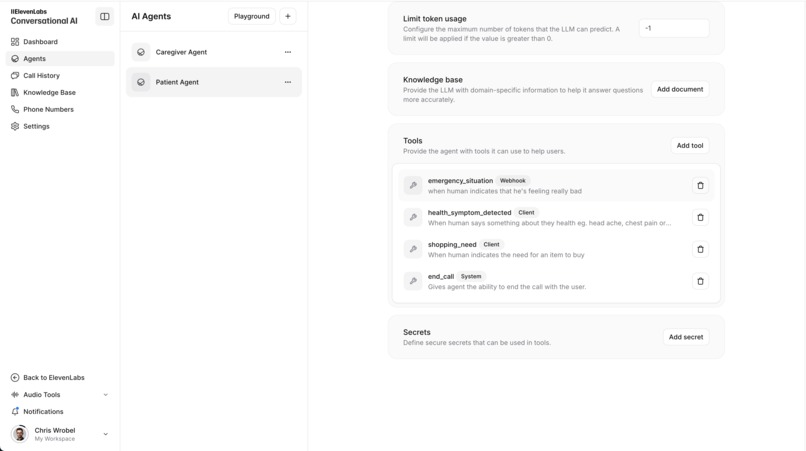
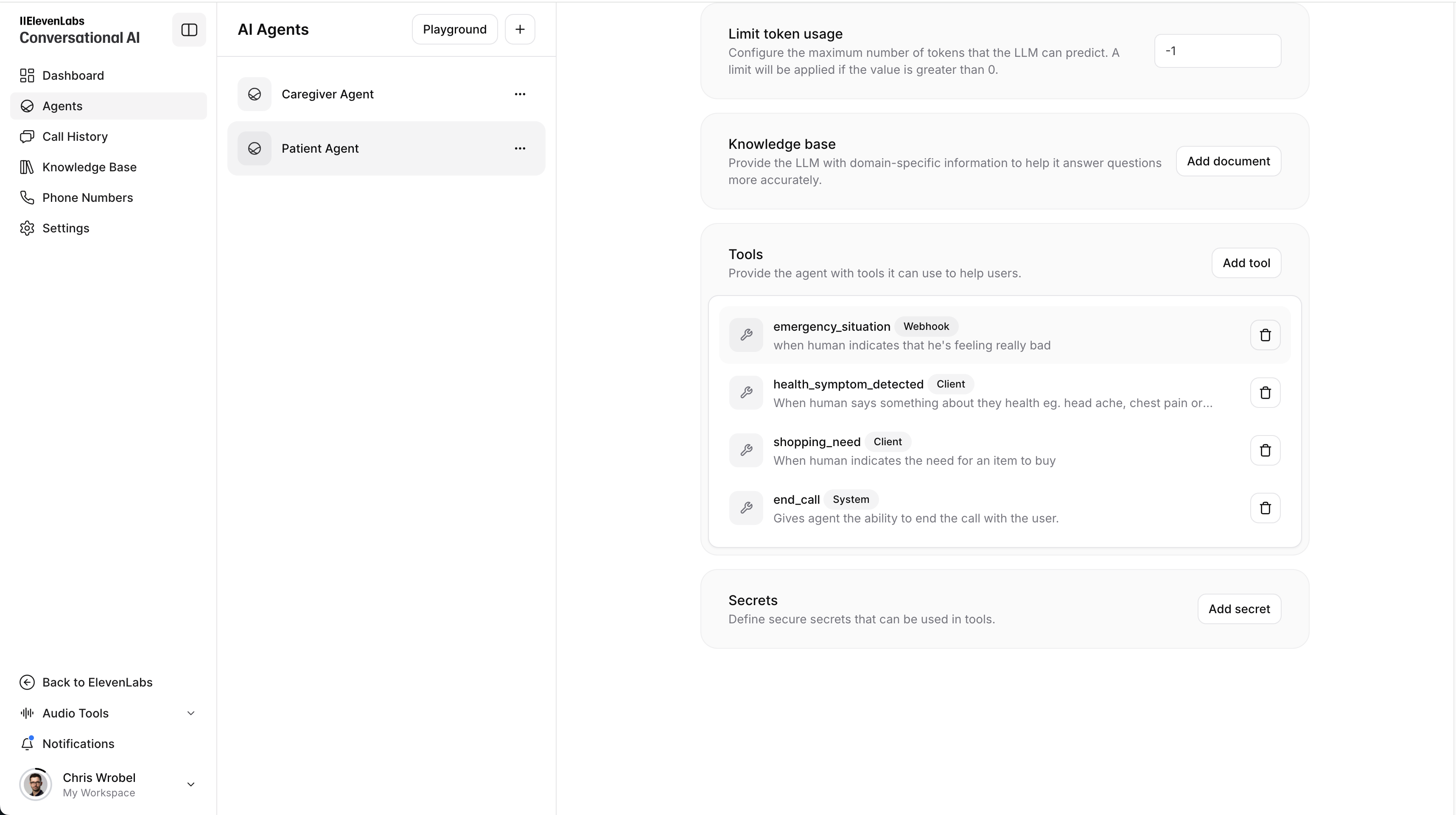
ElevenLabs agent configuration
-
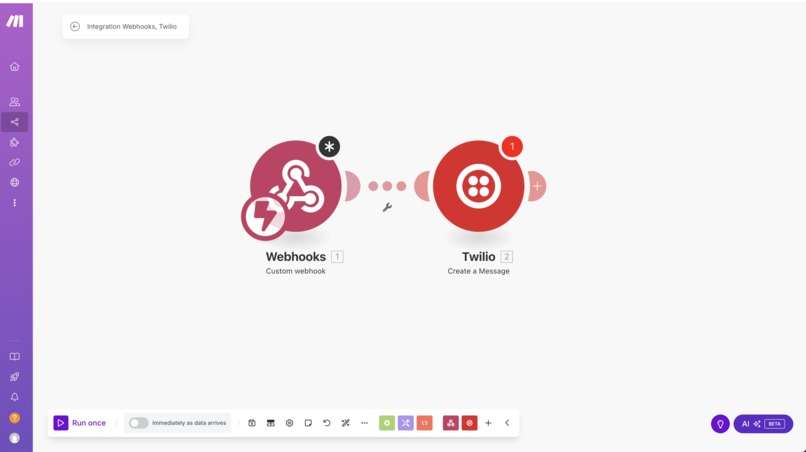
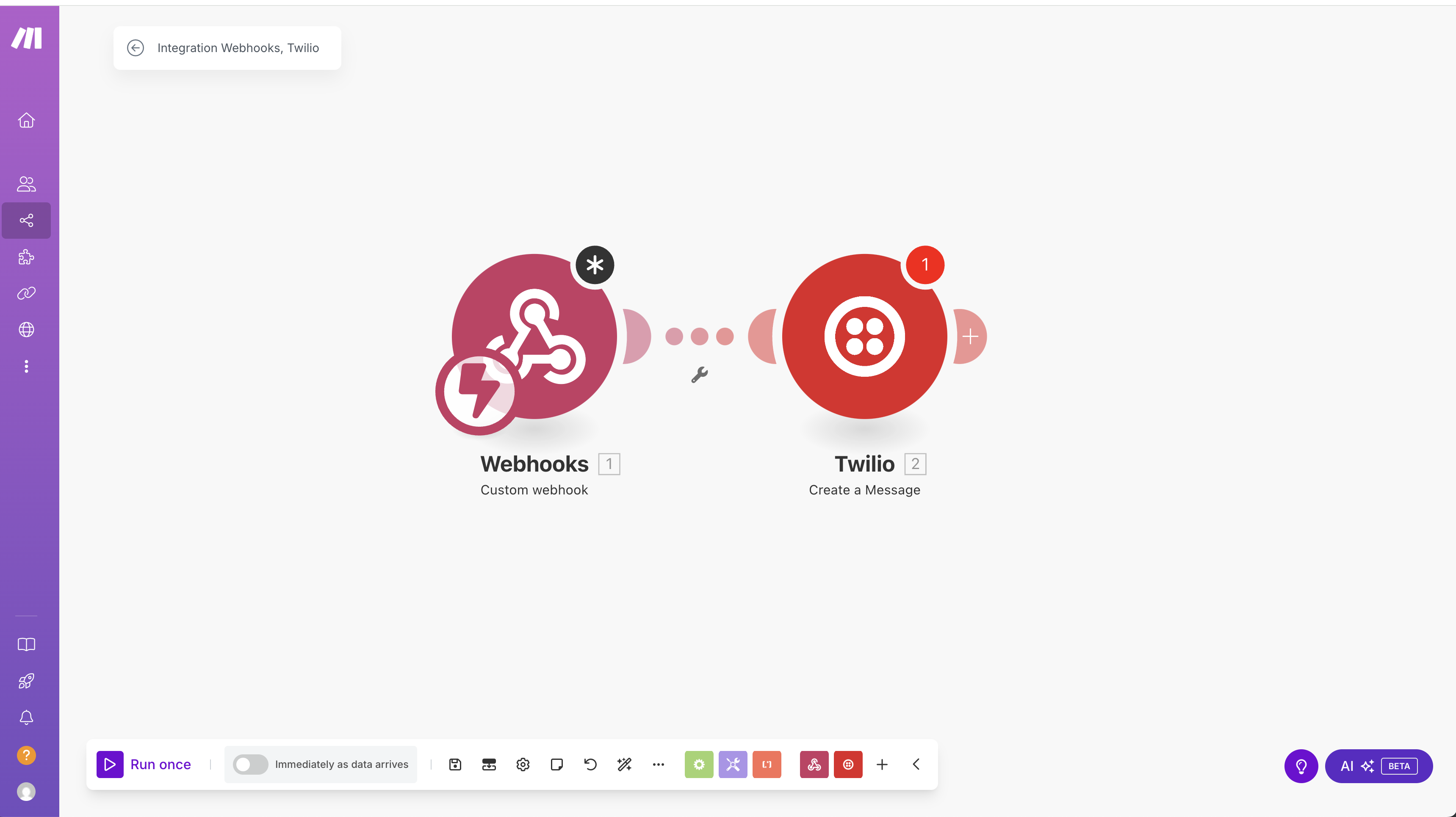
Make.com - Twilio integration
-
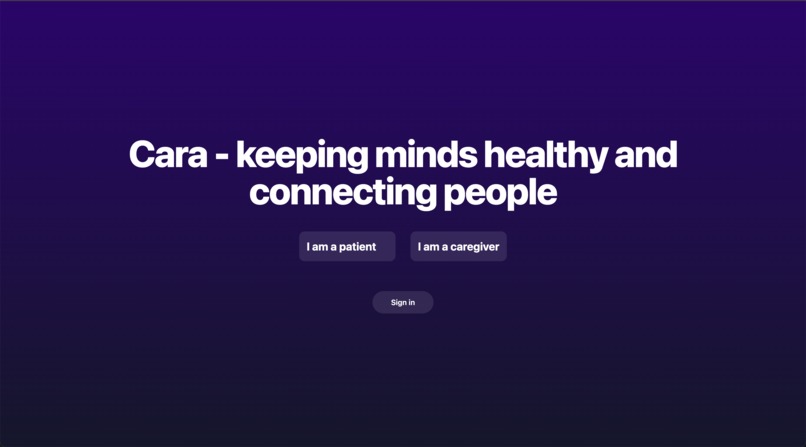
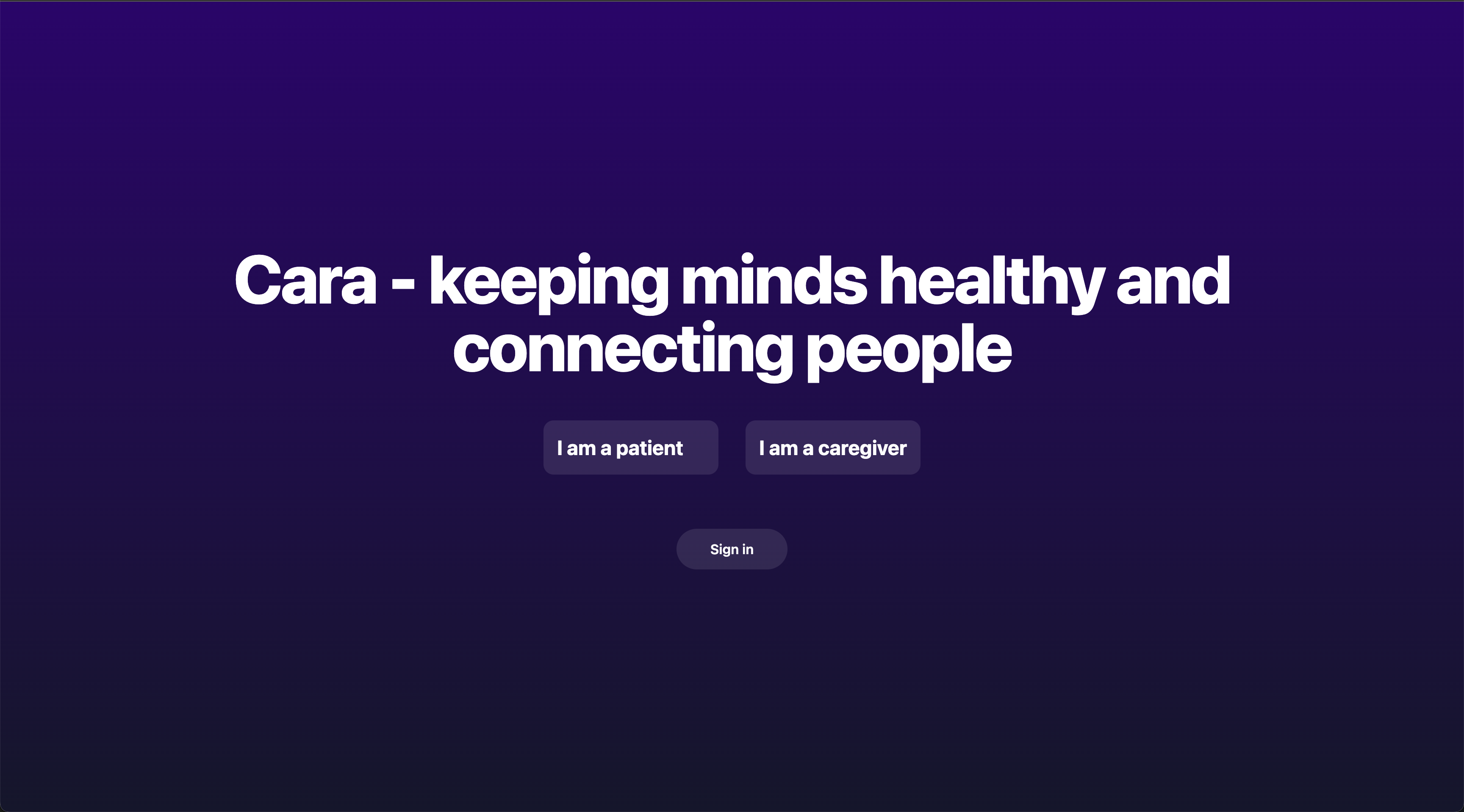
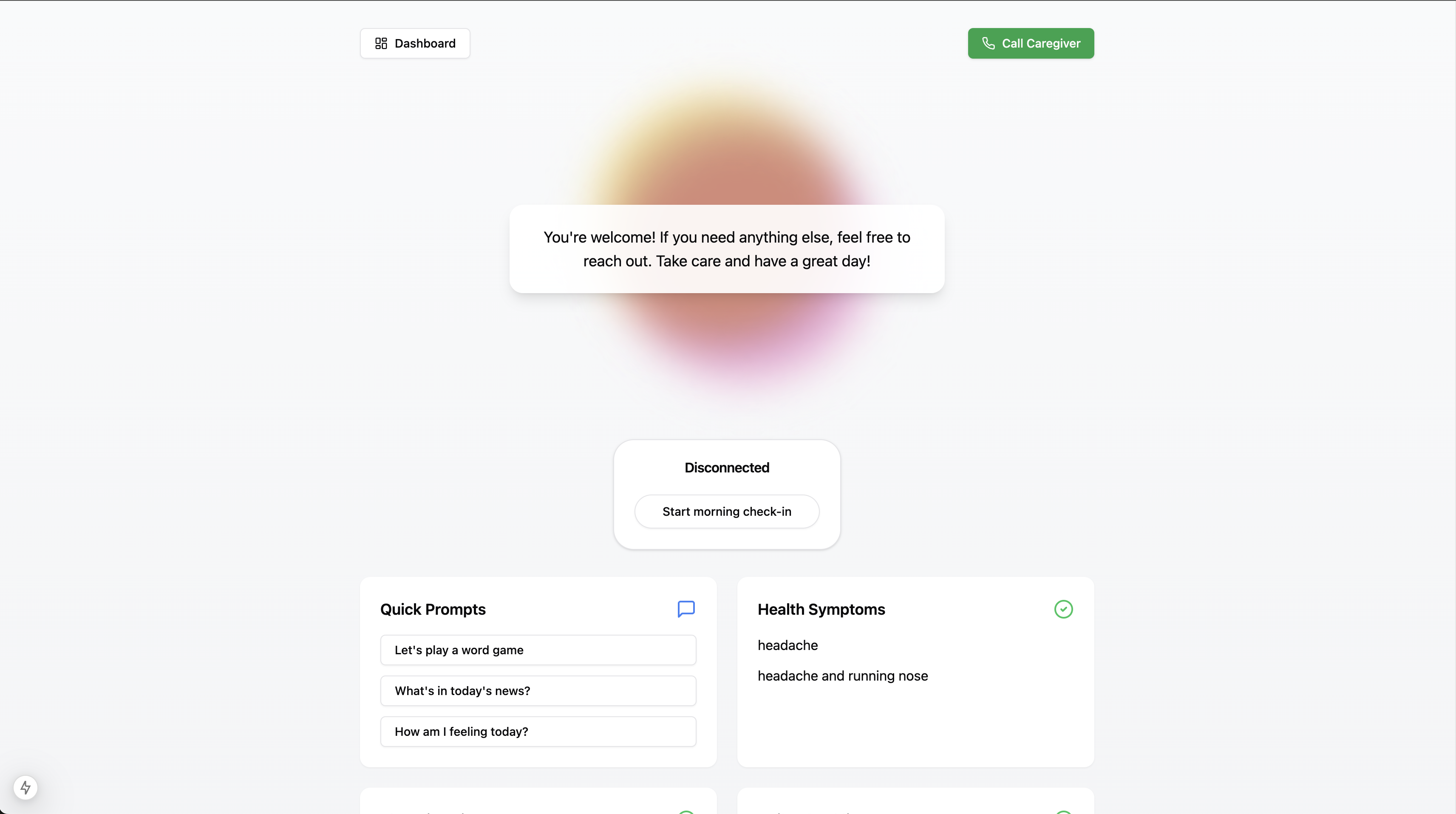
Cara App - Home
-
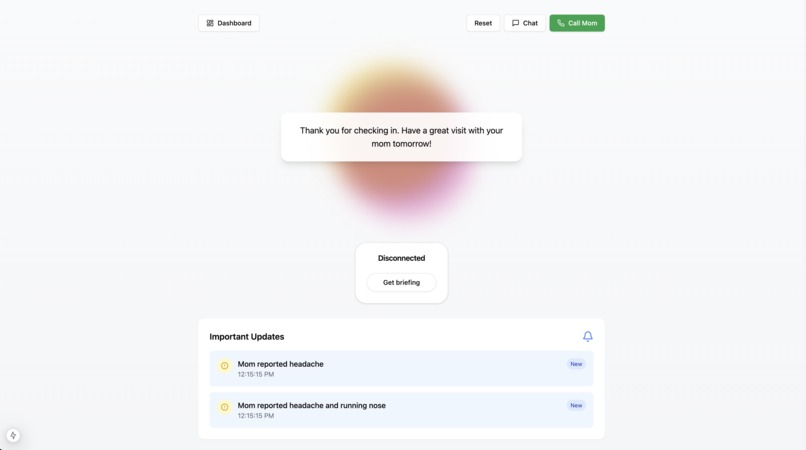
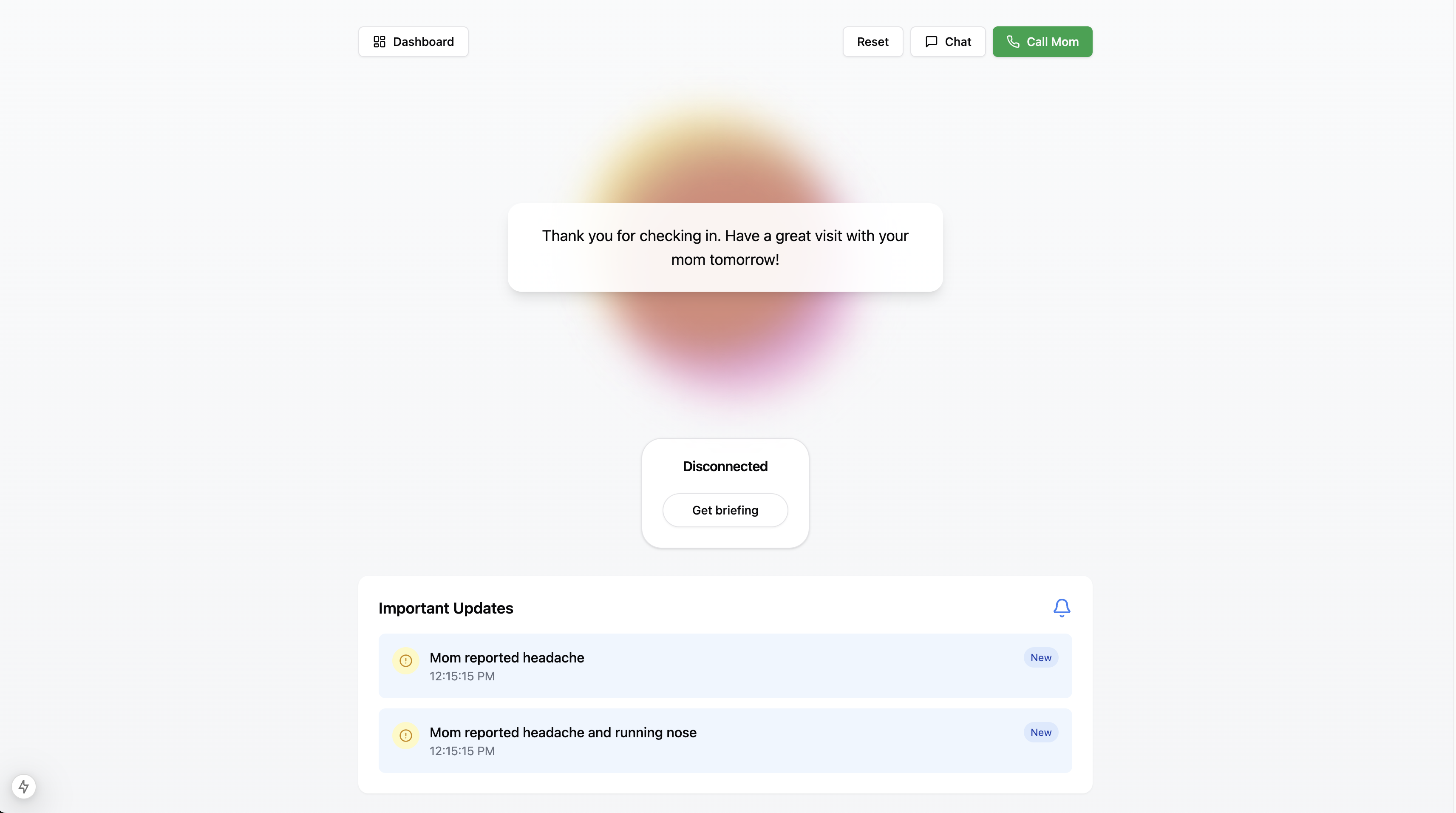
Cara app - Caregiver view
-
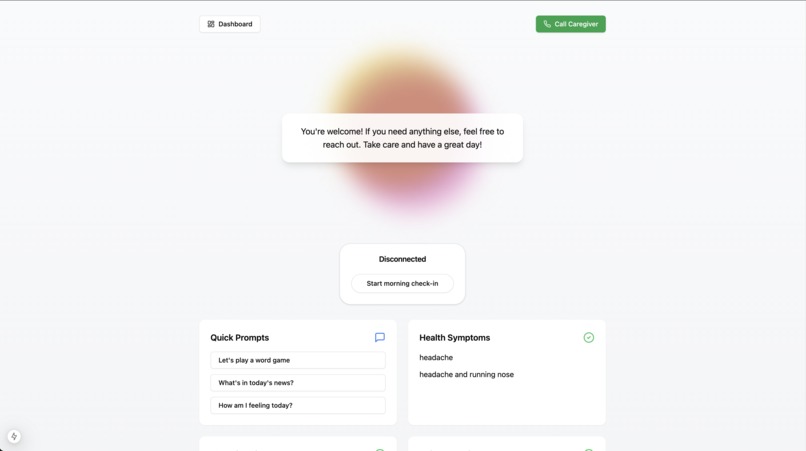
Cara app - Patient view




Inspiration
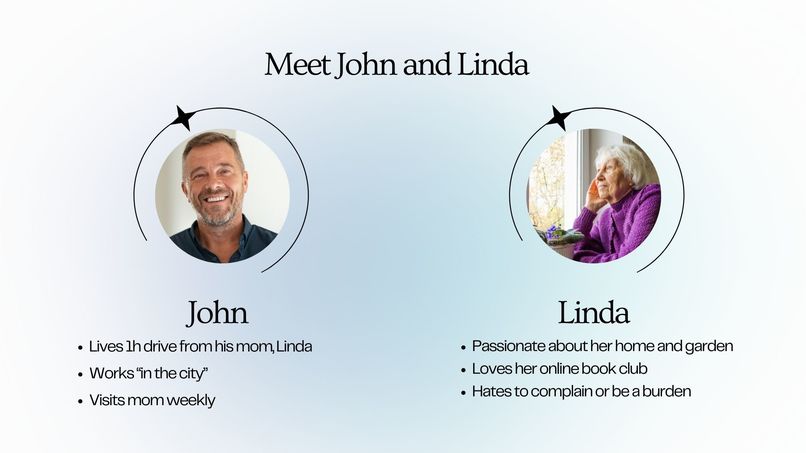
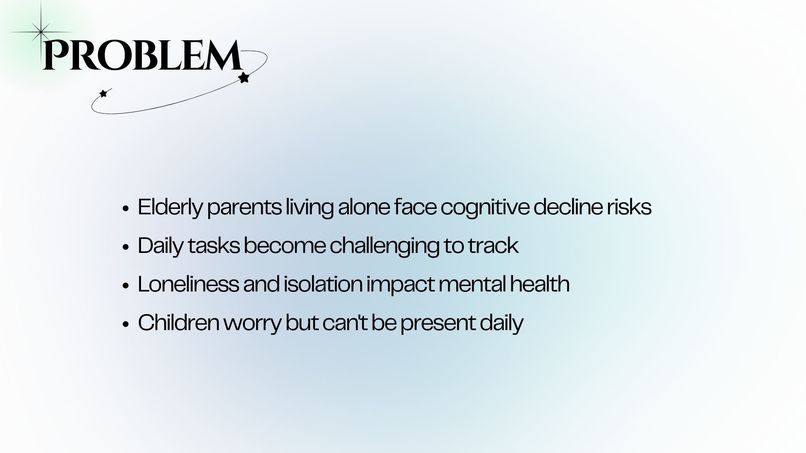
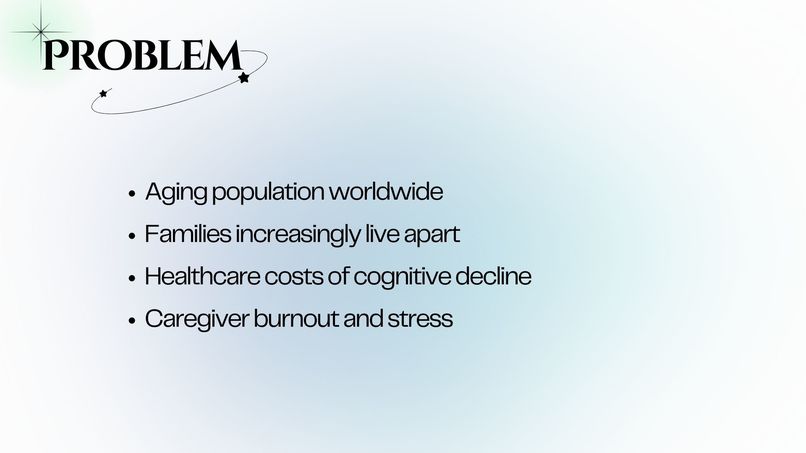
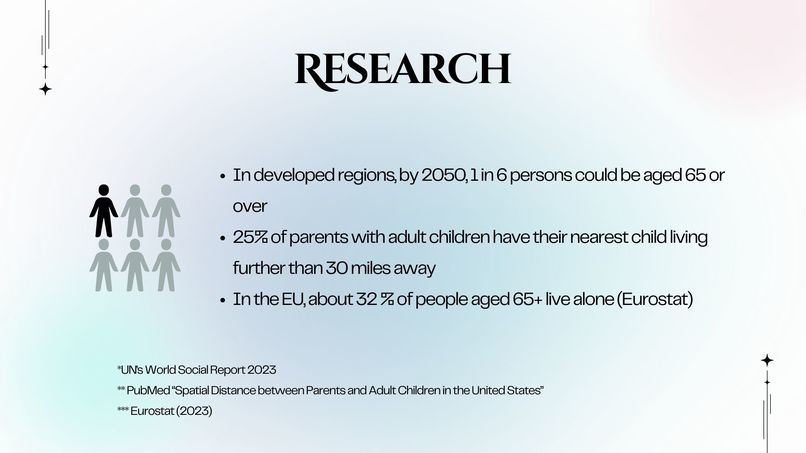
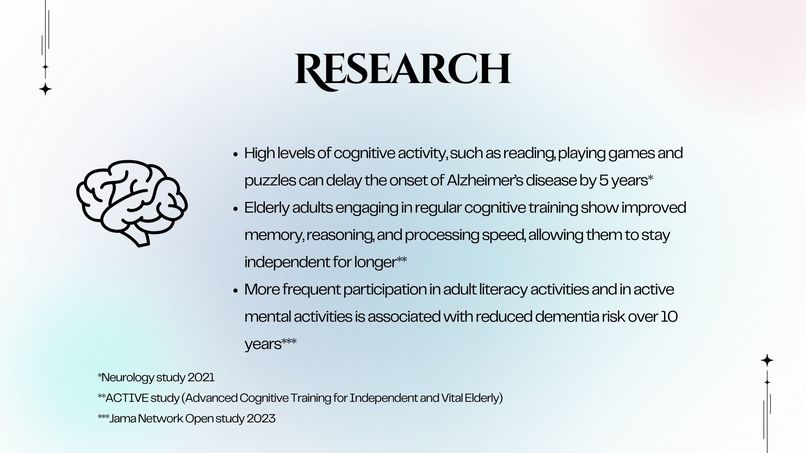
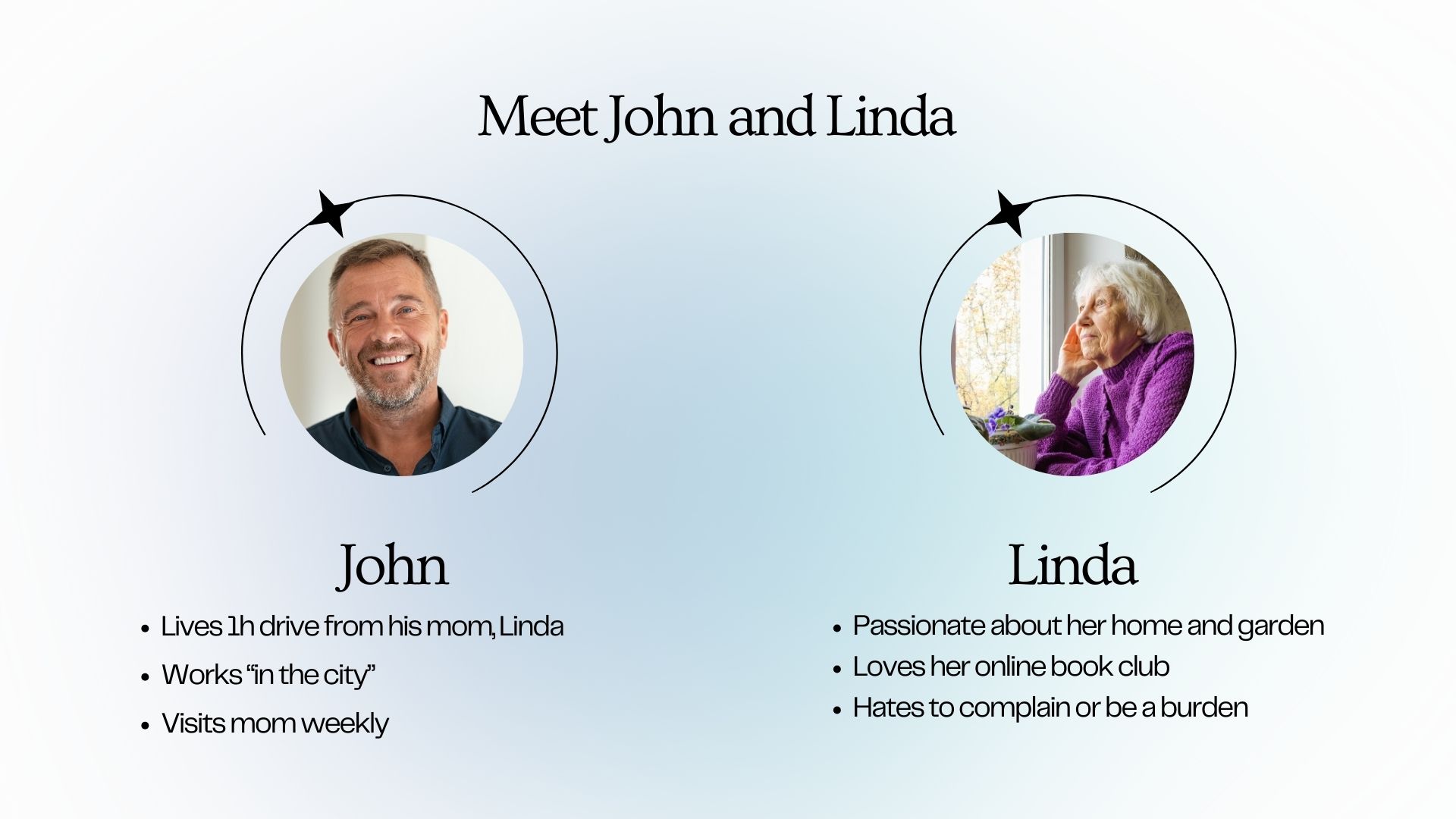
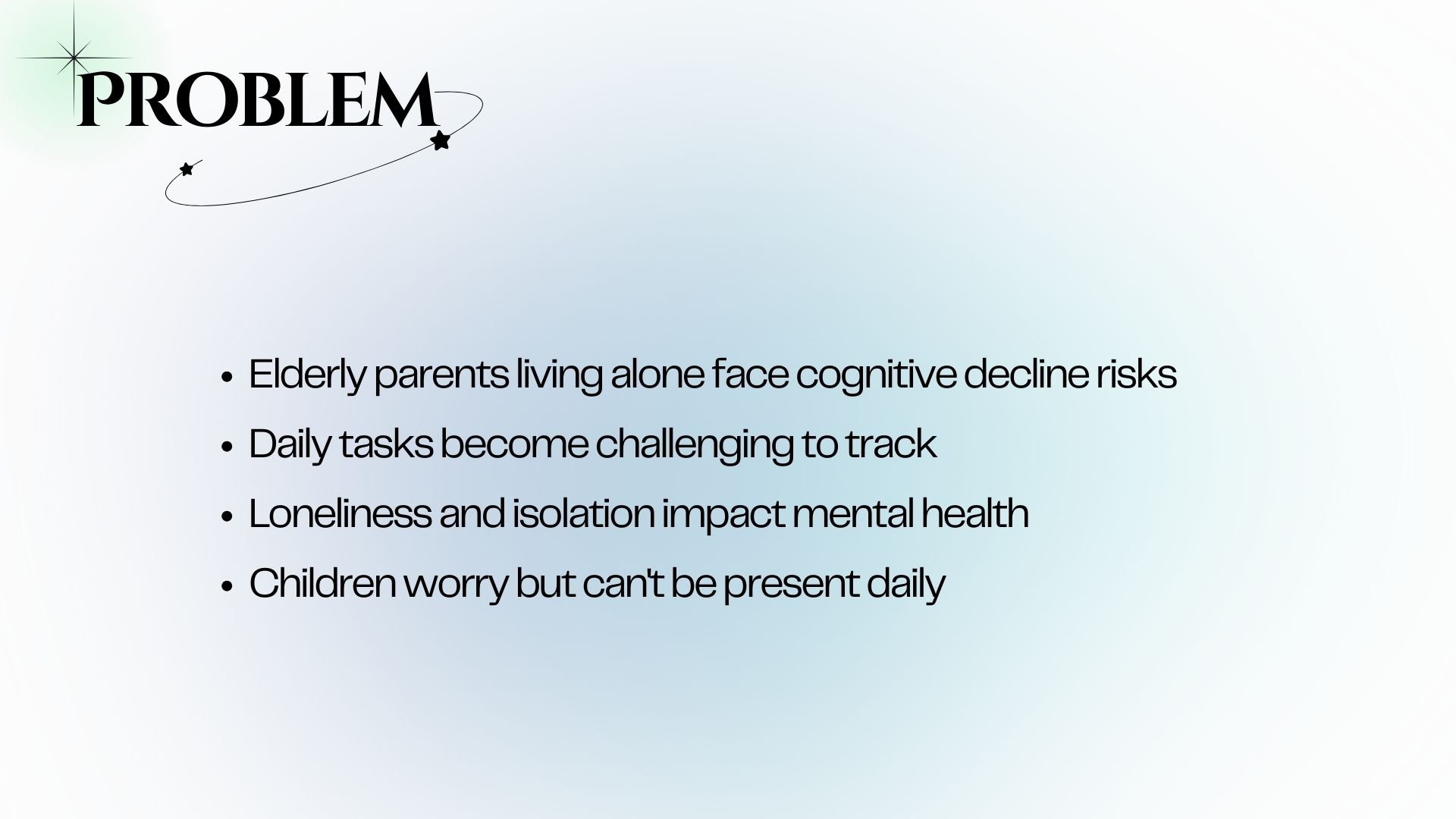
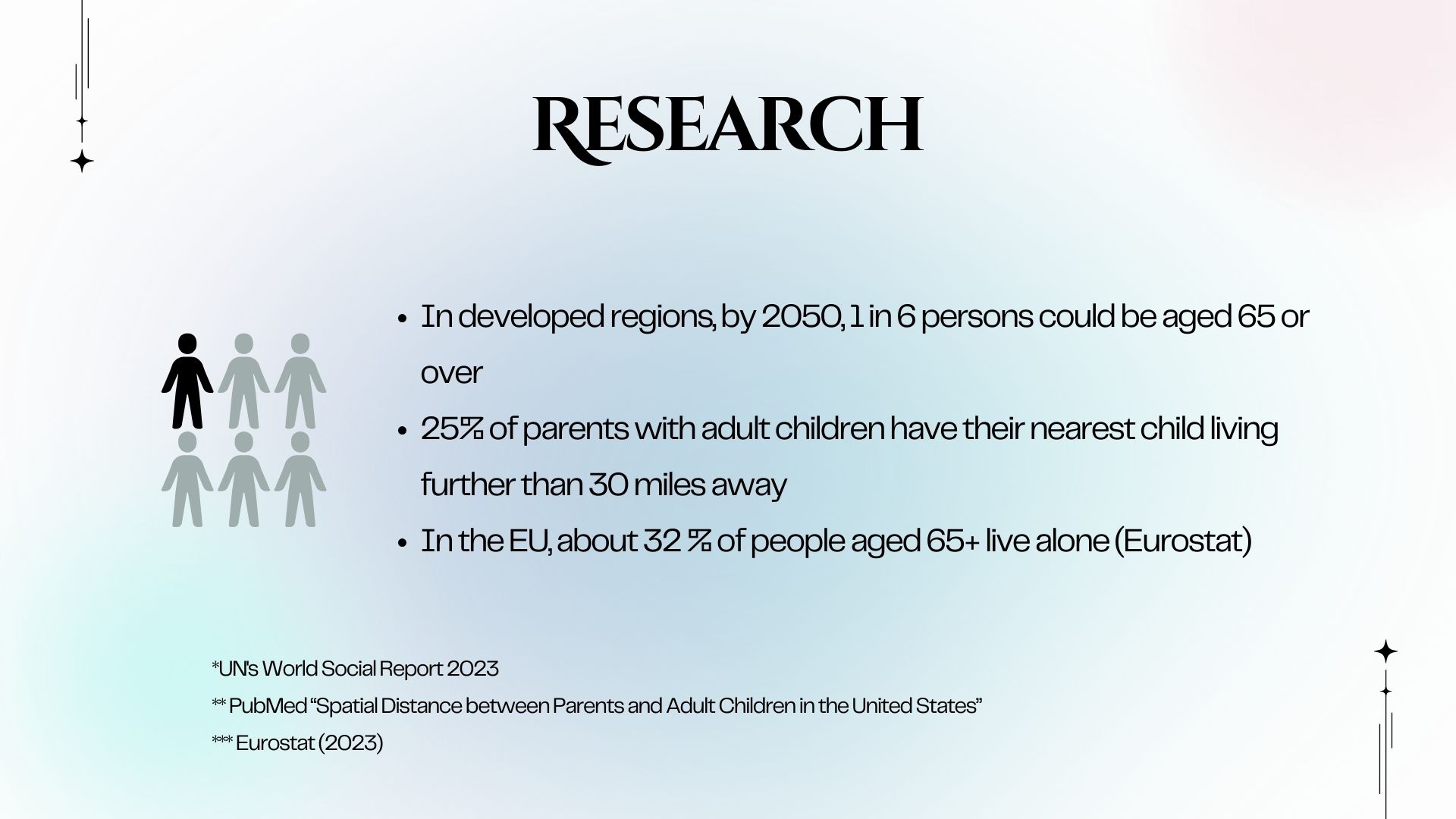
We live in exciting times when life expectancy keeps on growing, unfortunately so does loneliness. In Europe 30% of people aged 65 or more live alone. We know from research that cognitive activities help elderly people keep the youth of their minds, stay independent in daily life for longer, and reduce risks of developing dementia.
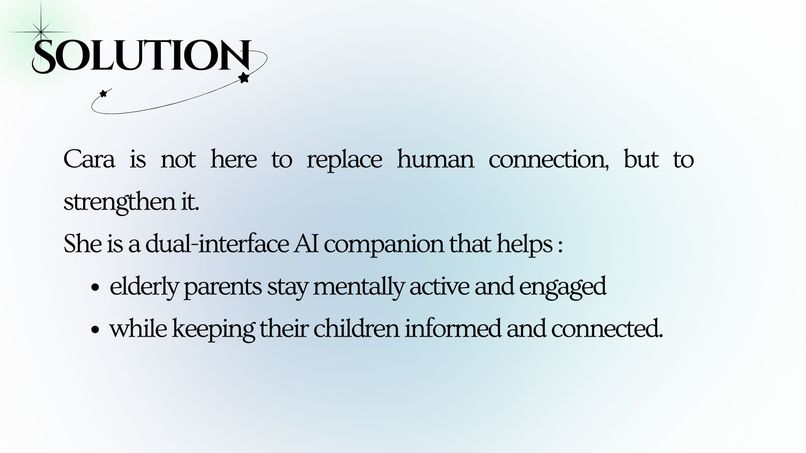
Huge value behind conversational AI is its growing adaptability and intuitiveness of use for the aging society. That’s why we created Cara – a dual-interface AI agent. Cara is not here to replace human connection, but to strengthen it. She helps:
- elderly family members stay mentally active and engaged
- while keeping their children informed and connected.
What it does
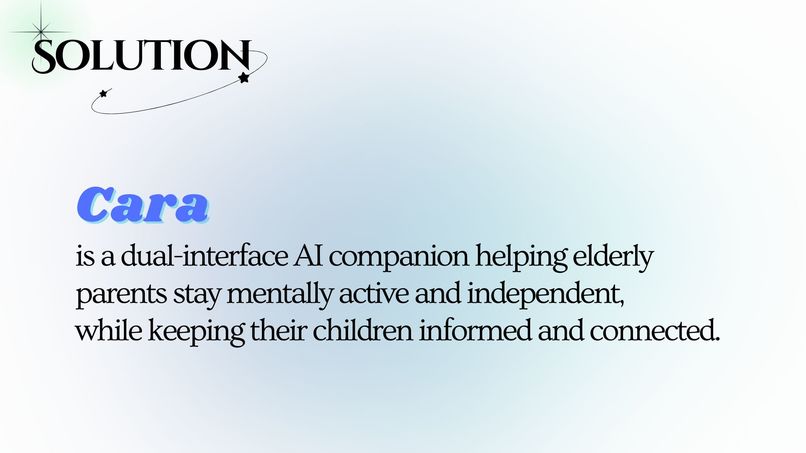
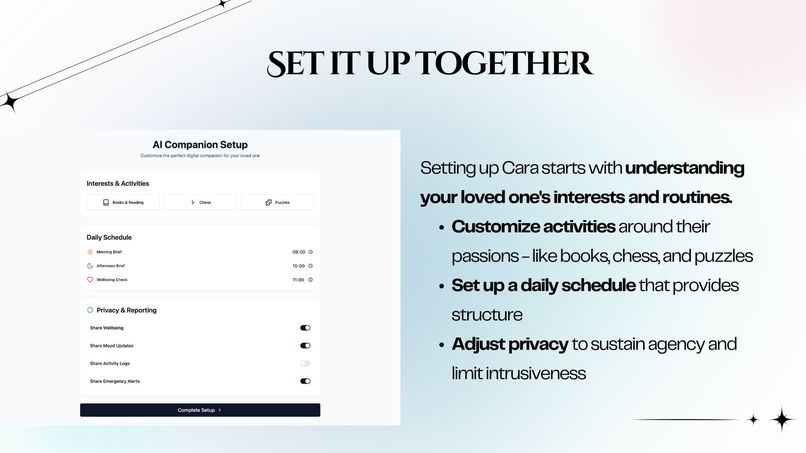
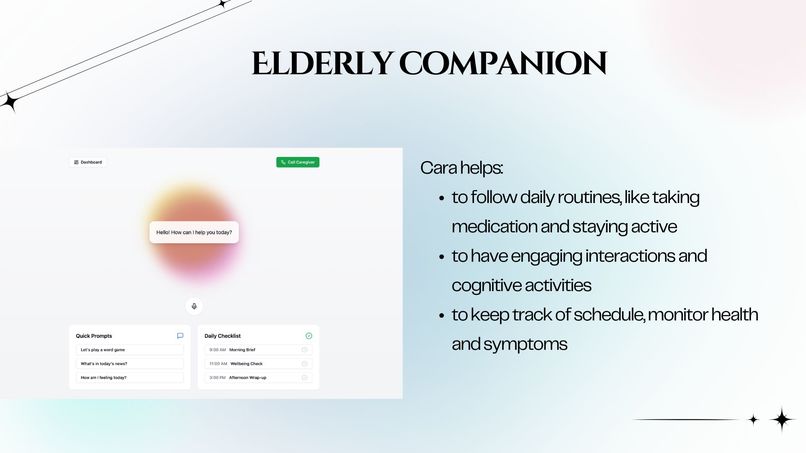
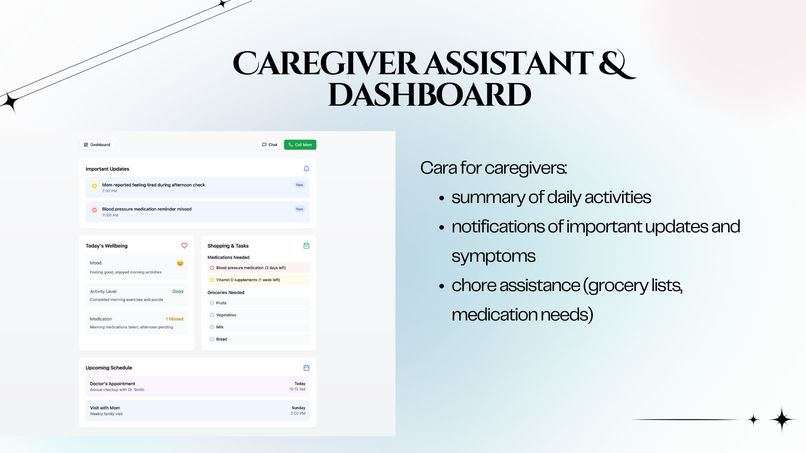
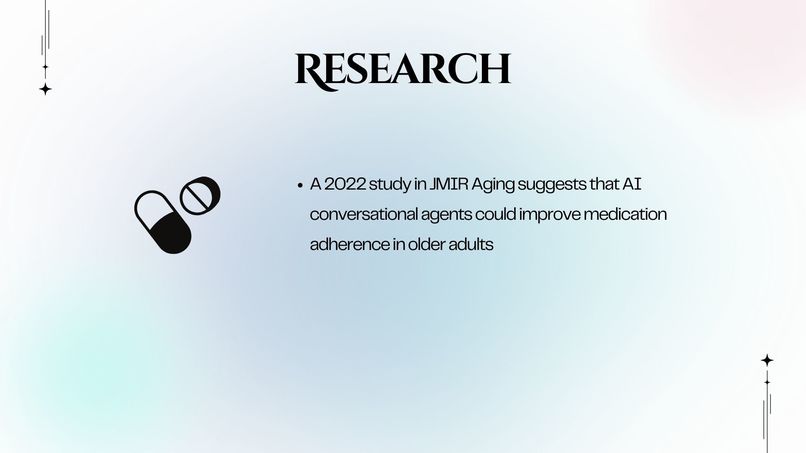
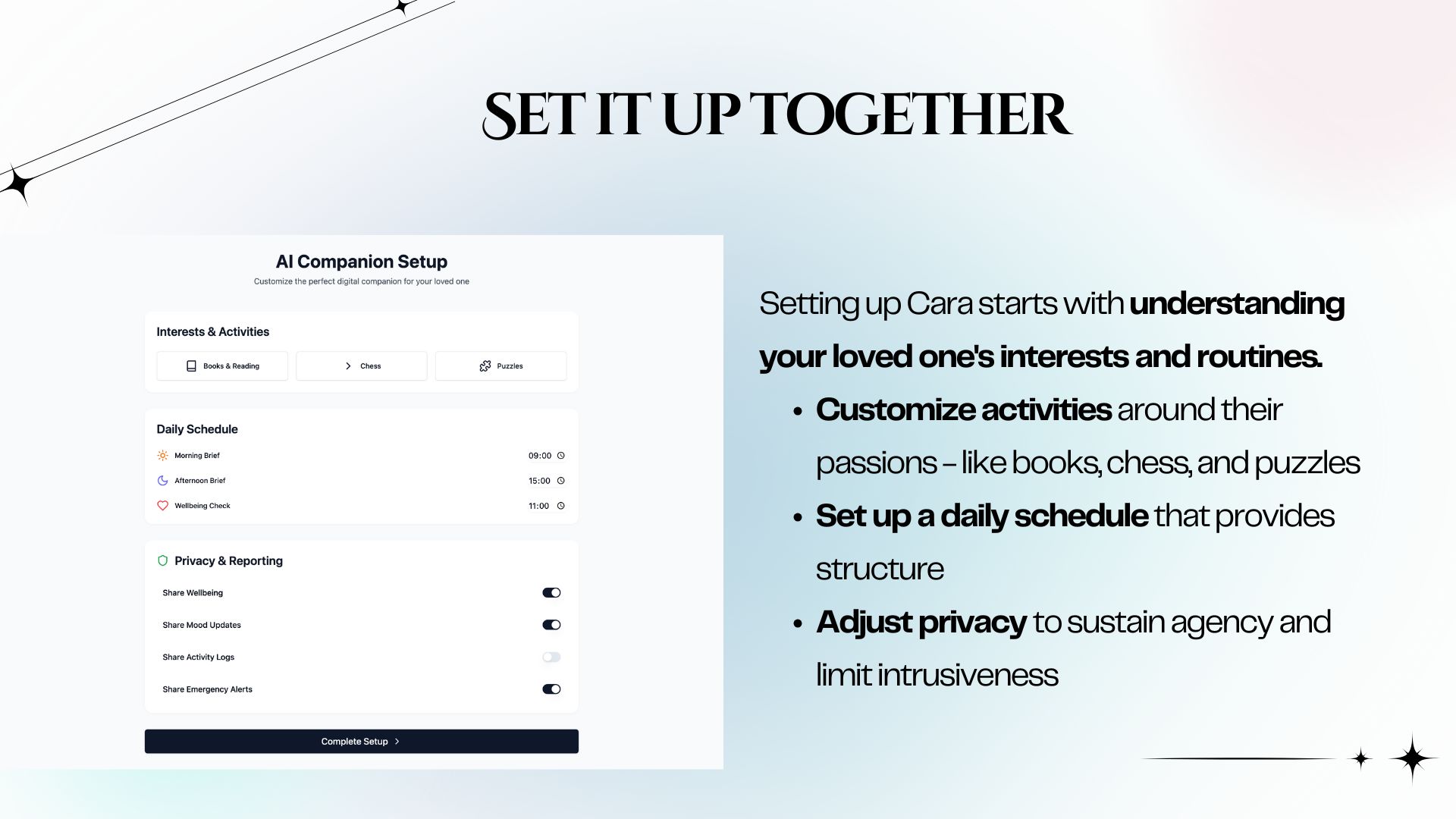
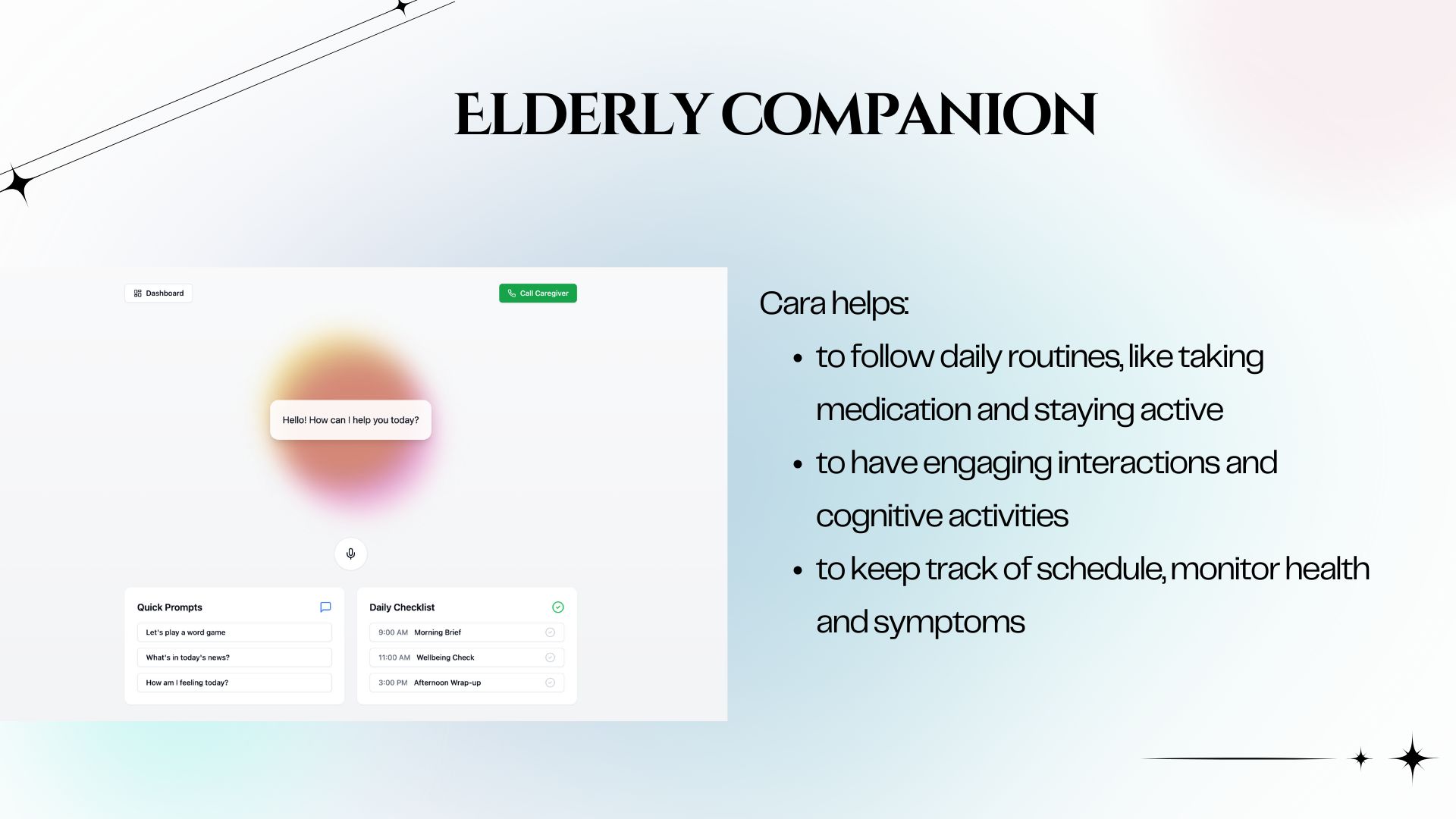
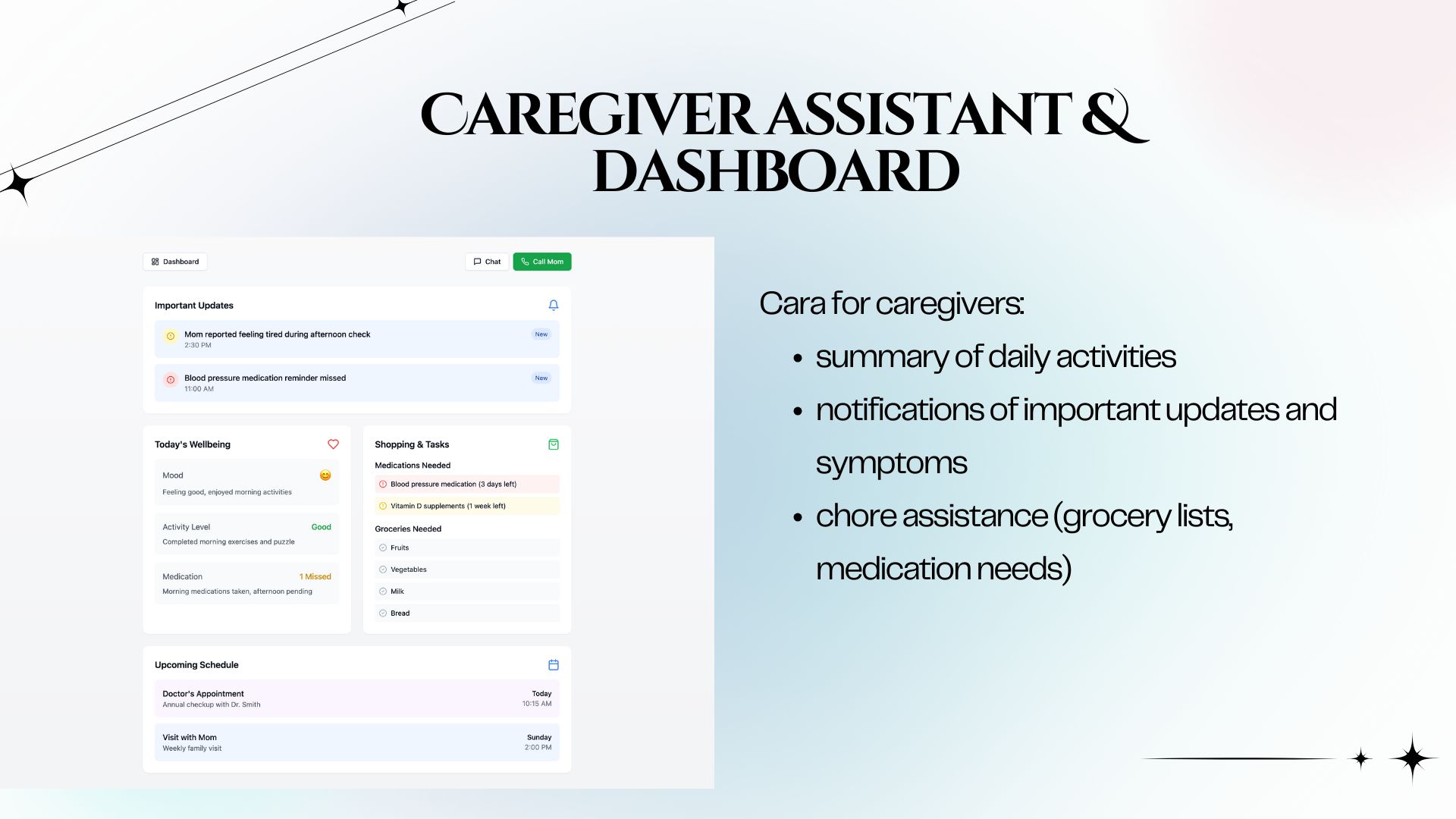
Cara is a dual-interface AI companion helping elderly parents stay mentally active and independent, while keeping their children informed and connected. Cara is a conversational companion for elderly that can guide them through their routines, like morning brief for schedule reminders and medication adherence, regular health and wellbeing checks, as well as entertaining and conversation cognitive activities and puzzles. It's also an assistant for the caregivers – gives them updates about the elderly person's activities and health, notifies if there are any chores that need attention like groceries or medication shortage. All this is configured by both parties together in a dashboard to make sure the elderly 1. gets the kind of activities that are in line with their interests, 2. has the agency over what is shared with the caregiver.
How we built it
We wanted to create a quick prototype, which would allow us to validate the main idea of 2 agents collaborating in facilitating the communication between elders and their kids, but at the same time create in tech stack, which would allow us to push it to production if necessary quickly and scale it easily. The process was the following:
- Generating initial app React components code - we used Bolt.new. From our experience, it works better than similar products with Shadcn - the UI library, which is easy to use and great-looking.
- Project Scaffold - we set up a mono repo with Turborepo to prepare for future development of other apps: Admin, Partner, Integrations, Standalone backend for webhooks and CRONs
- Wiring the components into app - wiring the components created in 1. into the T3 Stack (React, Next.js, tRPC, NextAuth.js, PostgresDB), refactor and architecture design
- Creating agent and integrating the ElevenLabs SDK - we created a Conversational Agent with both client and server-side tools and integrated it using the 11Labs Javascript SDK.
Function tools:
- Symptom Detected (Client) - when the patient says something about the health eg. headache, chest pain, or heart-related issues
- Shopping list (Client) - when the patient indicates the need for an item to buy
- *Emergency Detected (Server) * - when help is requested by the elder, sending SMS notification to the caregiver using make.com Twilio integration.
- Implementing the business logic - reacting to client tools triggers and syncing prompt states between agents:
- Patient Agent logic - reacting to signals from tool calling and saving the symptoms and shopping list items into local storage
- Caregiver Agent logic - generating brief for caregiver using dynamic prompt built using symptoms and shopping list items saved in the local storage/
- Conversational Agent React component - main component where we dynamically adapt prompts and tool calls
- Agents definitions - initial prompts with dynamicVariables template management
Challenges we ran into
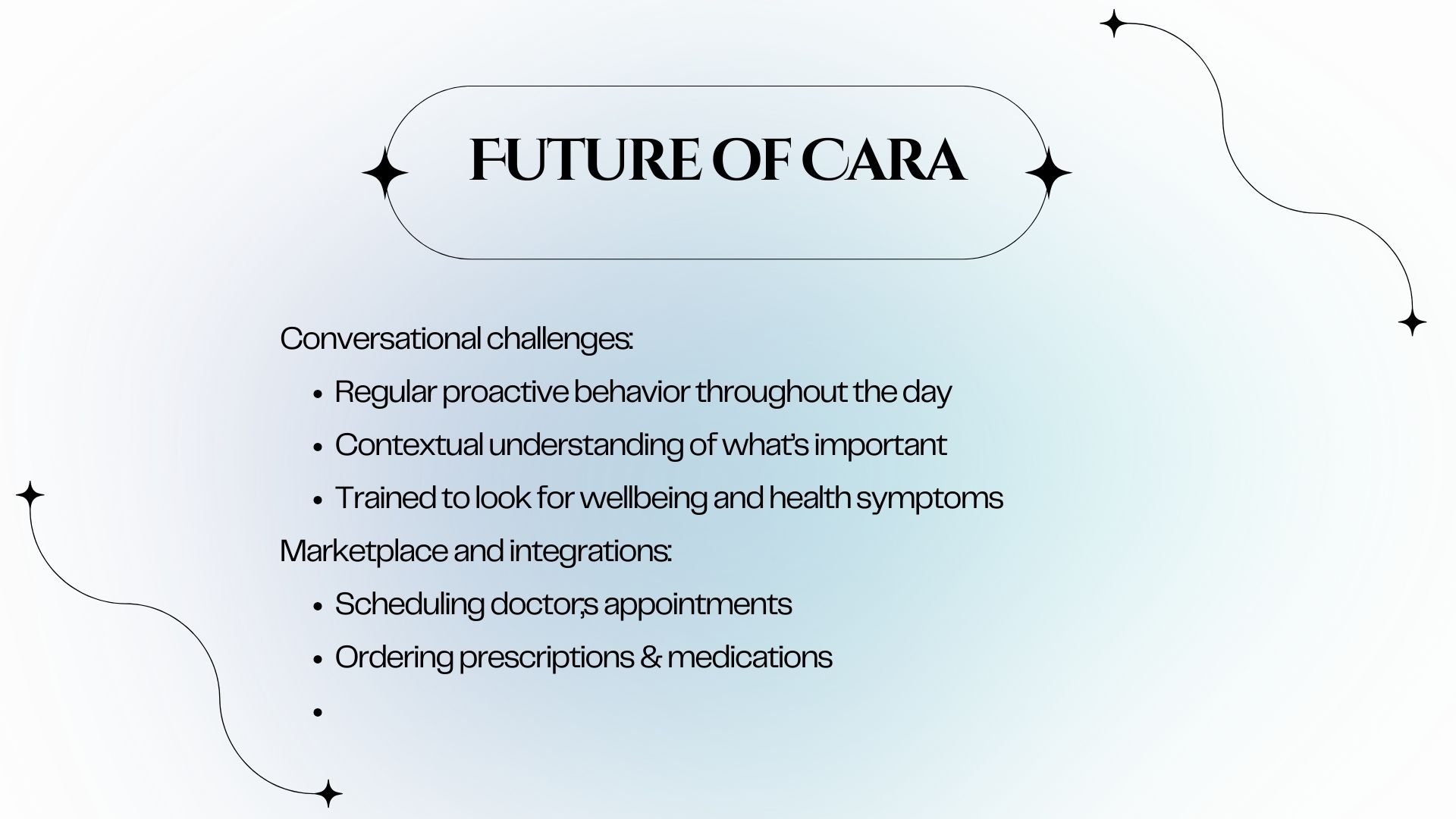
Conversational flows need to be structured for the AI companion to keep track of their daily tasks, like reminding of schedules or guiding the elderly through daily routines. For that, we need to dynamically manage the prompts as they might change in real time. In the production scenario, we will need a separate backend logic and persistent remote database storage, but for the sake of the hackathon, we decided to implement synchronization using LocalStorage. In the future, we need to create separate CRUDs for:
- Check-up Routines
- Symptoms
- Grocery & Medication lists
- Reminders
Accomplishments that we're proud of
- Privacy and dignity considerations - we do not want to substitute human communication, but rather to make it more efficient to keep information gathered by agents transparent to both patients and caregivers.
- GDPR friendliness - we designed our tech stack so that it can be deployed in a secure, GDPR to multiple cloud providers
- Agent prompt synchronization and collaboration - task structure that makes sure that important highlights of the voice interactions are saved to the database, displayed on the caregiver's dashboard and used during Agent voice briefing.
What we learned
We work in a startup, that delivers a conversational AI developer tool, and most of the time, we do not work directly on end customers' problems. We wanted to get out of our comfort zone and build a conversational AI product, which could have a significant impact on our daily lives.
It was also a great opportunity to try a new tech stack, which we believe is super easy to launch MVPs that can be scaled and commercialized once it gets positive feedback from all user personas ;).
What's next for Cara - caretaker assistant
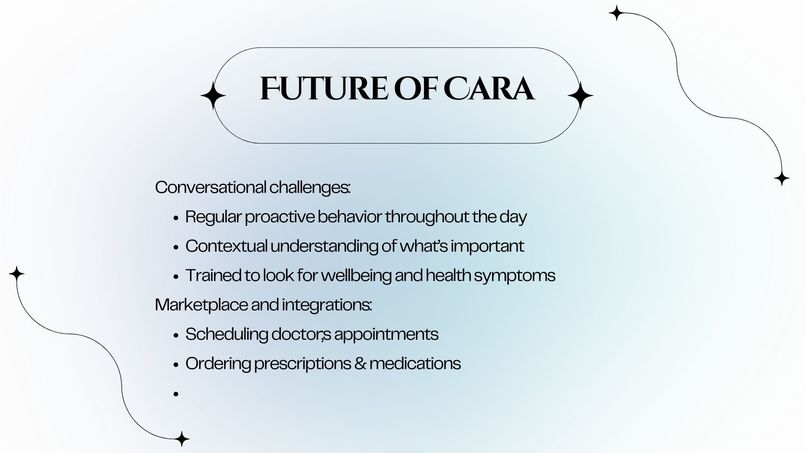
We have plenty of work that needs to be done to deploy this code to the product, but we are willing to commit to getting this project to the point where anyone can easily deploy it to the cloud of their choice. Apart from the Open Source, we want to focus on the potential partner integrations:
- Docplanner - A patient agent can schedule appointments and send briefs to the doctors before the elder comes to the doctor adding initial symptom screening to save the doctor's time.
- Jush - integration with grocery and food delivery service, so elders can get their shopping needs satisfied before the caretaker can visit them.
Built With
- elevenlabs
- gpt-4o
- make.com
- next.js
- trpc
- twilio
- typescript


Log in or sign up for Devpost to join the conversation.