-
-
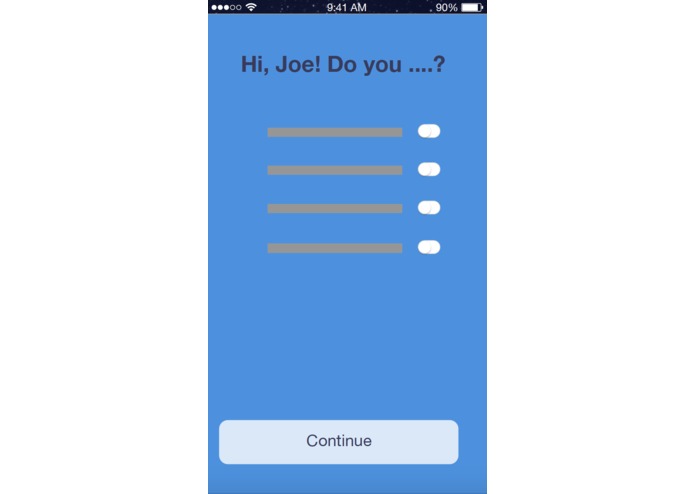
Opening screen to input risk factors and symptoms
-

Gamefied incentive for users by earning badges and rewards for each time they test their respiratory health
-
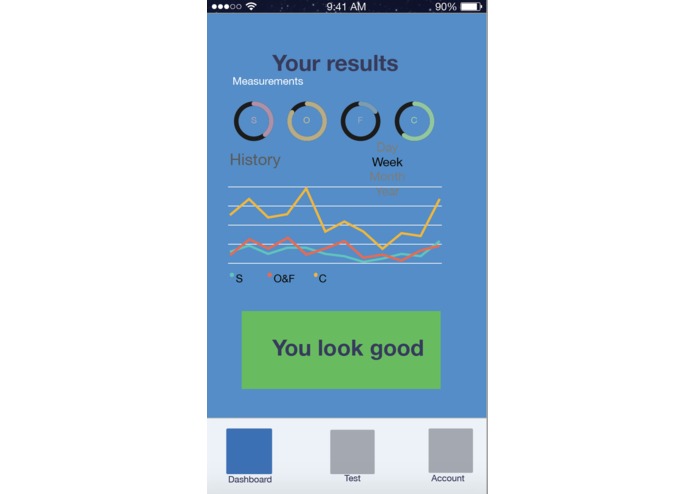
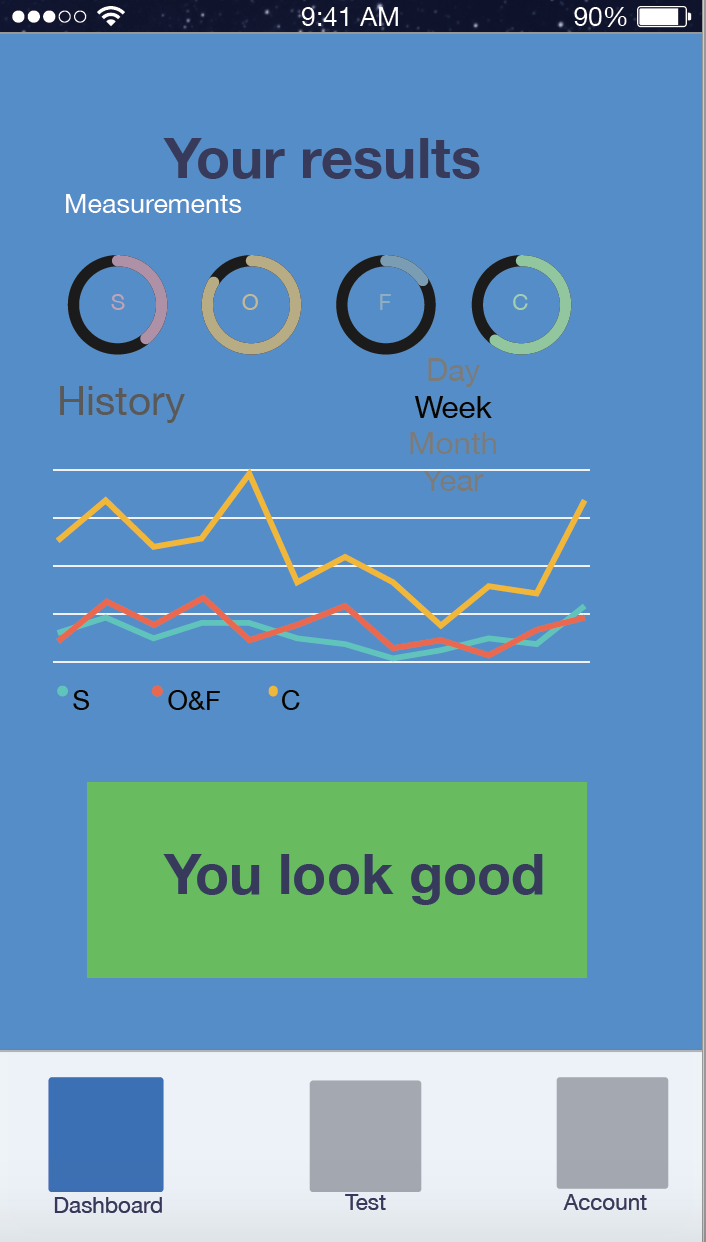
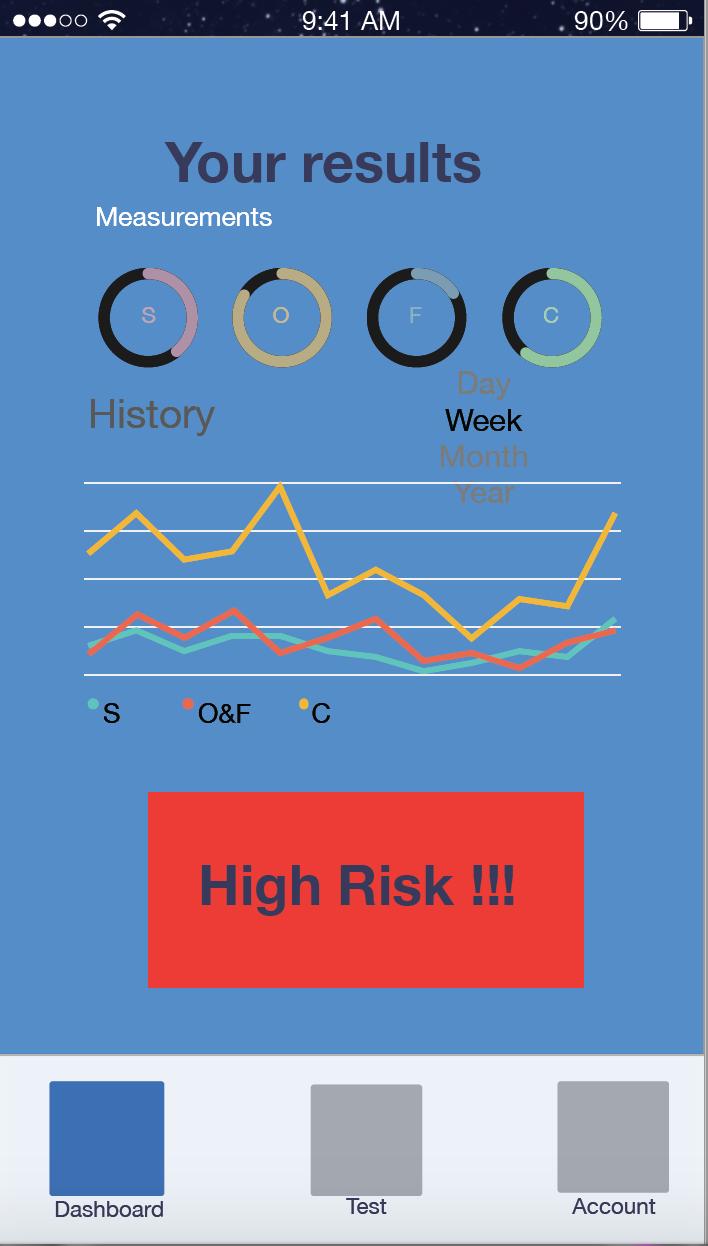
An example of the data presented that is incorporated into the algorithm
-
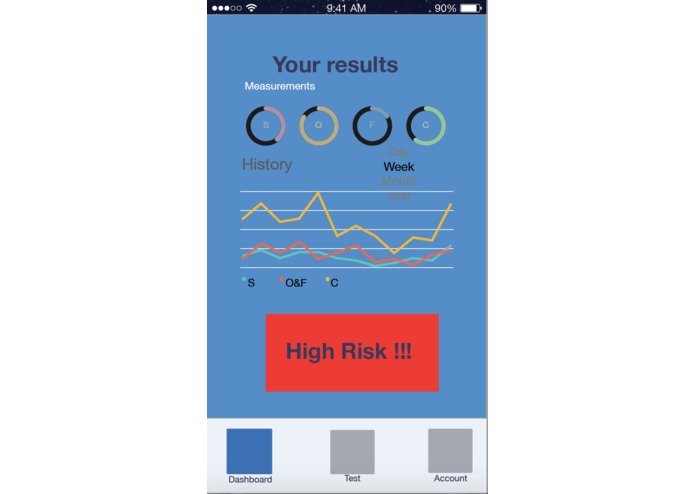
In the scenario when risk is detected, immediate notification to synced provider will ensue to follow with appropriate treatment action


Inspiration
Chronic Obstructive pulmonary disease is the third leading cause of death in the world, and 1 in 5 who are hospitalized for COPD exacerbations are readmitted within 30 days, causing a huge strain on our healthcare system. $13 billion to be exact. Furthermore, acute exacerbations are the primary cause of death for patients suffering from COPD. If exacerbations can be treated sooner, patients can spend less time in the hospital, and live a better life overall.
What it does
The BREA device contains a spirometric-like peak flow meter, pulse oximeter, fractional exhaled nitric oxide monitor, and a set of microphones to measure lung sound for analysis of inflammation. Further, we have an online tool that records EMR data on demographics of the patient, along with risk factor and symptom input. Combining all these data metrics together, our platform will assess and assign scored values to the patient's results, ultimately leading to a predictive risk assessment tool for acute exacerbations. Physicians can then prescribe necessary treatments to prevent hospitalization and severe decline in health for their patients.
How we built it
We used CAD mock-ups to design the hardware. We were able to design the hardware by researching the specifications for the existing devices, and then incorporating those technologies into our device. Further, we made wireframe models of the user interface for the application to visualize how all the data will be put together and analyzed.
Challenges we ran into
Determining the best diagnostic measures for predicting acute exacerbations was difficult, and we did extensive literature research to finalize our set of tools. Further, validating the metrics for the high risk versus lower risk values was important to determine. Finally, detailing out the best business model strategy was complicated, and we spent a lot of time discussing with experts in the field about what would be an ideal strategy to use.
Accomplishments that we're proud of
We are very proud of our complete device vision, as well as the potential it has to change the existing procedures for managing patients with COPD. We feel our device adds novelty to the market, and can truly benefit patients, doctors, and insurance companies.
What we learned
Diagnostics are difficult, especially with determining definite correlative values. But, we realized there were patterns that we could exploit in the analysis of the data received that would allow us to make this predictive risk assessment platform.
What's next for BREA: A predictive risk assessment platform
We hope to develop our algorithm further, and test it with large data sets. Also, we would like to prototype our device!
Built With
- hardware
- machine-learning
- software

Log in or sign up for Devpost to join the conversation.