Inspiration
About 1 in 68 children has been identified with autism spectrum disorder (ASD). It is the fastest-growing developmental disability. Increased by 119.4% from 2000 to 2010 in U.S. children. And it costs U.S. citizens $236-262 billion annually
What it does
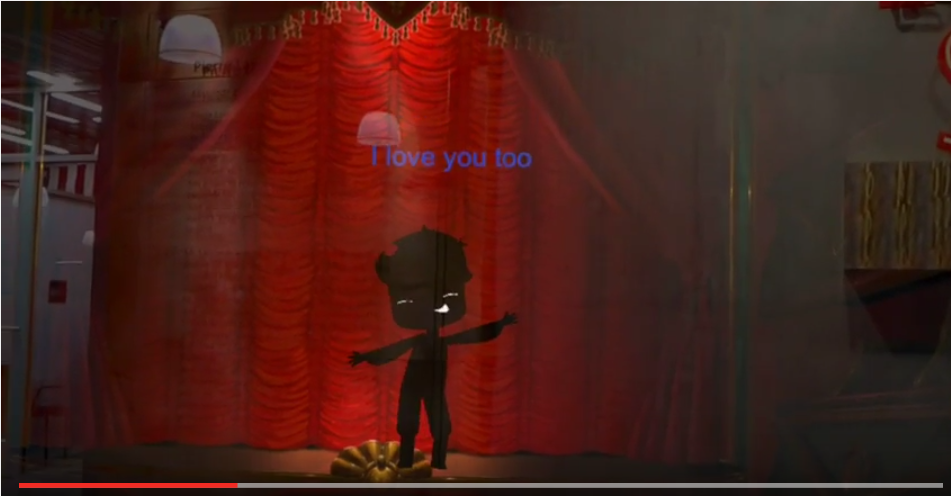
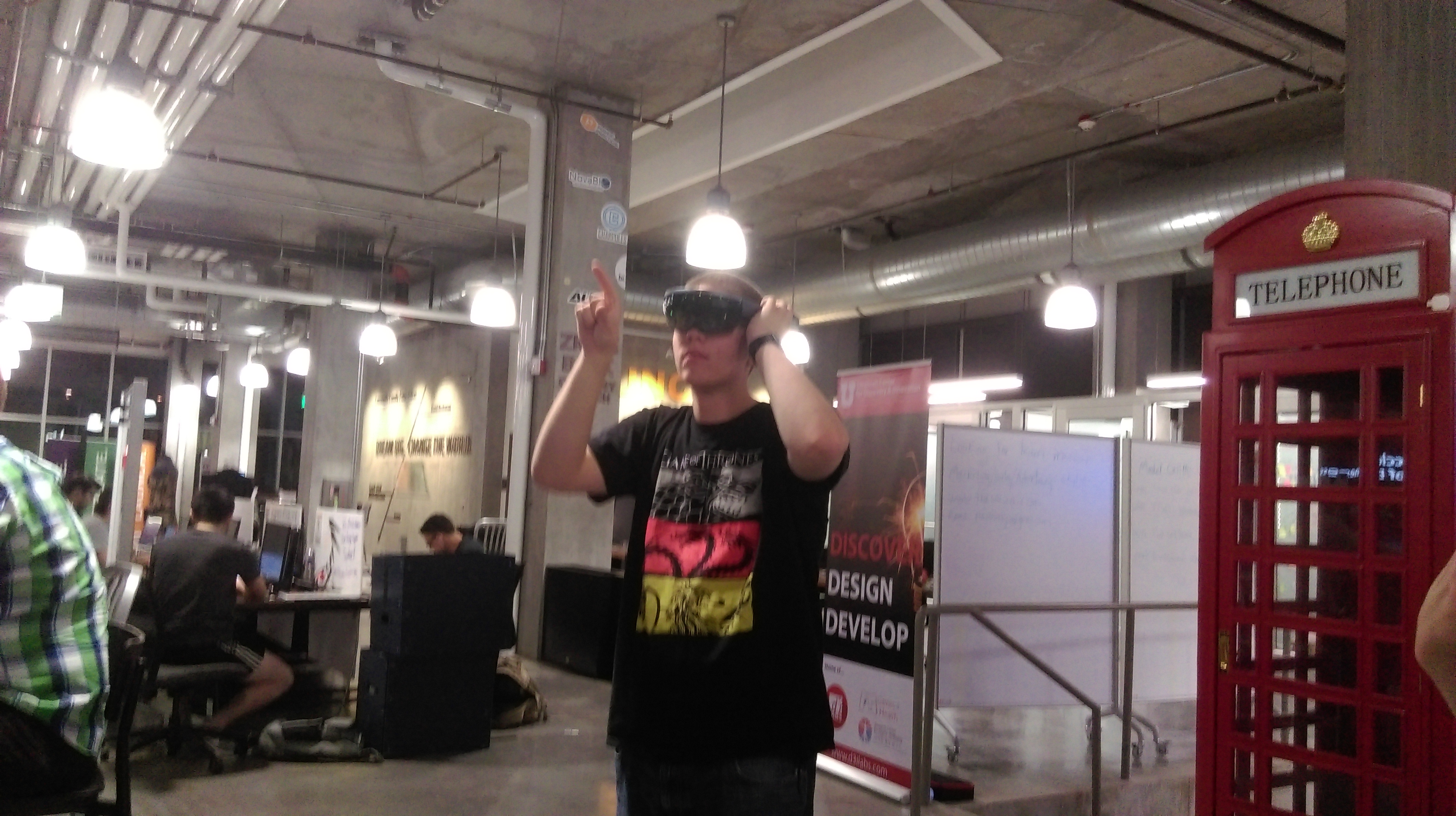
The user will use the Hololens to be immersed in a mixed reality. The Hololens will display the holographic images allowing the user to interact and manipulate them.
How I built it
Algorithms will be developed utilizing the speech, gesture and eye recognition capabilities of the Hololens. Through machine learning we will analyze a combination of features that suggest lower levels of empathy and vice versa.
Challenges I ran into
Unreliable Internet connection Hololens SDK integration.
Accomplishments that I'm proud of
Azure implementation for emotion detection. Very simple one.
What I learned
Developing using Microsoft UWP Configuring the Hololens Machine learning using Microsoft Azure portal
What's next for Augmented Reality Treatment For Autistic Children
Integrate more scenarios, children will have the opportunity to play with others and animals. Expand the product to adolescents be developing more complex scenarios All levels would have different instances to show altruistic behavior some obvious while others being more subtle. At the end of the interaction an empathy score can be obtained.


Log in or sign up for Devpost to join the conversation.