-
-
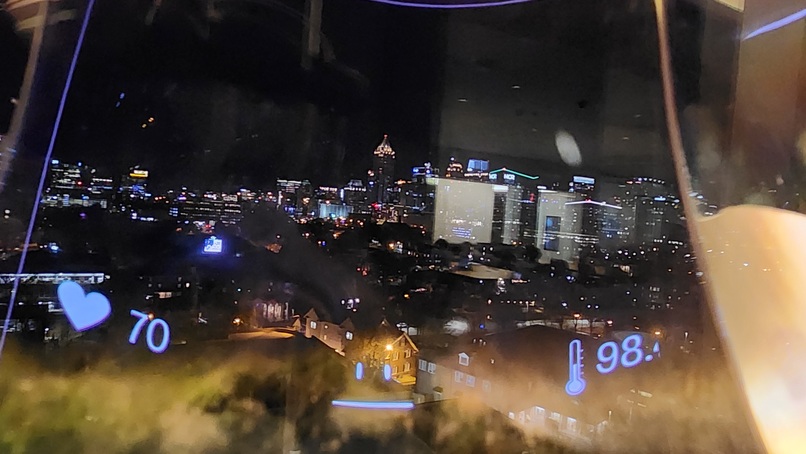
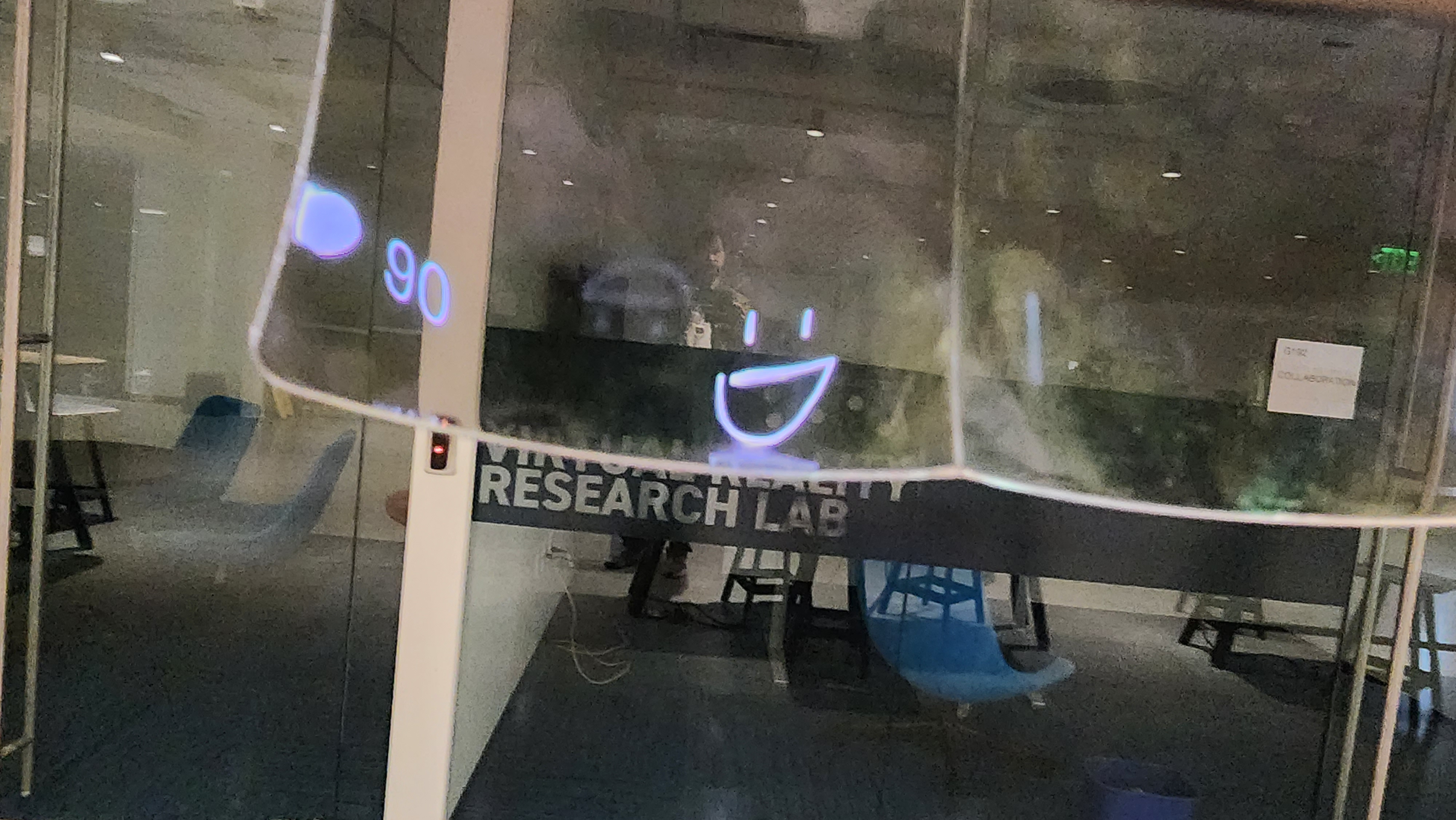
HUD
-
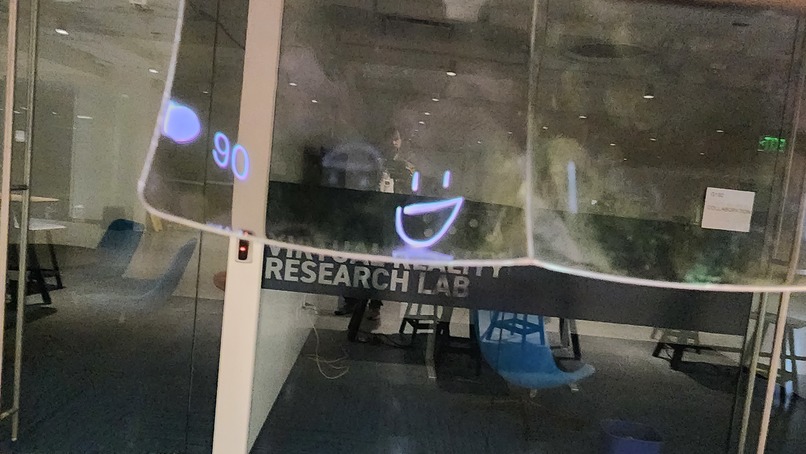
HUD
-
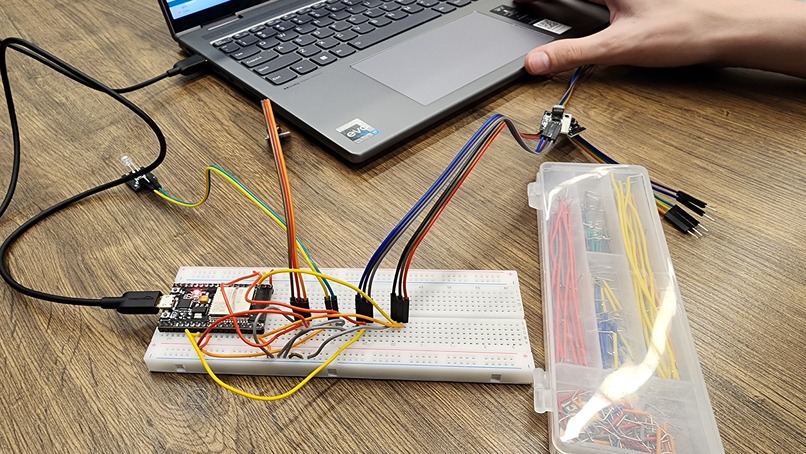
Sensors
-
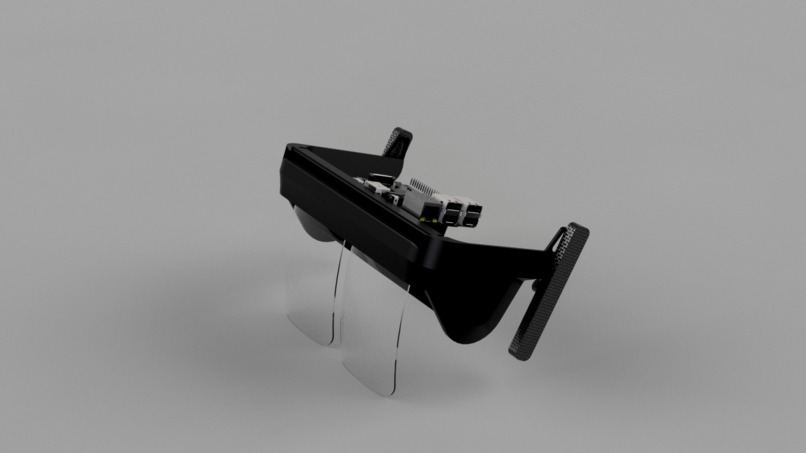
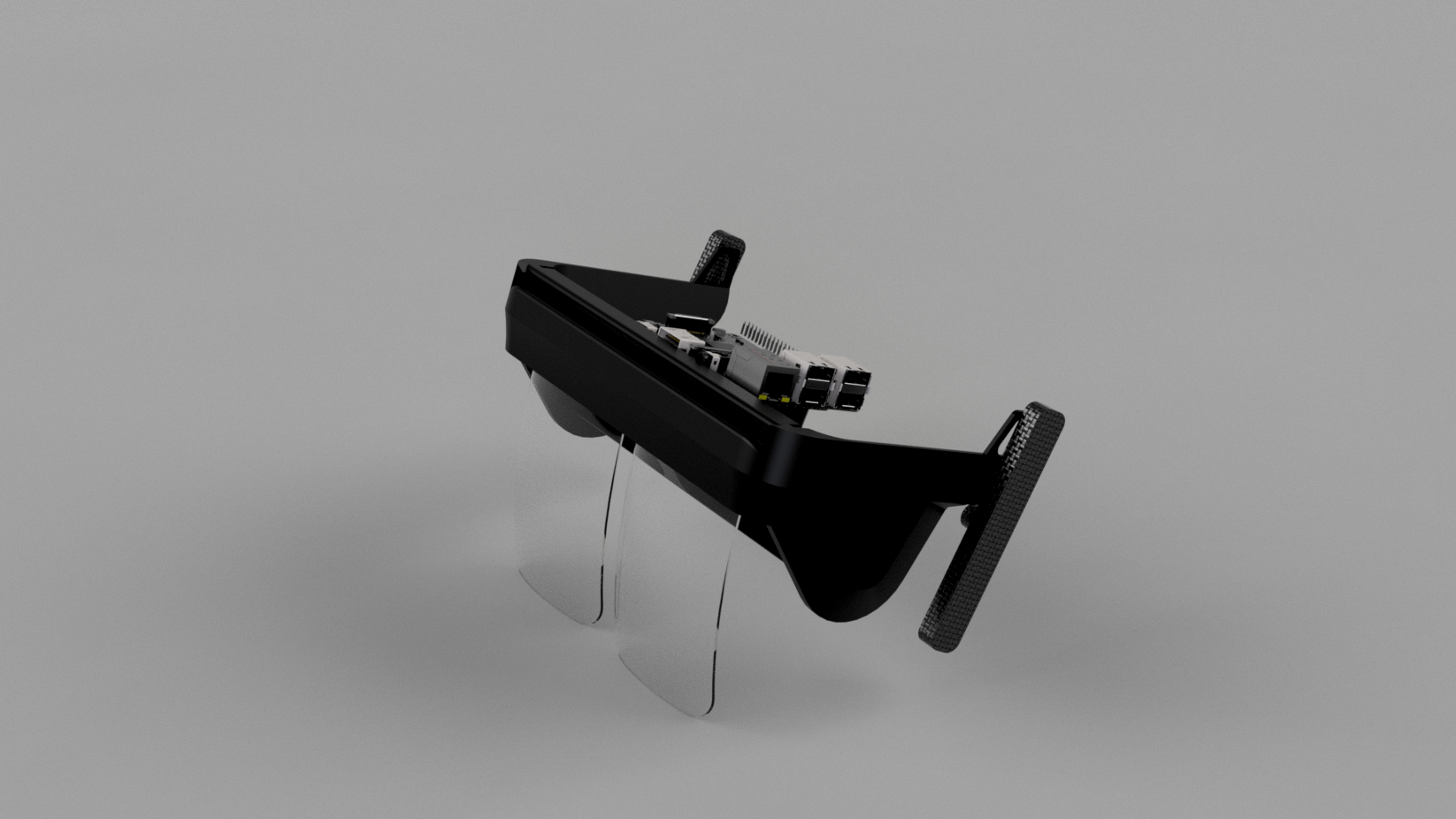
Render


Inspiration:
We were inspired to create AR Health because we wanted to use the power of technology to help people manage their physical and mental well-being. We recognized that stress and anxiety are major issues for many people, and we wanted to create a solution that would allow them to track their health metrics and manage their stress levels in real-time.
What it does:
AR Health is an augmented reality app that combines AR technology with health sensors to provide users with real-time insights into their physical and mental well-being. By wearing our AR headset, users can track their heart rate, breathing, and other key health metrics, while also receiving calming messages and breathing exercises to manage stress and anxiety.
How we built it:
We built AR Health using a variety of technologies, including A-Frame for building the VR environment, Python for writing the machine learning algorithms, Java for programming the sensors, React for building the user interface, and TensorFlow for analyzing the data. We also used Arduino to control the sensors and Raspberry Pi to handle incoming data from sensors and cameras.
Challenges we ran into:
One of the biggest challenges we faced was integrating all of the different technologies and sensors into a cohesive system. We also had to work with limited time and resources, which made it challenging to develop a fully functional prototype.
Accomplishments that we're proud of:
Despite the challenges, we're proud of what we were able to accomplish in a short amount of time. We were able to build a functional AR headset prototype that separately track key health metrics and provide real-time feedback to users.
What we learned:
Andrew: A great degree of Arduino and utilization of sensors to receive data. Also learned proper techniques of designing an electric system, as well as how to code these systems in order to read and report incoming data.
Kanav: A good portion of SSH Keys and encryption. Also learned more about React, CSV files, and backend development. Also learned more about electrical systems and its relationship towards parts of the human body.
Jay: Rapidly prototyping and working with multiple technologies with the team. Learned about sensors and hardware and how to use A-Frame software.
Jacob: I learned how to develop the backend of an application in Java, including parsing CSV files, counting heartbeats using a double-pointer algorithm, generating line graphs with the XChart Java library, and maintaining a global timer.
What's next for AR Health:
We believe that AR Health has the potential to make a real impact on people's lives. In the future, we hope to refine the technology and make it more accessible to a wider range of people. We also plan to explore new applications for AR technology in healthcare and wellness, and continue to push the boundaries of what's possible with this exciting new technology.
Built With
- a-frame
- arduino
- cad
- java
- javascript
- python

Log in or sign up for Devpost to join the conversation.