-
-
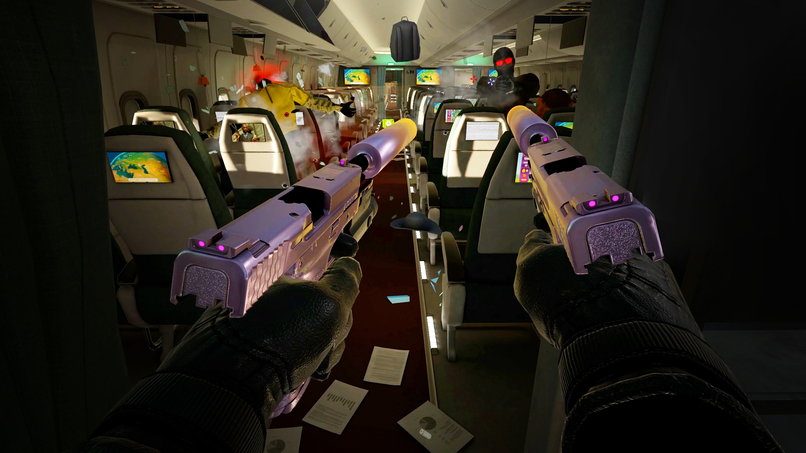
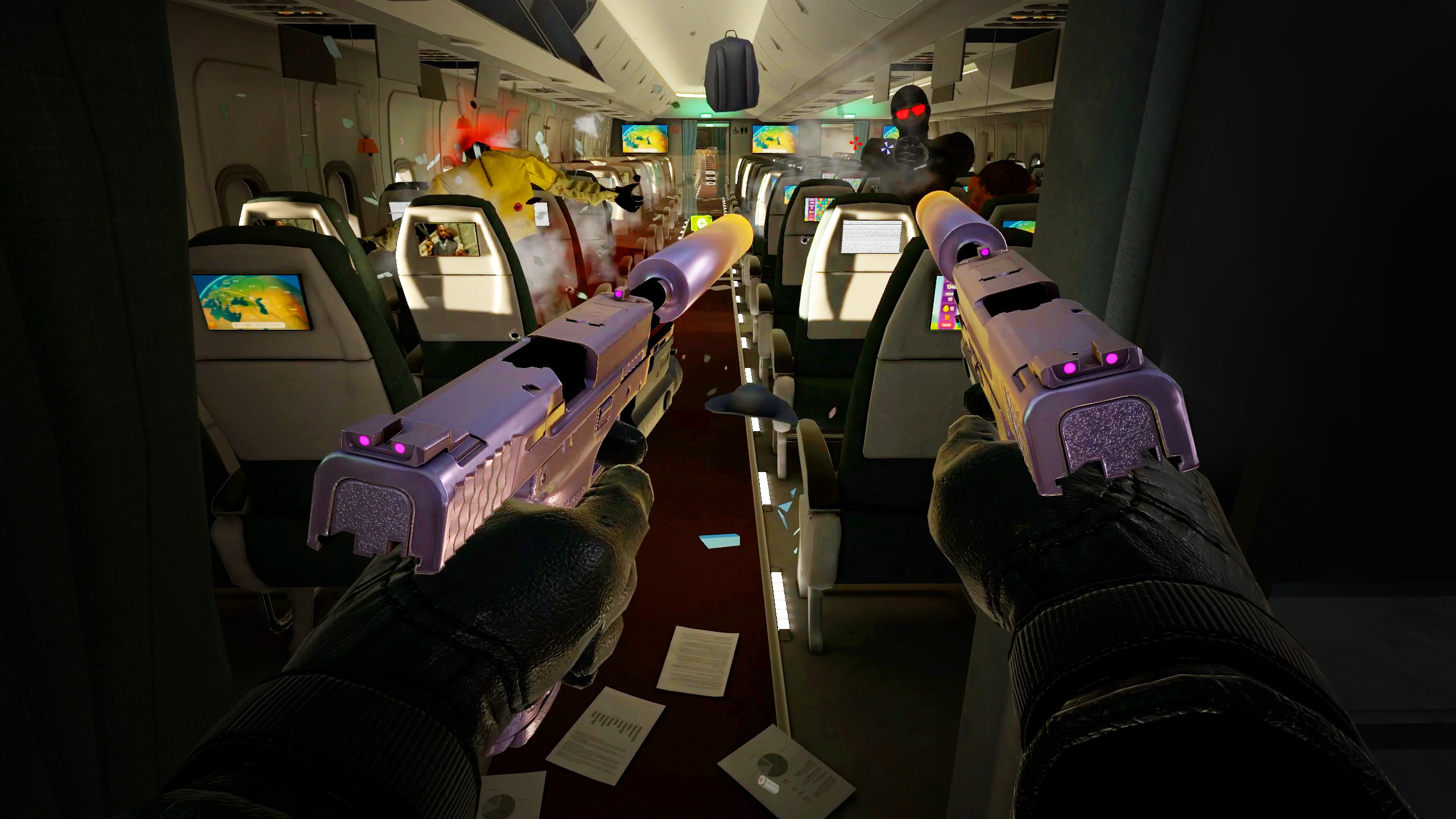
AirplaneScene
-
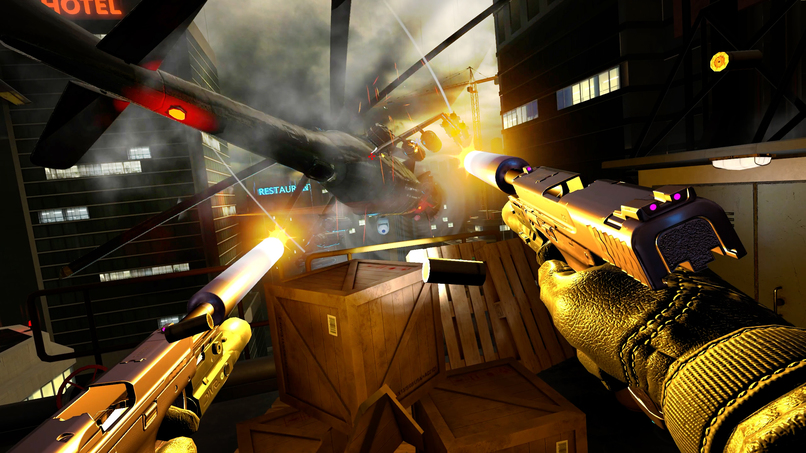
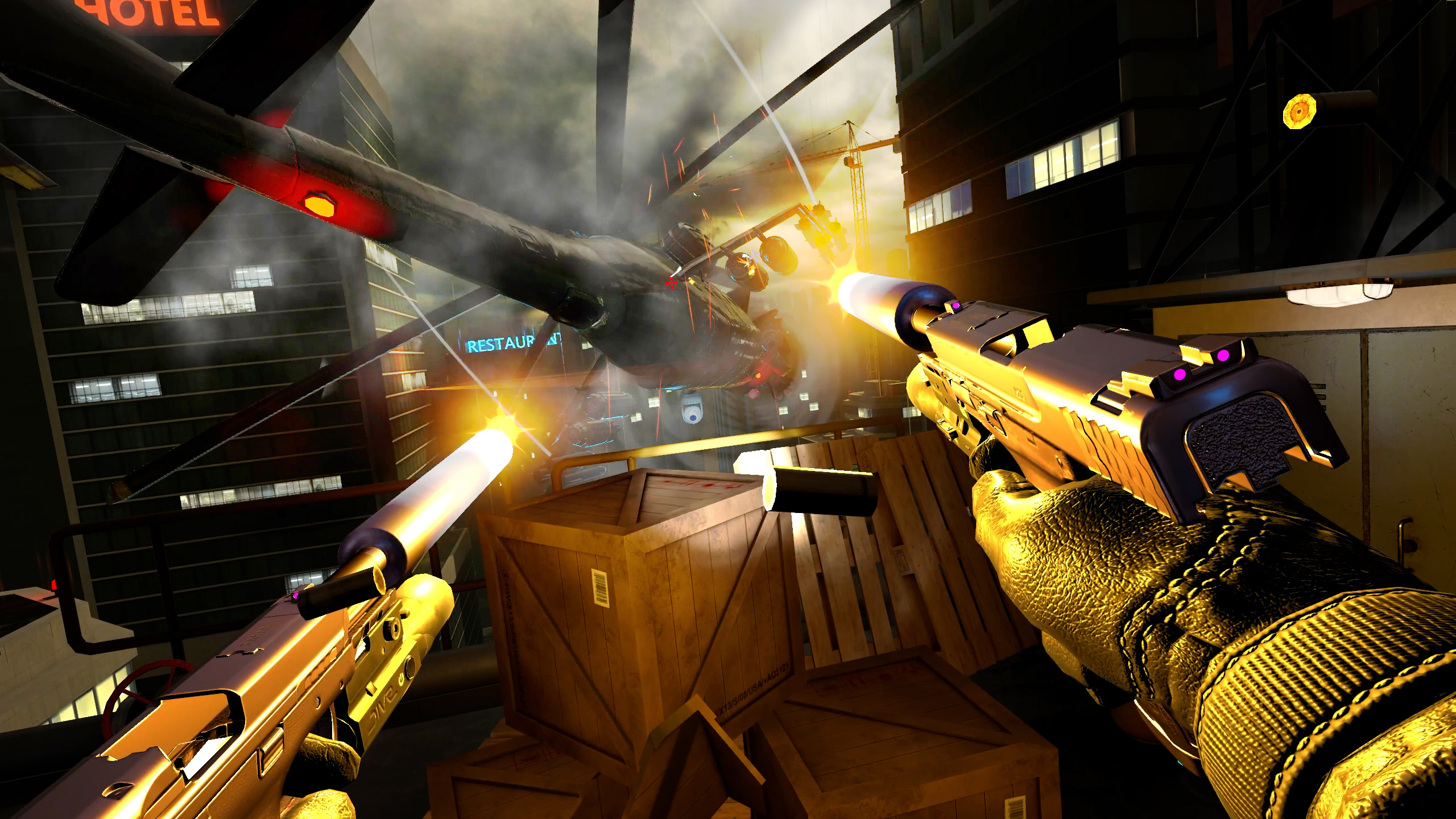
HelicopterScene
-
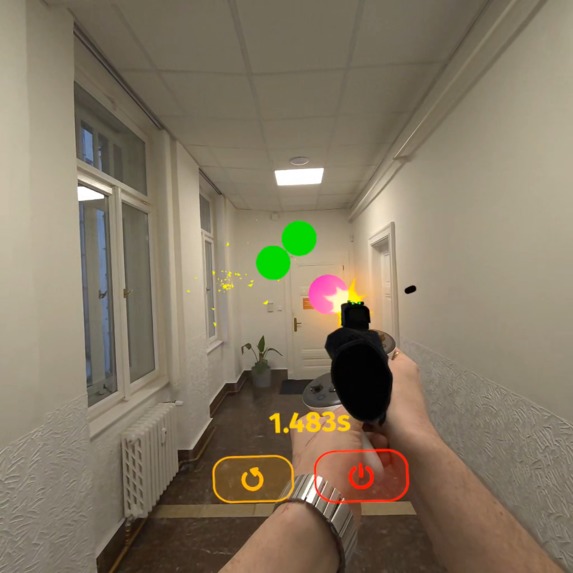
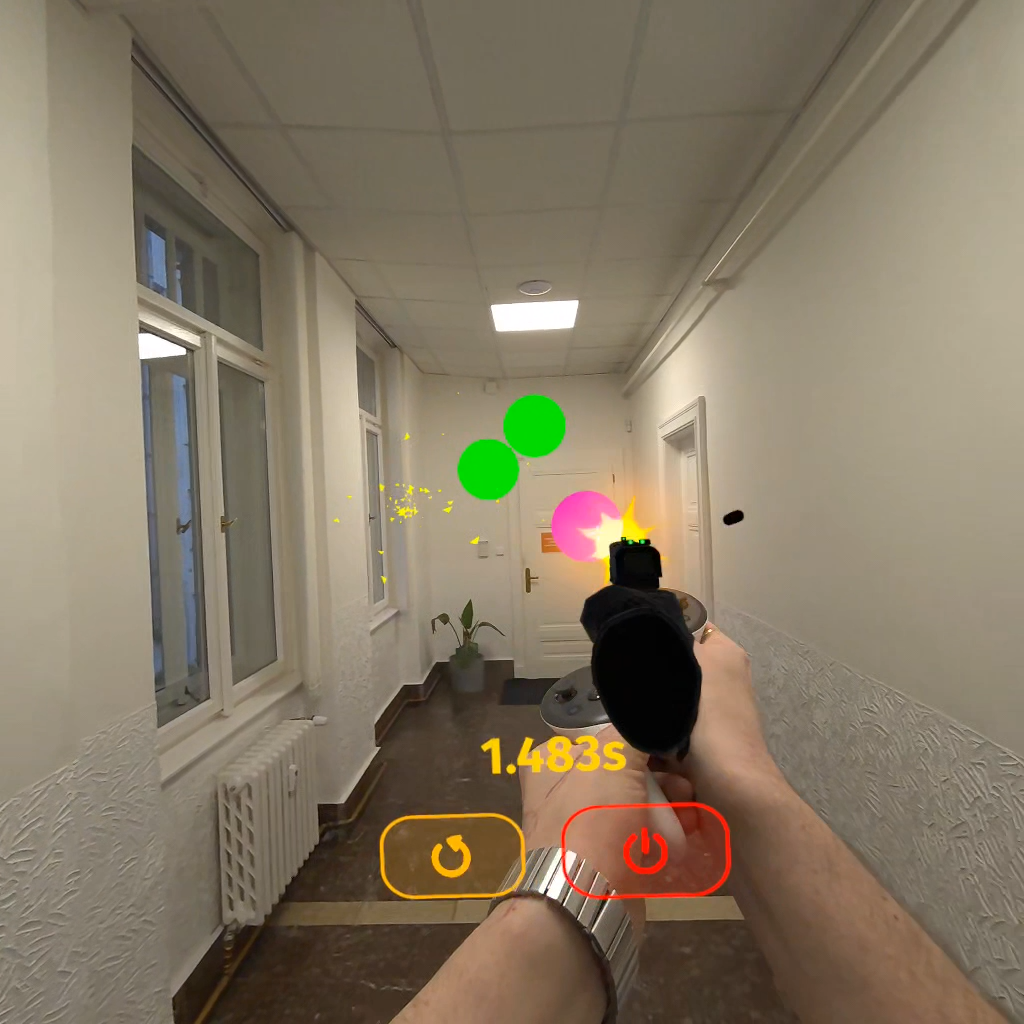
MRtraining
-
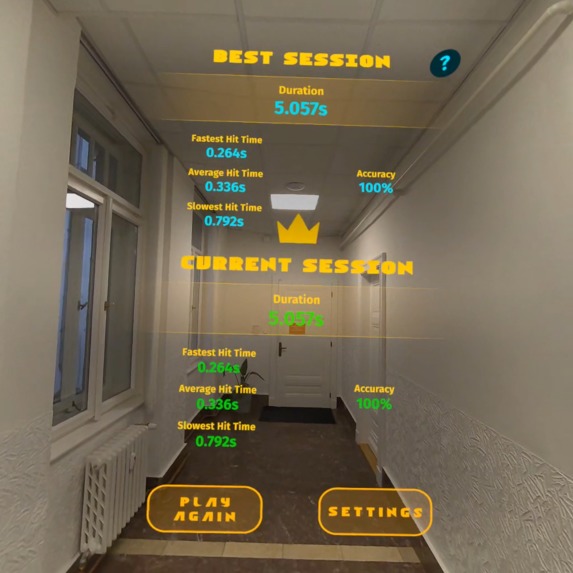
MRtraining2
-
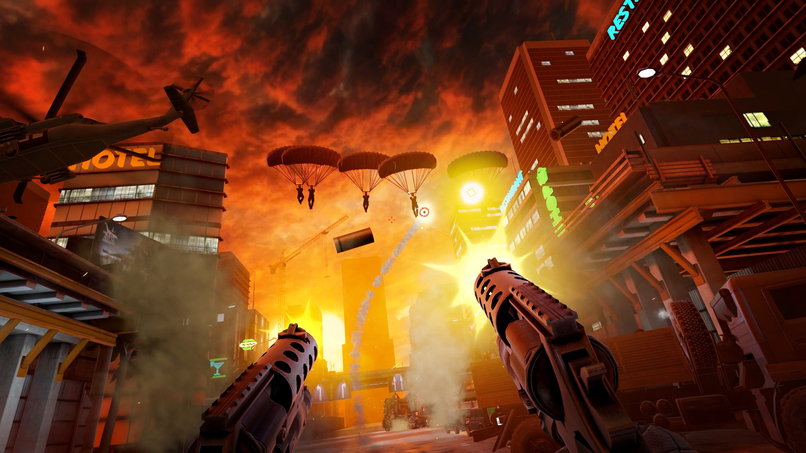
Parachuters
Inspiration
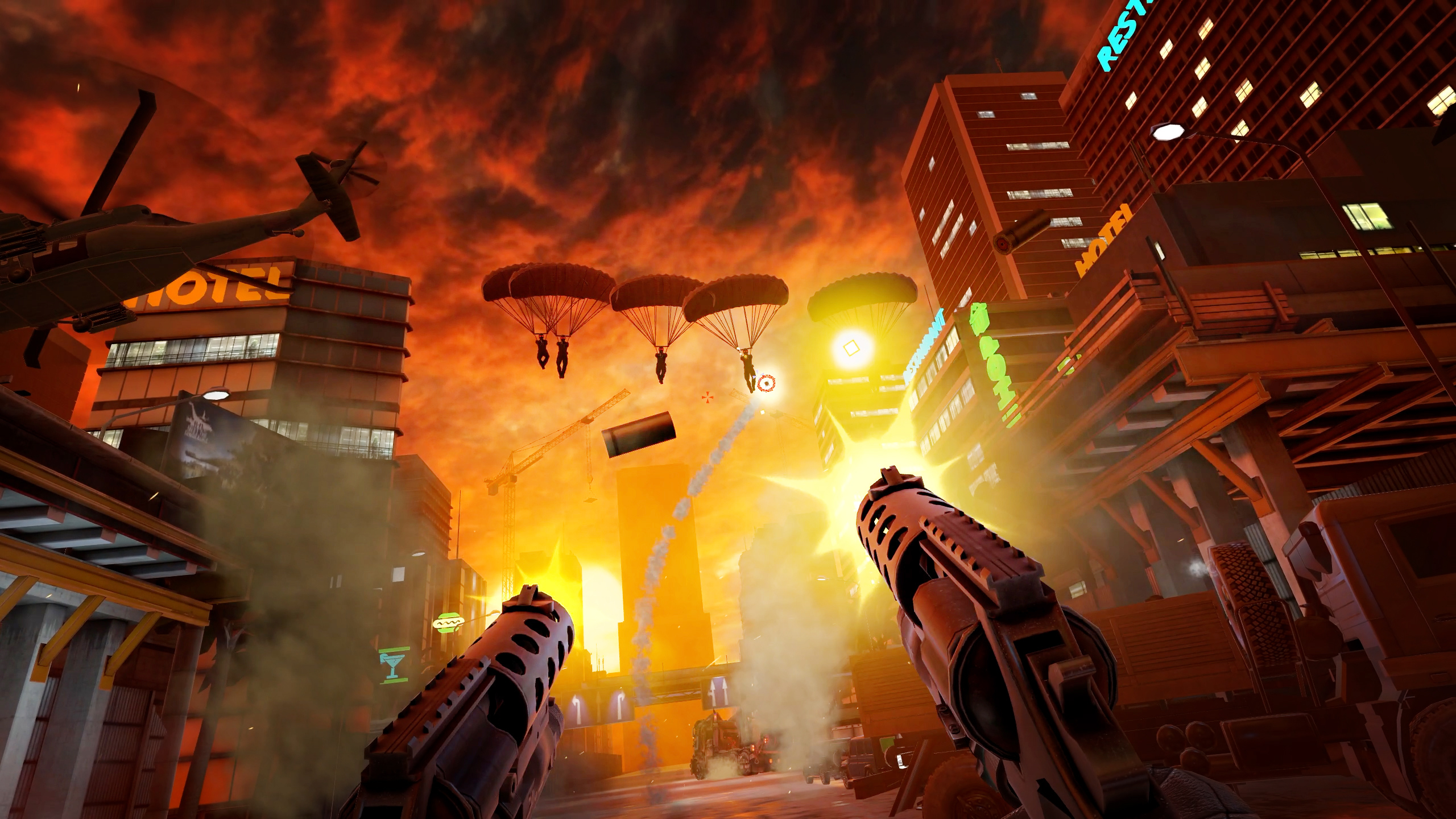
We created Aim Assault with the goal of delivering a fast, reactive VR on-rails shooter that pushes the limits of what’s possible on Meta Quest hardware. While many VR shooters offer solid mechanics, we felt there was room for a more dynamic and visually responsive experience — one where destruction, effects, and feedback all come together to create intensity and immersion. From the beginning, we wanted players to see environments crack, debris fly, and action unfold in a way that feels satisfying and cinematic.
We released the first version of Aim Assault during the competition period, and the initial player feedback motivated us to push the game even further. Their enthusiasm encouraged us to explore optimizations and mixed-reality features that could elevate the experience. This led to a significant update focused on performance improvements, advanced destruction, and a new mixed-reality training mode.
What We Built
Aim Assault is a high-speed VR on-ralils shooter for Meta Quest 2 and Quest 3, designed around accurate aiming, smooth gameplay, and destructible environments. The game blends arcade-style pacing with physically reactive elements, giving players instant feedback and a strong sense of impact with every shot.
Mixed-Reality Training Mode
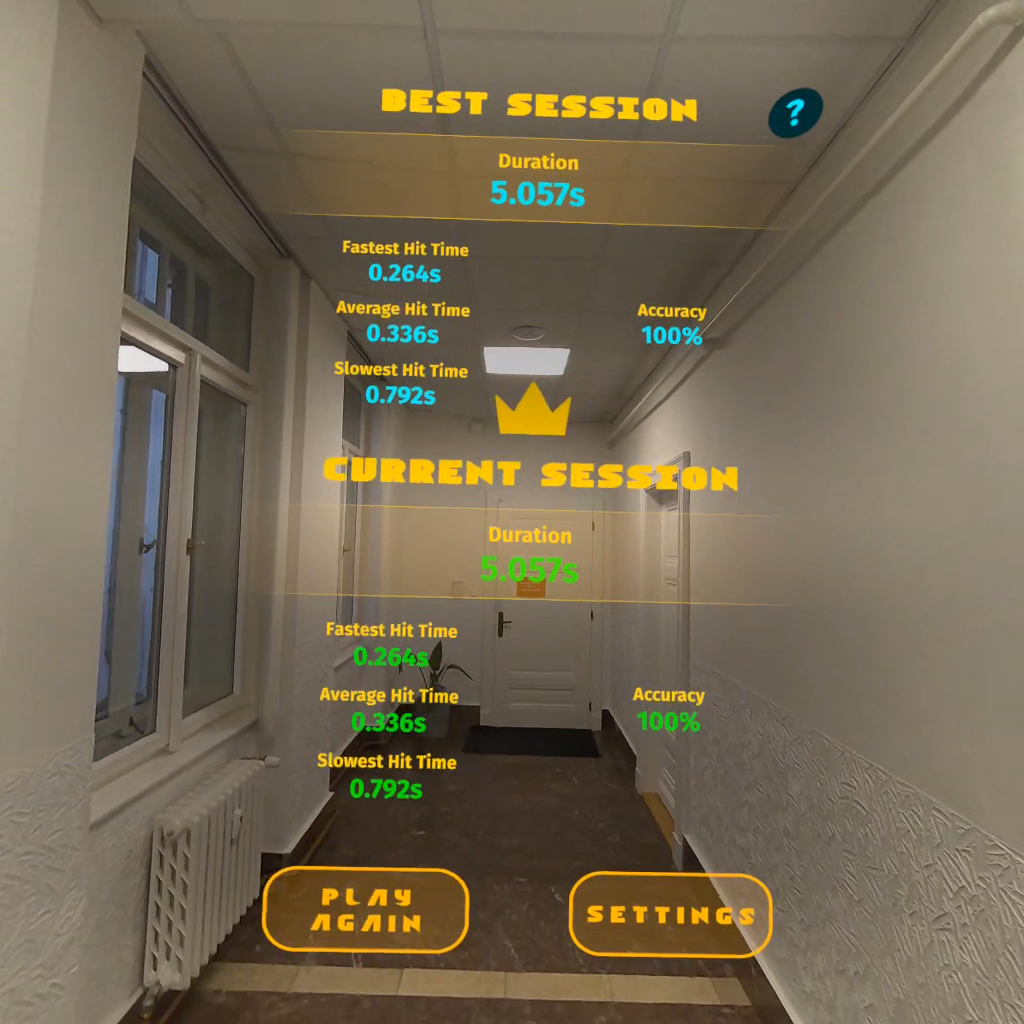
As part of our updated submission, we introduced a Mixed-Reality Training Mode. Using passthrough, players can practice their aim within their real-world surroundings. Virtual targets appear in the player’s actual room, creating a personalized training space that enhances physical engagement and spatial awareness.
Full mixed-reality integration across all levels wasn’t feasible due to complex environments and heavy destruction systems. Instead, we focused MR on a dedicated mode where it works reliably and meaningfully without affecting core gameplay.
Destructible Environments
A standout feature of Aim Assault is its destructible environment system. Surfaces break apart, debris reacts to impacts, and particle effects contribute to the sense of chaos. Building a destruction system that runs smoothly on standalone VR required: Efficient fragmentation and collision handling Optimized particle effects Object pooling for debris Simplified physics calculations These systems combine to create a level of reactivity not commonly seen in Quest shooters.
Technical Challenges & Optimizations
To support explosive visuals while maintaining a stable framerate, we leveraged Meta’s dynamic resolution technology, allowing the game to adjust resolution during intense scenes while keeping gameplay fluid. Additional optimizations included: Aggressive culling and asset streaming LOD systems tailored for destructible objects Shader and material simplification Batching to reduce draw calls Separate device profiles for Quest 2 and Quest 3
These techniques allowed us to deliver rich visuals and responsive gameplay across devices.
What We Learned
Developing Aim Assault taught us how to balance ambitious visual effects with strict hardware limitations. Creating destructible environments in VR required extensive performance tuning, while the MR training mode highlighted the importance of stability and user comfort.


Log in or sign up for Devpost to join the conversation.